Why Smart PDUs Are Essential for PDU Monitoring
Smart PDUs enhance PDU monitoring with real-time energy tracking, remote management, and environmental monitoring, ensuring efficiency and reliability.


+86 15867381241
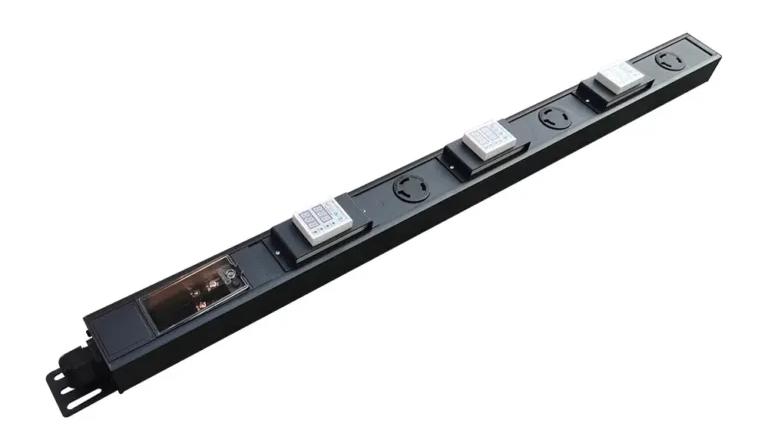
A metered power distribution unit (PDU) enables real-time, granular power consumption tracking for server racks by collecting and displaying electrical metrics at the circuit, outlet, or input level. Unlike basic power strips that only deliver electricity with no visibility, metered PDUs provide continuous data on amperage, voltage, wattage, and power quality, giving data center teams full visibility into rack power usage.
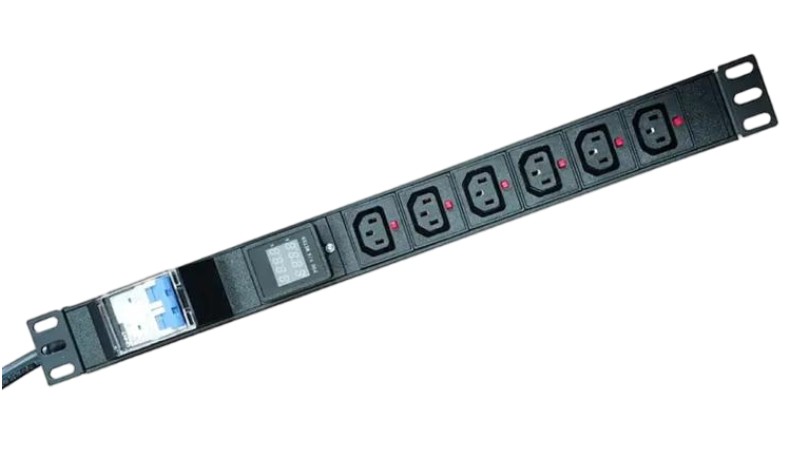
Metered PDUs use built-in true-RMS metering modules to capture accurate, real-time electrical data across single-phase and three-phase circuits. The most critical metrics include:
| Metric | Unit of Measure | Operational Purpose |
|---|---|---|
| Current & Voltage | Amperes (A), Volts (V) | Core baseline metrics for evaluating circuit health and load level |
| Active Power | Kilowatts (kW) | Real power that drives IT equipment; used to calculate total energy consumption |
| Apparent Power | Kilovolt-Amperes (kVA) | Total power in the circuit; used for infrastructure capacity planning |
| Power Factor | Ratio (0–1) | Circuit efficiency indicator; low values trigger utility penalty fees |
| Three-Phase Balance | Percentage difference | Measures load evenness across phases; imbalance causes overheating and equipment damage |
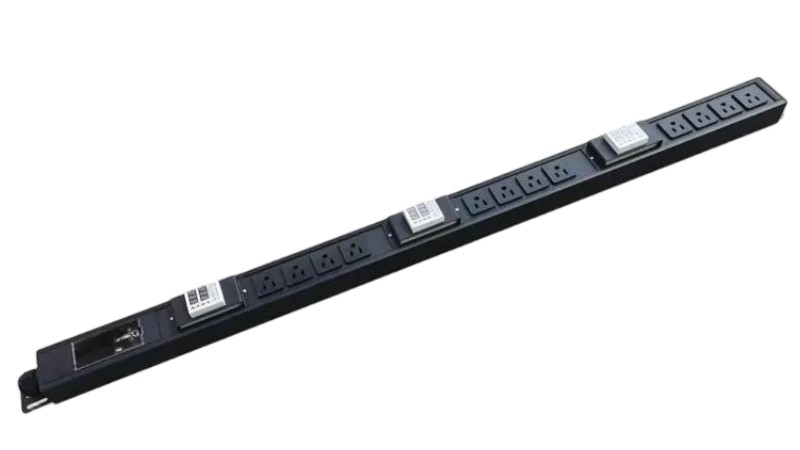
Power monitoring data is accessible via two complementary channels: local on-unit displays and remote network integration.
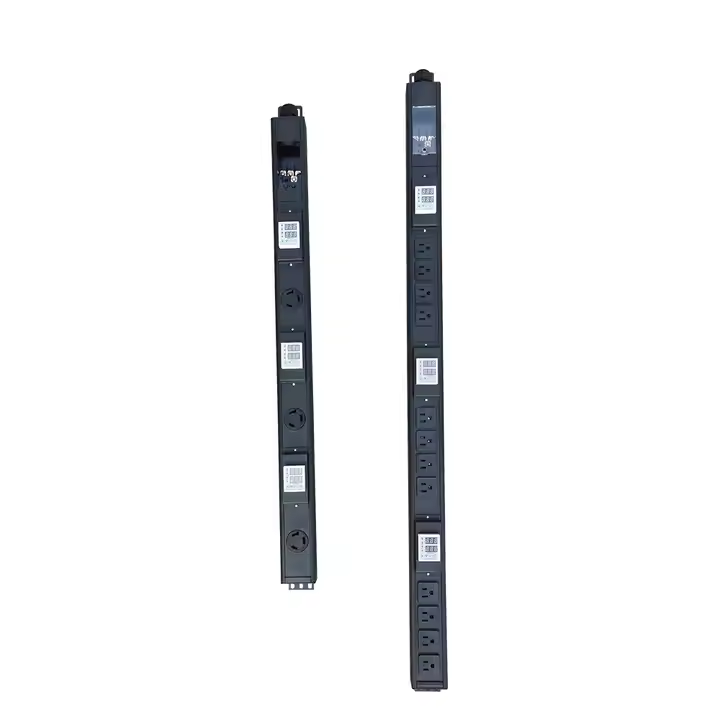
Built-in LED/LCD screens show live metrics directly at the cabinet, with no network connection required. On-site technicians can quickly check load levels during hardware installs, balance circuits, or troubleshoot issues without logging into a central system. This makes on-site capacity checks fast and intuitive, especially during busy equipment deployments.
Metered alerts work alongside the PDU’s circuit breakers to provide layered protection: alerts prevent most overload events, while breakers act as a final safety barrier. Hydraulic-magnetic breakers are preferred for data center use, as they maintain consistent trip points regardless of ambient temperature, eliminating nuisance trips from rack heat.
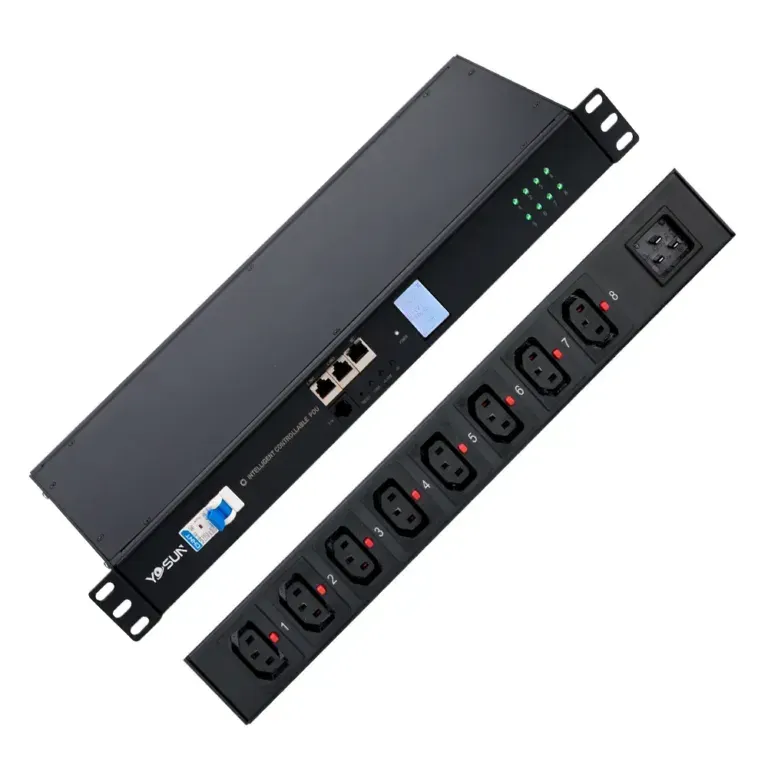
Network-connected metered PDUs transmit power data over standard protocols to central management systems:
High-quality metered PDU systems from PDU manufacturers like NBYOSUN deliver ±1% metering accuracy for reliable, consistent data, with native support for standard SNMP integration and configurable alert thresholds.
Teams can configure custom warning and critical thresholds for key metrics like phase current and load imbalance. When usage crosses a set limit, the PDU sends instant SNMP trap alerts to notify technicians before a circuit trips.
Beyond basic visibility, metered PDUs drive tangible operational and financial value for data centers.
Continuous load monitoring is the most effective way to avoid unplanned circuit trips and power outages. Industry data estimates data center outages cost an average of $9,000 per minute, making early overload detection a high-impact investment. By alerting teams to rising loads before they trip breakers, metered PDUs eliminate a leading cause of rack-level power downtime.
Most data centers operate with significant unused power capacity because teams overestimate rack loads for safety. Granular power tracking reveals actual usage patterns, identifying underutilized circuits and “ghost servers” — idle equipment drawing power with no active workload.
This visibility lets teams safely pack more IT equipment into existing rack space, delaying costly data center expansion projects and maximizing return on existing infrastructure.
Metered PDUs support efficiency optimization in two key ways:
Outlet-level metered PDUs deliver per-device energy data precise enough for granular billing. For colocation and multi-tenant facilities, this enables accurate, transparent chargeback billing based on actual kilowatt-hour usage, building tenant trust and reducing billing disputes.
Historical energy data also supports ESG and carbon reporting requirements, giving facilities verifiable data for sustainability goals and regulatory compliance.
A basic PDU only distributes power to outlets with no usage visibility. A metered PDU adds built-in electrical metering to track real-time volts, amps, and watts, enabling overload prevention, capacity planning, and energy efficiency tracking.
Local displays show live current levels directly at the rack, and network-connected units send automated alerts when loads approach circuit limits. This early warning gives technicians time to rebalance loads before usage reaches the breaker trip point.
Metered PDUs track a full range of power metrics, including current, voltage, active power, apparent power, power factor, and three-phase load balance. Advanced outlet-metered models also track per-outlet energy consumption in kilowatt-hours.
A low power factor increases total current in wiring, creates excess heat, and typically triggers penalty fees from utility providers — usually when power factor drops below 0.90. Continuous tracking lets facilities correct inefficiencies and avoid extra costs.
Network-connected metered PDUs transmit granular per-rack or per-outlet energy data to central billing systems via SNMP. Facilities use this verifiable kilowatt-hour usage data to generate accurate, transparent bills for colocation tenants.
Metered PDUs are far more than just power distribution devices — they are the foundation of data center power visibility. By delivering accurate, real-time data on rack power consumption, they help teams prevent outages, maximize infrastructure efficiency, and reduce long-term operating costs.
For most facilities, upgrading from basic PDUs to network-connected metered units is one of the highest-ROI improvements for power management and reliability.