How to calculate PDU power?
PDU power is calculated using standard electrical formulas: Accurate power calculation is critical for maintaining reliable operation in data centers and server environments. Even minor...


+86 15867381241
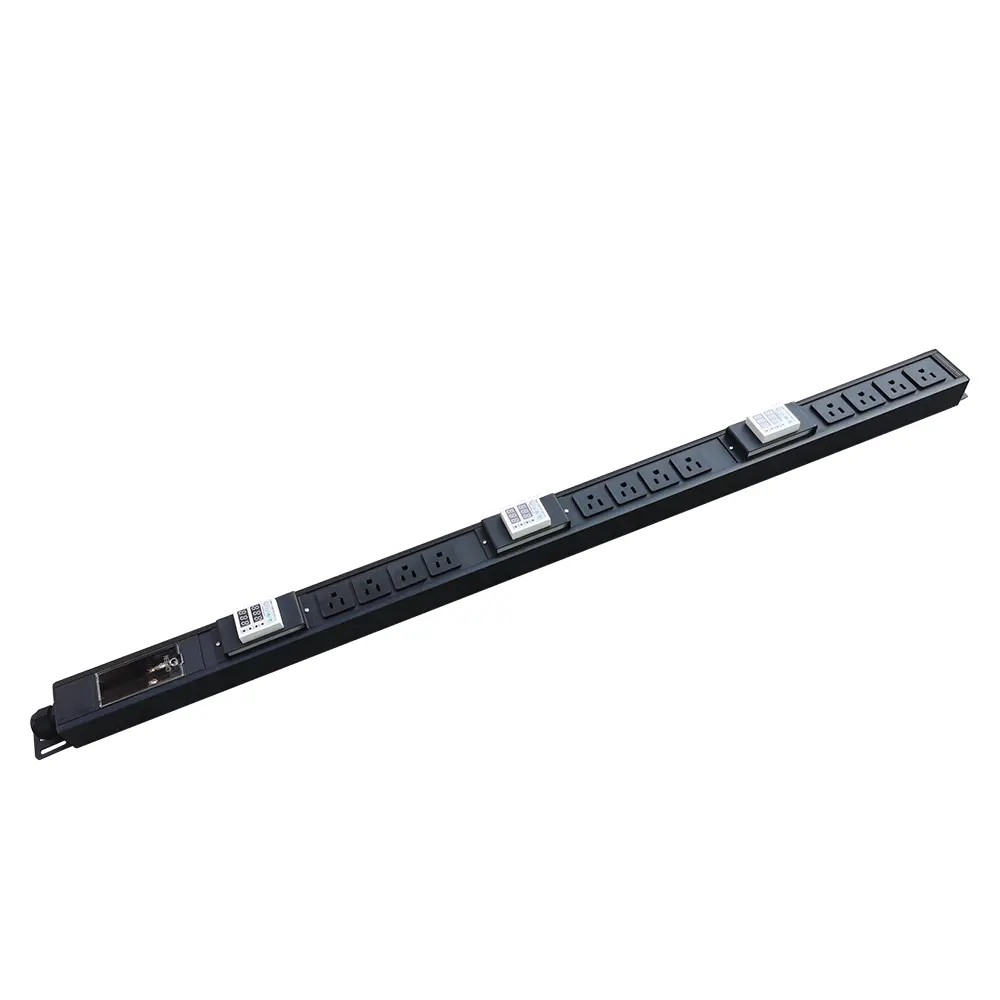
Accurate PDU load calculation is essential for safe, reliable power distribution in data centers and server rooms. Improper load planning and overload are leading causes of unplanned power outages and equipment damage in rack environments. The core calculation follows standard electrical formulas provided by PDU manufacturers: multiply voltage by current for each device, then sum the total and build in a safety buffer.
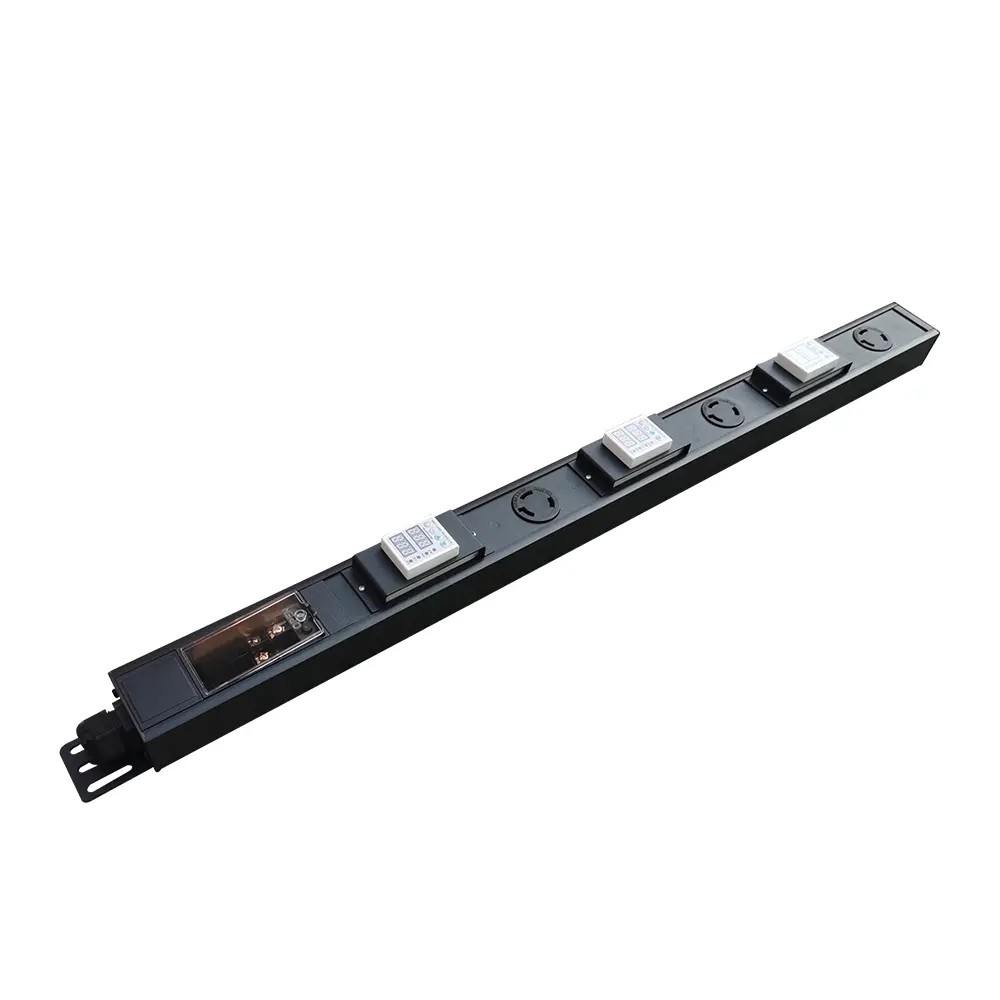
Single-phase PDUs are common for small server racks and office IT setups. Use this formula to calculate power per device and total load:
PDU rated capacity is typically listed in volt-amperes (VA). For most IT equipment, power factor ranges from 0.8 to 0.9. For quick estimation, you can approximate 1 VA ≈ 1 W, but precise calculations should include power factor for accuracy.
Three-phase PDUs deliver higher capacity for dense data center racks. For standard line-voltage three-phase systems, use this industry-standard formula:
Three-phase systems deliver more power with lower current per phase, making them the standard for medium and large data center deployments.
Per the U.S. National Electrical Code (NEC) and global best practices, continuous operating load must not exceed 80% of the PDU and branch circuit rated capacity. This 20% headroom accommodates inrush current on startup, temporary load spikes and future equipment additions, while reducing overheating and fire risk.
Tip: Always verify each device’s rated voltage and current before connection. Using incorrect input values is the most common cause of inaccurate load calculations and hidden overloads.

First, list every device that will connect to the PDU, including servers, network switches, storage arrays and ancillary hardware. Typical rack power reference values:
For each device, use the nameplate voltage and current ratings to calculate power draw. If the device lists watts directly, use that figure as the active power value.
Convert all values to the same unit (watts or kilowatts) before adding:
For three-phase PDUs, assign devices to individual phases first, then sum the load on each phase separately.
For three-phase PDUs, distribute equipment as evenly as possible across L1, L2 and L3 phases. Uneven phase loading causes overheating on heavily loaded phases, reduces equipment lifespan and can trip breakers prematurely. Aim for less than 10% difference between the highest and lowest loaded phases.
Multiply your total calculated load by 1.2 to add the required safety buffer. This brings continuous load to 80% of rated capacity, complying with NEC continuous load rules.
Verify that your buffered total load is below the PDU’s official rated capacity. If it exceeds the limit, select a higher-capacity PDU or redistribute some devices to a second circuit.
Overloaded PDUs create serious risks including equipment damage, fire hazards and full operational downtime. All YOSUN PDUs include built-in circuit breaker protection and optional overload alerting to mitigate these risks.
A standard server rack holds 10 single-phase servers, each rated at 250W.
For reliable ongoing load management, YOSUN recommends Metered or Smart PDUs to track real-time power draw. Heavy Duty PDUs are available for high-density racks with elevated power requirements.
Recalculate total load every time you add or remove rack equipment. Routine audits prevent hidden overloads that build up gradually as more devices are deployed.
Smart and metered PDUs eliminate manual calculation guesswork:
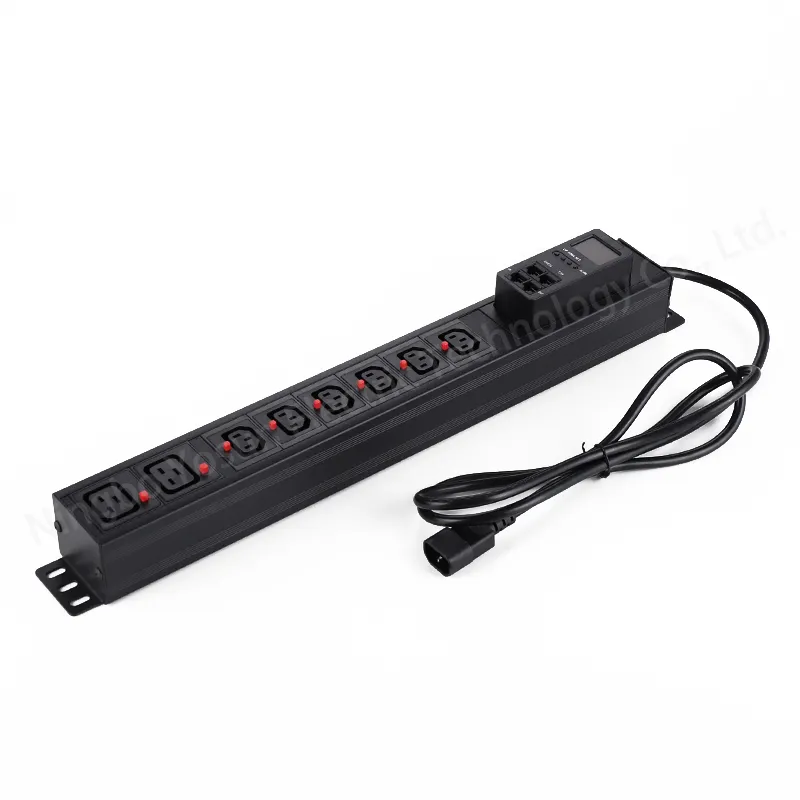
YOSUN Smart PDUs include outlet-level monitoring, environmental sensing and remote power control features. Deployments using YOSUN smart monitoring and overload protection typically reduce energy-related downtime significantly.
PDUs must match local electrical codes and socket standards:
| Region | Socket Type | Applicable Standards |
|---|---|---|
| United Kingdom | UK-type rack PDU | BS 1363, fused plugs, shuttered contacts |
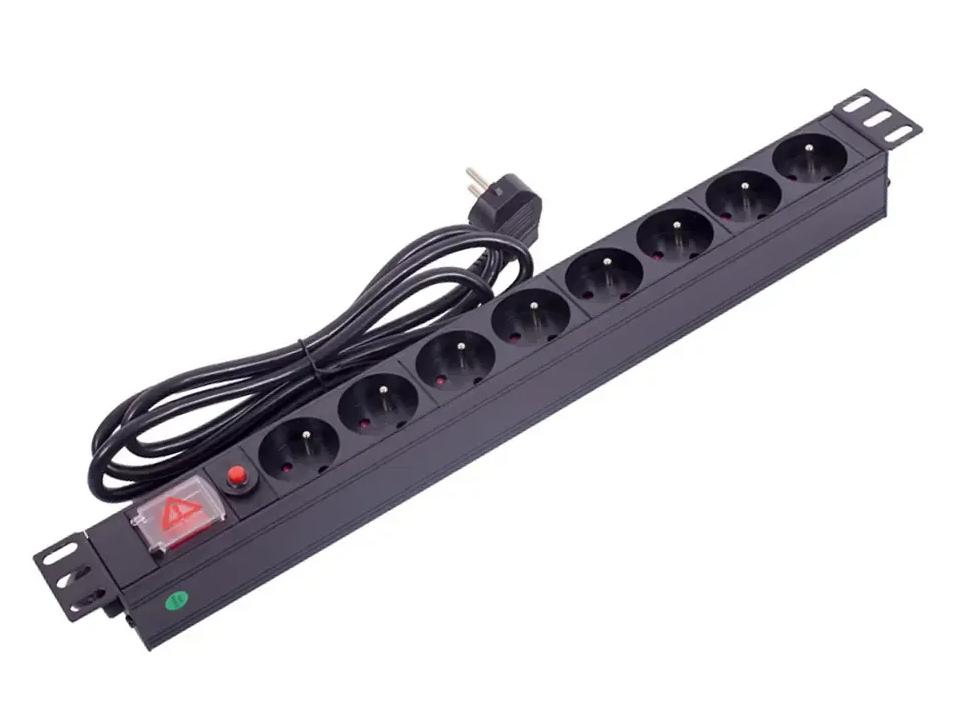
| Germany | German-type PDU | CEE 7/4 sockets, VDE regulations |
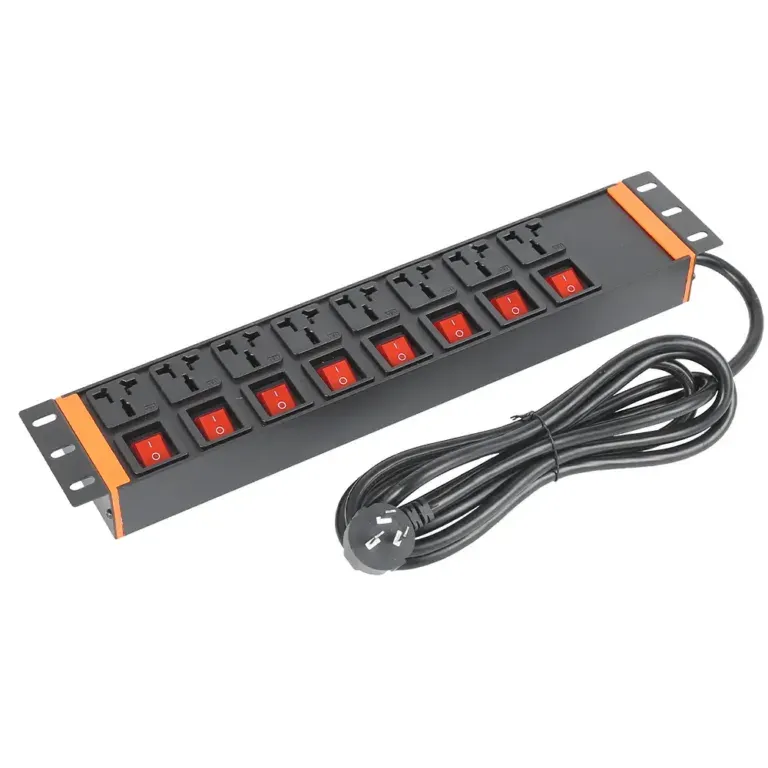
| North America | NEMA-configured PDU | NEMA 5-15R and NEMA 5-20R outlets |
| Pan-Europe | Universal PDU | Compatible with UK, German and French plug types |
All YOSUN PDUs carry major safety certifications including UL listing and IEC 62368 compliance, and are available in region-specific socket configurations.
Calculating PDU load correctly is a foundational step for safe, reliable rack power distribution. By following standard electrical formulas, balancing three-phase loads and maintaining a 20% safety margin, you can avoid overloads, extend equipment life and minimize unplanned downtime.
For code-compliant, dependable power distribution across all rack densities, YOSUN’s full range of Basic, Metered, Smart and Heavy Duty PDUs deliver accurate performance, robust safety features and compatibility with global electrical standards.
For single-phase systems: Power (W) = Volts × Amps × Power Factor. For three-phase systems: Power (W) = √3 × Volts × Amps × Power Factor. PDU capacity is rated in VA; divide wattage by power factor to get VA for sizing.
If continuous operating load exceeds 80% of the PDU’s rated capacity, it is operating in an overload condition. Metered PDUs show live current and power readings; you can also estimate by summing nameplate power of all connected devices.
The margin complies with electrical codes for continuous loads, absorbs startup inrush currents, prevents overheating and breaker tripping, and leaves headroom for future equipment additions.
Yes, as long as total combined load stays within the 80% safety limit. On three-phase PDUs, ensure loads are balanced evenly across all three phases.
Real-time metering, automatic overload alerts and integrated circuit breakers are the most effective protections. YOSUN Smart PDUs provide all three, plus remote monitoring to address issues before they cause downtime.