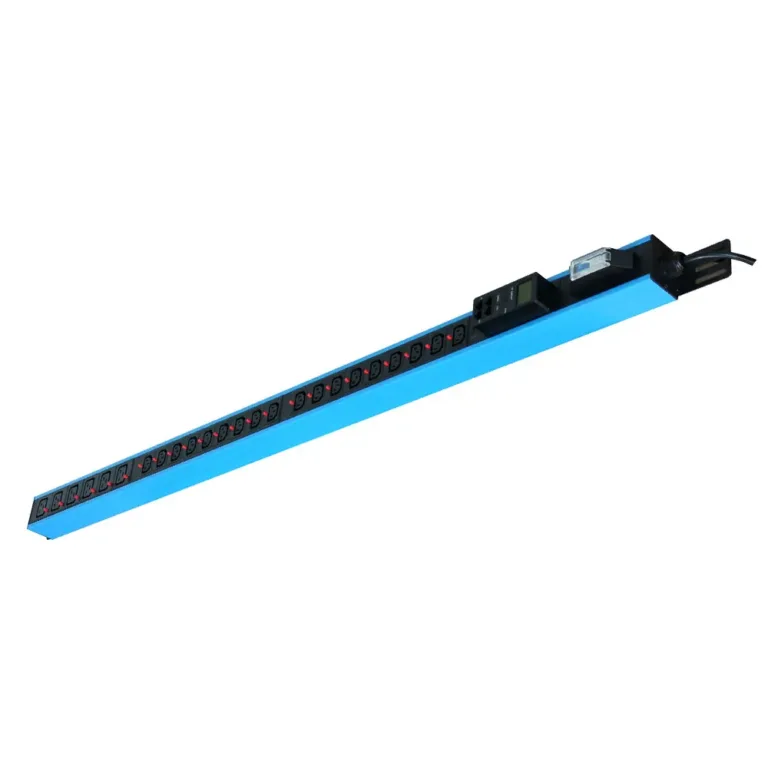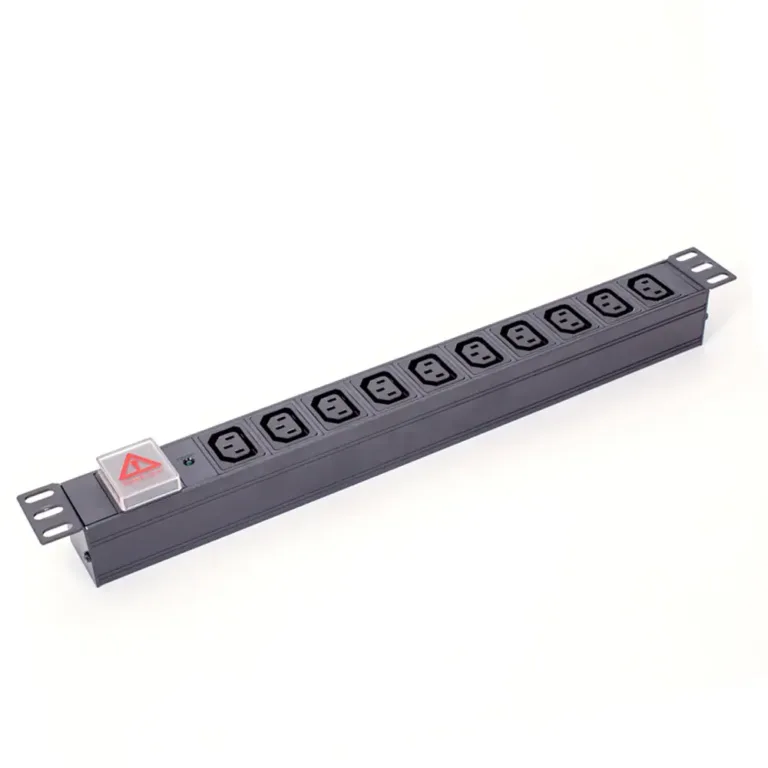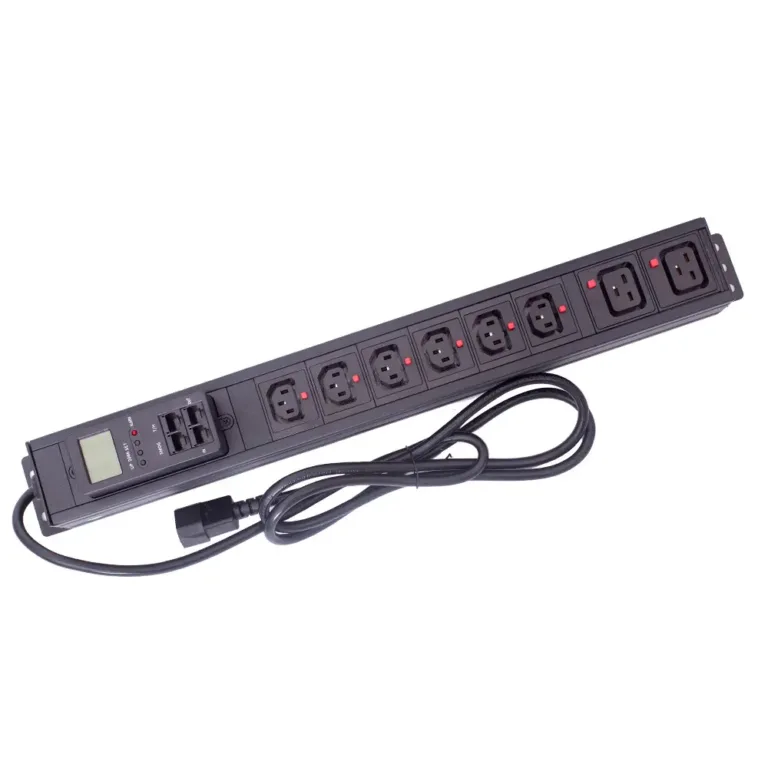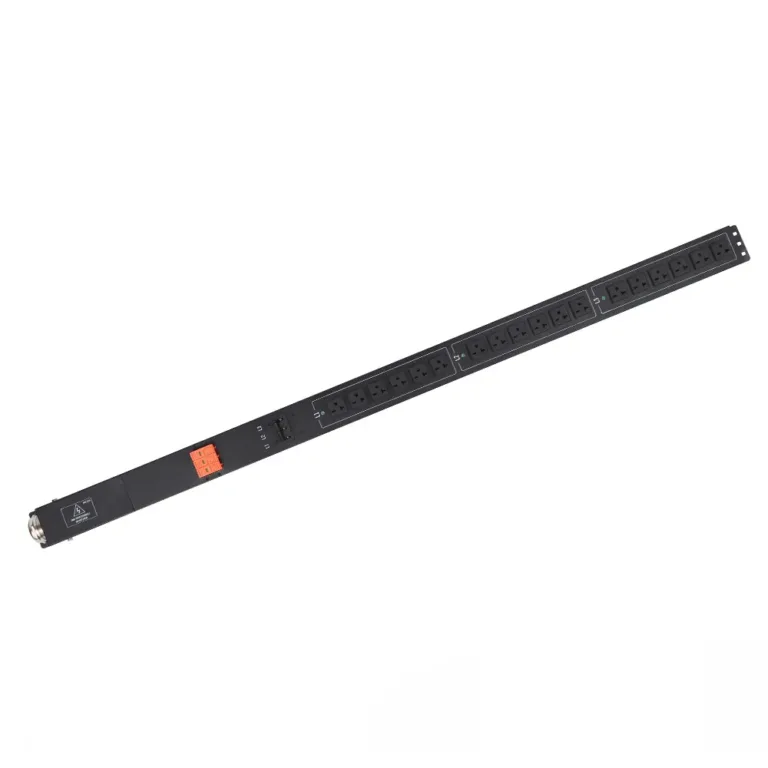
Top 5 Heavy Duty PDU Power Cords for Server Rooms
Discover the top 5 heavy-duty PDU power cords for server rooms. Ensure reliable power distribution with durable, high-capacity cords for critical equipment.


+86 15867381241
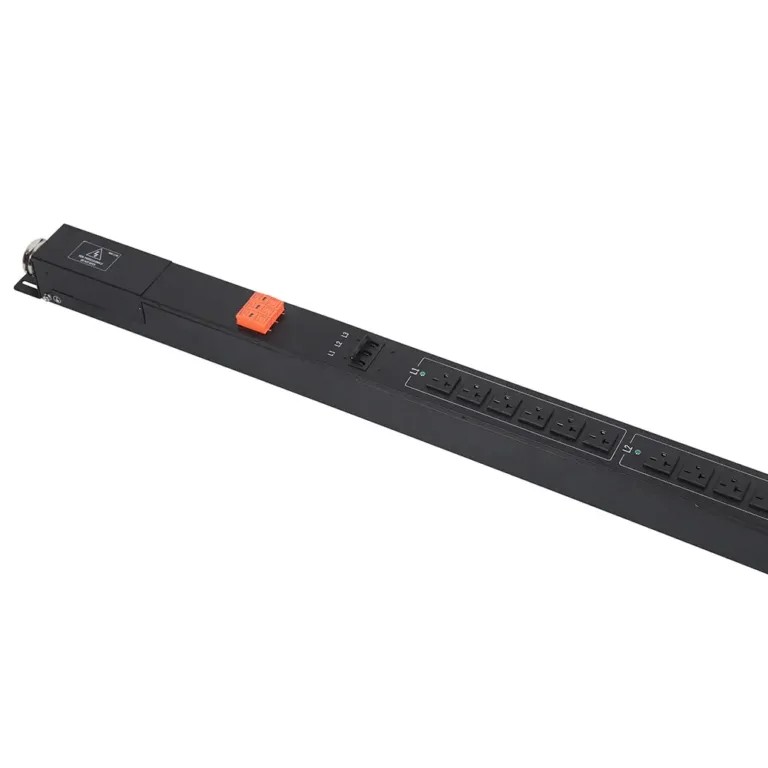
A 3-phase power distribution unit (PDU) is the backbone of reliable power delivery in high-density data centers, server rooms, and telecom facilities. By distributing power across three synchronized alternating current phases, it delivers higher load capacity, better load balance, and higher energy efficiency than standard single-phase units. For IT teams managing dense server racks, AI workloads, and scalable infrastructure, 3-phase PDUs reduce energy waste and support seamless equipment expansion.
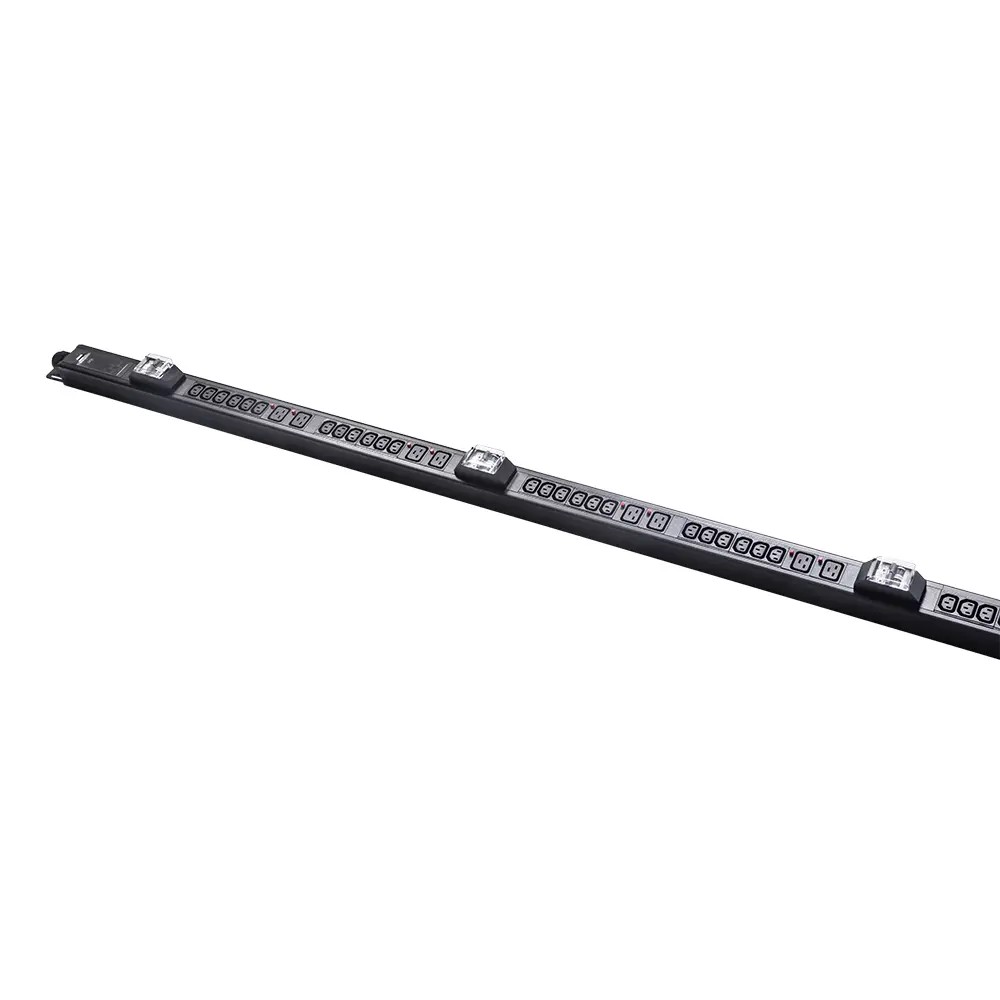
At its core, a 3-phase PDU draws power from three separate AC currents, each offset by 120 degrees in its cycle. This staggered design delivers continuous, stable power without the voltage dips seen in single-phase systems.
Most 3-phase PDUs use one of two standard wiring configurations:
This flexibility allows 3-phase PDUs to power both 120V and 208V devices, adapting to diverse IT equipment needs.
Inside a 3-phase PDU, multiple integrated components work together to deliver safe, regulated power to connected equipment:
Phase balancing is one of the most critical functions of a 3-phase PDU system. It refers to evenly distributing the total electrical load across all three phases, so no single phase carries disproportionately more current.
Unbalanced loads can cause phase tripping, excess heat, equipment damage, and wasted energy. Smart 3-phase PDUs simplify balancing by providing real-time per-phase current data, so operators can adjust device connections accordingly. Standard best practices for phase balancing include:
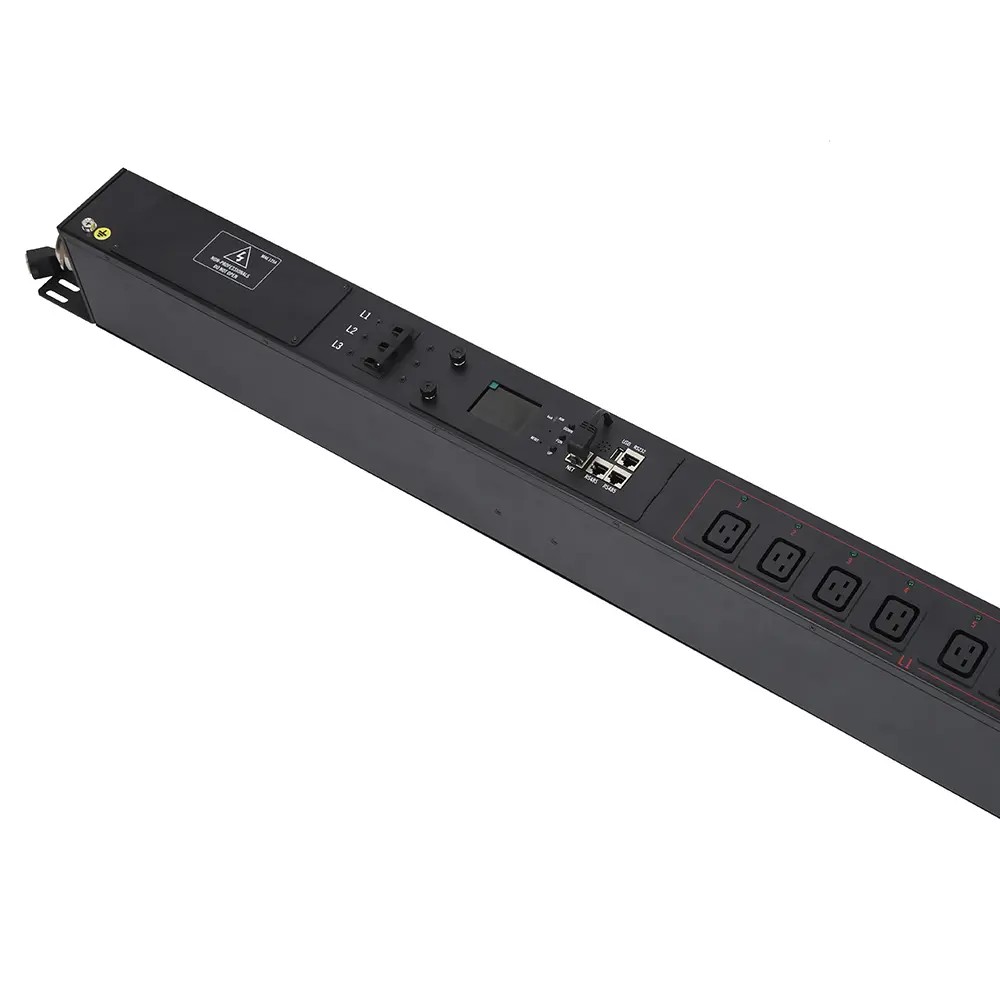
The biggest advantage of 3-phase PDUs is their ability to deliver far more power per unit than single-phase alternatives. A typical single-phase PDU tops out at around 10kW, while 3-phase models range from 11kW to 60kW or more.
This makes them essential for modern high-density deployments: standard server racks often require 20kW+ per cabinet, while AI and GPU racks can demand up to 80kW per cabinet. 3-phase PDUs support these heavy loads without requiring extra distribution units.
Three-phase power reduces the current flowing through each individual conductor. This translates to:
With higher baseline capacity, 3-phase PDUs give facilities room to add equipment without immediately upgrading facility wiring or circuits. This scalability is especially valuable for fast-growing data centers and colocation facilities.
Most 3-phase PDUs also include built-in safety features like circuit breakers and surge protection to safeguard connected equipment as loads grow.
| Feature | Single-Phase PDU | 3-Phase PDU |
|---|---|---|
| Power Capacity | Low to medium, up to 10kW | High to ultra-high, 11kW – 60kW+ |
| Voltage Range | Up to 230V | Up to 415V |
| Ideal Scenario | Small offices, home labs, temporary setups | Data centers, high-density server racks, telecom facilities |
| Energy Efficiency | Lower baseline efficiency | Higher efficiency with lower line loss |
| Installation Complexity | Simple, often plug-and-play | More complex, typically requires a licensed electrician |
| Upfront Cost | Lower initial investment | Higher upfront cost |
Start by calculating the total power demand of your rack and leave approximately 20–30% spare capacity for future growth. The PDU should provide the correct input rating, sufficient outlet quantity, and compatible outlet types—such as IEC C13, C19, NEMA, or other regional standards—to support all connected equipment.
For modern data centers, smart 3-phase PDUs offer significant operational advantages. Metered, monitored, and switched models provide real-time power visibility, phase-load monitoring, remote outlet control, and automatic alerts for overloads or abnormal power conditions. These capabilities improve uptime, simplify capacity planning, and make phase balancing much easier.
A high-quality 3-phase PDU should be designed for continuous operation in demanding environments. Look for products that comply with recognized standards such as UL, CE, RoHS, and ISO 9001. Certified PDUs help ensure electrical safety, regulatory compliance, and long-term reliability while reducing the risk of power-related failures.
A trusted PDU manufacturer provides consistent product quality, flexible customization options, and reliable technical support. For example, YOSUN, with over 20 years of industry experience, offers a wide range of basic, metered, and smart 3-phase PDUs, along with custom PDU solutions and OEM/ODM services. From outlet configurations and power ratings to monitoring features and rack-mount designs, customized PDUs can be tailored to meet the specific requirements of different data center and IT environments.
3-phase PDUs work by splitting power across three synchronized AC phases, delivering higher capacity, better efficiency, and more stable operation than single-phase alternatives. For high-density data centers, growing IT infrastructure, and power-heavy AI workloads, they are the standard solution for reliable, scalable power distribution.
When selecting a 3-phase PDU, prioritize matching capacity to your current and future load, choosing smart monitoring features for easier phase balancing, and selecting a certified, trusted manufacturer. This ensures long-term safety, reduces downtime risk, and supports seamless infrastructure growth.
A 3-phase PDU distributes high-capacity power to large numbers of devices in data centers and telecom facilities. It enables balanced load distribution, supports high-density equipment racks, and helps operators maintain safe, reliable power for IT infrastructure.
Three-phase wiring delivers more total power while reducing current per conductor. This lowers line loss, reduces heat buildup, prevents circuit overloads, and allows more devices to be powered from a single rack unit.
Yes. Most 3-phase PDUs are designed to support standard single-phase equipment. Each outlet draws power from one phase and the neutral/ground, so you can plug in regular servers and networking gear without extra adapters.
Reliable 3-phase PDUs include main circuit breakers, surge protection, overcurrent protection, and optional ground fault protection. Smart models add real-time overload alerts and remote power control. YOSUN 3-phase PDUs include all these standard safety features along with remote monitoring capabilities.
Yes, in most cases. 3-phase PDUs connect to high-voltage facility wiring, so installation by a licensed electrician is required to ensure code compliance and safety. Single-phase PDUs are often simple enough for in-house IT teams to install.