Why are three-phase PDUs gradually replacing single-phase PDUs?
Table of Contents
Three-phase PDUs are gaining traction in modern data centers, driven by soaring rack power density for AI, HPC and high-performance server hardware. AFCOM’s 2025 State of the Data Center Report records average rack density jumping from 7 kW in 2021 to 16 kW in 2025 — a load that strains traditional single-phase power distribution.
That said, three-phase PDUs are not a universal upgrade. Single-phase PDUs are still a practical, cost-effective choice for network closets, edge sites and low-density server rooms. The correct selection hinges on rack load, available electrical service, installation expense and long-term capacity plans.
Key Takeaways
Three-phase PDUs deliver higher power capacity than single-phase models, making them suitable for high-density racks and AI workloads.
Better cable management and phase load balancing help simplify rack layouts and support reliable operation.
Three-phase PDUs improve scalability, but upgrades require sufficient upstream power and cooling capacity.
Single-phase PDUs remain practical for low-power racks, small server rooms, and sites with limited electrical infrastructure.
Choose a PDU based on rack power demand, input ratings, monitoring needs, and future expansion plans.
Why Three-Phase PDUs Are Gaining Popularity
Higher Power Capacity
With identical voltage and amperage, a balanced three-phase feed delivers roughly 1.732× the apparent power of a single-phase feed. Example reference:
208V, 30A three-phase feed: ~10.8 kVA (before continuous-load restrictions)
208V, 30A single-phase feed: ~6.2 kVA
For high-density racks, this means you can support heavy loads from one single feed instead of running multiple single-phase circuits. It simplifies rack power layout and reserves headroom for future hardware upgrades. Real usable capacity is still limited by power factor, circuit protection and local electrical codes.
Cable Simplification & Load Balancing
A three-phase PDU consolidates high power into one inlet, cutting redundant cabling and reducing cable clutter inside racks. Better cable routing preserves airflow and eases maintenance.
A core operational requirement for three-phase systems is phase load balancing. Even load distribution prevents neutral overstress and unlocks the full rated capacity of the PDU. Metered / smart rack PDUs track per-phase current, alert operators to imbalance and support capacity planning.
Important note: Three-phase design does not guarantee a fixed percentage reduction in power bills. Overall efficiency depends on the full power chain: transformers, UPS, wiring and load characteristics.
Three-Phase PDU vs Single-Phase PDU Comparison
Attribute
Single-Phase PDU
Three-Phase PDU
Power capacity
Low to moderate rack loads
High / ultra-high rack loads
Cabling
Needs multiple feeds at higher power
One feed delivers large power
Load balancing
No phase balancing required
Must balance loads across 3 phases
Scalability
Best for static, modest power demand
Preferred for growing high-density infrastructure
Installation
Simple if single-phase service exists
Needs compatible upstream three-phase power
Typical use cases
Network closets, edge sites, small server rooms
Data centers, AI clusters, HPC racks
Supporting High-Density Racks & Scalability
Scalability is the biggest long-term advantage of three-phase rack PDUs. As IT workloads grow, you avoid stacking dozens of single-phase circuits per rack.
But the PDU alone cannot add capacity. Before upgrading, teams must audit upstream infrastructure: switchgear, UPS, branch circuits and cooling capacity. Switched / metered smart PDUs add outlet-level visibility and remote power control, which is critical for colocation and enterprise data center operation.
When Single-Phase PDUs Still Make Sense
Single-phase PDUs are far from obsolete. They remain the right fit when:
Rack power stays low with no major expansion roadmap
The facility only has existing single-phase electrical service
You are working on small network closets or remote edge deployments
Upgrading an older site to three-phase power is expensive. If your loads are stable and low, the cost of rewiring and electrical upgrades will often outweigh the benefits of three-phase PDUs.
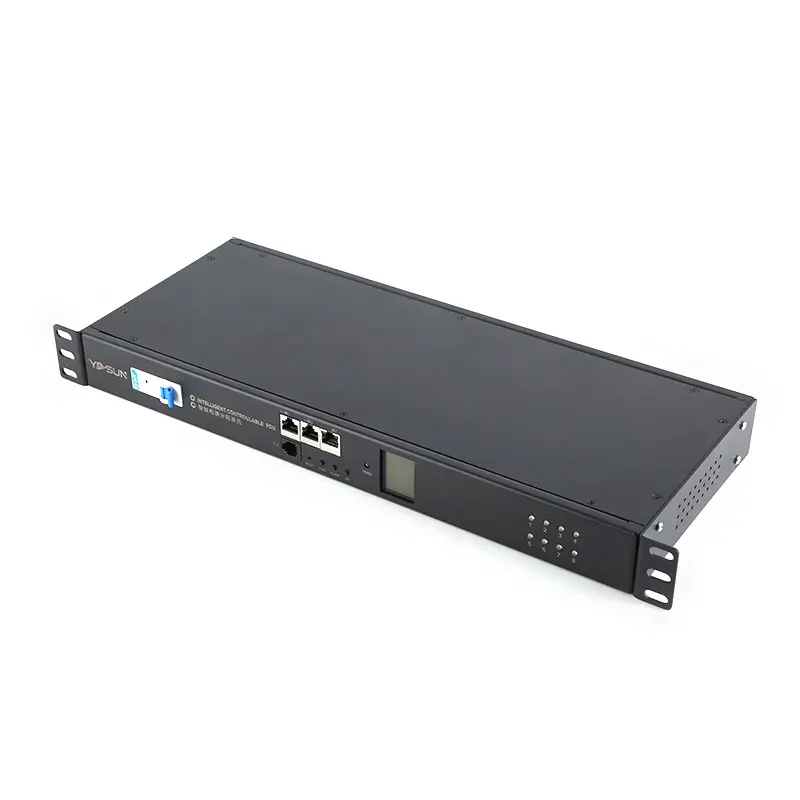
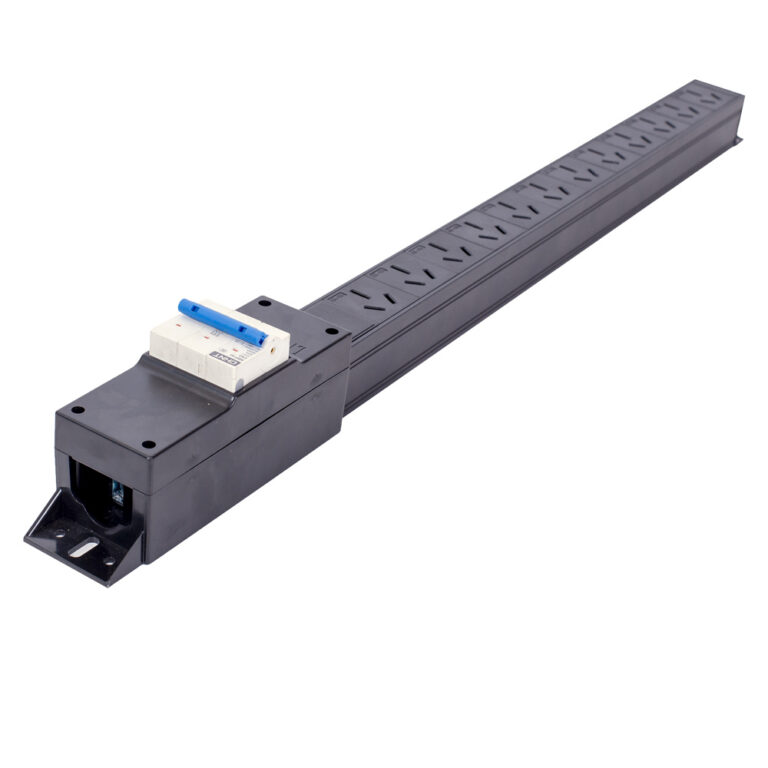
Suppliers including YOSUN offer basic, metered and smart PDUs in both form factors. Always verify input rating, outlet layout, monitoring functions and compliance before purchasing.
FAQ
How much more power can a three-phase PDU deliver?
At the same voltage and current, a balanced three-phase feed provides ~1.732× apparent power versus single-phase. Actual usable power is constrained by circuit limits, power factor and electrical regulations.
Do three-phase PDUs automatically cut electricity costs?
No. They simplify high-power distribution and reduce cabling, but energy savings depend on the whole power system, not just the PDU itself.
Why choose three-phase PDUs for high-density racks?
They deliver large power through a single inlet, eliminate multiple single-phase feeds and reduce cable congestion in tight rack environments.
Are single-phase PDUs obsolete?
Absolutely not. They remain ideal for low-density racks, small server rooms and locations with existing single-phase electrical service.
What key factors should buyers evaluate?
Assess rack power draw, available electrical service, input voltage/amperage, outlet layout, circuit protection, monitoring requirements, compliance certification, installation expense and future expansion plans.
Data centers are substantial consumers of electricity. With the explosive growth of digital content, big data, e-commerce, and internet traffic, data centers have become one...
IP PDUs enhance data center efficiency with real-time monitoring, energy optimization, and uptime reliability, making them vital for modern IT infrastructure.
Boost crypto mining efficiency in 2025 with advanced PDUs. Ensure safe power distribution, reduce energy waste, and optimize your mining setup effectively.
Monitored PDUs enhance PDU monitoring with real-time power data, remote access, and alerts, ensuring efficient energy use and reliable IT infrastructure.