USA’s Most Trusted Rack PDU Manufacturers
Discover the top rack PDU manufacturers in the USA, including APC, Vertiv, Eaton, and more, known for innovation, reliability, and energy-efficient solutions.


+86 15867381241
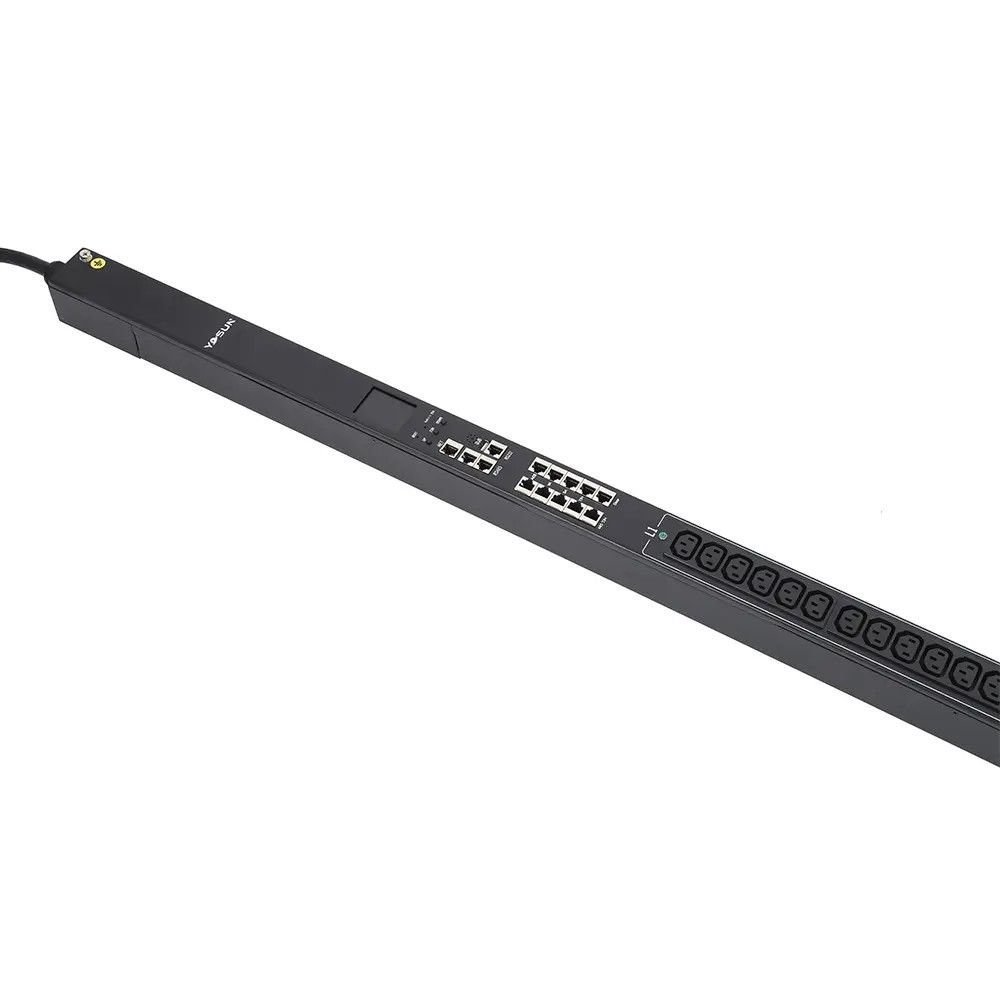
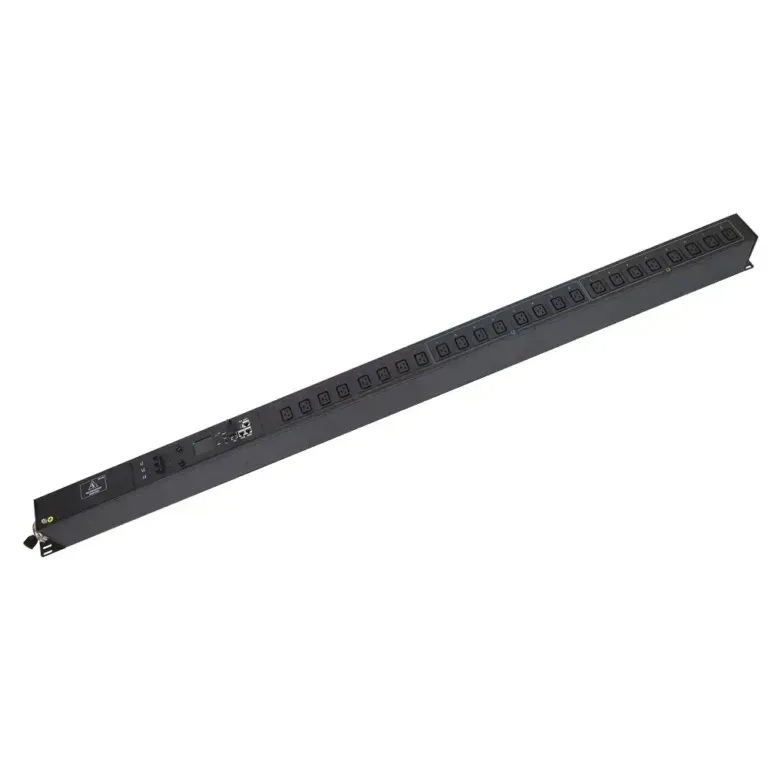
Intelligent power distribution units (iPDUs) typically cost from around $300 for entry-level monitored models to over $5,000 for advanced switched and outlet-metered units. The final cost depends on functionality level, electrical phase, power capacity, outlet count, and compliance certifications.
Although iPDUs cost more upfront than basic PDUs, features such as remote monitoring, outlet-level control, and power alerts can help improve energy management, reduce downtime, and lower operating costs in data centers.
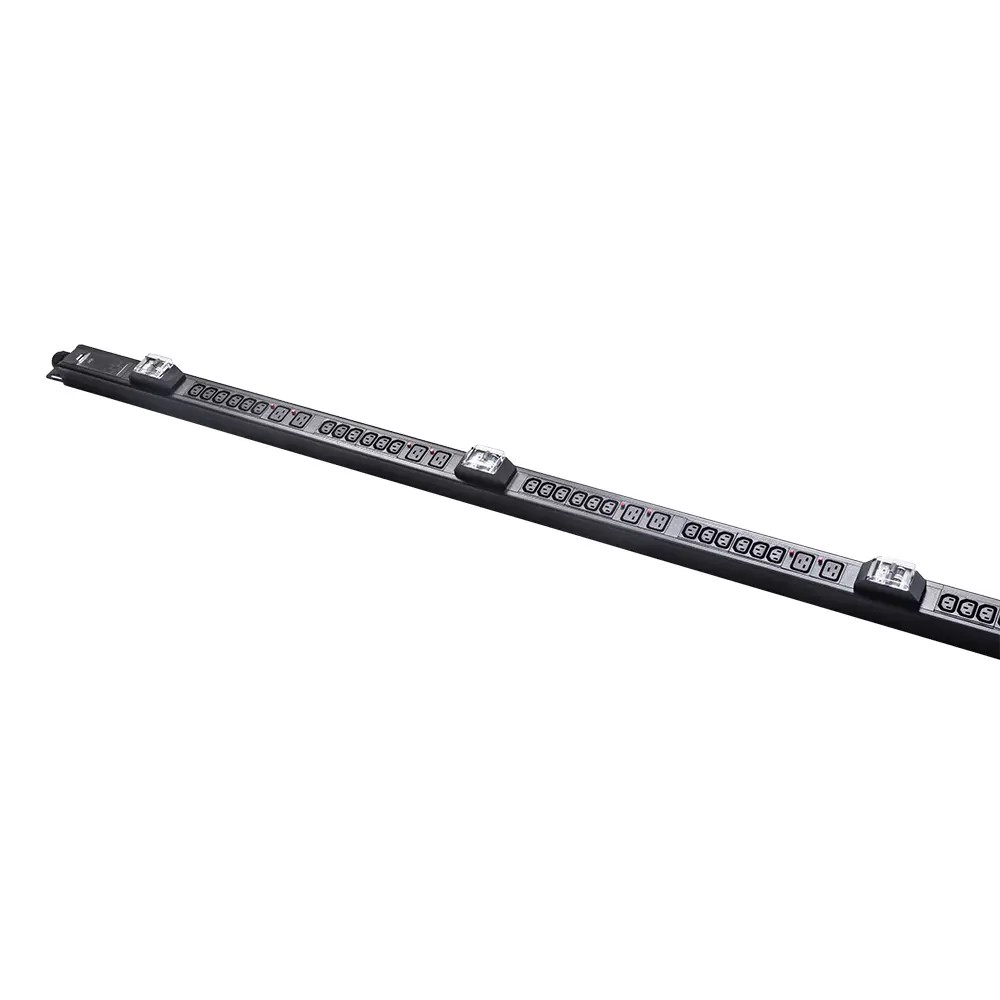
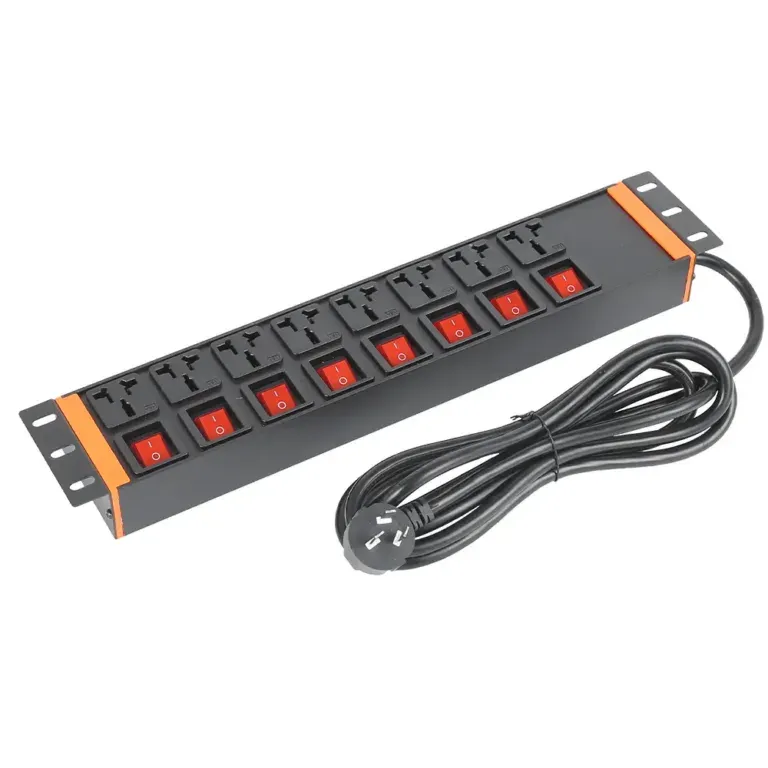
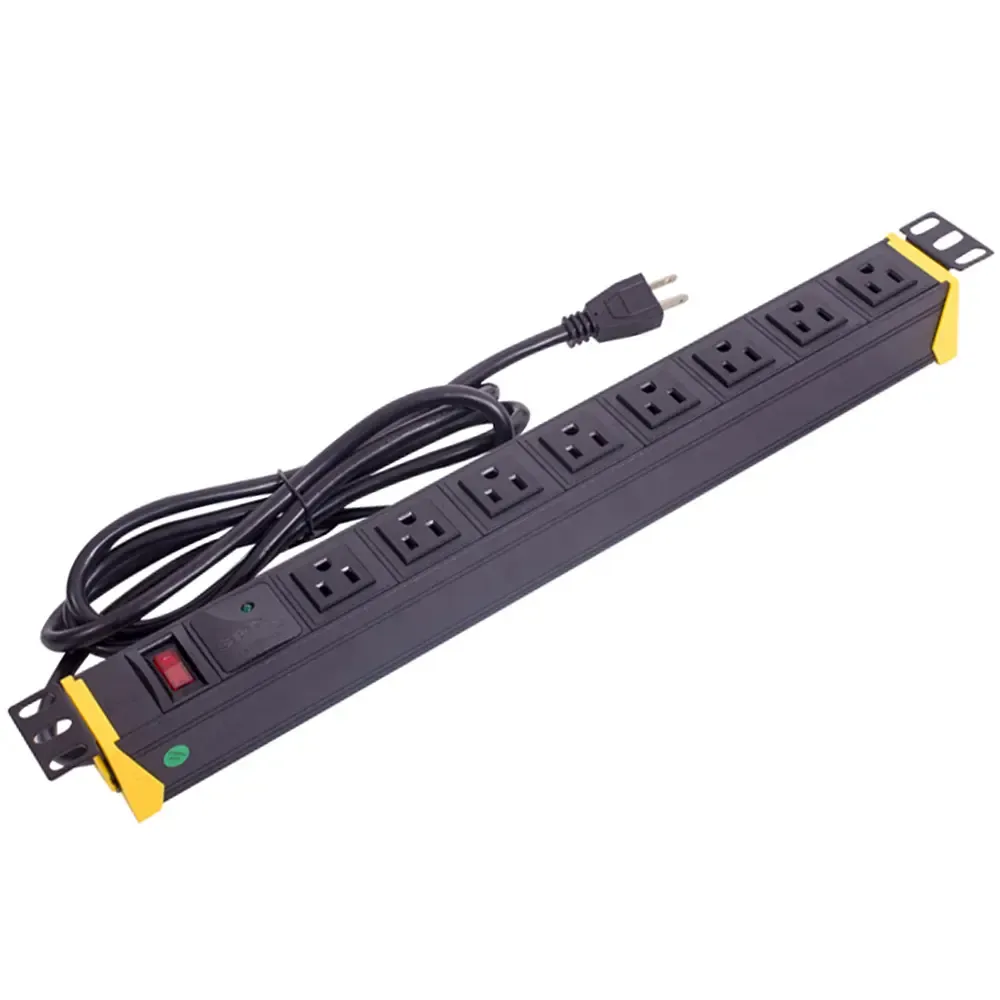
The price of an iPDU mainly depends on its monitoring and control capabilities, electrical configuration, power capacity, and outlet count. Typical pricing can be grouped into three tiers:
| iPDU Tier | Typical Price Range | Core Features | Best Use Case |
|---|---|---|---|
| Basic Monitored | $300–$800 | Remote power monitoring, environmental sensors, threshold alerts | Small server rooms and basic rack monitoring |
| Mid-Range Switched / Metered | $800–$2,500 | Outlet switching, energy metering, SNMP and DCIM integration | Enterprise racks and colocation facilities |
| High-End Enterprise | $2,500–$5,000+ | High-density three-phase power, advanced monitoring, analytics, and redundant power options | High-density and mission-critical data centers |
Different iPDU functions also affect the overall cost:
For buyers, the best-value iPDU is not necessarily the cheapest model. Choosing the right level of monitoring and control can help avoid paying for unnecessary features while still providing the visibility and remote management required for the rack.
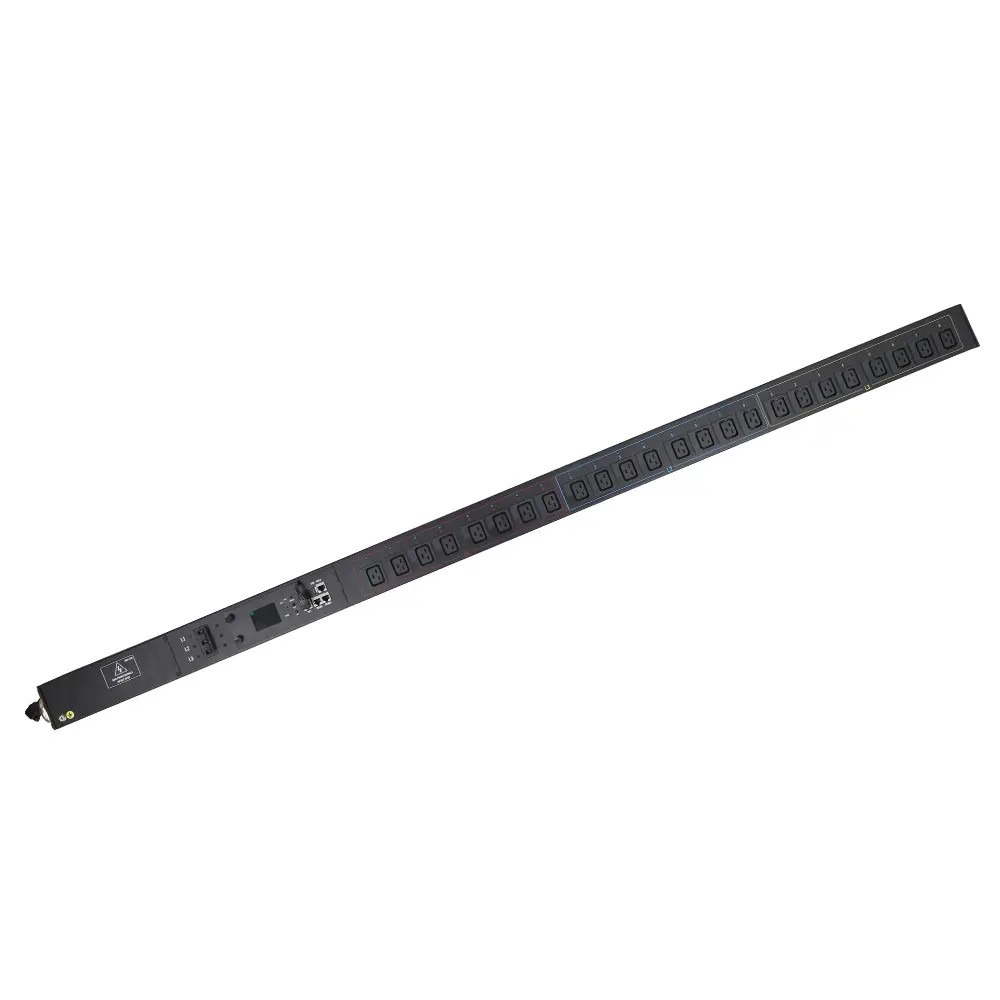
Beyond core functionality, these technical and regulatory factors have the largest impact on final price.
Higher power ratings require thicker copper busbars, upgraded thermal protection, and heavier-duty components, all of which increase manufacturing cost.
More outlets mean more internal wiring, individual sensing components (for metered models), and higher material costs.
Built-in network interfaces, processing chips, and firmware capabilities add cost. Advanced features such as REST API integration, custom alerting, and support for DCIM platforms increase unit pricing compared to basic SNMP-only models.
Reputable PDU manufacturers subject units to rigorous third-party safety testing, which adds to production cost. Common certifications include UL, cUL, CE, FCC, and UKCA, plus ISO 9001 quality management systems. Certified units carry a price premium but ensure reliable, safe operation for sensitive IT hardware.
Custom cord lengths, specialized outlet types, custom chassis colors, and OEM branding all increase per-unit cost. Large volume orders, however, typically qualify for bulk pricing discounts that reduce per-unit cost significantly.
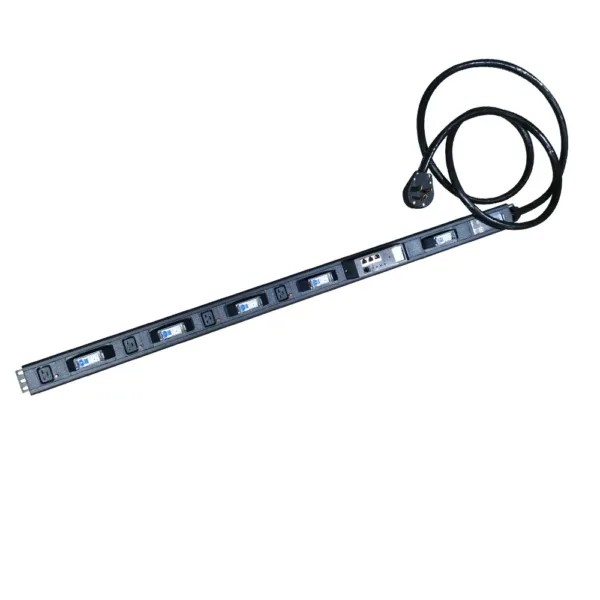
While iPDUs cost 3–5x more upfront than basic power strips, they deliver lower total cost of ownership over a standard 5-year service life.
| Cost Component | Basic Power Strip / Basic PDU | Intelligent PDU |
|---|---|---|
| Initial Hardware Cost | $150 – $300 per unit | $800 – $1,500+ per unit |
| On-Site Troubleshooting | $200+ per truck roll | $0 (remote reboot capability) |
| Capacity Utilization | Poor; 20–40% stranded power capacity | High; real-time data maximizes rack density |
| 5-Year Operational Risk | High risk of hidden overloads and unplanned downtime | Lower OpEx; fewer unplanned outages |
For most facilities, iPDUs deliver full return on investment in 13–36 months. Savings come from three sources:
For high-density AI deployments — where a single NVIDIA DGX A100 draws ~6.5kW across three circuits — per-outlet metering also prevents overload failures and thermal damage that would cause extremely costly downtime.
Match your iPDU tier to your deployment size and operational needs:
💡 Budget Tip: Start with metered or switched units for high-priority racks, and expand as budget allows. The largest savings come from eliminating the most frequent on-site service calls and identifying wasted power.
YOSUN offers a full line of certified intelligent PDUs across all price tiers, with customizable outlet configurations and bulk pricing options to fit diverse facility budgets.
iPDU pricing starts around $300 for basic monitored units, ranges from $800 to $2,500 for mid-range switched and outlet-metered models, and can exceed $5,000 for high-capacity, enterprise-grade three-phase units with redundancy.
Single-phase iPDUs generally cost approximately 35% less than comparable three-phase models. Three-phase units require more complex internal busbars and circuitry to handle higher power loads, which increases manufacturing cost.
iPDUs reduce costs in three key ways: remote outlet reboot eliminates $200+ on-site service trips; granular monitoring identifies wasteful idle servers; and real-time load data maximizes rack capacity utilization, delaying expensive infrastructure expansion. Most deployments achieve full ROI in 13–36 months.
The biggest price drivers are: per-outlet switching and metering functionality; three-phase high-power capacity; high outlet counts; third-party safety certifications (UL, CE, etc.); and custom OEM configurations such as custom cord lengths or specialized outlets.
Intelligent PDUs require a higher upfront investment than basic power distribution, but they deliver measurable, fast return on investment through reduced downtime, lower service costs, and improved energy efficiency.
The right iPDU for your budget depends on your deployment size, density, and remote management needs. For most enterprise and colocation facilities, mid-range switched or outlet-metered units strike the best balance of cost and long-term value.