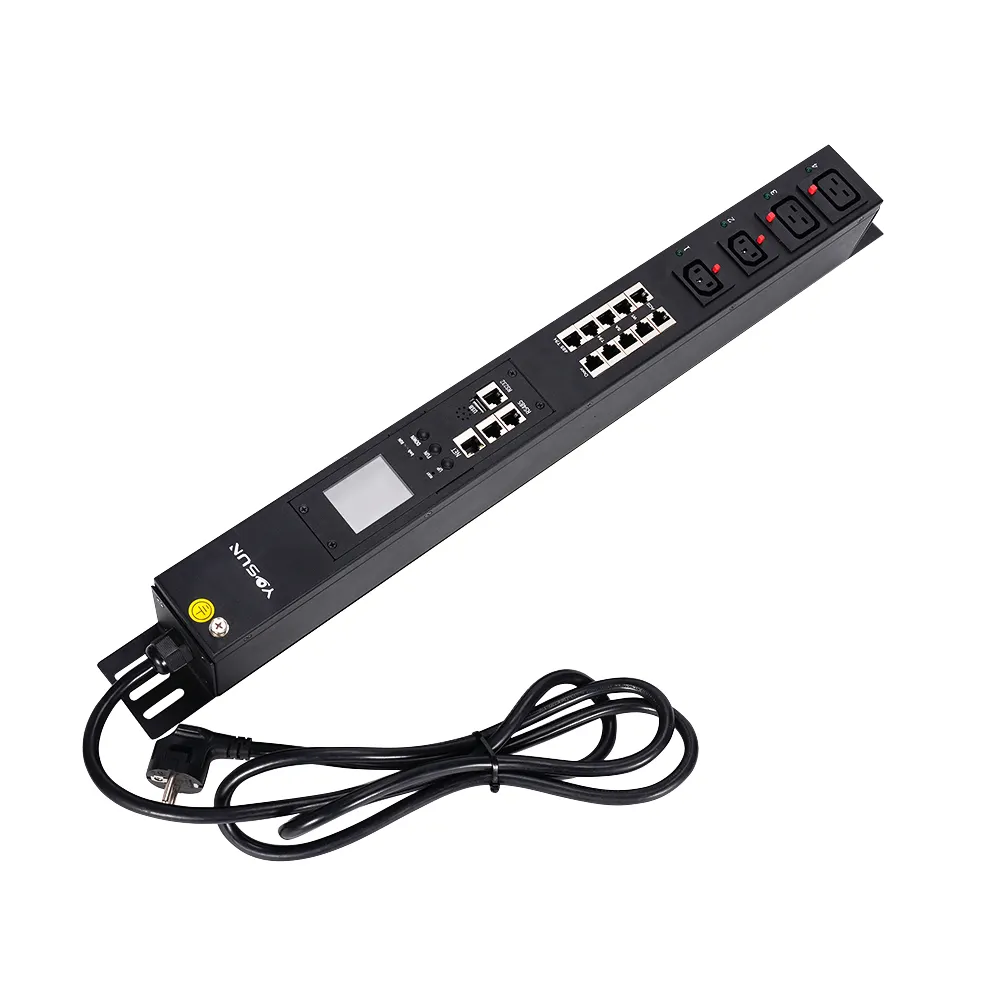
What is rack power distribution?
Even a short data center outage can cost tens of thousands of dollars per hour, and many of these failures are directly related to power...


+86 15867381241

The three main types of rack power distribution units (PDUs) are basic PDUs, metered PDUs, and switched PDUs. They differ in monitoring capabilities, remote control functions, and ideal use cases: basic models deliver simple power distribution, metered units add real-time load visibility, and switched PDUs enable remote outlet-level control. As rack power density grows, organizations upgrade from basic to advanced models for better oversight and uptime.
Below is a full breakdown of each type, their key features, and how to choose the right one for your data center.

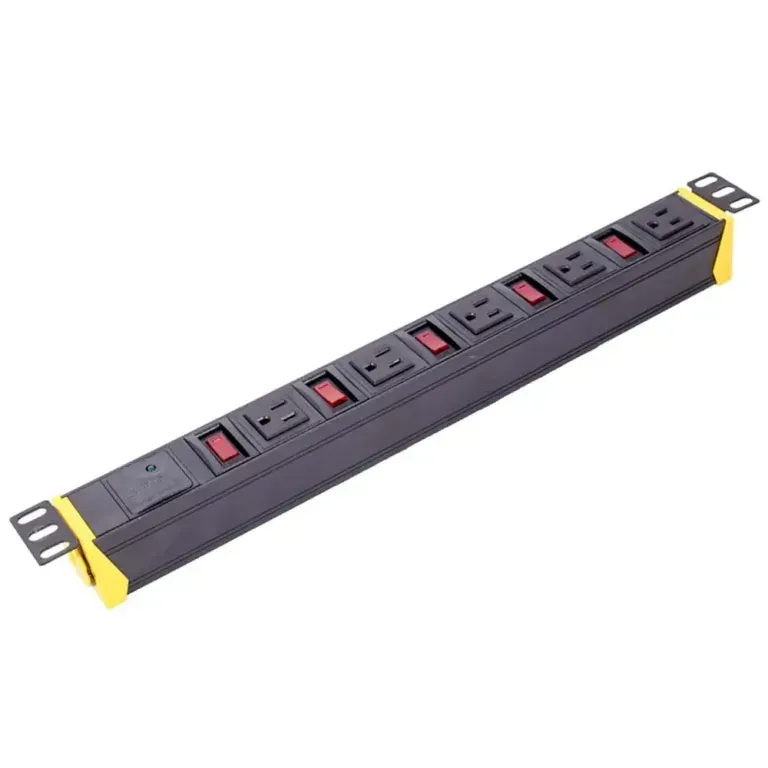
Basic PDUs are the simplest, most passive type of power distribution unit. They function like heavy-duty extension cords for IT equipment, routing power from a single source to multiple rack-mounted devices with no built-in monitoring or control capabilities.
YOSUN Basic PDUs offer customizable options including plug types (10A/16A, IEC C13/C19), shell colors, and cable lengths, with full safety certifications (CE, UL, RoHS) and 100% pre-shipping testing.
Basic PDUs work best in environments where staff have physical access to equipment:
They are not suitable for large, high-availability data centers, as they cannot provide load visibility or prevent overloads remotely.
Metered PDUs add built-in local metering to track real-time power usage at the rack level. They display current, voltage, and power metrics locally, giving operators visibility into load levels without extra software.
| Metric | Purpose |
|---|---|
| Voltage | Detects circuit imbalances that could cause overloads |
| Amperage / Current | Tracks actual draw to identify racks nearing capacity |
| Power Factor | Highlights power inefficiencies for rebalancing |
| kWh Consumption | Identifies long-term usage trends and supports energy reporting |
| Threshold Alerts | Sends automatic warnings when load approaches critical limits |
Standard metered PDUs only show metrics locally. Upgraded monitored PDUs add network-connected remote viewing and outlet-level granularity.
Metered PDUs are ideal for organizations that need load visibility but not remote control:
Studies show facilities using metered PDUs can reduce power waste by up to 20% through better load balancing.

Switched PDUs add individual remote outlet control, allowing administrators to power cycle devices from a web browser without physical access to the rack. This is the most capable and flexible of the three core types.
YOSUN Switched PDUs (part of its Smart product line) support single-phase and three-phase configurations for standard and high-density enterprise racks.
Switched PDUs are the standard for high-availability and distributed data centers:
They eliminate costly truck rolls for simple reboots, cutting downtime and operational expenses.
| Feature | Basic PDU | Metered PDU | Switched PDU |
|---|---|---|---|
| Power distribution | ✅ | ✅ | ✅ |
| Local power display | ❌ | ✅ | ✅ |
| Remote monitoring | ❌ | Optional (monitored variant) | ✅ |
| Remote outlet control | ❌ | ❌ | ✅ |
| Upfront cost | Low | Medium | High |
| Best for | Simple low-density racks | Load visibility & energy efficiency | Remote control & high uptime |
Market data from 2025 shows basic PDUs held the largest revenue share by volume, while switched PDUs captured 22% of the market. Intelligent PDUs (metered and switched combined) are projected to be the fastest-growing segment from 2026 to 2033.
Selecting the best PDU depends on three core factors:
YOSUN supports customers through a five-step process: demand analysis, design, production, testing, and after-sales support. With 30,000 units produced monthly across six assembly lines and 100% pre-shipping testing, they offer customized configurations for any data center environment.
Basic PDUs only distribute power with no monitoring features. Metered PDUs add a local display showing real-time current, voltage, and power usage, so operators can balance loads and prevent overloads.
Yes. Switched PDUs offer individual outlet control, so administrators can power cycle a single server from a web browser. This eliminates the need for on-site visits for simple reboots and reduces downtime.
Standard metered PDUs only show metrics locally via a built-in display. For remote viewing, you need a monitored or smart PDU variant, which adds network connectivity for remote access to power data.
Basic PDUs are the best fit for small server rooms with few racks, where staff have easy physical access to equipment. They are low-cost, require no network setup, and deliver reliable power.
Three-phase PDUs carry higher power loads, making them ideal for high-density server racks. Single-phase units work for standard lower-density racks. Both are available in basic, metered, and switched configurations.
The three types of rack PDUs — basic, metered, and switched — each solve distinct power management needs. Basic models deliver low-cost, reliable power distribution for simple setups. Metered units add load visibility for energy efficiency and overload prevention. Switched PDUs provide remote control to maximize uptime in high-availability and distributed environments. Match your choice to your budget, monitoring needs, and remote management requirements.