


© Copyright – 2010-2023 : All Rights Reserved. Sitemap
Power Distribution Unit PDU, rack mount PDU, PDU data center, Smart PDu, intelligent PDU
Power Distribution Unit PDU, rack mount PDU, PDU data center, Smart PDu, intelligent PDU


+86 15867381241
Crypto Mining PDU
A 400V container row, miners stacked to the ceiling, and one strip that has to carry them at rated load for years with no electrician on site. We build 0U vertical crypto mining PDUs from 24 to 54 outlets — metered to the rig, switched at the outlet, protected at the strip — and we confirm certification per destination market instead of promising it.
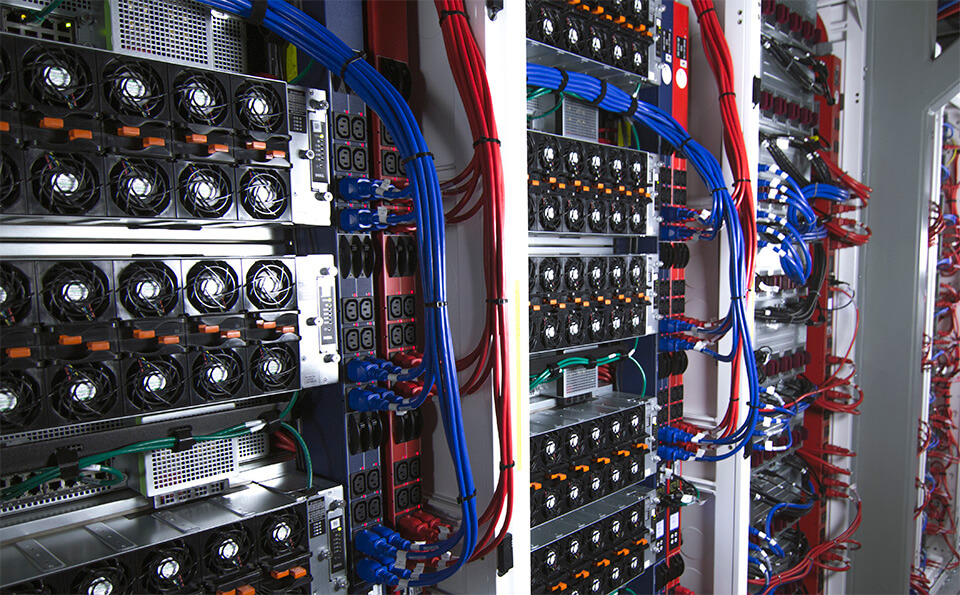
A crypto mining PDU, in plain terms, is a rack power strip sized for machines that draw rated wattage around the clock instead of servers that idle between jobs. That one difference decides the feed, the outlet count, the metering and the service plan in the five sections that follow.
An ASIC miner pulls its rated wattage from the moment it boots until it is retired, so every outlet behaves as a continuous load under NEC 210.20(A) rather than an intermittent one. That rule sizes the circuit at 125 percent of the continuous load, which is why the feed table in section 02 applies an 80 percent usable factor and why a 32A feed that looks generous on a nameplate carries 17.7 kVA of real mining load. Send the miner count and the PSU rating per row, and we return the amperage band for each strip.
A server room mixes 1U servers, switches and storage across one strip, so its draw moves with compute load; a mining row stacks dozens of identical PSUs that all pull at the same time. Outlet count, phase balance and per-rig metering replace the mixed-load assumptions a data center PDU is designed around, and a strip specified for servers trips on a mining row it was never sized for. For the mixed-load framing, see our server rack PDU.

Describe one mining row: miner model, PSU, feed phase.
We return the strip layout and the breaker plan for that row.
The feed decides the strip, not the other way round. A 400V container row, a 208V North American row and a single-phase starter room need three different input assemblies, and farms that specify the strip before the feed end up on adapter chains, derated rows and a breaker that trips every time the hall warms up.
| Feed | Plug / termination | Usable kVA at 80% |
| 400V 3-phase 32A | IEC 60309 32A | 17.7 kVA |
| 400V 3-phase 63A | IEC 60309 63A or hardwired | 34.9 kVA |
| 400V 3-phase 100A | Hardwired terminal block | 55.4 kVA |
| 208V 3-phase 60A | Hardwired terminal block | 17.3 kVA |
| 208V 1-phase 30A | NEMA L6-30P | 5.0 kVA |
| 230V 1-phase 16A | Schuko / BS 1363 / French | 2.9 kVA |
| 120V 1-phase 15A | NEMA 5-15P | 1.4 kVA |
| 120V 1-phase 20A | NEMA 5-20P | 1.9 kVA |
Usable kVA = V x A x 1.732 x 0.8 / 1000 for three phase, V x A x 0.8 / 1000 for single phase. Factor 0.8 is the 1/1.25 continuous-load margin of NEC 210.20(A). Computed on this page.
Three-phase input in 208V wye for North America and 230V/400V wye for Europe and Asia spreads a dense row across three legs, which is what keeps one leg from carrying the whole row while the other two idle. Under the 125 percent continuous-load rule a 400V 32A feed carries 17.7 kVA usable and a 400V 100A hardwired feed carries 55.4 kVA, both computed from the same formula in the table below. Choose a CEE plug where rows move, or a terminal-block hardwired input where the container is fixed and nobody should be able to unplug it.
Starter rooms, test benches and pilot containers arrive with wall receptacles already installed, so the strip has to meet the wall instead of the wall meeting the strip. Our single-phase strips run 120V or 230V at 16A to 32A, with plug families covering NEMA 5-15P/5-20P, CEE 16A, Schuko, BS 1363, French and Italian types.
Send your feed schedule: phase, voltage, breaker size.
We return the amperage band for each row with the 80 percent factor applied.
Rack units are the scarcest resource in a mining cabinet, and a horizontal strip spends them on power. That is why our standard mining chassis is 0U vertical, with 1U and 2U horizontal reserved for shallow cabinets, wall brackets and short containers where depth rather than U count is the constraint.
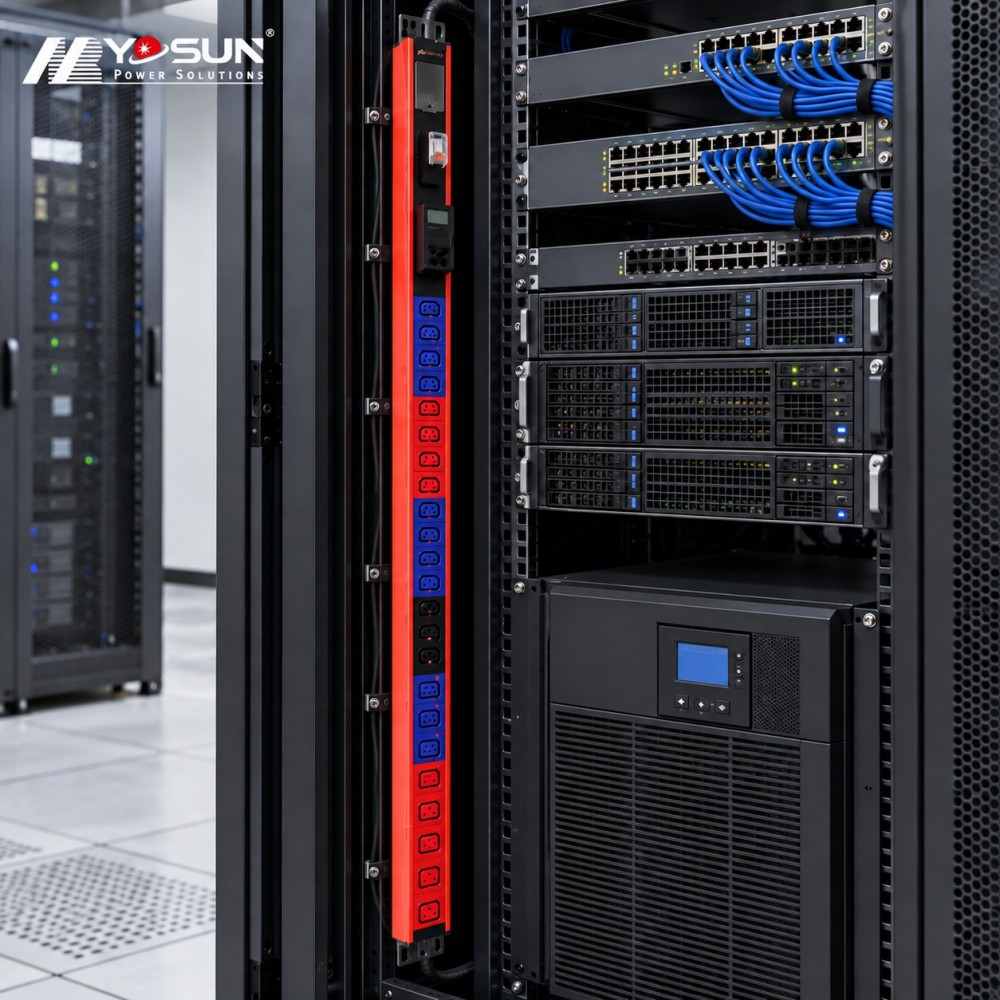
A 0U strip bolts to the rear posts and consumes no rack units, so every U in the cabinet goes to a miner instead of to power distribution. Mining configurations run 24, 36, 42, 48 and 54 outlets on vertical chassis, with lengths cut to the container height rather than to a standard 42U rack. For the full form-factor comparison, see our vertical PDU.
A shallow cabinet or a wall bracket has no depth for a full-height strip, and forcing one in leaves the rear posts unusable for cable management. For those rooms we build 1U and 2U horizontal strips; see our horizontal PDU.
Send the cabinet drawing and container height.
We return the strip length, bracket set and outlet pitch.
The outlet set is decided by the cords already hanging on your miners. Get the C13 to C19 ratio wrong and half the row runs through adapter blocks nobody can audit — forty warm connections in a container aisle, and no way to tell which one is heating.
ASIC and GPU PSU cords connect to IEC C13 outlets rated 10A/16A at 250VAC and C19 outlets rated 16A at 250VAC; we configure any mix of both in one strip. Conductive socket parts use copper alloy rated for 5,000 insertions, while the PC/ABS module body withstands temperatures above 120°C and meets UL94-V0 flame-retardancy standards—two key factors in socket life of container heat.
When a service tug pulls a cable, a C13 plug can slip out of a standard socket, rebooting the connected miner through its startup sequence while the rest of the row keeps running. Locking C13 and C19 outlets secure each cable to the strip, ensuring work on one rig cannot disconnect its neighbour or interrupt that adjacent machine's power connection during on-site service.
Farms built from mixed miner batches may have US, EU and UK cords along the same row, making three adapter types on one strip an impossible connection audit. Universal sockets accept different regional plug families in one strip, while housing or socket colors identify each phase, making imbalance visible before anyone needs to use a meter or inspect the electrical load manually at a glance, early.
Send one photo of the PSU cords you already run.
We return the C13/C19 ratio and the socket plan for the batch.
All four tiers share the same chassis platform, allowing farms to upgrade metering capabilities as operational needs evolve, without mechanical changes or additional mounting work. Choose the level of visibility your power billing requires, from basic distribution to individual rig monitoring.
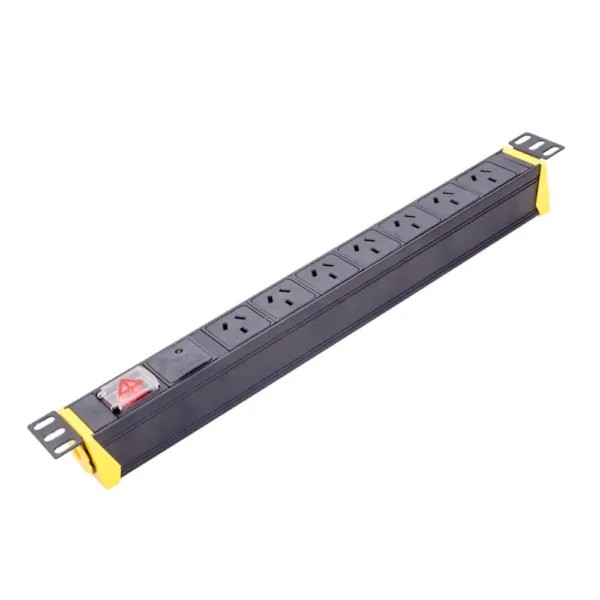
A basic power strip distributes electricity without metering, offering the lowest cost per outlet. Ideal for farms where incoming power is already metered centrally.
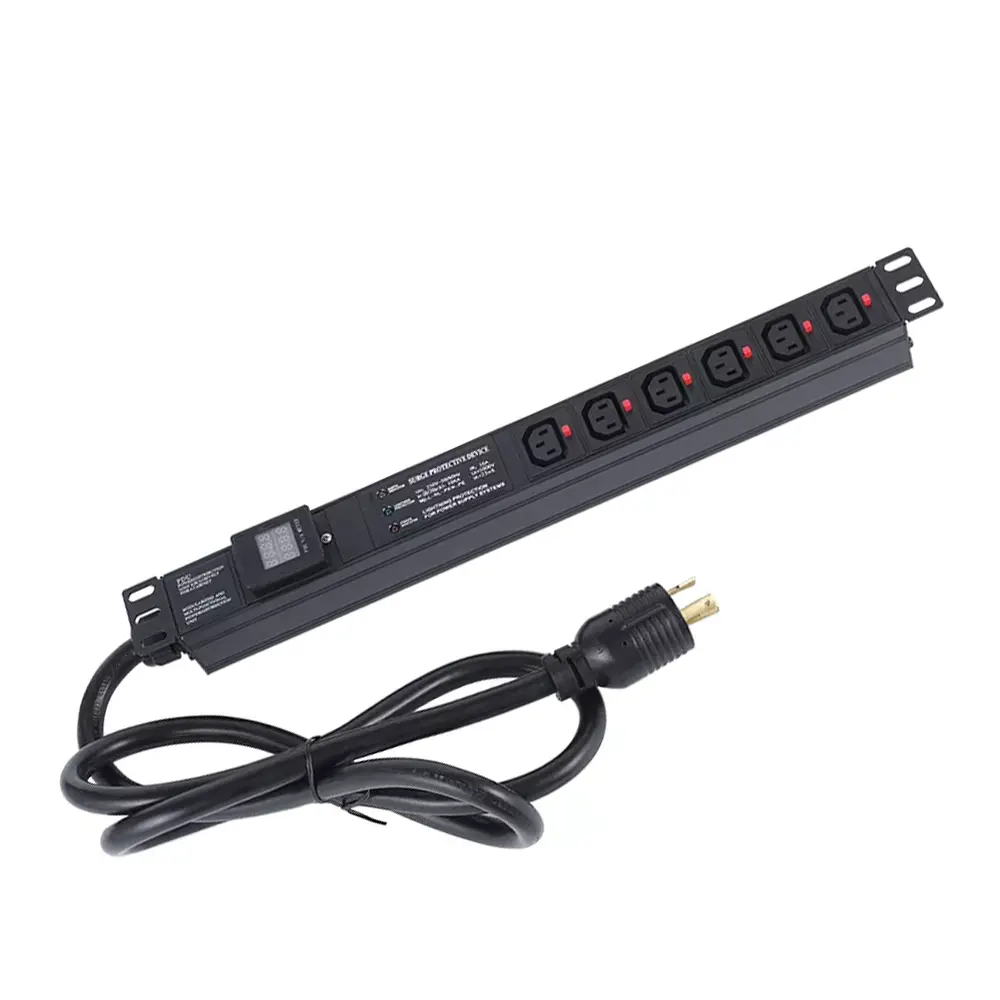
Input metering tracks voltage, current, and energy across the entire strip, providing clear monthly power consumption data for row-level cost accounting.

Outlet-level metering tracks each rig’s energy consumption, with intelligent models delivering 1% measurement accuracy for precise miner comparisons and power cost analysis.
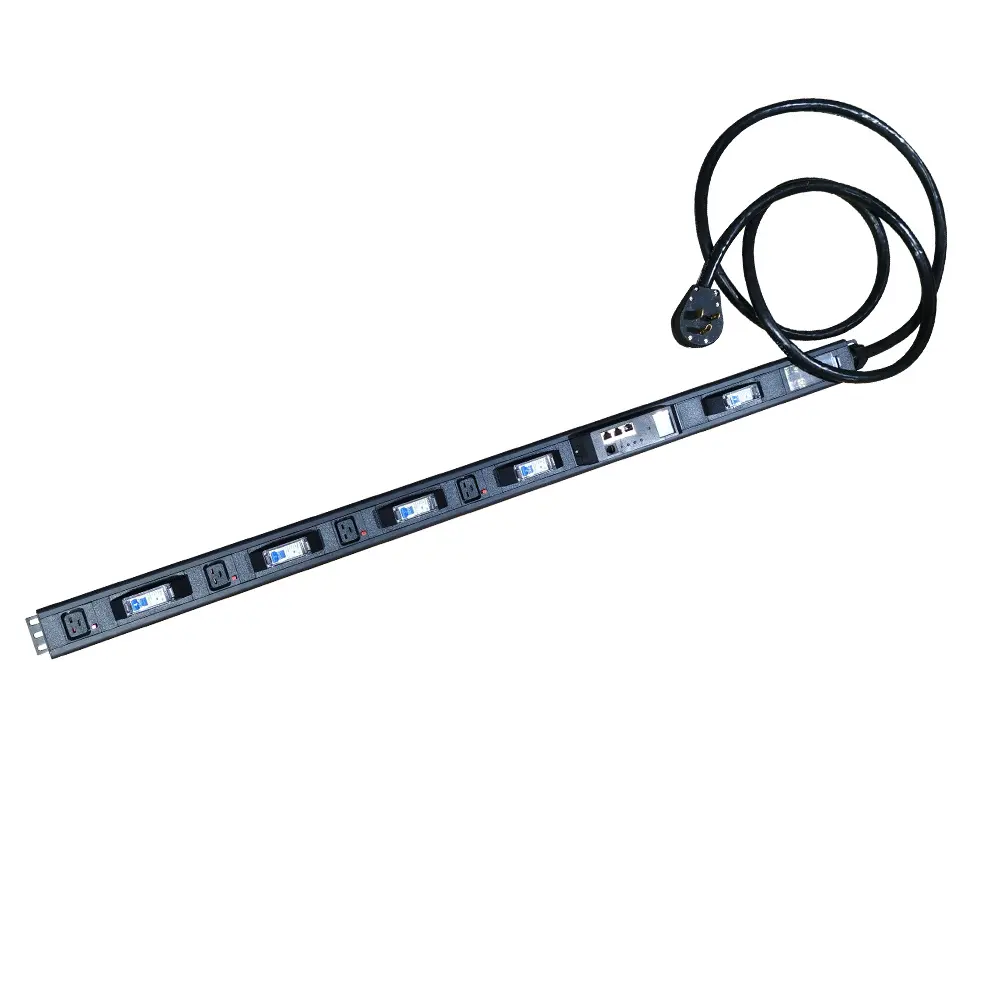
Network monitoring enables remote access to strip-level operating data, allowing farm operators to check power status and consumption without opening container doors.
Which tier answers which question on the farm floor.
| Question on the farm floor | Tier that answers it | Data you get |
| What does this row cost per month? | Metered input | Strip kWh, voltage, current |
| Which rigs drifted off their power baseline? | Metered by outlet | Per-outlet kWh at one percent accuracy |
| Is the feed balanced across the three phases? | Metered input, three phase | Per-phase current |
| Is the strip still alive in container 12? | Monitored | Network status, remote read |
Tell us whether you bill rigs or bill rows.
We return the tier that matches your metering scope.
Two uptime costs dominate a mining farm: a hung miner nobody can reach, and a strip that needs service while the row is still earning. Both are decided at specification time — the reboot path when you choose the tier, the service path when you choose the bypass — and neither is decided at three in the morning.
A hung ASIC keeps drawing power and stops submitting shares, and the only cure is an outlet cycle. A switched PDU performs that cycle per outlet from the farm office, the web UI or the API, with sequenced power-up delays so a container repower arrives as twelve staggered inrushes instead of one.
A failed controller used to mean powering down a live row to swap one board. Our smart controllers are hot-swappable, and bypass formats carry the load across strip maintenance, UPS battery work or a new UPS installation. See our hot swap PDU for the maintenance formats.
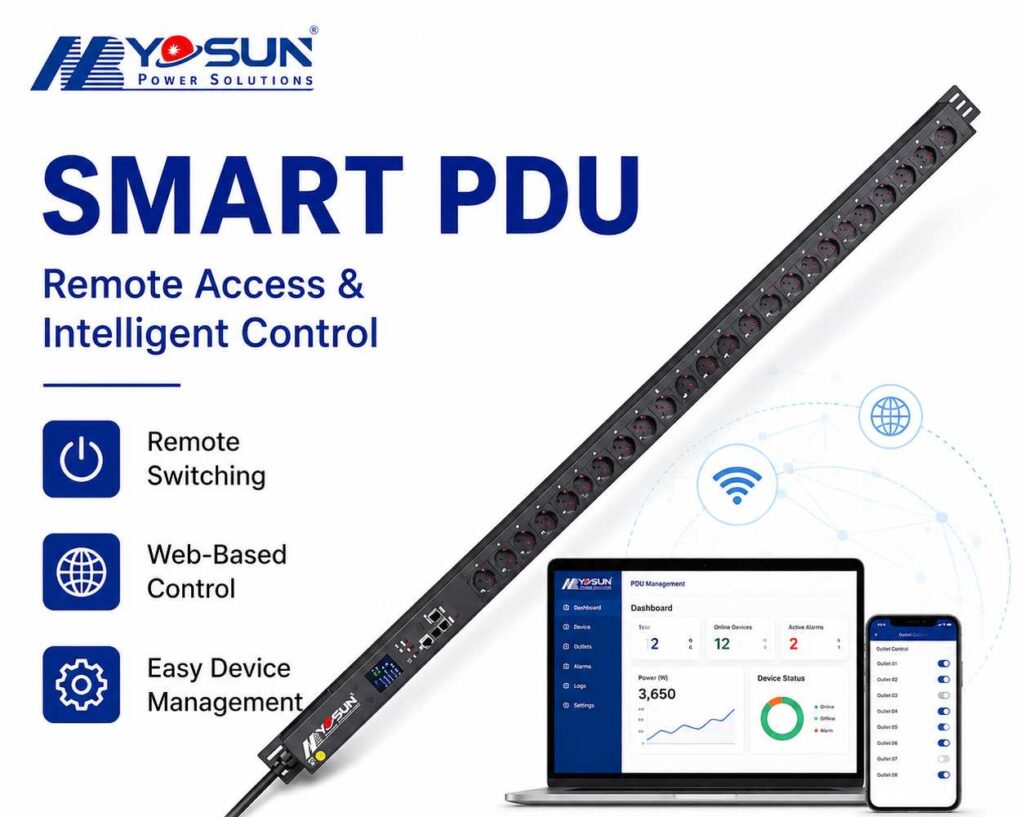
Tripped, hung or mid-service? Send the row layout.
We mark which outlets switch and where the bypass sits.
Send one SKU number or a competitor part number.
We return the matched configuration with the evidence pack.
Mining PDU protection should be configured around actual operating conditions, not limited to a fixed standard setup. For mining applications involving continuous high loads, we offer a range of protection modules that can be flexibly selected and integrated into the PDU according to your electrical requirements, circuit configuration, and installation environment.
From circuit breakers and earth leakage protection to surge protection and alarm modules, each PDU can be customized with suitable protection components to provide reliable circuit protection, convenient isolation, and enhanced operational safety.
| Device | Rating | Role in a mining row |
| Hydraulic-magnetic breaker | 10A to 125A | Branch or main protection on heavy strips |
| MCB, C curve | C10 / C16 / C32 / C63 | Outlet-group protection and isolation |
| Earth leakage breaker | C10 to C63 | Fault-to-earth trip in damp containers |
| Surge protector module | 4.5kA / 6.5kA / 10kA | Clamps grid and lightning surges at the strip |
| Two-pole master switch | Strip rated | Full-strip isolation behind a cover |
| Buzzer alarm module | DC 24/36/48V, AC 110/220V | Audible alarm on trip events |


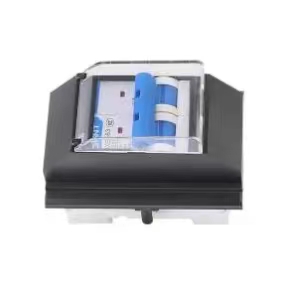

Send your upstream breaker and SPD layout.
We check selectivity down to each outlet group.
Managing hundreds of PDUs across multiple mining containers requires more than individual device monitoring. A reliable centralized monitoring solution helps operators simplify network management, improve operational visibility, and reduce the need for on-site inspections.
We provide flexible SNMP PDU networking and cascade solutions tailored to different mining farm sizes, network topologies, and monitoring requirements. Whether you are deploying a new mining facility or upgrading an existing infrastructure, we can help configure a communication architecture that connects your PDUs to a centralized monitoring system.
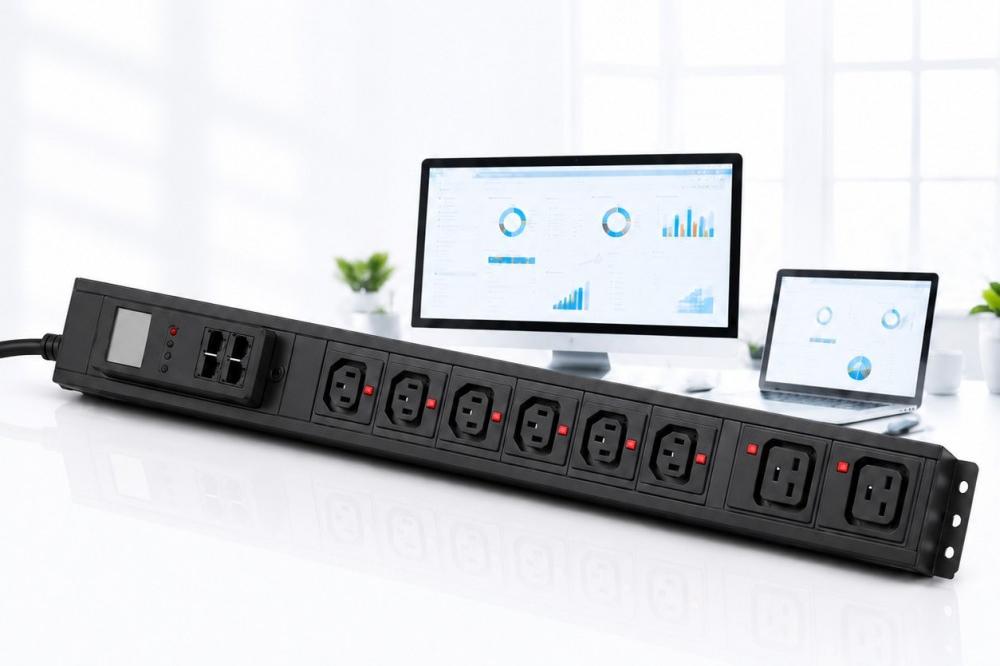
Our intelligent PDU solutions support multiple communication protocols, including SNMP v1/v2c/v3, HTTP/HTTPS (SSL), TELNET, SSH, RS-485, and API integration, with MQTT available for IoT applications.
Based on your existing monitoring infrastructure and software requirements, we can recommend suitable communication methods and integration configurations. This allows mining operators to incorporate PDU monitoring into their existing DCIM or centralized management platforms, avoiding unnecessary standalone monitoring systems. Learn more about our SNMP PDU solutions.
Send your farm topology: containers, switches, IPs.
We return the cascade plan per building.
We are a manufacturer, not a trading desk. Tooling, injection moulding, assembly and test run in one plant.
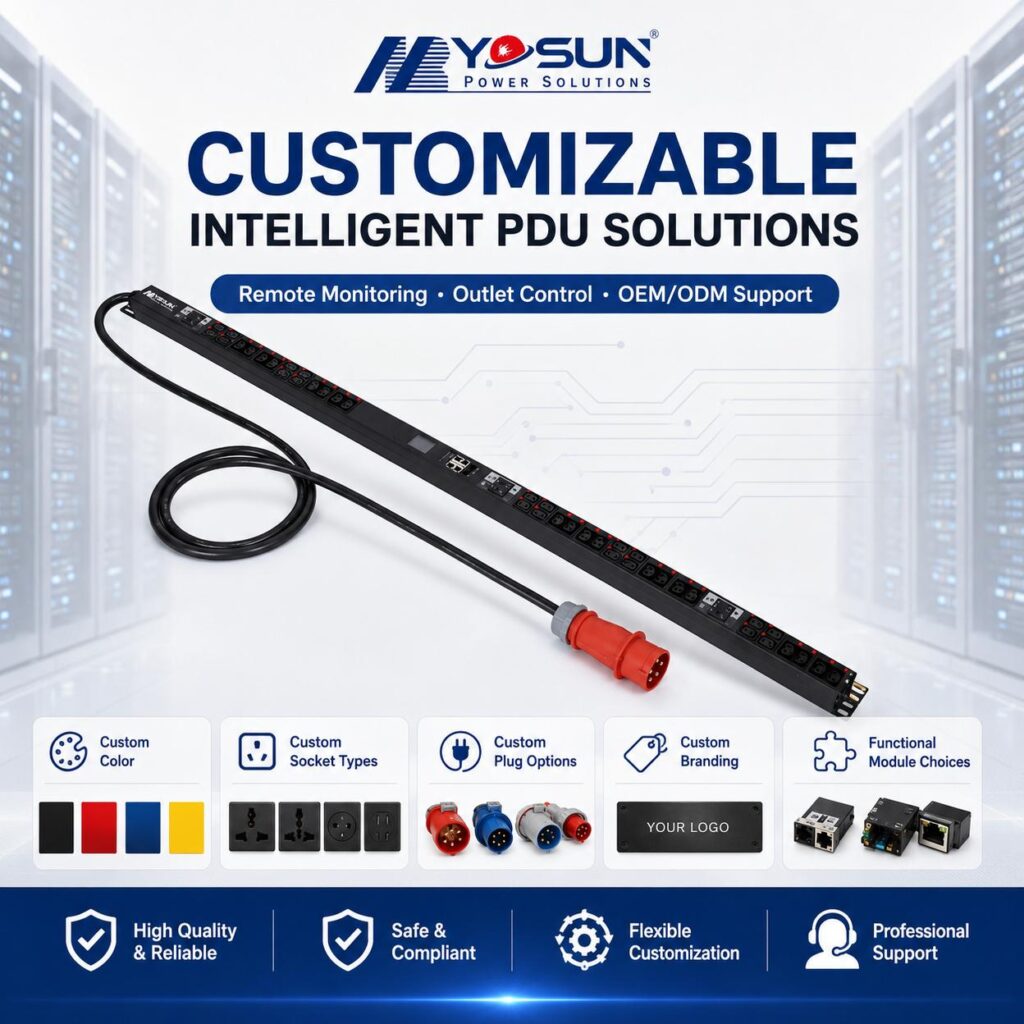
YOSUN has built power distribution products for more than 20 years. Six assembly lines run alongside in-house injection moulding and laser processing. Housing colour and outlet blocks are made on site, which shortens a custom build.
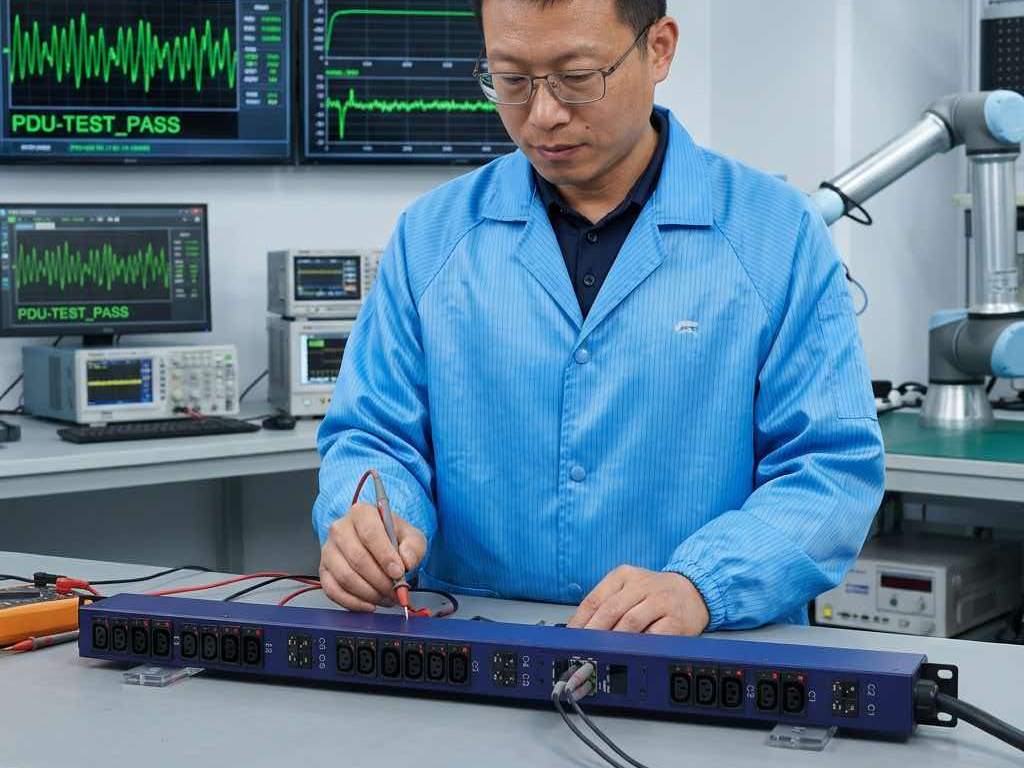
A ten-person R&D team converts a rack drawing into a buildable configuration. Our own lab runs incoming and final test on high-accuracy instruments. The copper busbar is welded in one piece without solder, which keeps joints cool under load.

Every unit goes through aging, high-current load and metering calibration before shipment. Test data travels with the shipment documents. The connector block is isolated 270° from the aluminium housing, so a loose strand cannot reach the chassis.
Products ship to the United States, Europe, Russia, the Middle East, India, South East Asia, Australia and Africa. Private-label programmes cover logo, housing colour, packaging and manuals. We also supply telecom PDU projects for domestic carrier infrastructure, where reliability requirements are strict.
Custom starts from your rack drawing and your destination market, not from our catalog page. We run the project from drawing to pilot container, and certification follows each confirmed configuration — the sequence is fixed, the lead time is not.
Length, width, housing color, 0U or 1U form, 360-degree rotatable panel
C13/C19 ratio, locking sockets, universal sockets, input plug or hardwired termination
Phase, current rating, breaker set, bus bar loading to 125A
Monitoring firmware, web UI branding, SNMP/HTTP/Modbus protocols, interface language
You send the rack spec, drawing or competitor part number.
→ We return a clarification list.
We check phase, load, input, outlets and protection.
→ 2D drawing and configuration sheet.
We build one or two units on the confirmed configuration.
→ Sample with test data, a few weeks.
You approve the sample; we run the route for your market.
→ Certificate and DoC.

Bulk build with first-article inspection.
→ 30–45 days, with the document pack.
Send target market, phase and load, input, outlets, monitoring level.
A custom mining PDU build is quoted within 24 hours, protection options included.
Core intelligent and three-phase models carry UL 62368-1, CE (LVD + EMC) and RoHS certificates, and we provide certificate numbers and test reports. BIS, PSE, INMETRO and SASO/Saber support is arranged for other destination markets on order. Certification is confirmed per model and market, so pair it with your three phase PDU specification.
Single-phase strips run 120V or 230V at 16A to 32A and suit starter rooms and test benches. Three-phase in 208V wye (US) or 230V/400V wye (EU/Asia) carries dense rows with better phase balance. Start from our single phase PDU shortlist, or send the row density and we recommend the phase.
We customize outlet type and ratio, outlet count, phase and current, 0U or 1U format, input plug and locking sockets. Intelligent models take monitoring firmware, web UI branding, SNMP/HTTP/Modbus protocols and interface language. Private label runs on our rack PDU platform with your logo and packaging.
Intelligent models measure per outlet at one percent accuracy. Input-level metering covers strip totals when you bill rows instead of rigs. Pair the accuracy spec with our metered outlet PDU tier.
MOQ starts small for stock specifications, with better pricing at full project volume. Samples take a few weeks and bulk orders run 30 to 45 days, depending on certification and customization. Warranty is 24 to 36 months.
A switched PDU cycles any outlet from the farm office, the web UI or the API. Sequenced power-up delays prevent a container-wide inrush at repower. See the switched PDU tier for per-outlet control.
ASIC and GPU PSU cords land on IEC C13 and C19 outlets in any ratio. Locking sockets prevent accidental disconnection during service and rework. Browse the IEC 320 PDU family for socket details.
SPD modules are designed to the IEC surge-protection standard and clamp grid events including lightning. Modules come in 4.5kA, 6.5kA and 10kA ratings.
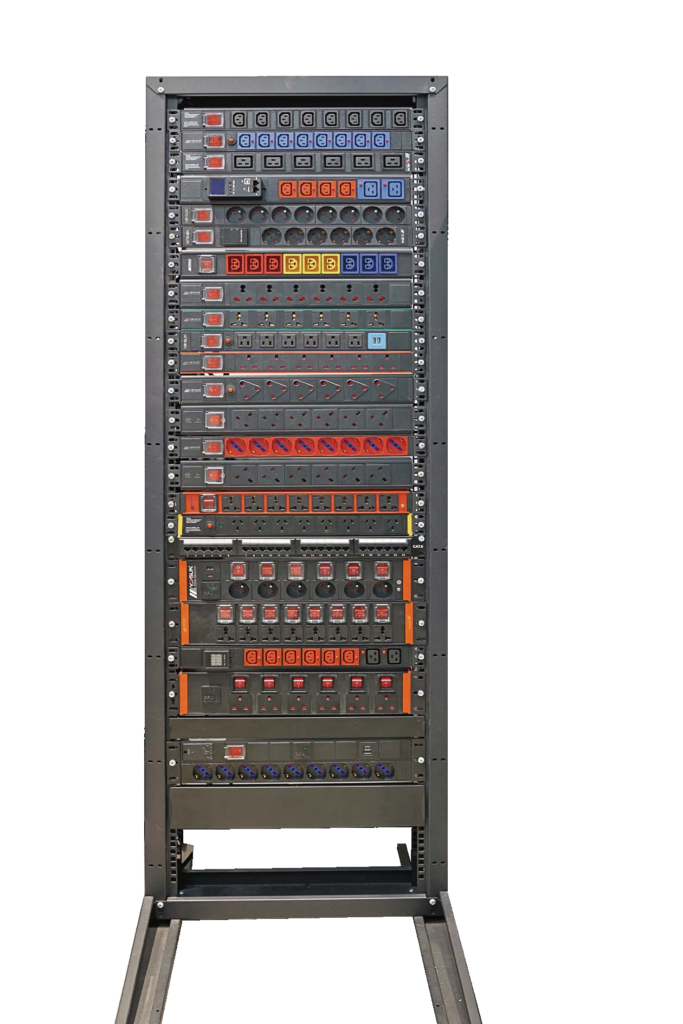
A Professional And Leading Manufacturer
For OEM
& ODM Power Distribution Unit (PDU)
You Can Trust
CONTACT
Ningbo YOSUN Electric Technology Co., LTD
Leading Professional Manufacturer in PDU Power Solutions
Contact Info.
Leave Your Message