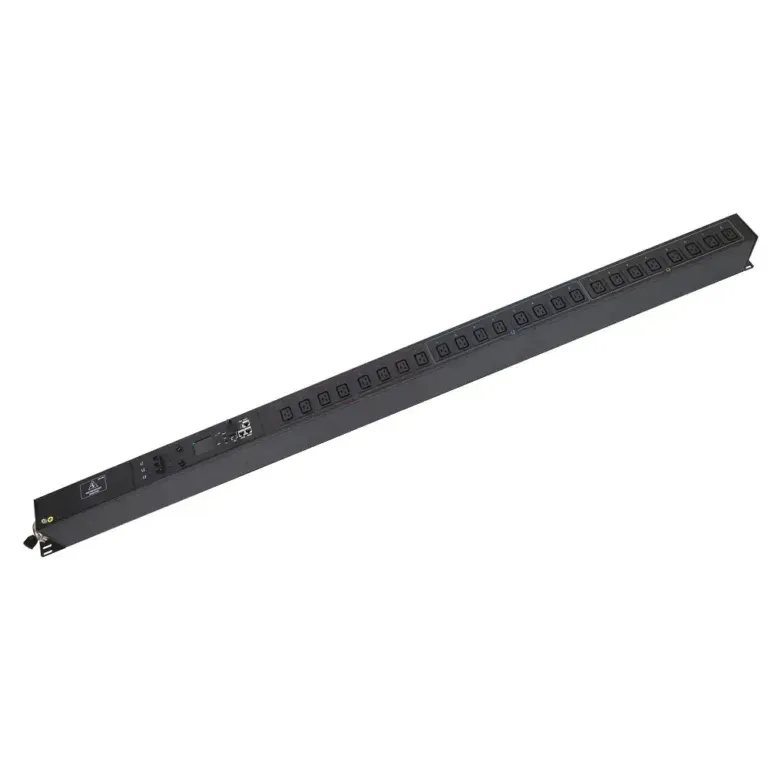
Top 10 Data Center PDU Manufacturers for 2025
Explore the top 10 data center PDU manufacturers for 2025, offering innovative, energy-efficient solutions to optimize power distribution and reliability.


+86 15867381241
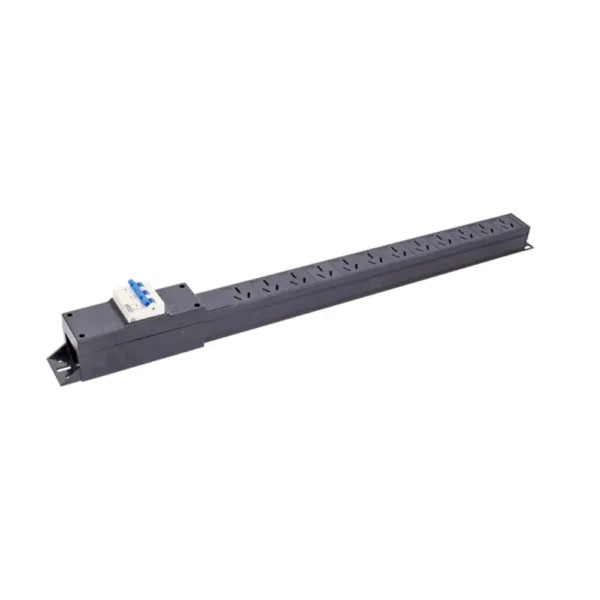
3 phase power distribution is an electrical system that uses three AC electrical phases operating 120 degrees apart to deliver stable, efficient, and high-capacity power. It is widely used in industrial facilities, data centers, manufacturing plants, and large commercial buildings where reliable power distribution is critical.
Compared with single-phase systems, three-phase power provides greater efficiency, higher power capacity, and more balanced electrical loads, making it the preferred solution for modern high-power applications. This guide explains how 3 phase power distribution works, its main advantages, and why it has become the industry standard for commercial and industrial power systems.
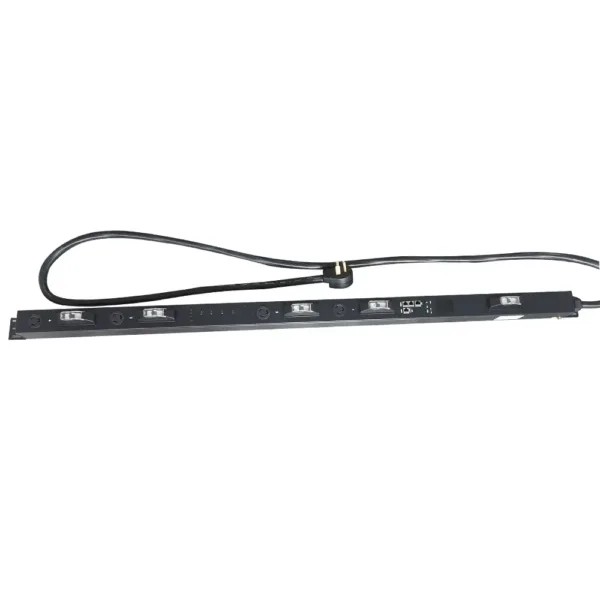
Single-phase power uses one live wire and one neutral wire to deliver electricity. It is standard for residential homes, powering lights, appliances and small electronics.
Three-phase power uses three live wires (often plus a neutral wire) to deliver power. It is designed for high-power applications where consistent energy is critical.
| Characteristic | Single-Phase Power | Three-Phase Power |
|---|---|---|
| Typical Voltage | 120V/230V | 208V, 240V, 400V, 480V |
| Power Delivery | Fluctuates between 0 and peak | Constant, steady power |
| Motor Efficiency | Lower, motors vibrate more | Higher, motors run smoother |
| Load Capacity | Up to ~5kW per circuit | Up to hundreds of kW per circuit |
| Best For | Homes, small offices | Factories, data centers, hospitals |
The biggest advantage of three-phase power is its constant power delivery. Single-phase voltage rises and falls in a single wave, causing power fluctuations. Three-phase power has three overlapping waves, ensuring power is always available at peak levels.
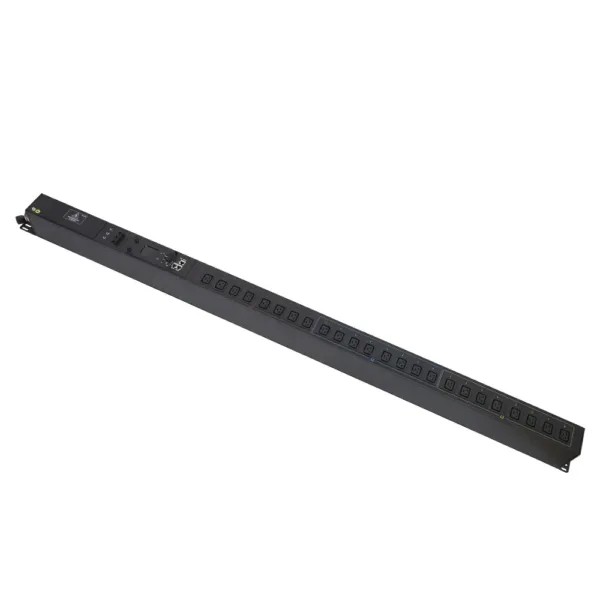
A three-phase generator produces three separate AC currents, each shifted by 120 degrees from the others. This means when one wave is at zero, the other two are at peak levels, resulting in continuous power flow.
This constant power is especially important for electric motors. Three-phase motors do not require additional starting capacitors and run much smoother and quieter than single-phase motors.
The most critical aspect of three-phase power is load balancing. By distributing electrical loads evenly across the three phases, you can:
Unbalanced loads cause neutral current, increased energy costs and can damage sensitive electronic equipment.
Three-phase systems use two main wiring configurations:
Three-phase power delivers 3x more power than single-phase using only 1.5x more copper wire. This significantly reduces material costs for wiring and installation.
For example, a 30kW server rack requires only 42A with 400V three-phase power, compared to 125A with 230V single-phase power. This means thinner wires, smaller circuit breakers and lower overall installation costs.
The constant power delivery of three-phase systems eliminates voltage fluctuations that can damage sensitive electronics. This is critical for data centers, hospitals and industrial facilities where even a momentary power interruption can cause millions in losses.
Three-phase power is the only practical way to power large motors, pumps, compressors and HVAC systems. It provides the high starting torque and constant power that heavy equipment requires.
Virtually all industrial facilities rely on three-phase power to run:
Hospitals, shopping malls and office buildings also use three-phase power for elevators, lighting systems and central air conditioning.
Data centers are the fastest-growing users of three-phase power, driven by the increasing power demands of high-density server racks.
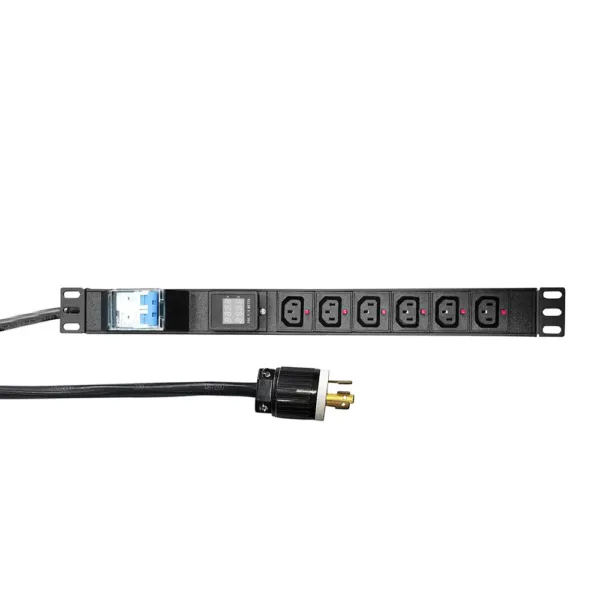
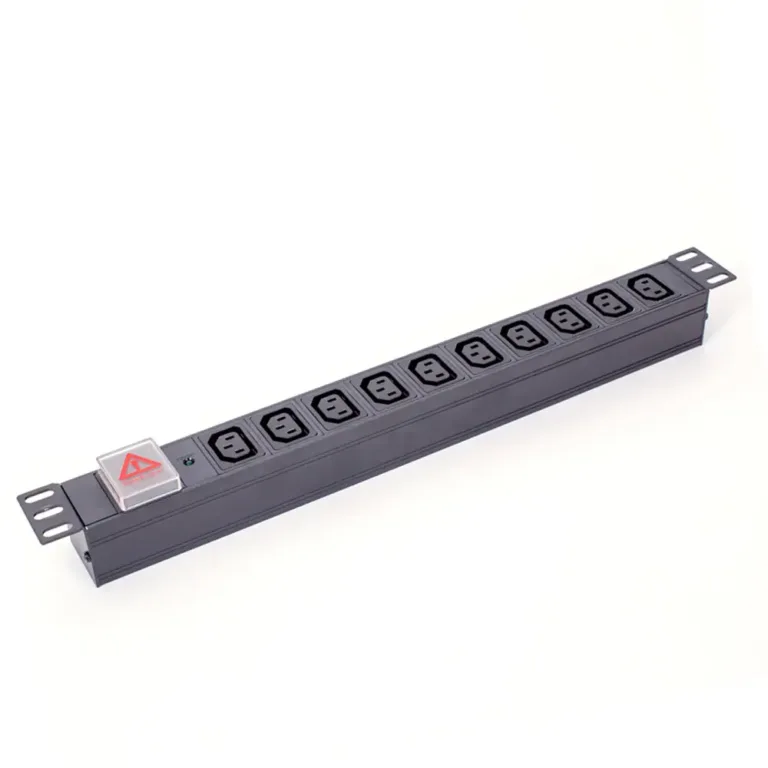
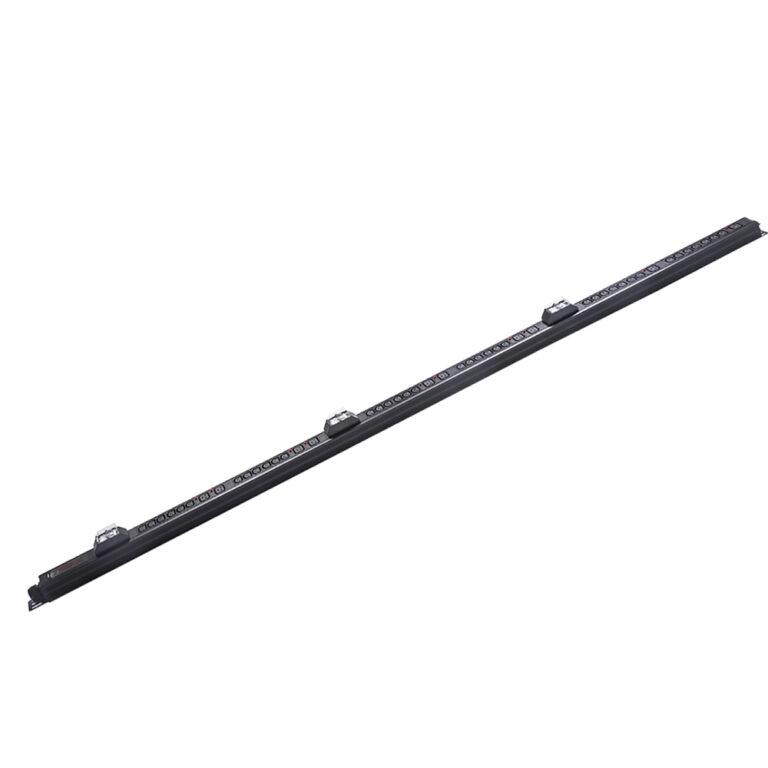
Three-phase Power Distribution Units (PDUs) are the critical link between the main power supply and IT equipment. They offer several key advantages over single-phase PDUs:
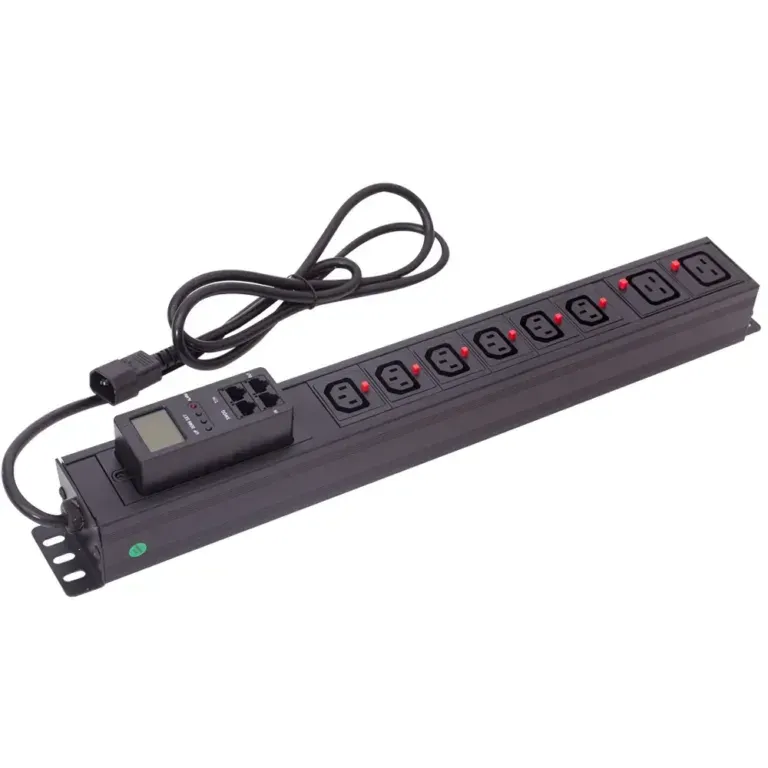
Modern intelligent three-phase PDUs also provide real-time power monitoring, remote control and energy management features, helping data centers optimize energy usage and reduce downtime.
Three-phase power is the standard for renewable energy systems including:
It allows for efficient integration of renewable energy into the grid and provides stable power for off-grid applications.
Three-phase power distribution is the foundation of modern industrial and commercial electrical systems. Its high efficiency, reliability and capacity make it essential for factories, data centers and renewable energy projects.
As a leading manufacturer of three-phase PDUs, NBYOSUN offers a full range of intelligent power distribution solutions designed for high-density data centers and industrial applications. Our three-phase PDUs feature advanced load balancing, real-time monitoring and remote control capabilities, ensuring safe and reliable power management. Contact us today to discuss your three-phase power distribution needs.
The main benefit is constant, uninterrupted power delivery with no voltage fluctuations. This makes it ideal for high-power equipment and critical applications where reliability is essential.
Most homes use single-phase power. However, large homes with electric heating, central air conditioning or home EV chargers may benefit from three-phase power.
A three-phase PDU is a power distribution unit designed to distribute three-phase power to IT equipment in data centers. It provides higher power capacity and better load balancing than single-phase PDUs.
Wye wiring uses a neutral wire and provides both high and low voltage, making it suitable for mixed loads. Delta wiring uses only three live wires and provides higher current capacity for heavy machinery.
You need three-phase power if you have equipment that requires more than 5kW of power, or if you experience frequent voltage fluctuations or circuit overloads with single-phase power.