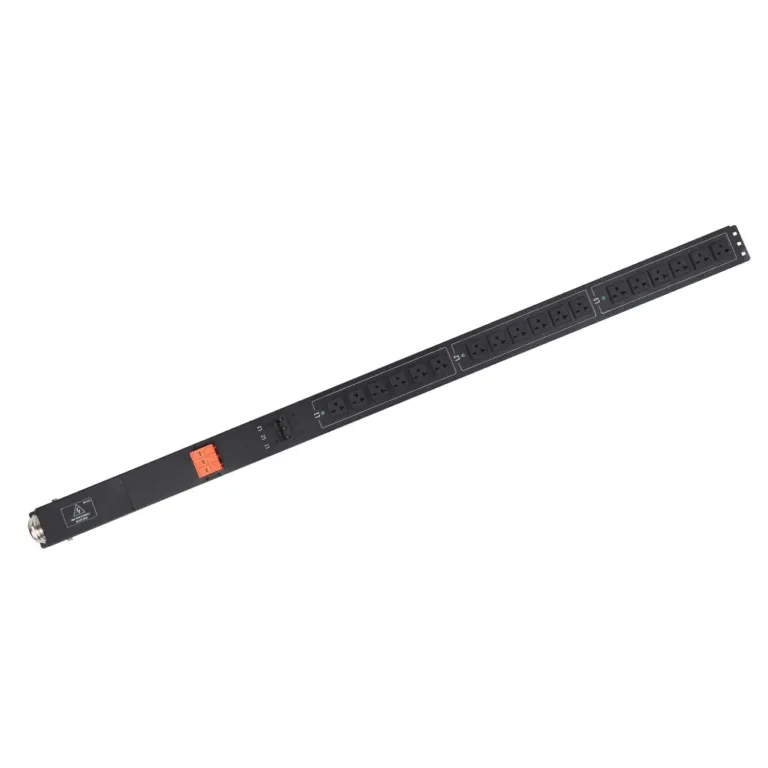
What Are the Applications of 3 Phase PDU vs Single Phase
Compare 3 phase PDU vs single phase to understand their applications. Learn how 3-phase suits high-density setups while single-phase fits low-power needs.


+86 15867381241
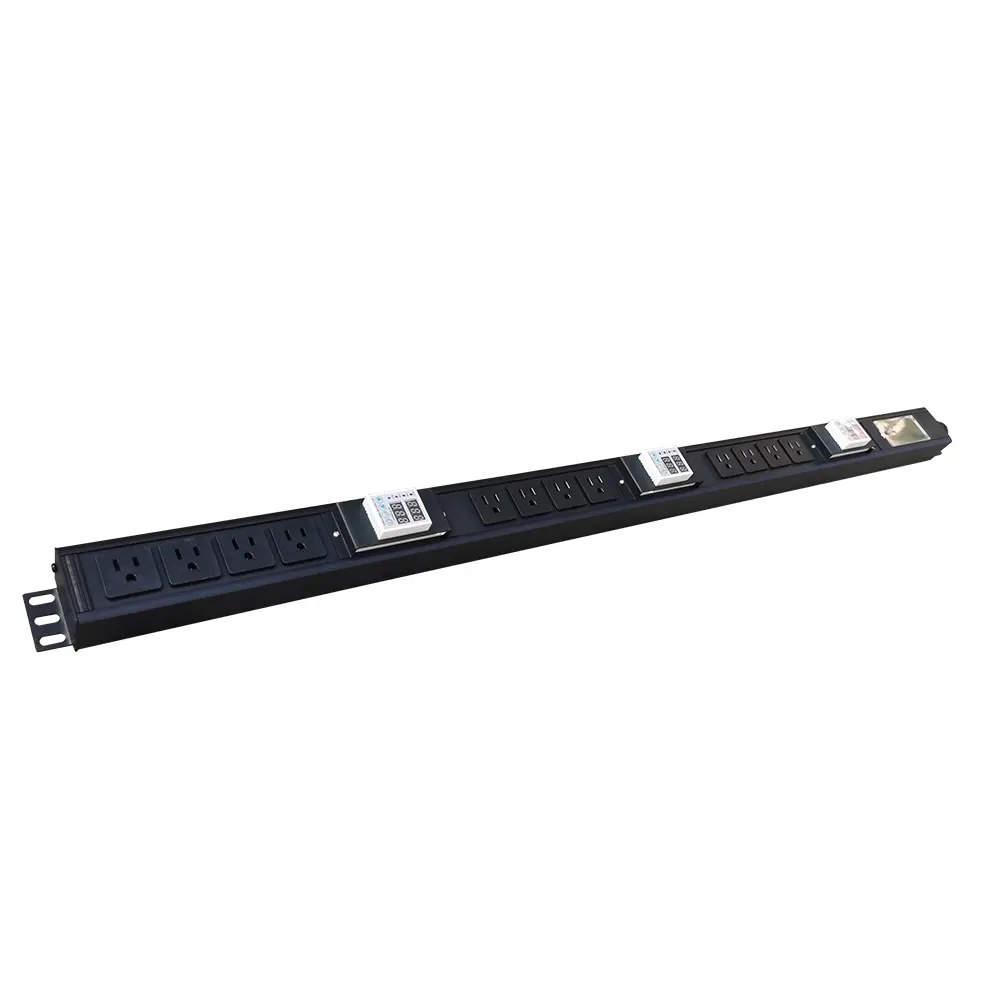
Yes, you may need a power distribution unit (PDU) if your setup includes multiple devices, high power loads, or equipment that requires reliable uptime. Unlike a standard power strip, a PDU is designed for servers, network equipment, AV systems, and other critical applications that need safer and more organized power distribution.
PDUs are commonly used in data centers, server rooms, industrial environments, and rack-mounted systems. Features such as circuit protection, remote monitoring, load balancing, and redundant power support help improve reliability and simplify power management.
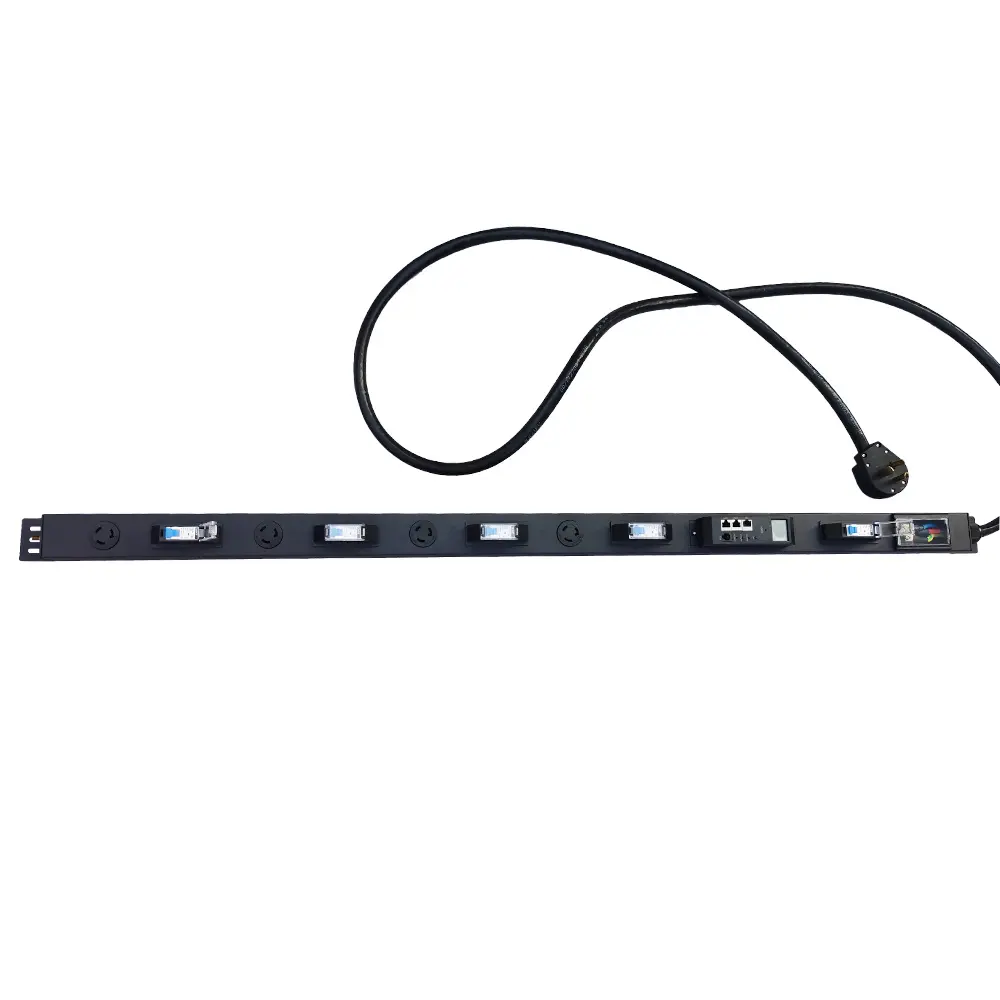
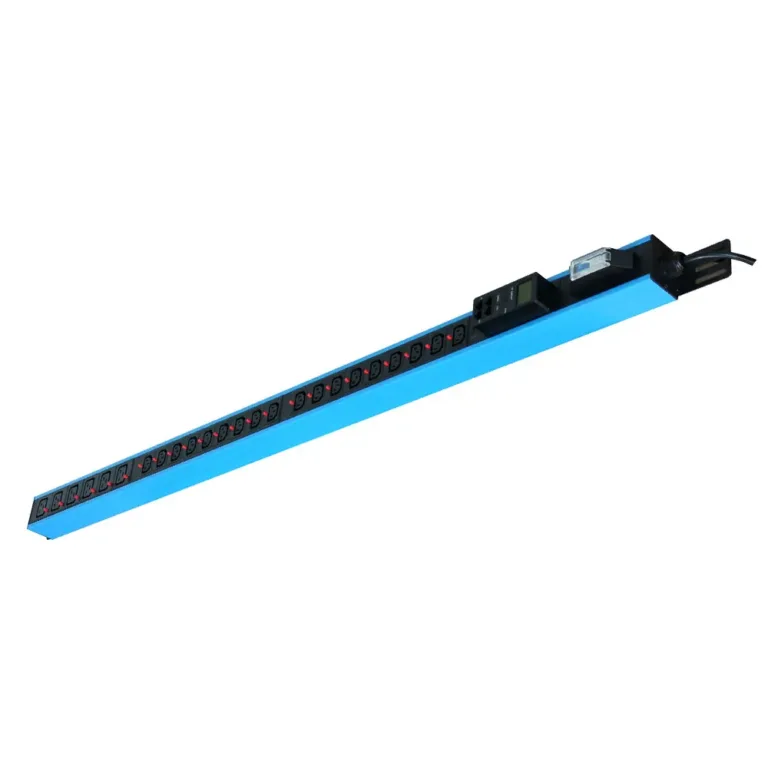
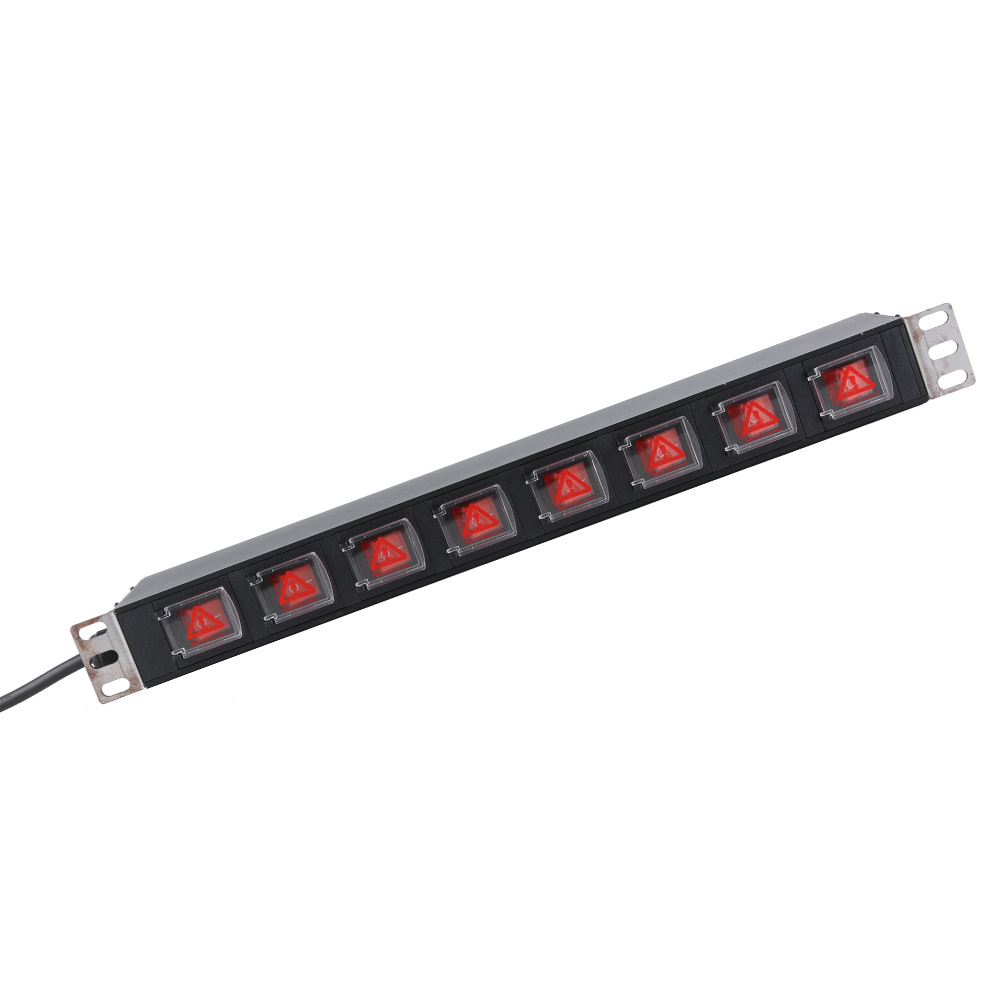
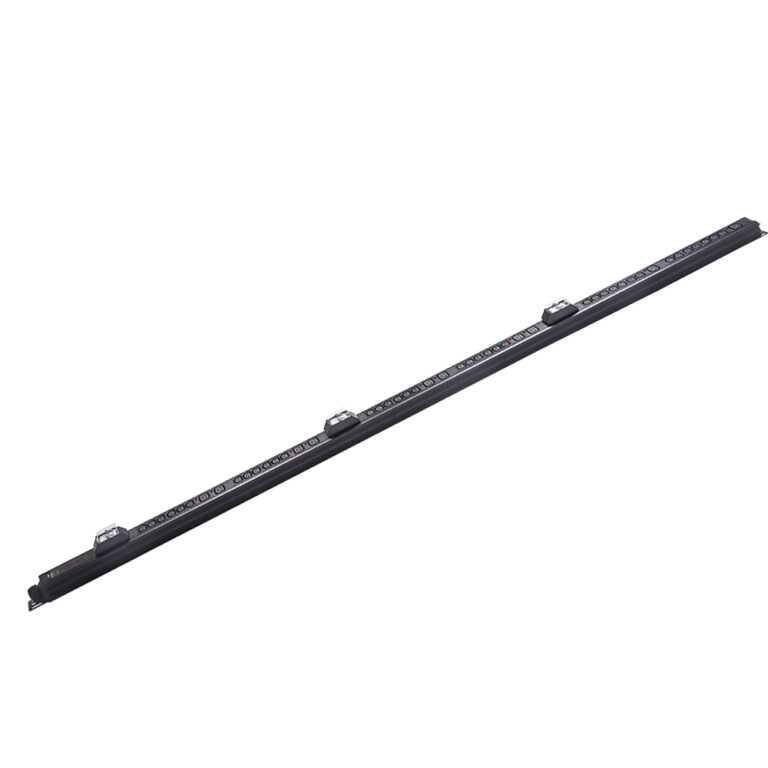
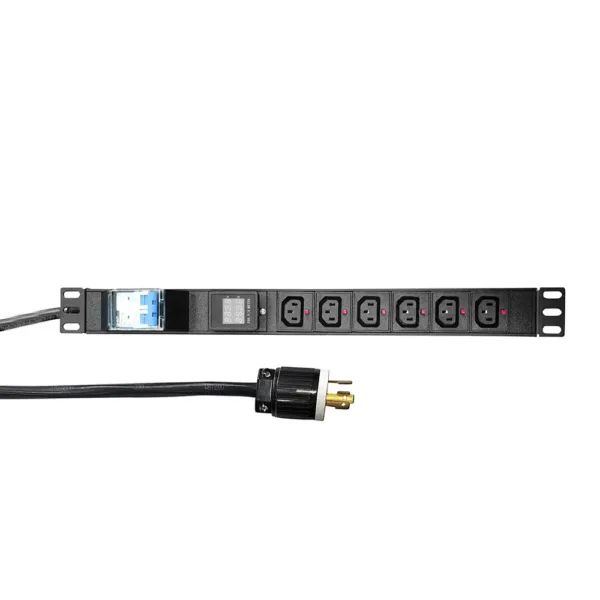
A power distribution unit (PDU) is a specialized electrical device designed to distribute power to multiple pieces of equipment in a rack or cabinet. Unlike consumer power strips, PDUs are built for continuous operation in demanding environments.
They typically feature 8–60 outlets and can handle much higher power loads than standard power strips. PDUs are essential for organizing power cables, preventing overloads, and protecting expensive IT equipment.
Many people confuse PDUs with regular power strips, but they serve very different purposes:
| Feature | Power Distribution Unit (PDU) | Standard Power Strip |
|---|---|---|
| Safety Mechanisms | Circuit breakers, overload protection | Basic fuse protection |
| Monitoring Capabilities | Real-time power tracking (smart models) | None |
| Durability | Industrial-grade metal construction | Consumer-grade plastic |
| Overload Prevention | Yes, per-circuit protection | Limited or none |
| Suitable for High Demand | Yes (10–60A) | No (max 15A) |
| Lifespan | 10–15 years | 2–3 years |
Power strips are fine for low-power devices like lamps and phone chargers, but they cannot safely handle the load of servers, switches, and other IT equipment.
PDUs come in two main categories, each designed for different needs:
| Feature | Smart PDUs | Basic PDUs |
|---|---|---|
| Remote Management | Yes | No |
| Real-Time Power Monitoring | Yes | No |
| Outlet-Level Control | Individual outlet on/off | All outlets together |
| Environmental Sensing | Temperature/humidity monitoring | No |
| Capacity Planning | Usage analytics and alerts | Limited |
| Cost | Higher | Lower |
Smart PDUs allow IT teams to monitor energy usage, receive alerts for potential issues, and remotely restart devices – all from a web interface or mobile app. This saves time and reduces downtime in critical environments.
💡 Industry Statistic: According to the Uptime Institute, power-related issues cause 30% of all data center outages. A properly installed PDU can reduce power-related downtime by 75%.
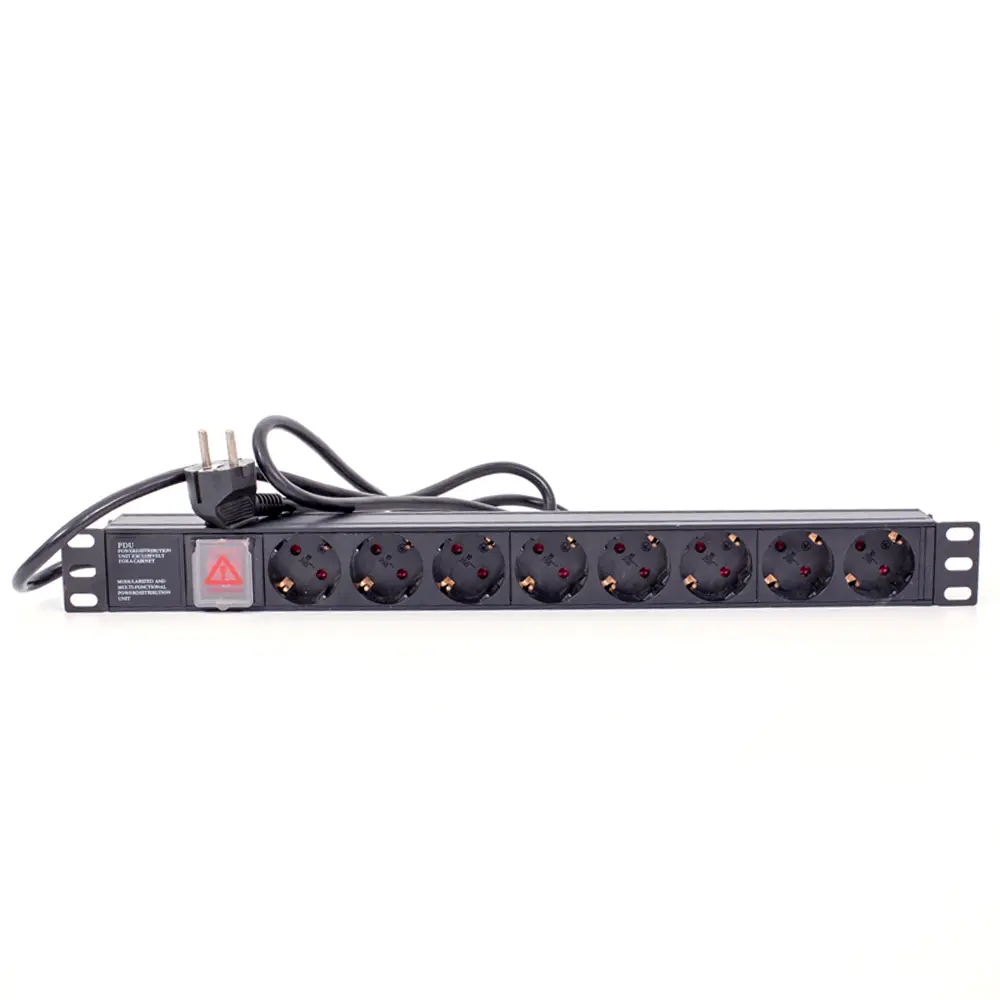
If you have multiple devices stacked in a rack or cabinet, a PDU is essential. Common high-density environments include:
PDUs organize cables neatly and provide dedicated power for each device. They feature built-in circuit breakers that automatically shut off power if the load exceeds safe limits, preventing fires and equipment damage.
If your business depends on continuous operation, you cannot afford power failures. PDUs improve reliability by:
YOSUN PDUs are certified to the strictest international safety standards, including UL, IEC, RoHS, CE, and VDE. This ensures they perform reliably in mission-critical applications.
Smart PDUs are indispensable for IT teams managing multiple locations or after-hours operations. Key features include:
These features allow IT staff to resolve issues quickly without being physically present, reducing mean time to repair (MTTR) and improving overall uptime.
For mission-critical systems, redundant power is essential. PDUs support dual-power configurations where each device is connected to two separate PDUs. If one power source fails, the other takes over automatically.
PDUs also protect equipment from:
A basic power strip is sufficient if:
If you only need to power a laptop, monitor, and printer, a high-quality surge protector will meet your needs.
Add up the total power consumption of all your devices. Make sure the PDU can handle at least 125% of the total load to allow for future expansion.
Always choose PDUs with recognized safety certifications:
YOSUN offers custom PDUs tailored to your specific requirements, including custom outlet configurations, voltage options, and mounting styles.
Use this checklist to determine if you need a PDU:
If you answered “yes” to any of these questions, a PDU is a worthwhile investment.
A power distribution unit is an essential component of any reliable IT infrastructure. It provides safe, organized power distribution, protects expensive equipment, and helps prevent costly downtime.
While basic power strips are fine for small home offices, they cannot safely handle the demands of modern IT equipment. Investing in a high-quality PDU will save you money in the long run by preventing equipment damage and reducing downtime.
YOSUN has been manufacturing industry-leading power distribution units for over 20 years. Our full range of basic, metered, and smart PDUs are trusted by IT professionals worldwide for their reliability, safety, and advanced features. To learn more about YOSUN PDUs and find the perfect solution for your needs, contact our team today.
A power distribution unit safely distributes electrical power to multiple devices in a rack or cabinet. It provides overload protection, organizes cables, and helps prevent equipment damage.
A rack-mount PDU is designed to fit in standard 19-inch equipment racks. It has more outlets, can handle higher power loads, and offers better safety features than consumer power strips.
Yes, most PDUs include built-in surge protection. For maximum protection, use a PDU with surge suppression in combination with an uninterruptible power supply (UPS).
Smart PDUs are ideal for IT managers, data center operators, and anyone managing critical IT infrastructure. They allow remote monitoring and control, which is essential for maintaining high uptime.
No, most PDUs are very easy to install. They simply mount in a standard equipment rack and plug into a wall outlet or UPS. No special tools or training are required for basic installation.
High-quality PDUs like those from YOSUN have a lifespan of 10–15 years with proper maintenance. Regular inspection and cleaning will help extend their life even further.