Why is PDU Important in Data Centers?
Power Distribution Units (PDUs) are essential to data center power infrastructure because they distribute electricity safely and reliably from upstream power sources to servers and...


+86 15867381241

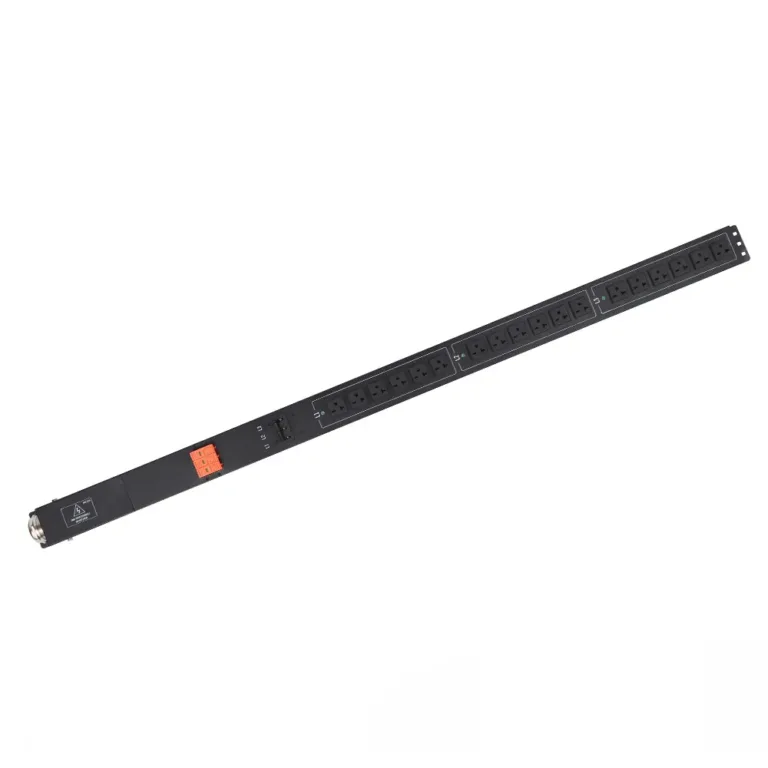
A C19 PDU (Power Distribution Unit) is a rack power distribution device equipped with IEC 60320 C19 outlets. It is designed to distribute higher-current power to servers, networking equipment, and other high-density IT hardware that cannot be adequately served by standard C13 connections.
C19 outlets are typically rated for 16 A under IEC specifications, with higher ratings available under certain regional standards and PDU configurations. Their larger size and higher current capacity make them suitable for demanding equipment in data centers and other critical IT environments.

The C19 connector is part of the IEC 60320 family and is physically larger than the commonly used C13 connector. Its larger contacts and higher current rating allow it to supply power to equipment with greater electrical demands.
Under IEC ratings, C19/C20 connections are commonly rated at 16 A, while C13/C14 connections are commonly rated at 10 A. Actual PDU capacity also depends on the input voltage, circuit rating, wiring, and regional electrical requirements.
C19 PDUs are available with different outlet configurations. A unit may use only C19 outlets or combine C19 and C13 outlets to support different types of equipment in the same rack.
For example, a high-density rack may use C19 outlets for servers with C20 inlets while using C13 outlets for lower-power devices. This mixed configuration can reduce the need for separate PDUs.
C19 PDUs are commonly available in 1U horizontal and 0U vertical configurations.
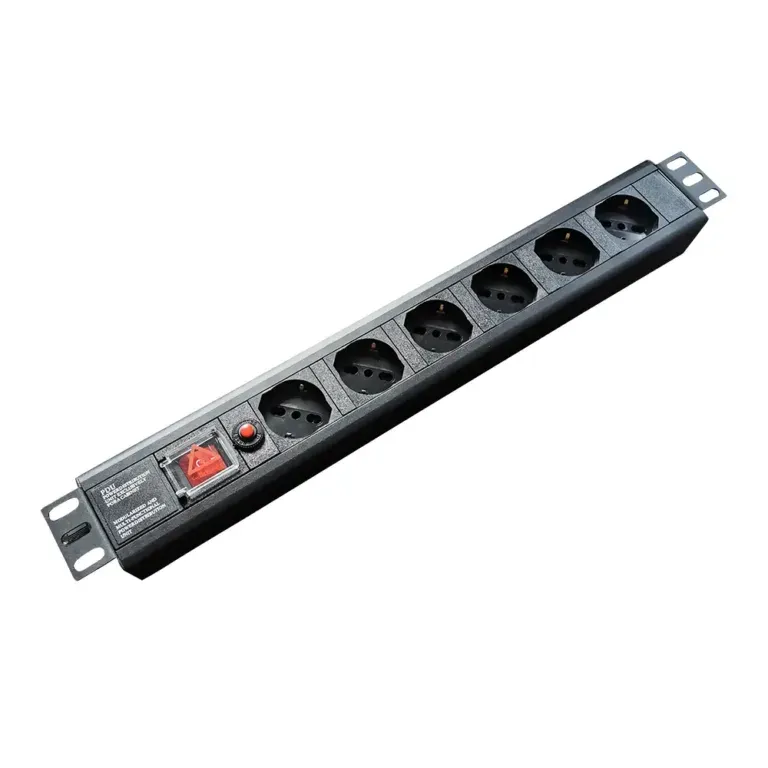
A 1U PDU mounts horizontally in the rack and occupies one rack unit of space. It can be suitable for smaller installations or racks where horizontal mounting is preferred.
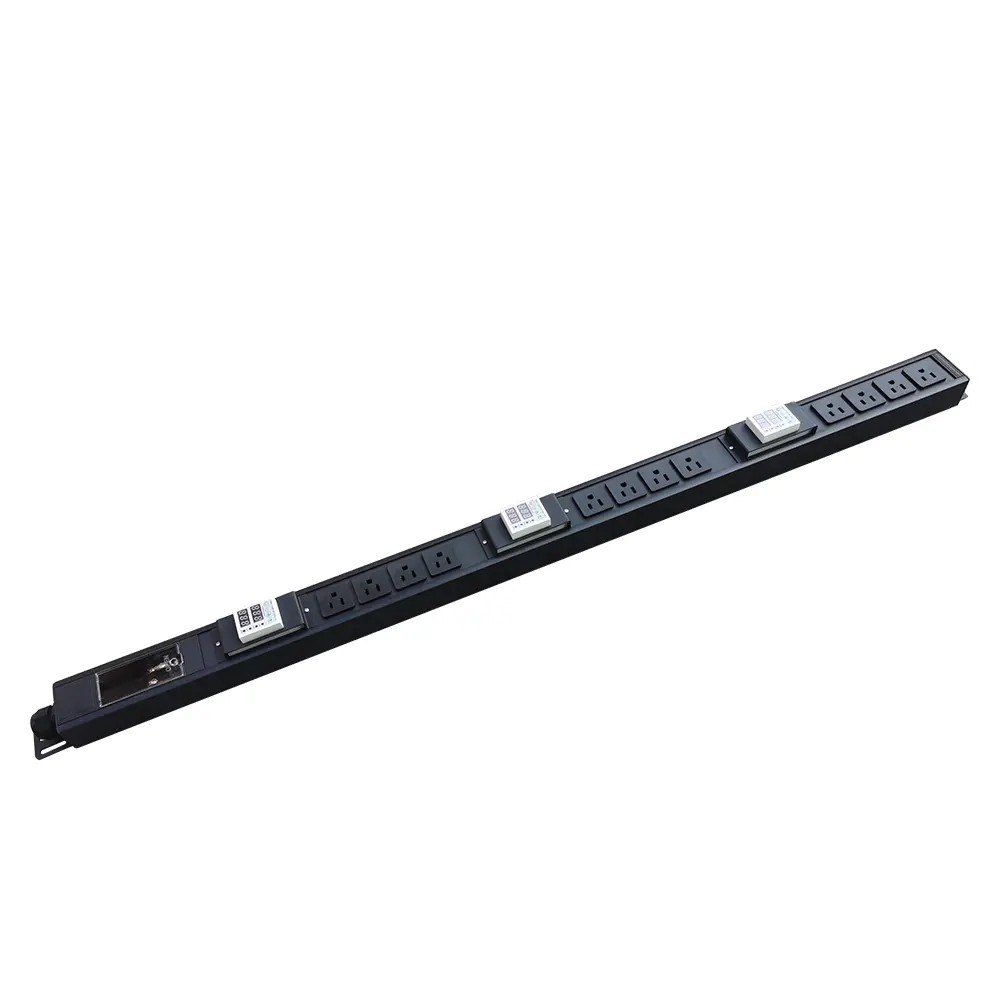
A 0U PDU mounts vertically along the side or rear of the rack without occupying valuable horizontal rack space. This configuration is particularly useful in high-density environments where rack space and cable management are important.
For larger data centers, vertical C19 PDUs can provide a higher number of outlets while leaving more rack units available for IT equipment.
C19 PDUs are not limited to basic power distribution. Depending on operational requirements, they can include different levels of power management.
Smart models may also support features such as SNMP, web-based management, alarm thresholds, and environmental monitoring. These functions are useful in data centers where operators need better visibility into rack-level power consumption.

C19 PDUs are widely used in data centers where racks contain equipment with relatively high power requirements. High-density computing systems can place greater demands on rack-level power distribution than conventional servers.
C19 outlets are particularly useful when equipment is equipped with C20 power inlets. The PDU provides the appropriate connection while allowing the rack to distribute power from a UPS, power panel, or other upstream source.
In high-density racks, monitored or switched C19 PDUs can also help operators track power consumption and manage loads more effectively.
C19 connections are commonly found on equipment that requires more current than typical C13-connected devices.
Typical examples include:
The exact connector required depends on the equipment manufacturer’s design and electrical requirements. Therefore, the PDU should always be selected according to the device’s power inlet and nameplate specifications rather than simply assuming that higher-power equipment requires C19.
The main difference between C19 and C13 PDUs is the connector type and current capacity.
| Feature | C13 PDU | C19 PDU |
|---|---|---|
| Common IEC connection | C13/C14 | C19/C20 |
| Typical IEC current rating | 10 A | 16 A |
| Connector size | Smaller | Larger |
| Typical application | Standard IT equipment | Higher-power IT equipment |
| Common equipment | Servers, monitors, network devices | High-density servers, blade systems, high-power switches |
The C19 connector is larger and designed for higher-current applications. It is also physically incompatible with a C14 inlet, which helps prevent incorrect connections.
The important point is that C19 does not automatically mean a PDU has twice the usable power of a C13 PDU. Total available power depends on voltage, circuit capacity, the PDU’s input connection, and the number of outlets being used.
Start by checking the power inlet and electrical requirements of the equipment.
Choose a C19 PDU when:
A C13 PDU remains suitable for equipment designed for C13/C14 connections and lower power requirements.
For mixed racks, a PDU with both C13 and C19 outlets can provide greater flexibility. Buyers should also check voltage, input plug type, circuit rating, total PDU capacity, outlet count, mounting style, and monitoring functions before making a selection.
A C19 PDU is used to distribute electrical power to higher-current rack equipment, including high-density servers, blade systems, storage equipment, and some network devices.
The main difference is the connector and current rating. C19/C20 connections are typically rated at 16 A under IEC specifications, while C13/C14 connections are typically rated at 10 A.
Yes. Many PDUs combine C19 and C13 outlets on the same unit, allowing a single PDU to power different types of rack equipment.
A C19 connection supports a higher current rating, but total PDU power depends on voltage, input capacity, circuit limits, and the PDU’s overall design. The connector rating alone does not determine total available power.
Yes. C19 PDUs are commonly used downstream of UPS systems to distribute backup power to compatible high-current rack equipment. The PDU and UPS must have compatible voltage, current, connectors, and capacity.
A smart C19 PDU is useful when you need remote power monitoring, alerts, outlet-level control, or environmental monitoring. For simple power distribution, a basic C19 PDU may be sufficient.