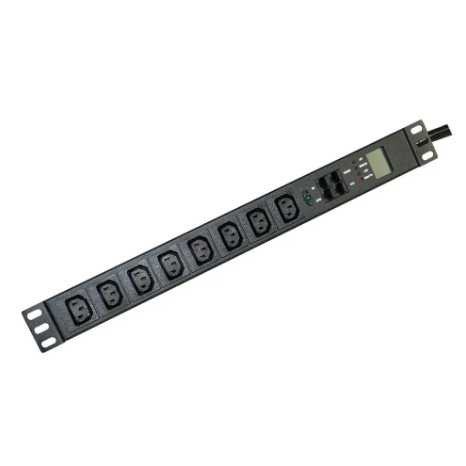
Choosing a Redundant PDU That Matches Your Equipment Requirements
Select a redundant PDU that matches your equipment’s power, redundancy, and compatibility needs for reliable uptime and future scalability.


+86 15867381241
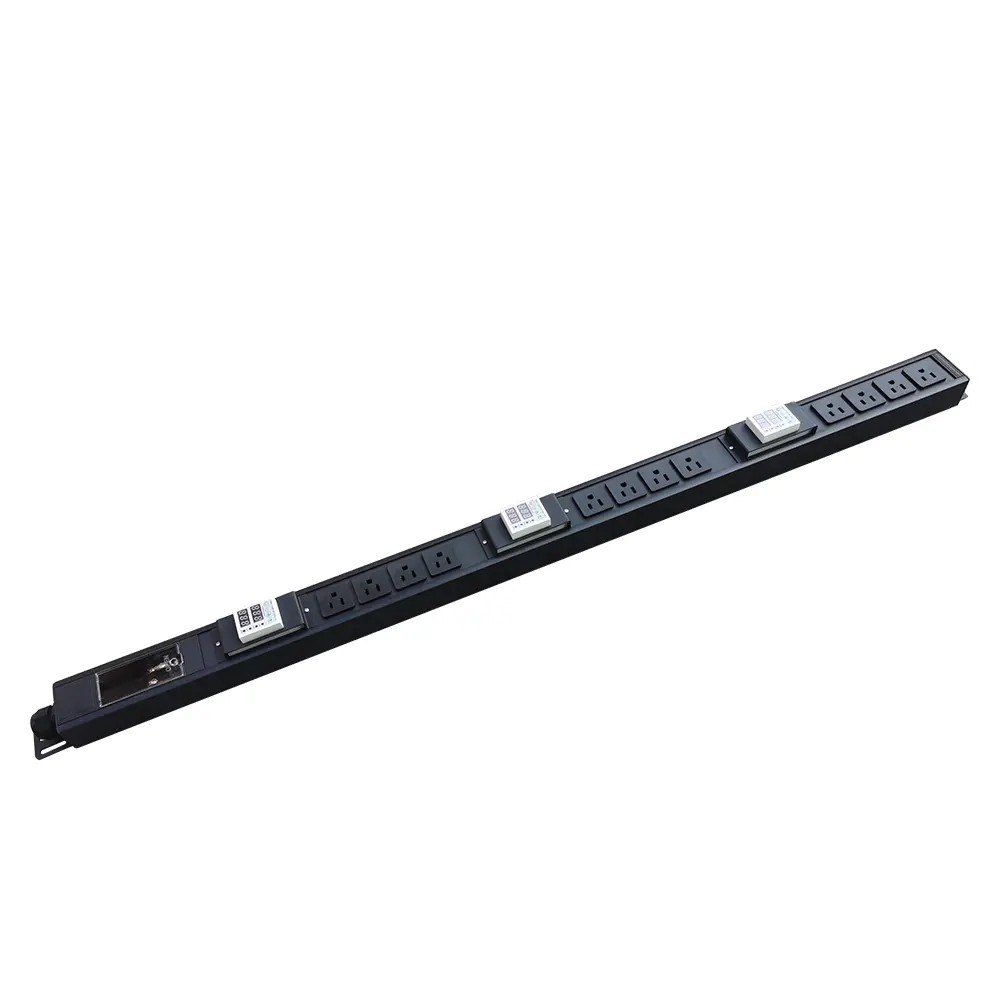
Power Distribution Units (PDUs) are essential to data center power infrastructure because they distribute electricity safely and reliably from upstream power sources to servers and other rack-mounted IT equipment. Unlike standard power strips, rack PDUs are designed for continuous operation, higher loads, rack installation, and the power management demands of modern IT environments.
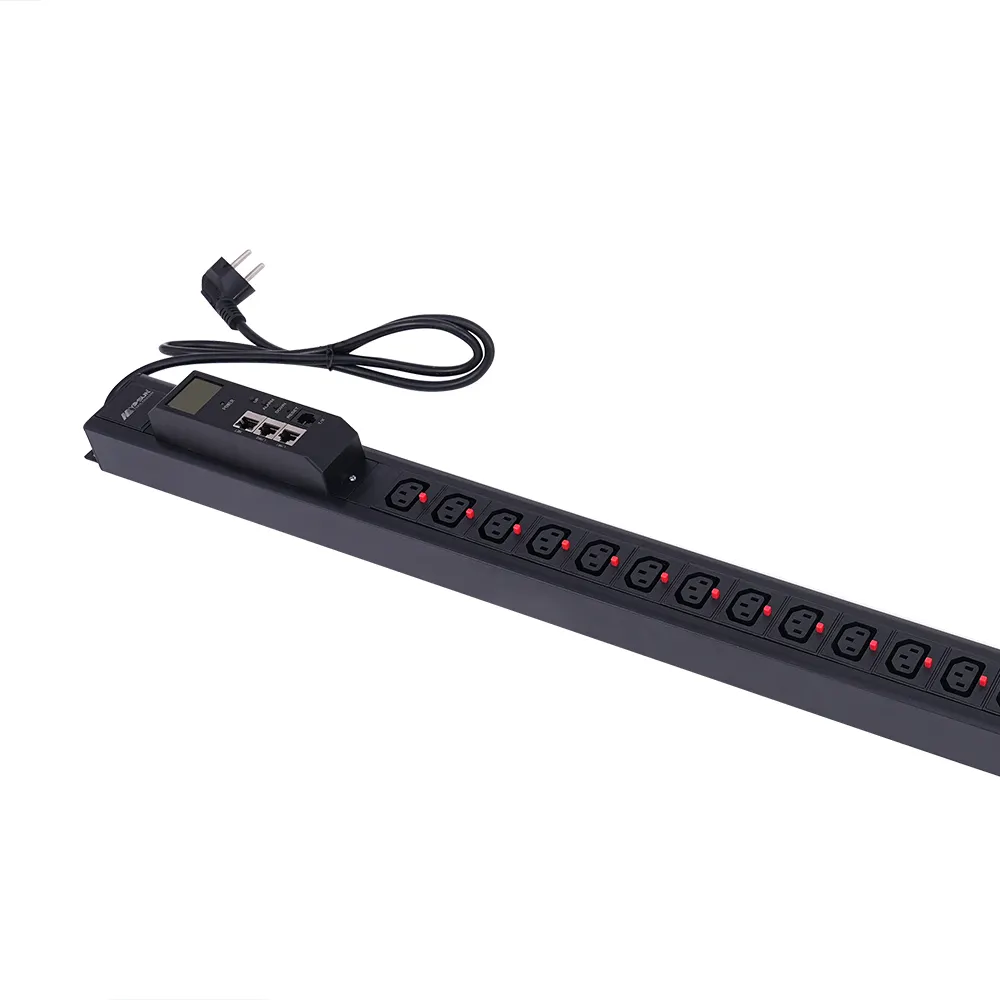
Beyond basic power distribution, metered, monitored, and switched PDUs provide greater visibility and control over rack-level power. These capabilities help data center operators manage electrical loads, plan capacity, identify potential power issues, and remotely control connected equipment.
Standard power strips are designed for general-purpose residential and office applications. While they can distribute power to multiple devices, they are not specifically designed for rack-level power distribution in high-density data centers.
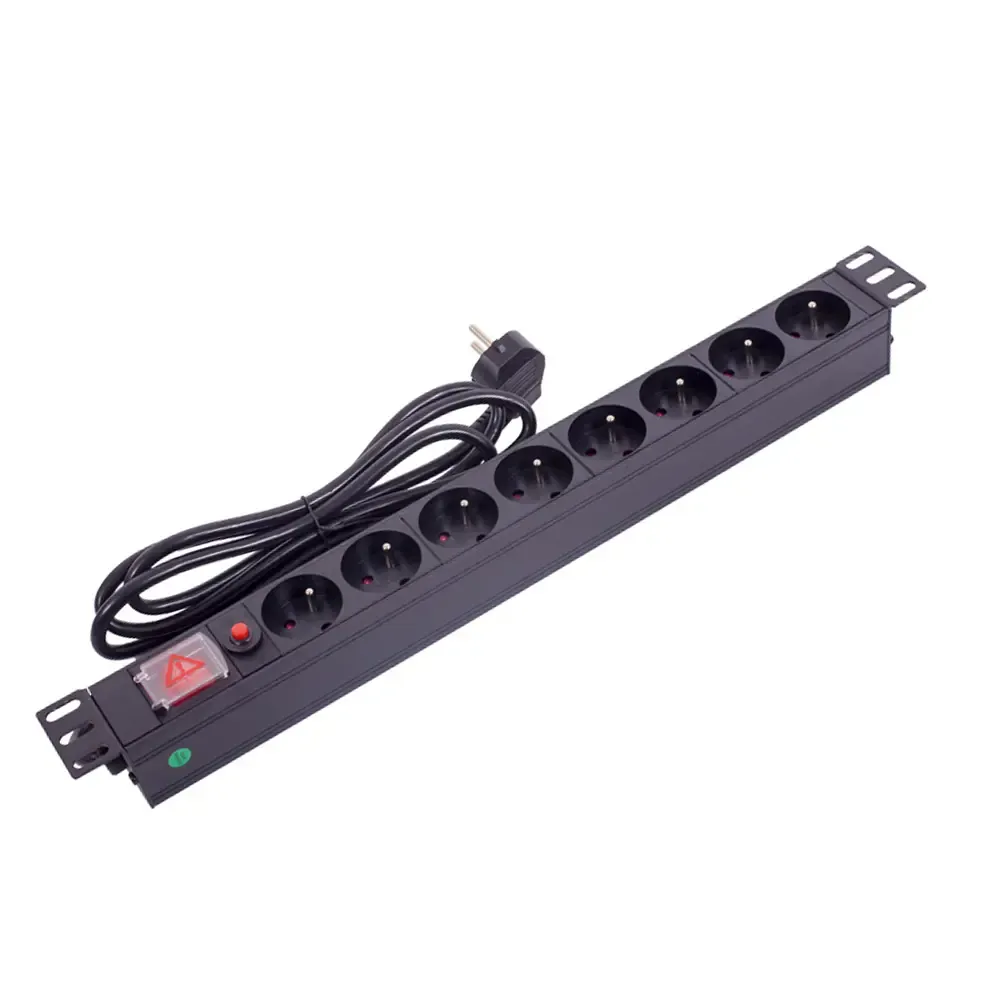
Rack PDUs are purpose-built for IT environments. They provide rack-mounting options, configurations for higher electrical loads, and power management features that help operators distribute and monitor electricity across server racks.
| Feature | Commercial Rack PDU | Standard Power Strip |
|---|---|---|
| Application Design | Designed for server racks, data centers, and continuous IT operation | Designed for general residential, office, and electronic equipment |
| Load Capacity | Available in configurations designed for higher rack-level electrical loads | Generally intended for lower-power general-purpose applications |
| Construction | Rack-mount housing and conductors designed for demanding operating environments | Typically uses a simpler housing and internal wiring |
| Protection | May include circuit breakers and overload protection, depending on the model | Protection features vary by product |
| Power Management | Basic, metered, monitored, and switched options are available | Usually provides no advanced power monitoring or remote control |
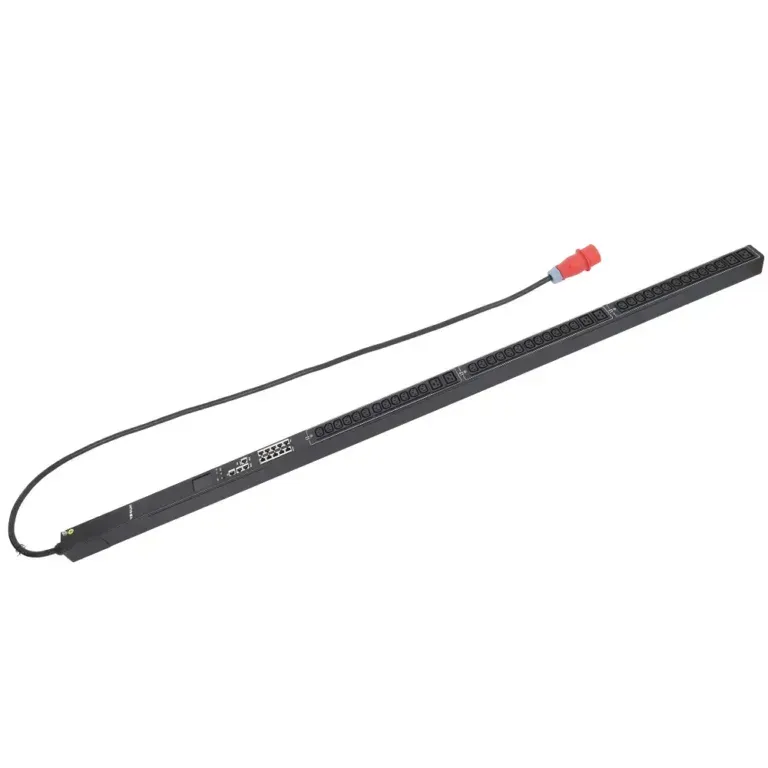
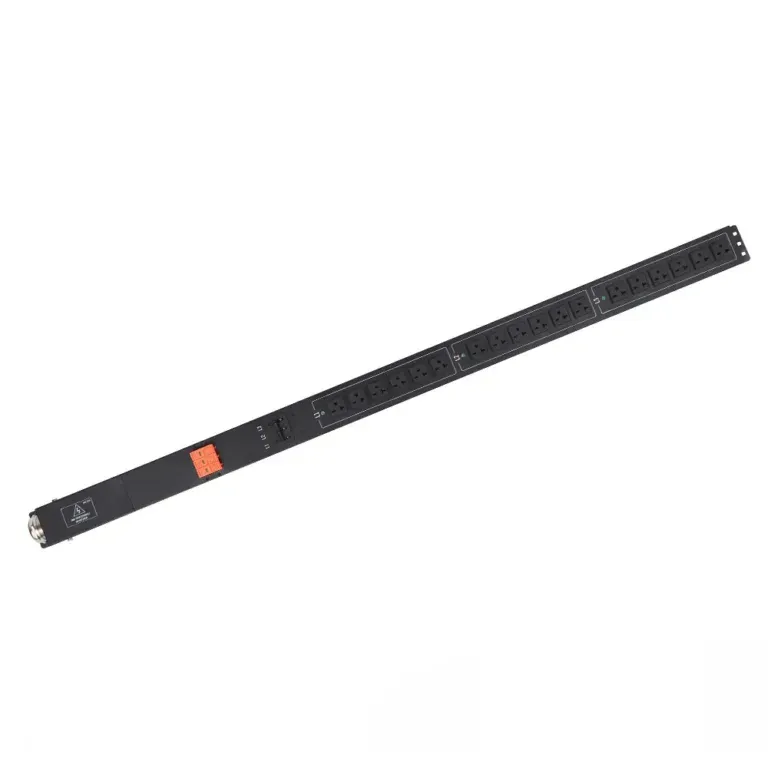
| Installation | Available in horizontal and vertical rack-mounted configurations | Generally designed for desktop, floor, or general-purpose installation |
Using general-purpose power strips in a server rack can also make power management more difficult because they typically lack rack-level monitoring, specialized mounting, and remote management capabilities.
For data center applications, PDU manufacturers such as YOSUN offer rack power solutions with different input configurations, outlet types, mounting options, and monitoring features for different infrastructure requirements.
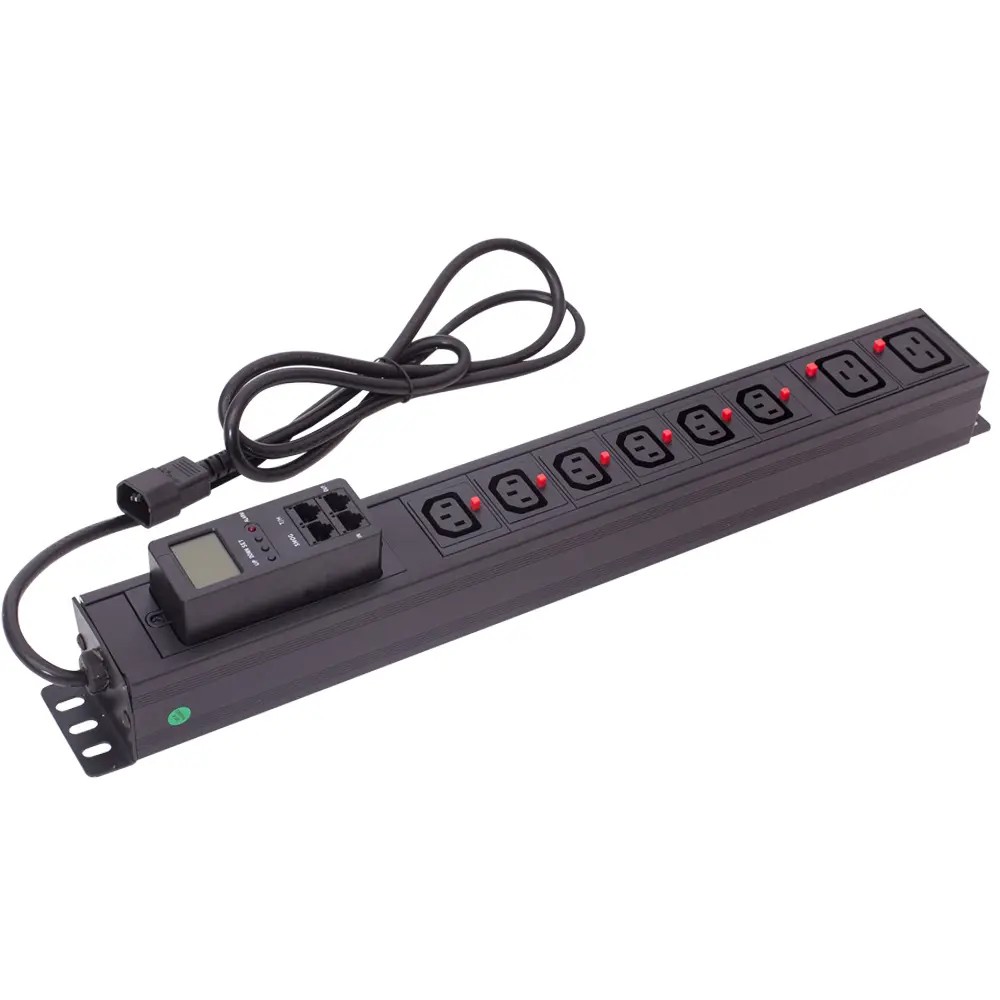
Rack PDUs can incorporate circuit breakers and other overcurrent protection to help protect connected equipment and branch circuits from overloads and short circuits. When excessive current occurs, the protective device can interrupt the affected circuit and help limit the risk of equipment damage.
Data center racks may contain servers, storage systems, networking devices, and other equipment with different power demands. In three-phase installations, distributing these loads appropriately across available circuits and phases helps prevent excessive imbalance and uneven electrical loading.
Metered and monitored PDUs can provide visibility into these loads, allowing operators to identify imbalances and adjust power distribution when necessary.
High-availability data centers often use redundant power architectures rather than relying on a single power path. Dual-corded servers can connect to separate A/B power feeds, while dual-input or ATS-equipped PDUs can support different rack-level power configurations.
When combined with independent upstream power sources and redundant electrical infrastructure, these arrangements help maintain equipment operation if one power path becomes unavailable.
PDUs therefore form an important part of a broader redundant power architecture rather than eliminating single points of failure on their own.
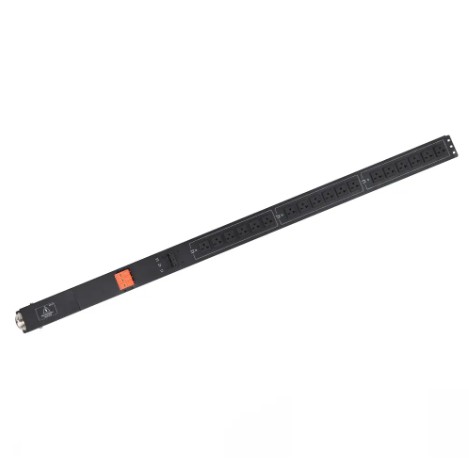
PDUs do not directly make IT equipment more energy efficient. Their value comes from providing power visibility that helps data center operators understand electrical consumption and make better infrastructure decisions.
Metered and monitored PDUs provide rack-level power consumption data that can help data center teams:
This visibility is particularly useful in high-density environments where power demand can change as servers and other equipment are added or upgraded.
Actual power data gives operators a clearer view of how much electrical capacity each rack is using. This can support more informed decisions about equipment deployment, available capacity, and future rack expansion.
Better load visibility can also help prevent unnecessary overprovisioning and provide useful information when coordinating electrical and cooling infrastructure as rack power requirements change.
A basic PDU primarily distributes power without advanced monitoring or control functions. A smart or intelligent PDU can provide real-time power monitoring, configurable alerts, and, depending on the model, remote outlet control.
PDUs provide visibility into rack-level power consumption. This information helps operators track electrical loads, identify unusual power usage, and make better decisions about equipment deployment and infrastructure capacity.
Standard power strips are designed for general-purpose residential or office applications rather than rack-level power distribution. Rack PDUs provide purpose-built mounting, higher-load configurations, and optional monitoring and management features that are better suited to data center environments.
Not necessarily. A basic PDU may be sufficient for a simple rack where power monitoring and remote control are not required. Metered, monitored, or switched PDUs become more useful when operators need greater power visibility, alerts, or remote outlet control.
PDUs can support uptime through reliable power distribution, overcurrent protection, load visibility, and, in some configurations, redundant power connections. Monitored and switched PDUs can also provide alerts and remote outlet control, helping technicians identify or address certain power-related issues without visiting the rack.