using a PDU at home
A PDU, or Power Distribution Unit, distributes electricity to multiple devices efficiently. While commonly used in IT environments, it also benefits home setups. A basic...


+86 15867381241
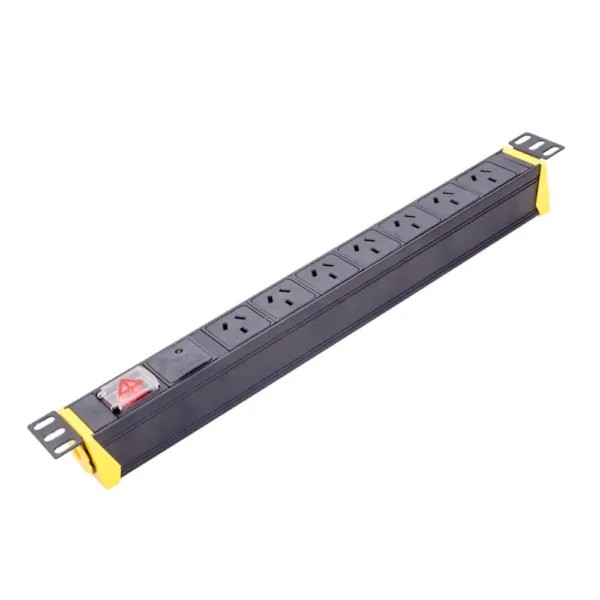
For rack-mounted equipment, high electrical loads, and 24/7 always-on environments, a basic PDU (power distribution unit) is the safer, more reliable choice. A regular power strip is only designed for light, intermittent everyday use.
The two devices differ fundamentally in load capacity, build durability, rack compatibility, cable management, safety compliance, and total cost of ownership. A rack PDU handles heavy, continuous loads without strain, while a power strip offers a low-cost way to add outlets for desk-level use. Buyers often focus only on upfront price, but long-term reliability matters far more in IT environments — where a power failure can take down all connected equipment.
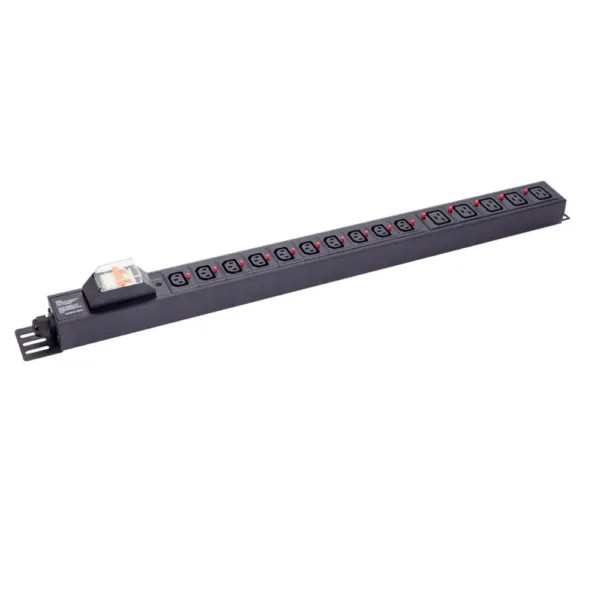
PDUs are engineered for IT-grade power distribution, with configurable inlet and outlet types to match server and networking hardware. Power strips are built for general consumer use with fixed, low-amperage outlets.
| Feature | Basic PDU | Regular Power Strip |
|---|---|---|
| Outlet count | 4 to 48 | 2 to 8 |
| Typical use case | Data centers, server rooms, industrial IT | Homes, home offices, light desk use |
| Power support | Single-phase and three-phase; high amperage ratings | Low-voltage single-phase only; light load limits |
| Outlet types | Standard IEC C13/C19 for IT equipment; configurable | General-purpose domestic outlets only |
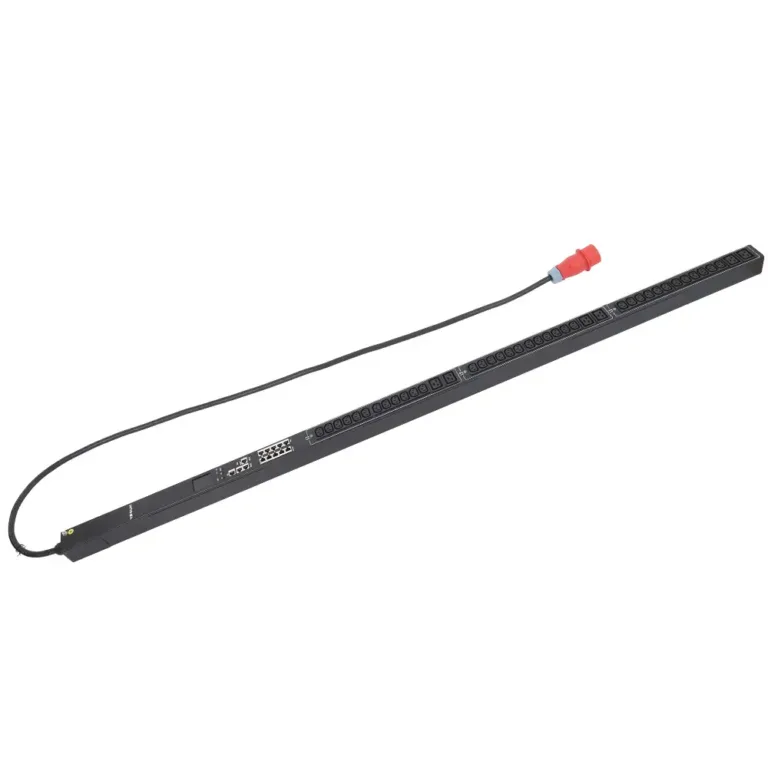
PDUs support industry-standard IEC connectors: C13 outlets for standard servers and switches, and C19 outlets for high-power servers and UPS inputs. Many models include universal receptacles that accept both C14 and C20 plugs, making them flexible as rack power needs change.
Always size a device to match your total connected load. Mismatched capacity causes overheating and nuisance tripping. Unlike power strips, most PDUs include overload protection and clearly published capacity ratings to simplify power planning.
Note: Surge protection varies by PDU model — always verify features on the datasheet before purchasing. Standard power strips offer no built-in load monitoring.
The biggest reliability gap comes from internal construction. PDUs are designed for 24/7 operation under steady load, while power strips are built for intermittent, light use.
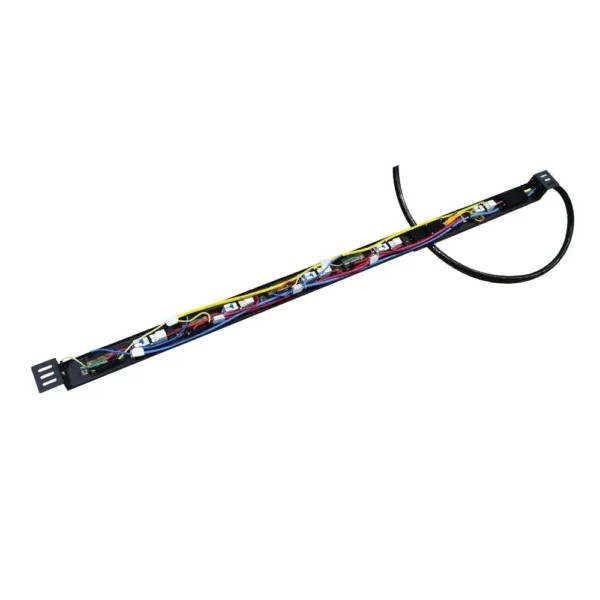
For example, YOSUN basic PDUs use:
Power strips use simpler, thinner internal connections that degrade faster under sustained load. In always-on server rooms, this difference translates to far fewer service calls and lower unplanned downtime risk. PDUs also integrate seamlessly with UPS systems and backup generators for stable uptime.
A basic rack PDU is designed to mount directly in standard 19-inch EIA-310 equipment racks. Power strips have no native rack mounting capability.
| Mounting Method | Form Factor | Rack Space Used | Outlet Capacity |
|---|---|---|---|
| Horizontal PDU | 1U / 2U | Consumes rack U-space | 8–24 outlets |
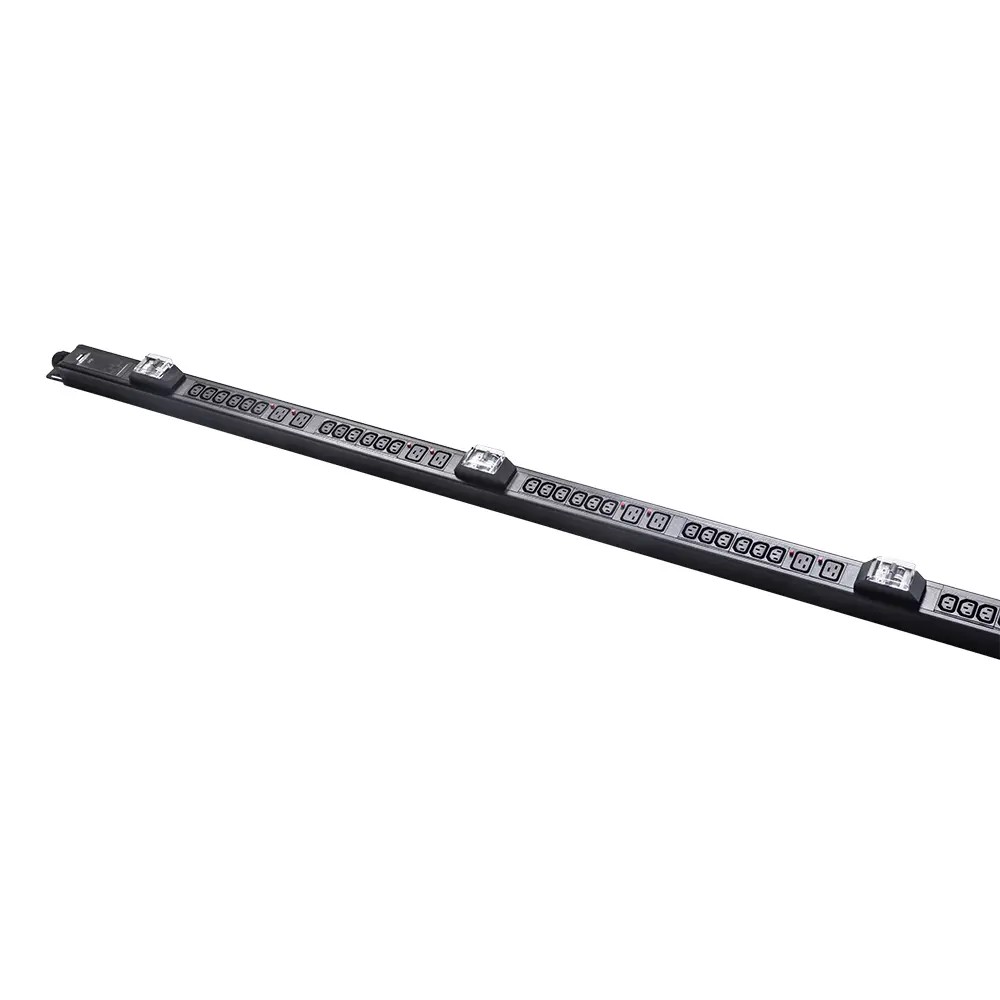
| Vertical 0U PDU | Full-height vertical | Zero rack U-space | Up to 40+ outlets |
PDUs can be installed horizontally between equipment, or vertically on rack side rails to preserve usable rack space. Loose power strips sit on floors or shelves, where they are prone to physical damage and accidental disconnection.
Cable retention is one of the most underrated advantages of rack PDUs. Many models include built-in locking IEC outlets that hold cords firmly in place, eliminating accidental unplugging without extra accessories. Color-coded outlets also help technicians identify circuit phases and load segments, reducing human error during installation and maintenance.
These features directly reduce unexpected outages from loose cords — a common risk with unsecured power strips in rack environments.
Independent safety certifications verify that a device meets electrical and fire safety standards. This is critical for IT and industrial rooms, where an electrical fault can damage expensive equipment or cause downtime.
Common PDU certifications:
Reputable PDU lines also hold ISO 9001 manufacturing certification and undergo full batch quality testing. Power strips rarely carry the same level of industrial-grade safety validation.
Upfront price tells only part of the story. Professional PDUs have a service life of 10–15 years with proper maintenance, while consumer power strips typically last only 2–5 years in comparable use. For medium-scale deployments, PDUs generally deliver positive ROI within 18–36 months, driven by fewer replacements and less downtime.
| Metric | Basic PDU | Regular Power Strip |
|---|---|---|
| Upfront cost | Higher | Lower |
| Expected service life | 10–15 years | 2–5 years |
| Safety rating | Industrial / IT grade | Consumer grade |
| Scalability | Designed for multi-rack deployments | Limited to individual use |
Basic PDUs also cost less than fully featured monitored or switched units, making them a cost-effective choice for smaller server rooms with on-site staff.
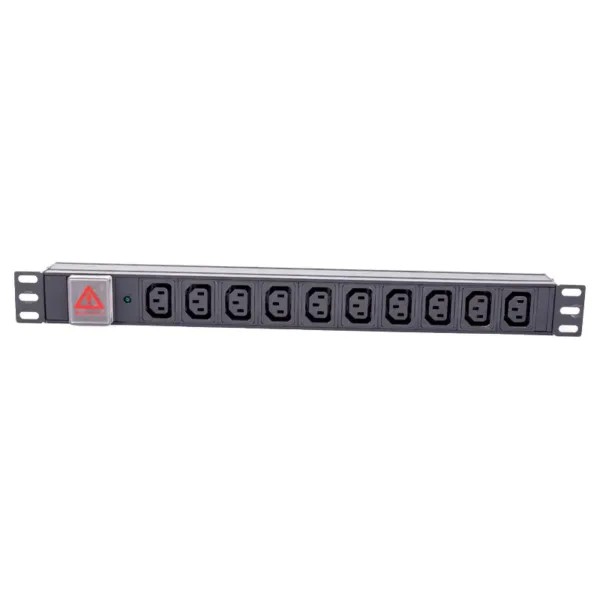
Yes. A rack PDU mounts directly in a 19-inch rack and supports much higher, continuous loads. Power strips lack rack mounting hardware and cable retention, and are not rated for always-on IT equipment.
No. Surge protection varies by model — check the datasheet to confirm. Most PDUs include overload protection, but not all add surge suppression.
With proper care, professional rack PDUs last 10–15 years. A consumer power strip typically lasts 2–5 years under similar use.
PDUs use heavy-duty internal components: copper busbars, industrial-grade sockets, flame-retardant housing, and certified safety systems. They are engineered for nonstop operation and carry full IT safety certifications. Power strips use simpler, lighter construction for casual use.
Prioritize total load capacity, outlet type (C13/C19 for IT gear), mounting format, and safety certifications. Match the PDU rating to your upstream circuit and UPS output for a fully compatible power path.