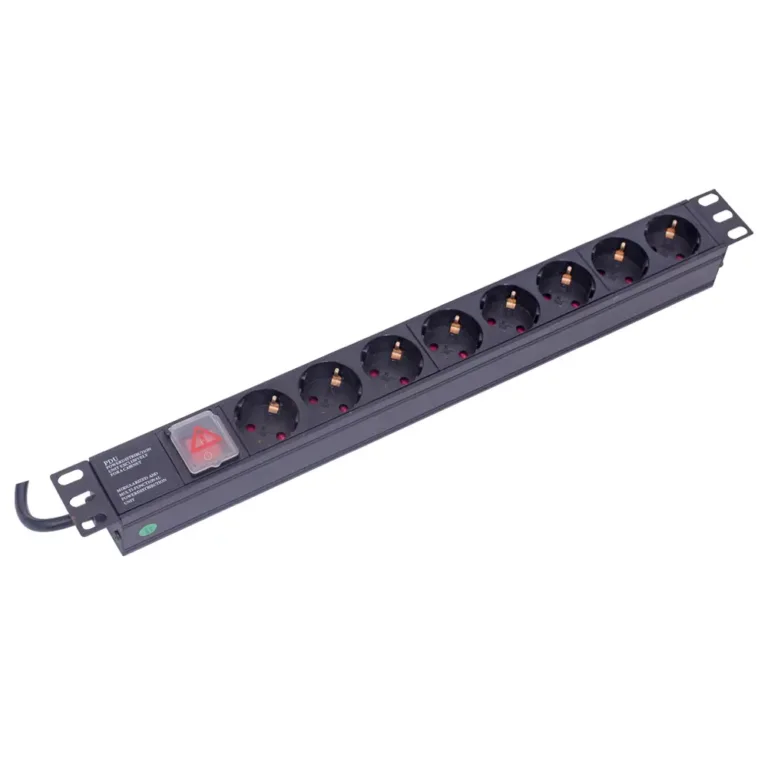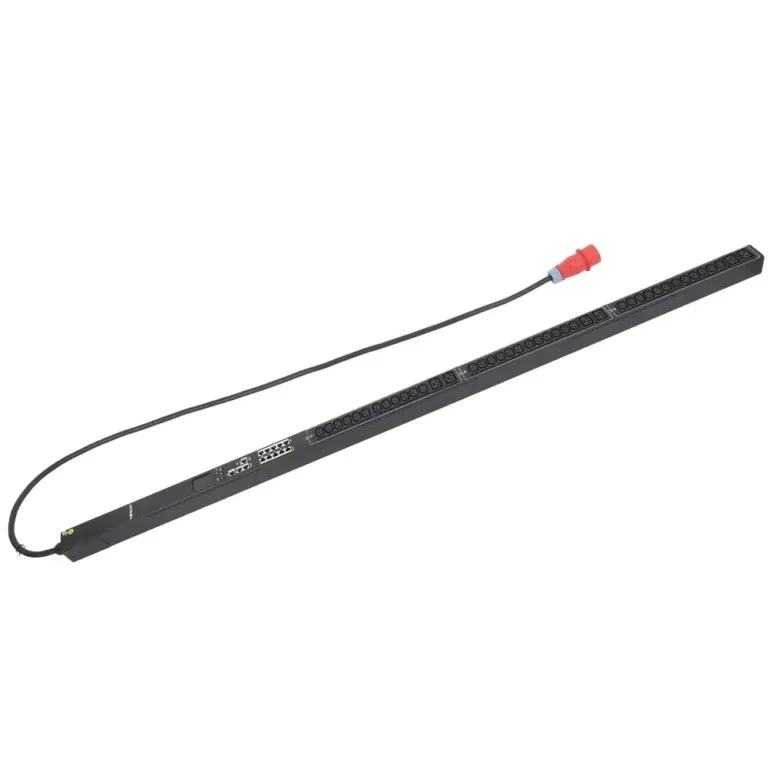
Why Remote Monitored PDUs Are Essential for Data Centers
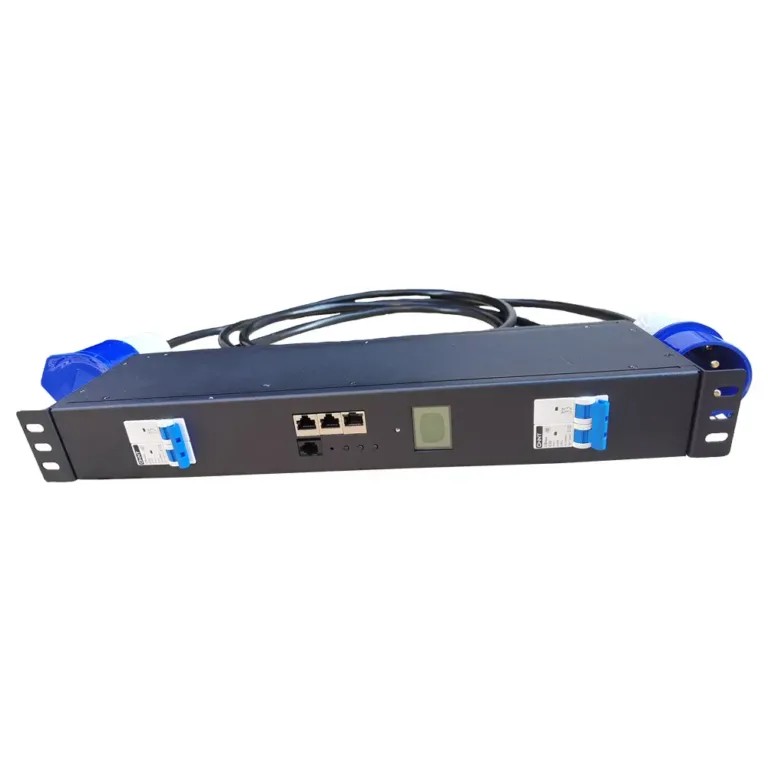
Remote monitored PDUs enhance data center efficiency by enabling real-time power monitoring, reducing energy waste, and ensuring operational reliability.


+86 15867381241
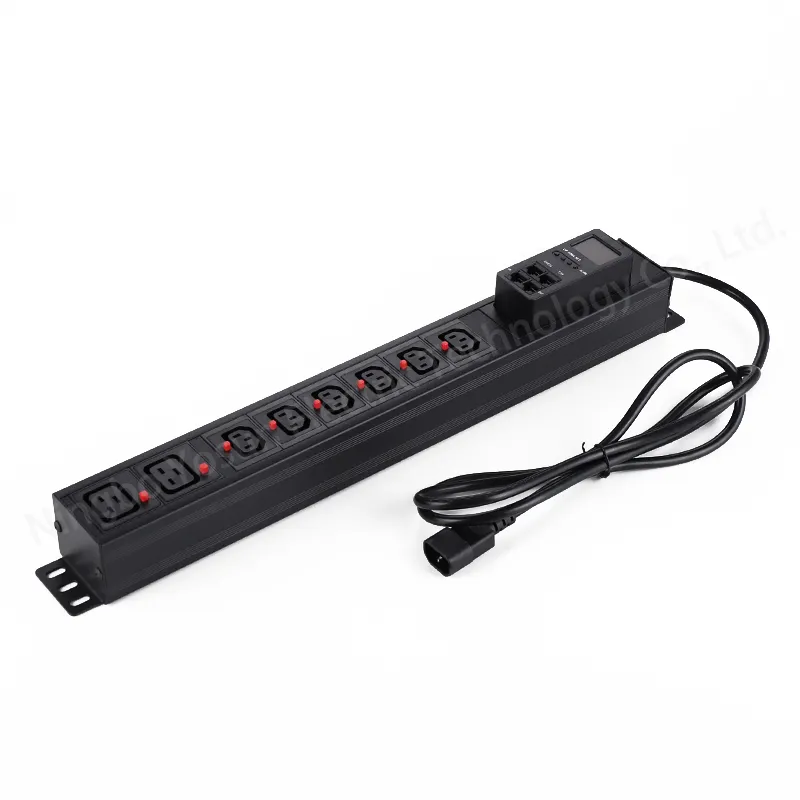
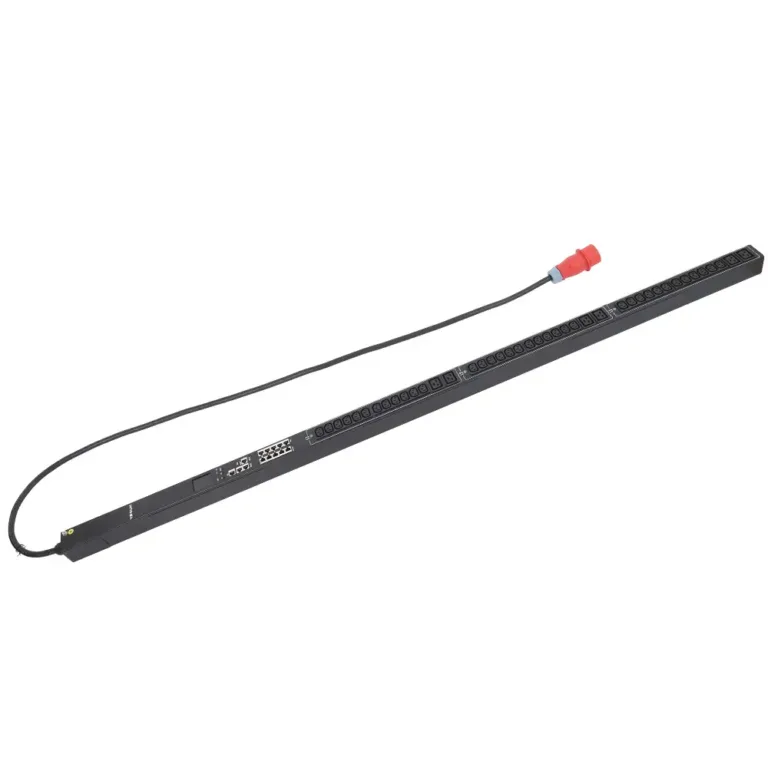
Yes, but only with factory-certified daisy-chainable PDUs and strict adherence to electrical safety guidelines. Daisy chaining standard PDUs or consumer power strips is always dangerous and prohibited by global electrical codes. Professional manufacturers produce dedicated daisy-chainable PDUs with built-in safety circuits to enable reliable, scalable power distribution for data centers and industrial facilities.
Selecting the appropriate PDU ensures stable power delivery and mitigates potential fire and equipment damage risks. Users must confirm power limits, safety certifications and standard connection methods before linking any units.
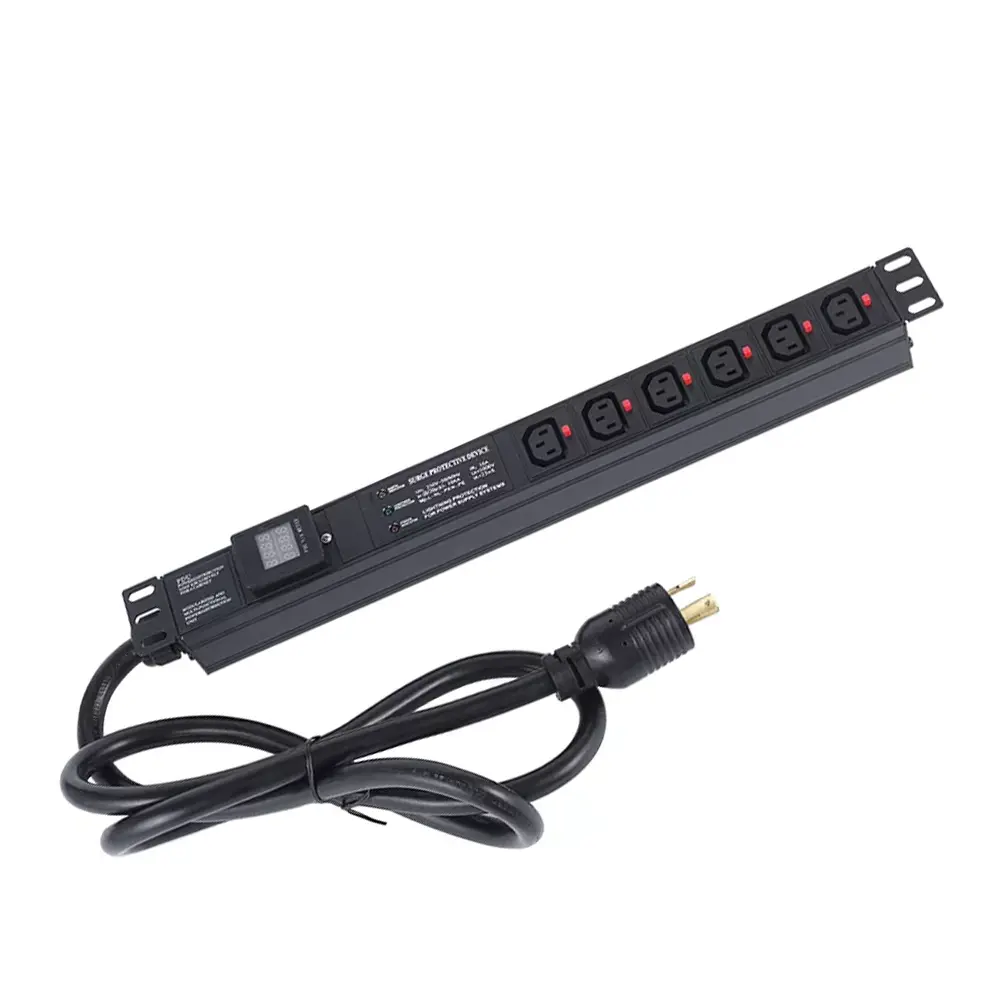
Daisy chaining means connecting multiple PDUs in a series, where one PDU plugs into another to extend power distribution from a single upstream source. This eliminates the need for multiple separate wall outlets or UPS connections, significantly reducing installation costs and cable management complexity in large server rooms.
Daisy chaining is only safe for industrial-grade dedicated PDUs, not consumer power strips. The table below highlights the key differences:
| Feature | Daisy-Chainable Industrial PDUs | Consumer Power Strips |
|---|---|---|
| Electrical Capacity | Up to 67kVA total per chain | 1.8-3.6kW per unit |
| Overload Protection | Per-unit and chain-level circuit breakers | Basic single fuse |
| Daisy Chaining Support | Factory-certified, dedicated ports | Prohibited by safety standards |
| Safety Certifications | UL 60950-1, CE, IEC 62368 | Basic UL 1363 |
| Application | Data centers, industrial facilities | Home and office use |
Standard PDUs cannot be safely daisy chained, even if they have high power capacity. Only dedicated daisy-chainable PDUs are engineered with:
High-quality daisy-chainable PDUs support up to 16 units per chain, with global voltage compatibility from 100V to 480V and input currents from 12A to 100A. Many models also support Ethernet ring networking, allowing operators to monitor and control all units from a single IP address.
While safe when done correctly, daisy chaining introduces unique risks that must be carefully managed:
| Limitation/Drawback | Description |
|---|---|
| Overload Risk | All units share a single upstream circuit, making overloads more likely if not properly calculated |
| Single Point of Failure | A fault in the first PDU will take down the entire chain |
| Voltage Drop | Longer chains can cause minor voltage drops at the end of the chain |
| Troubleshooting Complexity | Issues in one unit can affect the entire chain, making diagnosis more time-consuming |
Smart daisy-chainable PDUs mitigate these risks with real-time per-outlet monitoring, automatic overload shutdown, and instant alert notifications.
Always follow the manufacturer’s explicit instructions for daisy chaining. Never mix different PDU models, firmware versions or brands in the same chain, as this can cause communication errors and safety hazards. Reputable manufacturers provide detailed installation guides and dedicated technical support for all daisy-chainable PDU models.
This is the most critical safety rule for daisy chaining:
For example, a 20A 120V circuit has a maximum capacity of 2400W. The total load across all chained PDUs must not exceed 1920W (80% of 2400W).
All PDUs used in daisy chain configurations must meet international safety standards:
| Compliance Standard | Description |
|---|---|
| IEC 62368-1 | Global information technology equipment safety standard |
| CE Mark | European Union health, safety and environmental compliance |
| UL Listed | North American electrical safety certification |
| ISO 9001 | Quality management system certification |
Qualified daisy-chainable PDUs are certified to all major global standards and undergo rigorous testing to ensure compliance.
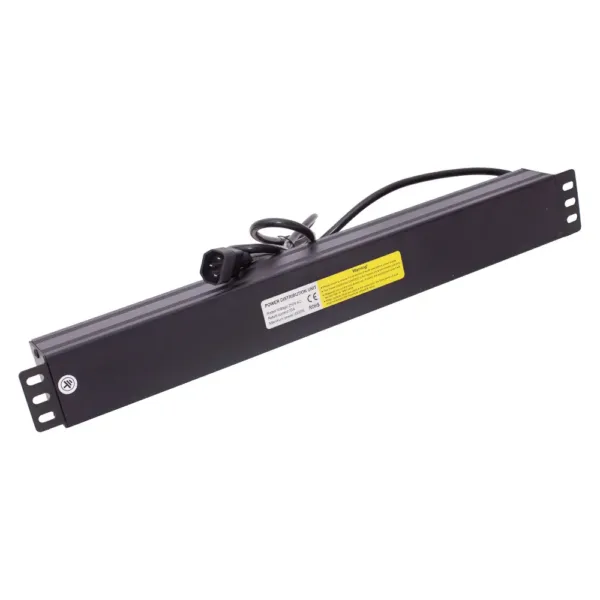
Follow these step-by-step instructions for a safe and reliable installation:
Daisy chaining PDUs can be a practical and efficient solution when using certified products from a reliable PDU manufacturer and following proper safety standards. It helps improve scalability and simplify rack-level power management in data center environments.
As a professional PDU manufacturer, YOSUN provides UL/CE-certified products, OEM/ODM customization, and bulk supply for global projects. Our engineering team supports customers with tailored solutions for different deployment needs.
No. Only PDUs specifically designed, tested and certified for daisy chaining can be safely connected in series. Standard PDUs lack the required cascaded overload protection and will create a fire hazard. Reputable manufacturers offer certified daisy-chainable PDUs for industrial and data center use.
The maximum number depends on the manufacturer’s specifications, typically 6-16 units. Always refer to the product manual and never exceed the upstream circuit’s 80% load limit, even if you are below the unit count limit.
Overloading can cause overheating, melted cables, circuit breaker tripping, equipment damage and even electrical fires. Smart PDUs with automatic overload protection will shut down power to prevent damage, but proper load planning is always the best defense.
Yes. Always use the cables supplied or recommended by the manufacturer. Using non-standard cables can cause voltage drops, overheating and connection failures.
Yes. Smart PDUs provide real-time load monitoring, instant alert notifications and remote outlet control, which are essential for safely managing daisy chain configurations. They also generate usage reports to help with capacity planning.