What Are the Features of Ethernet Controlled PDUs
Ethernet Controlled PDUs offer remote monitoring, outlet-level control, and safety features like overload protection, ensuring efficient power management.


+86 15867381241
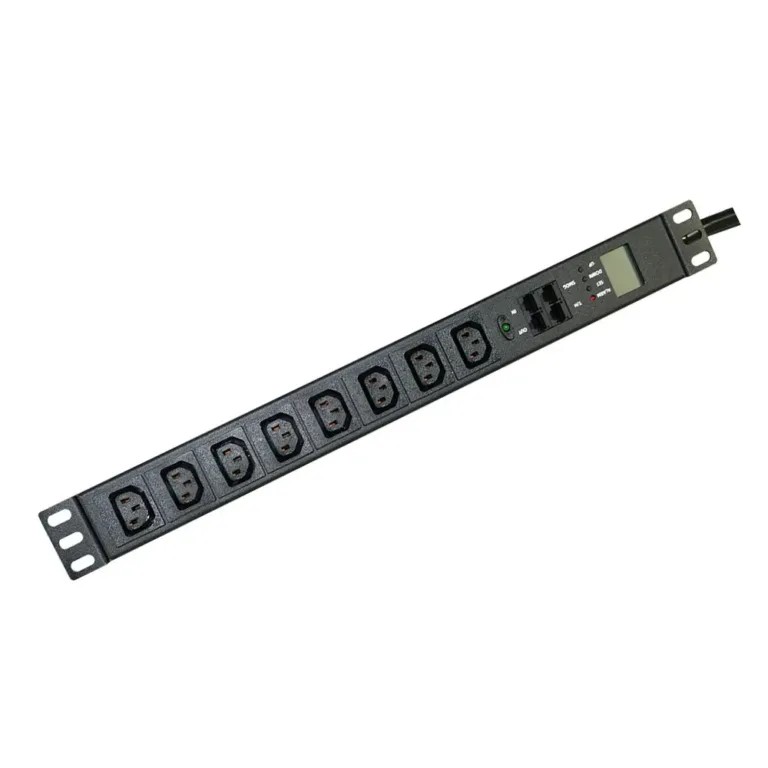
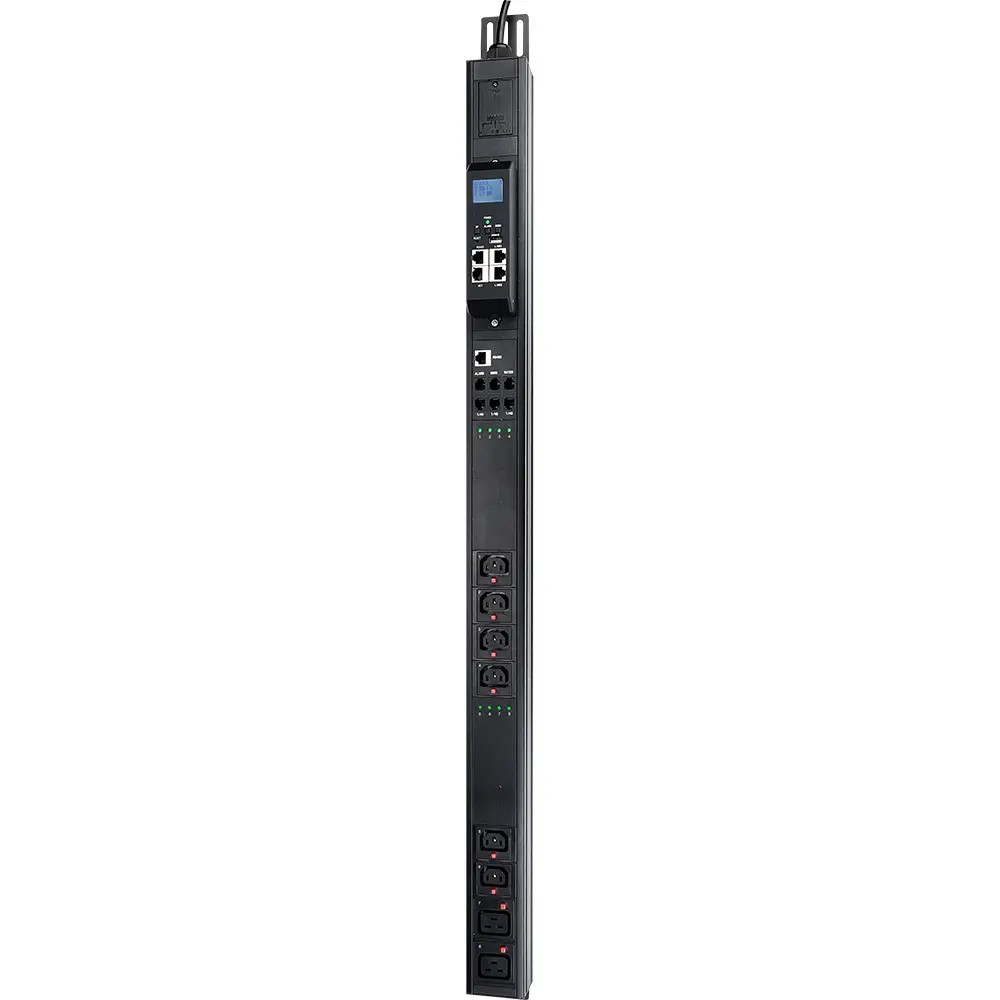
The primary purpose of a hot-swappable network module in a switched PDU is to enable replacement, upgrade, or servicing of the unit’s network management interface without cutting power to connected loads. This design eliminates downtime for critical server and network gear during maintenance, shortens service windows, and extends the service life of the PDU by enabling in-place network upgrades.

The network module is the communications and control component of a switched PDU. It connects the unit to the local area network, enabling operators to access outlet control, metering data, and configuration remotely via browser or DCIM platform. Without it, the PDU still delivers power to outlets, but loses all remote management and visibility capabilities.
Inside the module, integrated components work together to enable management:
Hot-swappable means the module can be removed and replaced while the PDU remains fully powered and all outlets stay live. The hardware supports live insertion, and onboard firmware automatically detects a new module, reads its ID, and brings the management interface online. Compliant designs follow standard mechanical and electrical specifications, so insertion and removal is consistent across units.
Only the network module itself is swapped — power delivery to connected loads continues uninterrupted. This separation of network service from power delivery is the core design advantage.

A failed or faulty network module does not require a full power cut to the rack. Technicians can swap out the defective card while outlets continue powering servers, storage, and network gear with zero voltage dip.
This eliminates the need for scheduled after-hours maintenance windows. Swaps can be performed during normal daytime shifts, with no risk of accidental server reboots. Across a fleet of PDUs, faults remain local, small events rather than site-wide outages.
Paired linked units add a second layer of redundancy. If the primary PDU loses power, a paired unit supplies backup power to the network card, preserving remote network access to the rack.
Star multi-linking extends this further: multiple power circuits can be grouped under a single IP address, enabling central management of all linked PDUs through one login, with individual outlet control across the group.
Modular design lets operators upgrade PDU connectivity and monitoring capabilities without replacing the entire unit. Technicians can swap the network board to add support for new security protocols, higher-resolution metering, or modern management interfaces, while the critical load remains powered.
This extends the service life of the PDU and eliminates the need for full chassis replacement just to update network features. It also allows fleets to standardize monitoring capabilities across older and newer units.
Real-time monitoring remains fully live throughout a module swap. Switched PDUs continuously report:
This uninterrupted visibility enables fast fault diagnosis, even during service. Secure remote access is maintained via HTTPS, SNMPv3, SSH, and RADIUS protocols.
Redundancy at the module level, paired with dual power inputs and automatic failover, creates a design that stays operational through single component failures. Routine service remains small and localized, with no need for full rack power downs.
No. Only the network module is removed from the chassis; all outlets remain live throughout the swap. Servers and storage gear run with no voltage dip, using the same continuous power path.
Yes, in a linked redundant setup. A paired unit supplies backup power to the network card if the primary unit loses power, preserving remote access to the PDU. Star multi-linking also centralizes control of multiple circuits under a single IP address.
Fixed modules work well for stable, unchanging deployments. Hot-swappable modules are ideal for growing or high-availability sites: they enable in-place upgrades, fast replacement of failed cards, and extended PDU service life without full chassis replacement.
All metering stays live through a swap: current, voltage, watts, power factor, and kWh at inlet, branch, and outlet levels. Environmental sensors (temperature, airflow, humidity, dew point) also remain active. Secure access runs via HTTPS, SNMPv3, SSH, and RADIUS.
Yes. Field-upgradable network modules let units adapt to new standards and protocols without full replacement, adding years of service life. Modular designs also lower mean time to repair across fleets, and reduce overall downtime.