Top Data Center Power Strips for Reliable Performance in 2025
Discover the top data center power strips for 2025, featuring advanced surge protection, real-time monitoring, and energy-efficient designs for reliability.


+86 15867381241
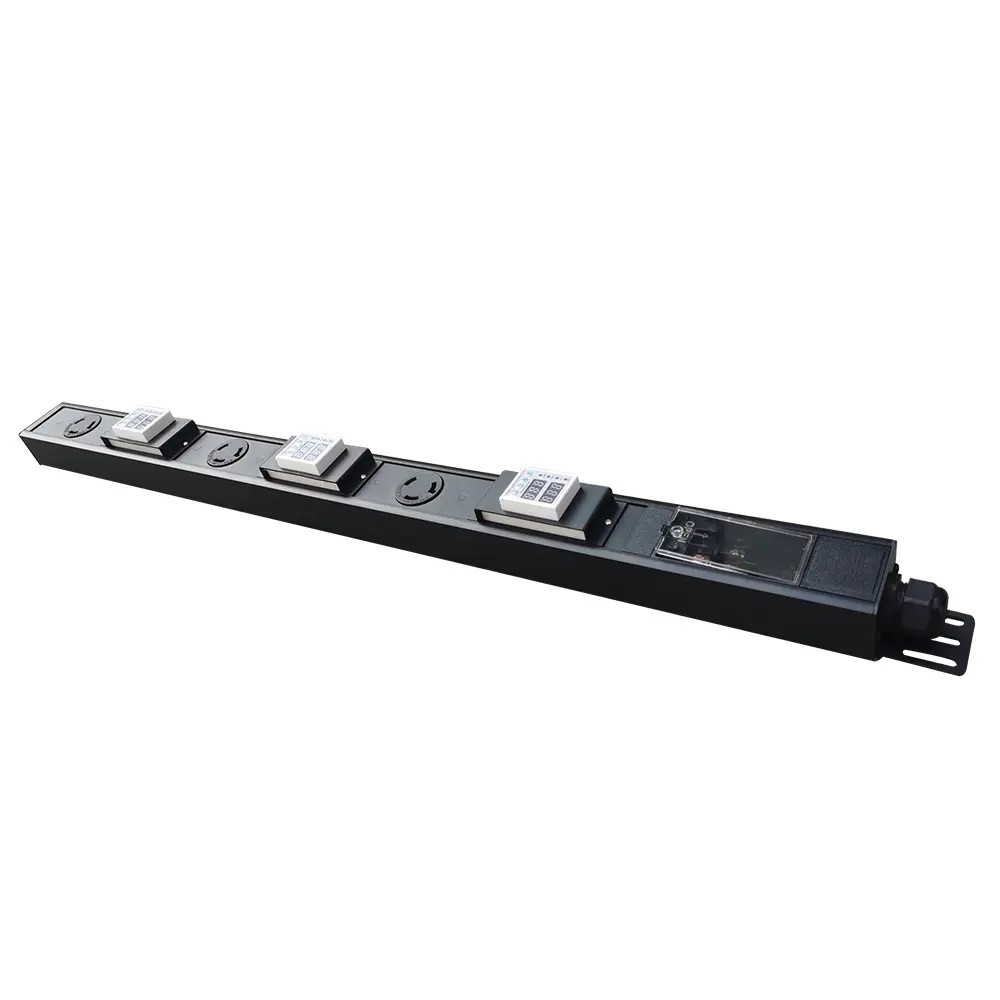
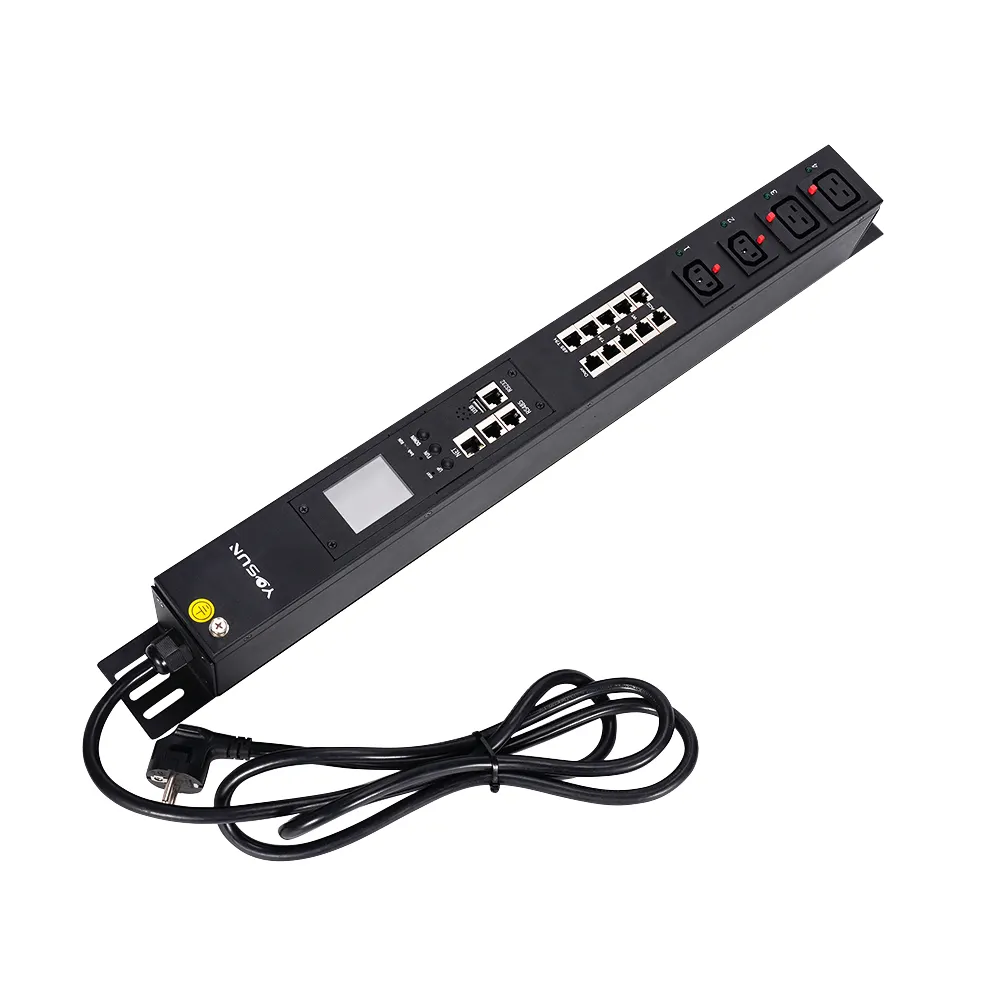
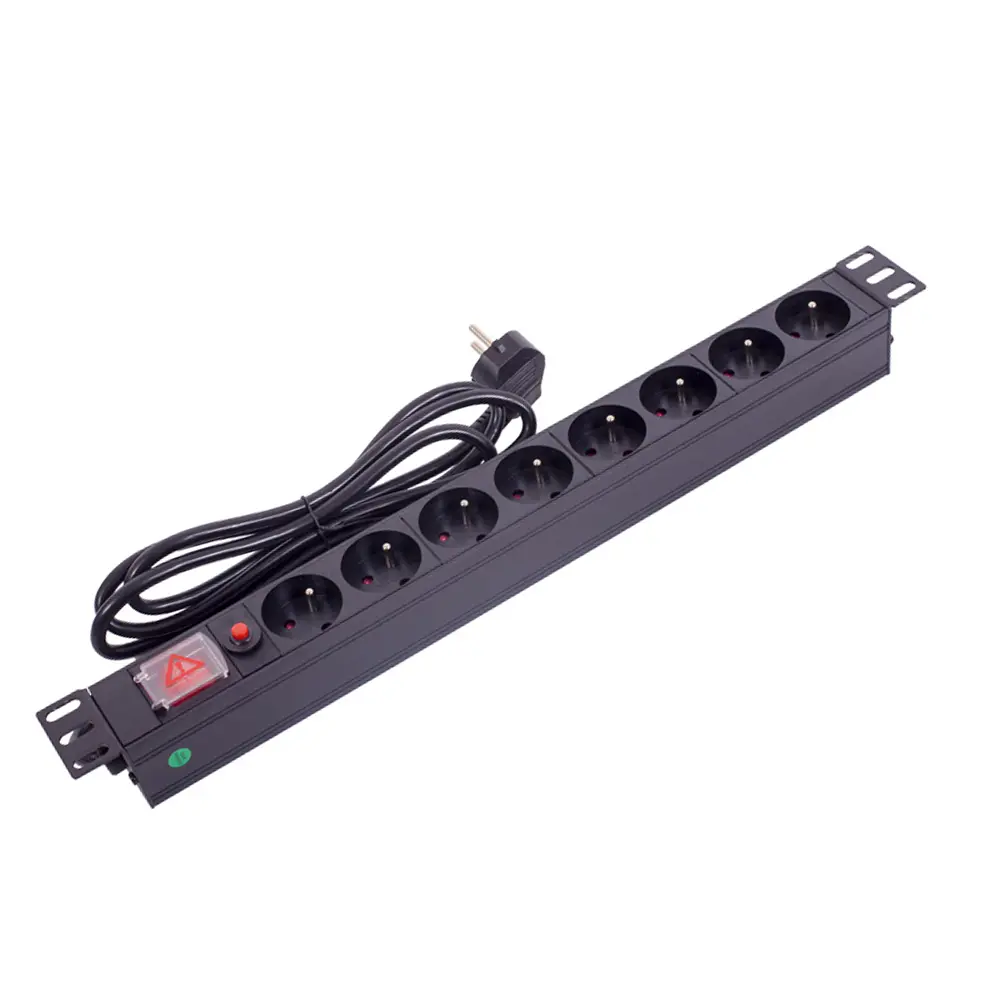
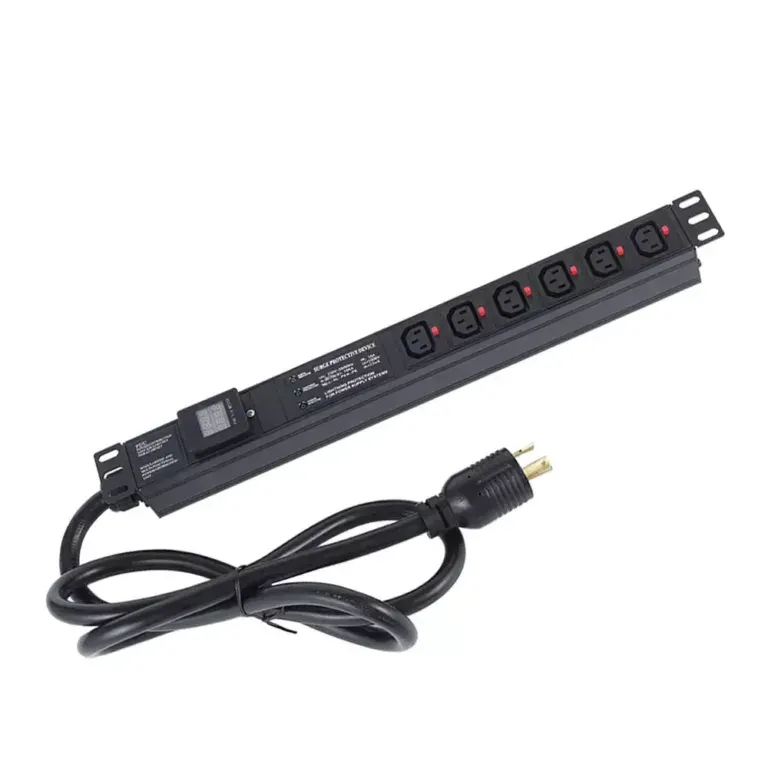
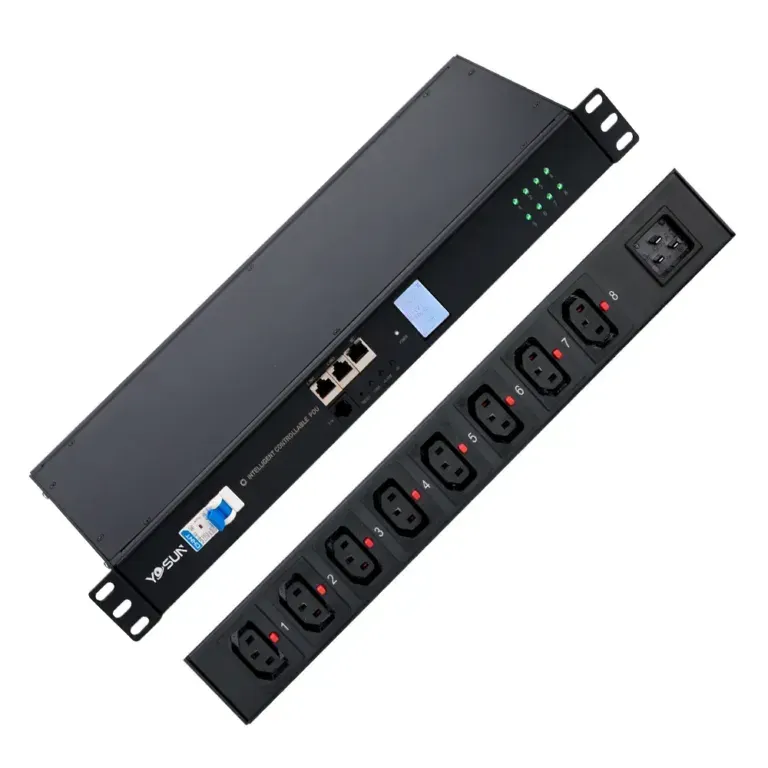
As data center workloads become denser, rack space, airflow, and power distribution are becoming increasingly important. Traditional horizontal PDUs can occupy valuable 1U or 2U rack space, while vertical rack PDUs mount along the side or rear of the rack without using equipment-mounting space. This 0U configuration helps data centers accommodate higher-density deployments while keeping power connections organized and minimizing interference with airflow. Vertical PDUs can also simplify cable routing and provide flexible power configurations as rack requirements change. For these reasons, they are increasingly used in modern data center and high-density server environments.
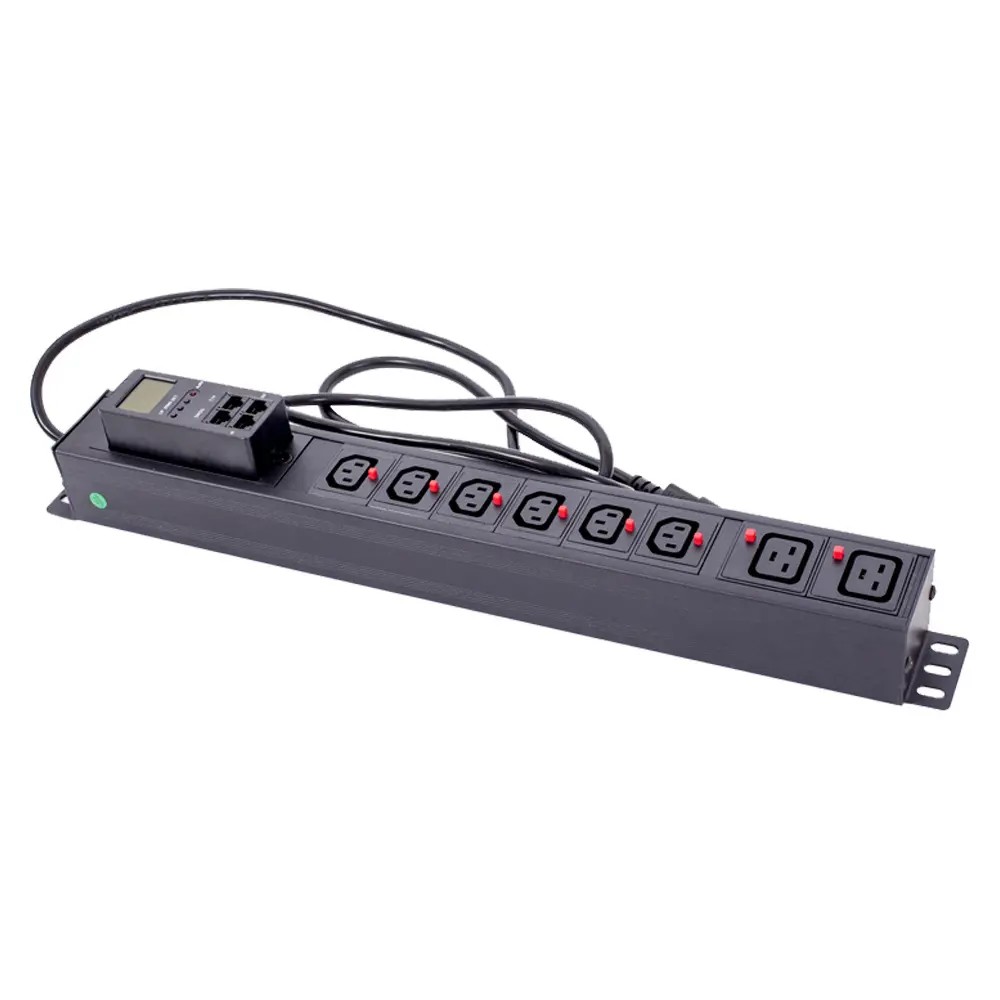
Data centers face constant pressure to maximize every inch of rack space. Traditional horizontal PDUs consume 1U or 2U of usable equipment space per rack, limiting compute density. Vertical rack PDUs eliminate this tradeoff entirely by mounting vertically along the rack’s side or back rail, using zero rack units of equipment mounting space.
The table below compares core differences between vertical and horizontal rack PDUs:
| Attribute | Vertical PDU (0U) | Horizontal PDU (1U/2U) |
|---|---|---|
| Mounting Orientation | Runs vertically along side/back rail | Mounts horizontally across the rack |
| Rack Space Usage | Zero rack units (0U) | Consumes 1U or 2U of usable space |
| Outlet Capacity | Up to 60 outlets per unit | Typically 6 to 16 outlets per unit |
| Accessibility | Outlets span full rack height | Outlets at single height, easy to reach |
| Airflow Impact | Minimal obstruction to front-to-back airflow | Partially blocks airflow depending on position |
| Ideal Use Case | High-density data centers, tall server racks | Small racks, edge deployments, labs |
This space efficiency is increasingly critical as AI and HPC workloads push rack power densities above 25 kW. As Vertiv notes in its PowerIT PDU launch: “The growing adoption of AI and HPC applications is driving unprecedented power demands in data centres.” Vertical PDUs deliver robust high-capacity power distribution in a 0U footprint, supporting dense compute configurations without sacrificing equipment space or airflow.
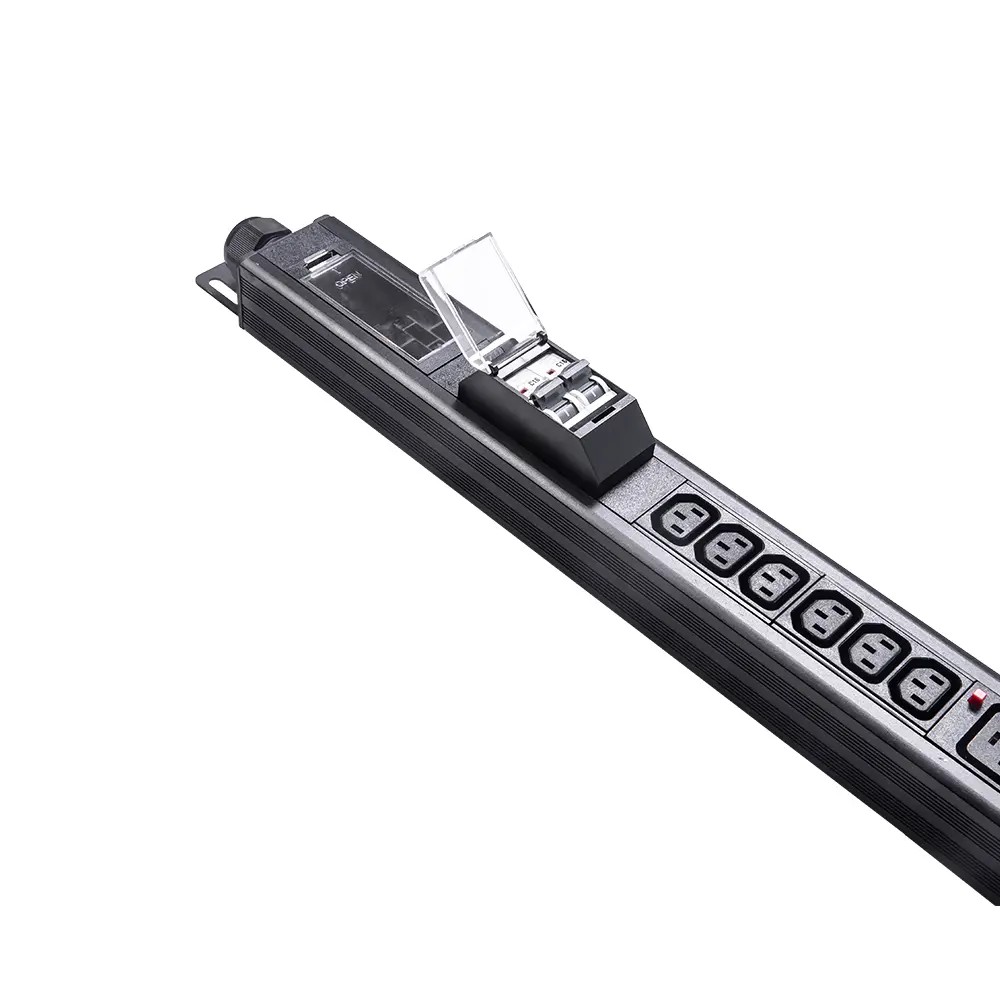
Heat remains the biggest threat to IT system reliability. Vertical PDUs improve thermal performance by design: their slim, side-mounted profile sits outside the primary front-to-back airflow path, so cool air moves freely from cold aisle to hot aisle with minimal obstruction. This eliminates hot spots that form when horizontal PDUs block airflow near server intakes.
Additional thermal benefits come from hydraulic-magnetic circuit breakers, which operate reliably across a wide temperature range with no derating:
This temperature stability allows data centers to run warmer cold aisle setpoints without tripping breakers, directly reducing cooling energy consumption.
Vertical PDUs are built for scalable growth, with modular designs that let operators expand power capacity without service interruptions. Hot-swappable network management controllers can be replaced or upgraded while the PDU remains live, cutting maintenance downtime to near zero and eliminating the need for scheduled power outages for upgrades.
Tool-less mounting brackets further simplify deployment: new units can be installed in minutes without removing existing rack equipment. Flexible outlet configurations (C13, C19, NEMA) also adapt to changing equipment mixes, so racks can be reconfigured for new workloads without replacing the full PDU.
Vertical orientation naturally improves cable management. Power cables run neatly along the rack edge, staying out of airflow paths and reducing tangles behind the rack. Outlets positioned at regular heights along the unit mean cables reach nearby equipment with minimal slack and cross-traffic. Locking outlets also prevent accidental cable disconnections during nearby maintenance work, reducing unplanned downtime.
Facilities with vertical PDU installations report cleaner rack layouts, faster cable tracing during changes, and lower operational labor costs for MAC (move, add, change) work.
Not necessarily. Before installation, check the rack’s height, available mounting space, mounting hole pattern, and PDU dimensions. The PDU should fit securely without blocking servers, cable trays, or other rack accessories. Also confirm that the rack supports the PDU’s mounting method, such as vertical 0U mounting or side mounting.
The choice depends on your rack layout, available mounting space, power needs, and outlet access. A vertical PDU is a practical option when you want to preserve front-facing U-space and maximize rack equipment density. A horizontal PDU may be better suited to racks with limited vertical mounting space or lower outlet requirements.
Yes. Vertical PDUs are available with different input types, voltage ratings, current capacities, phases, and outlet configurations. Buyers should match these specifications to the facility’s upstream power source and the electrical requirements of the equipment connected to the rack.
Yes. A dual-power server can connect to separate PDUs or independent power paths, typically using one power supply for each path. This setup can support redundant rack power when the upstream electrical infrastructure is designed with independent sources.
Check the PDU’s input rating, outlet configuration, mounting compatibility, cable length, and available rack space. It is also important to verify that the rack’s electrical distribution and upstream power source can support the PDU’s rated load.