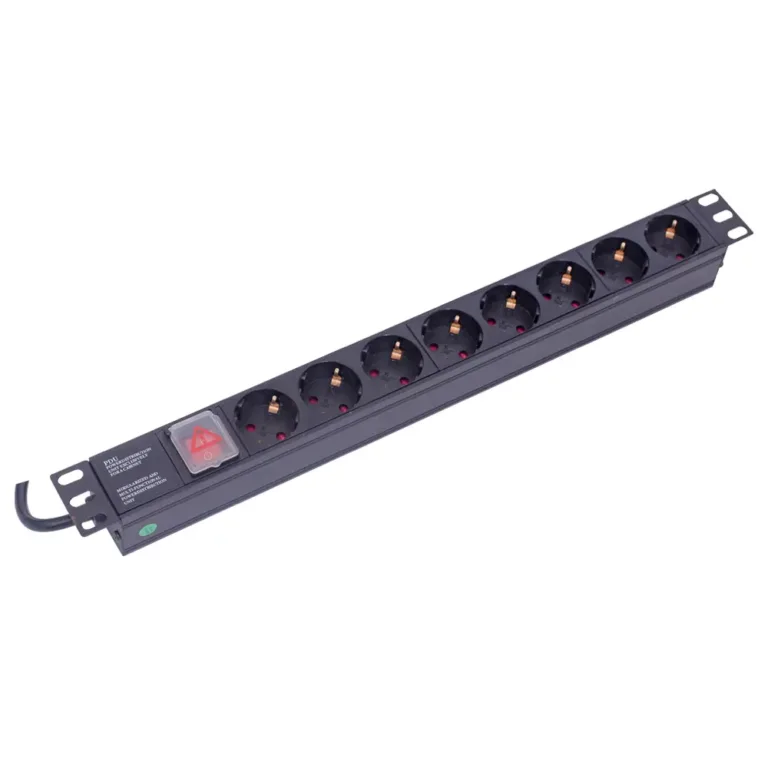
Cabinet Mounted PDU Installation Made Easy
Simplify cabinet mounted PDU installation with this guide. Learn about tools, safety tips, and steps to ensure efficient power distribution and cable management.


+86 15867381241
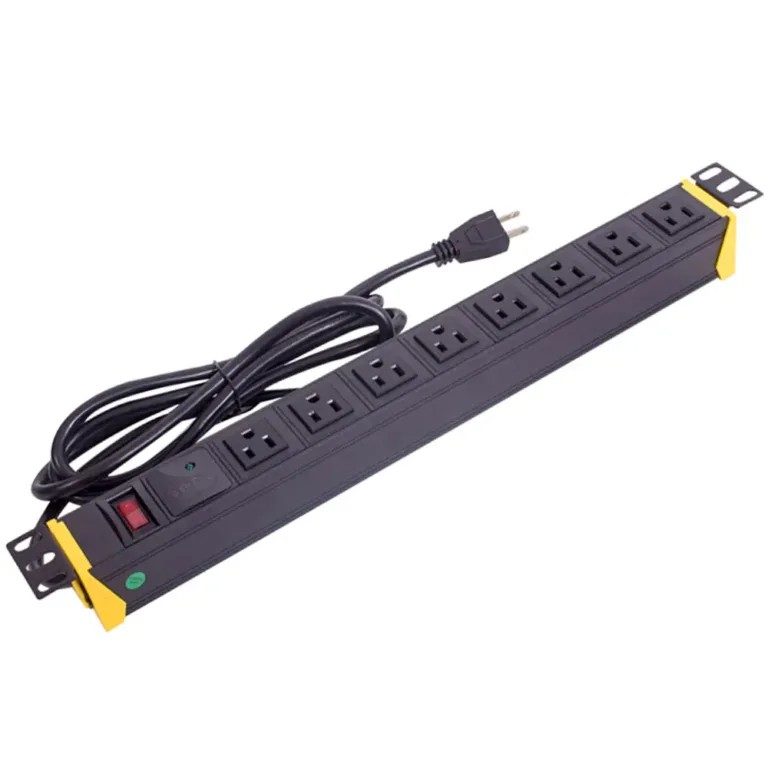
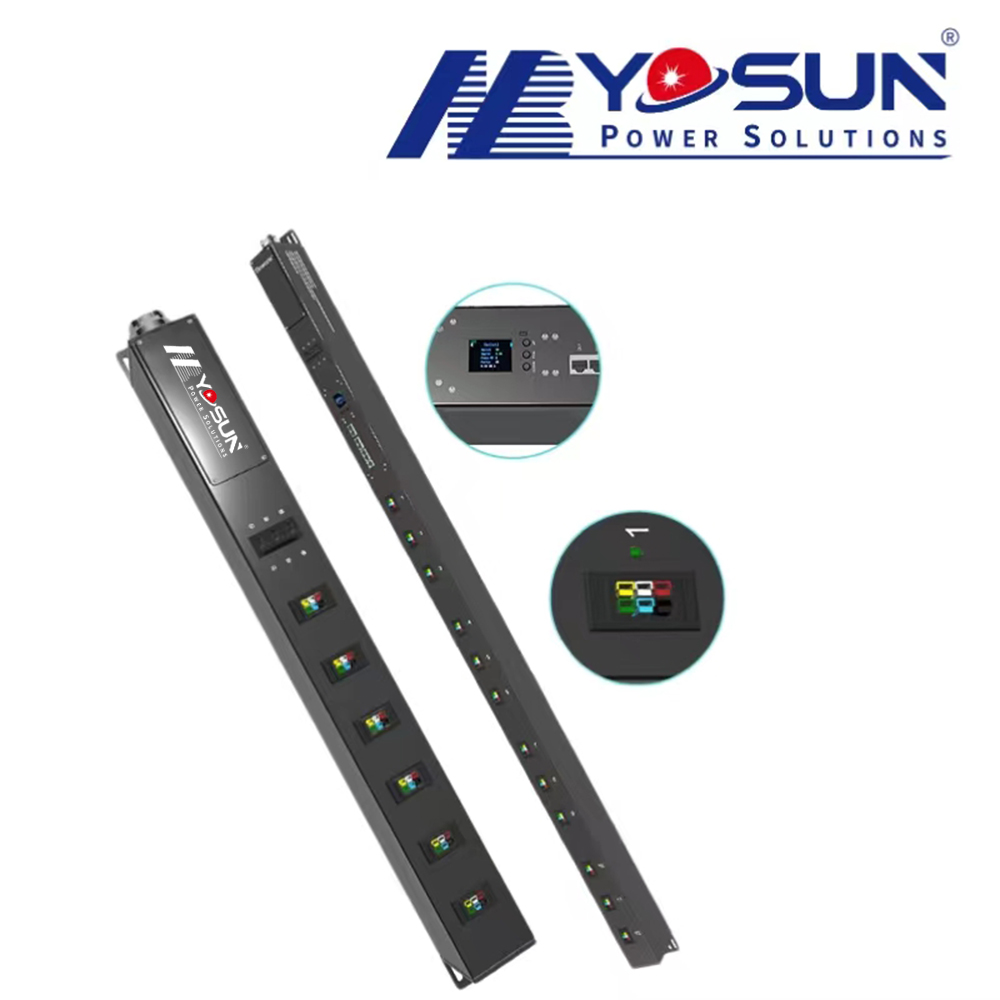
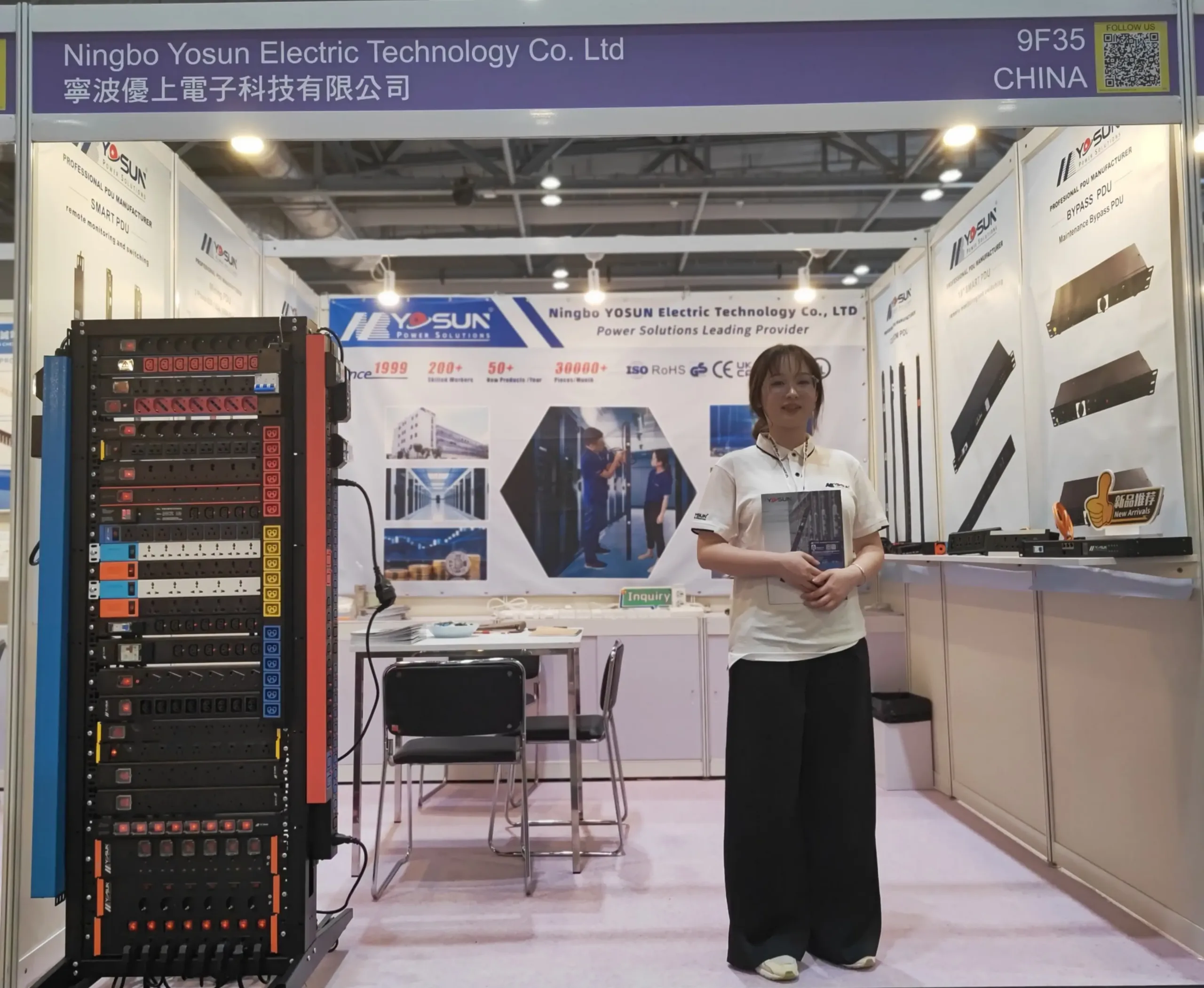
In a server room or data center, a single rack may power servers, switches, storage systems, and other critical IT equipment at the same time. A power distribution unit (PDU) distributes incoming power to these devices through a combination of input connections, internal distribution components, protection devices, and output outlets.
Basic PDUs focus on power distribution, while metered and smart PDUs add components for electrical measurement, network communication, remote outlet control, and environmental monitoring. The exact components vary by PDU type, electrical rating, and application.
This article explains the main components of a PDU and how additional components support power monitoring and management in server rooms and data centers.
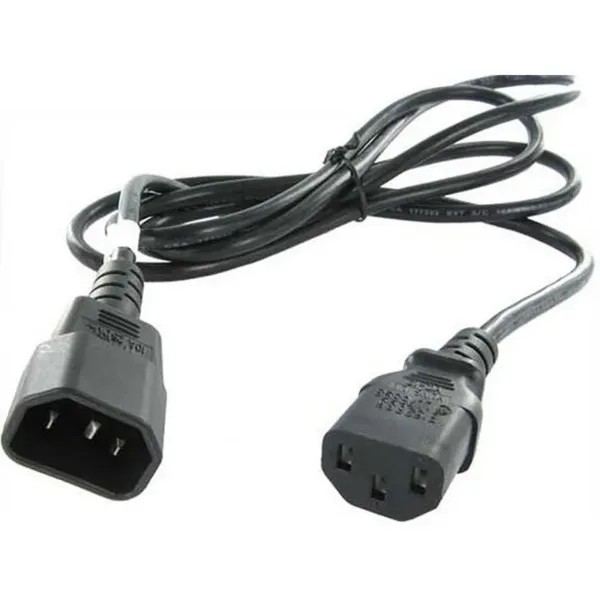
The input power connection is where electricity enters the PDU. Depending on the application and regional electrical standards, this may be a power cord and plug, a detachable input cable, or a hardwired connection.
Common connector families include IEC and NEMA connectors. Higher-capacity and three-phase installations may also use industrial connectors such as IEC 60309.
The input configuration affects the PDU’s electrical capacity and compatibility with the facility power system. Higher-density IT environments may use higher-capacity or three-phase inputs to support greater rack power requirements.
Once power enters the PDU, internal conductors, busbars, or wiring distribute electricity to the connected outlets.
Protection features vary by PDU design. Circuit breakers or other overcurrent protection devices may help protect circuits from overload conditions. Depending on the configuration, protection may be provided at the main input, individual branches, or through the upstream electrical system.
Higher-capacity PDUs may include branch-level protection for groups of outlets. This can help isolate an affected circuit during an overload and simplify troubleshooting within the rack.
Some specialized models may also include additional protection features such as surge protection, while other protection functions may be provided by the upstream electrical system.
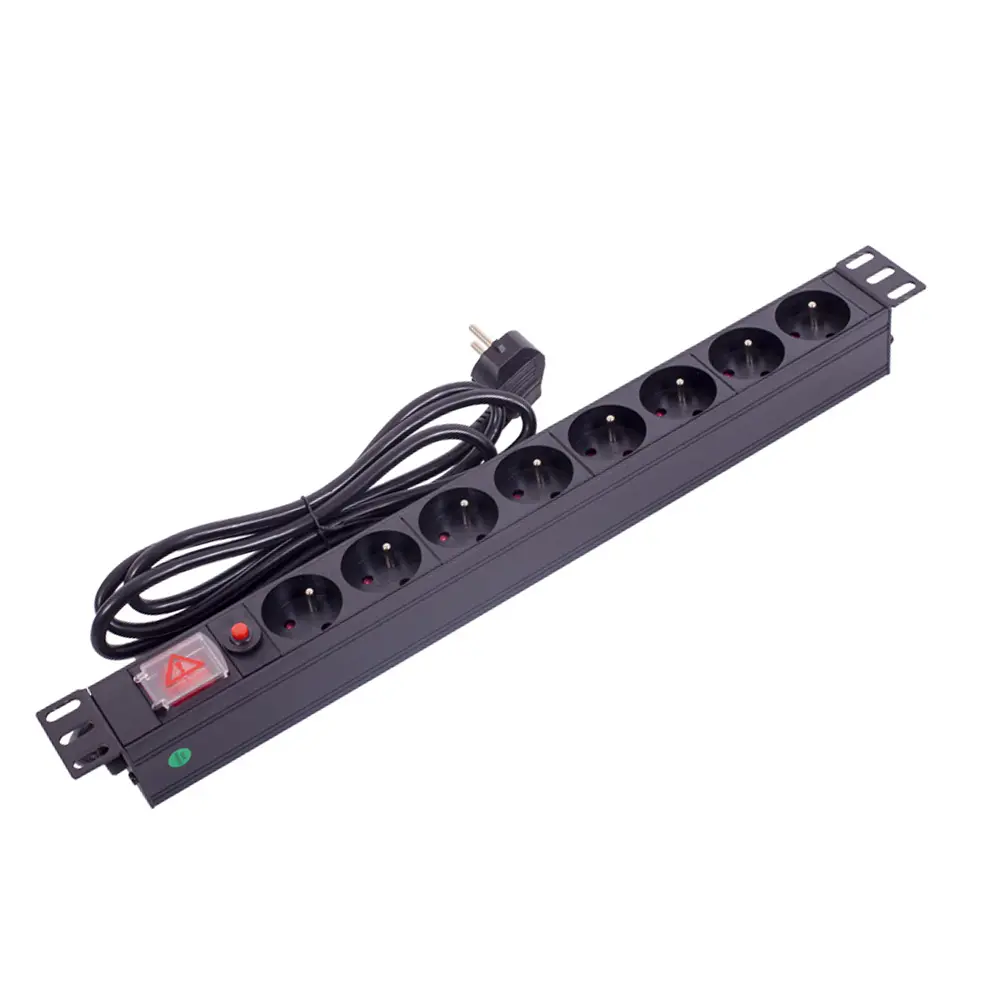
Output outlets deliver power from the PDU to individual devices inside the rack.
Common outlet types include:
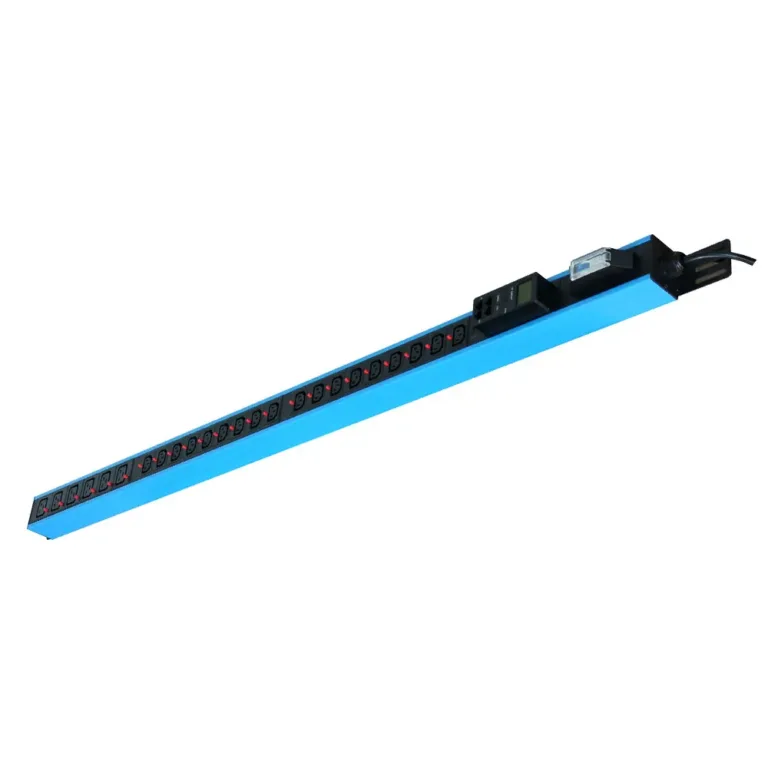
The number, type, and arrangement of outlets vary by PDU design. High-density vertical or 0U PDUs can provide many outlets while using minimal horizontal rack space.
The number of outlets does not determine the total power capacity of a PDU. The input rating, circuit rating, outlet ratings, and upstream electrical supply must also be considered.
Some models use color coding or outlet grouping to help technicians identify different circuits or redundant A/B power paths.ouping to help technicians identify different circuits or redundant A/B power paths.
Basic PDUs primarily distribute power. Metered and smart PDUs add components that measure electrical parameters, transmit data, and provide additional control capabilities.
Metered PDUs include measurement components that track electrical parameters such as current, voltage, power, and energy consumption.
Depending on the model, this information may be displayed through:
These measurements give operators greater visibility into rack-level electrical loads and can help identify available capacity or potential overload conditions.
Smart PDUs add network and communication interfaces that allow administrators to access power information remotely.
Depending on the product, supported interfaces and protocols may include:
These interfaces allow the PDU to communicate with network management platforms, building management systems, or data center infrastructure management (DCIM) systems.
Remote connectivity allows operators to monitor electrical conditions, receive alerts, and access PDU data without requiring direct physical access to the rack.
Some switched or advanced PDUs include internal switching components that allow individual outlets or outlet groups to be controlled remotely.
Depending on the model, this capability can be used to:
Outlet-level control can be particularly useful in remote, distributed, or high-density IT environments where physical access to equipment may be limited.
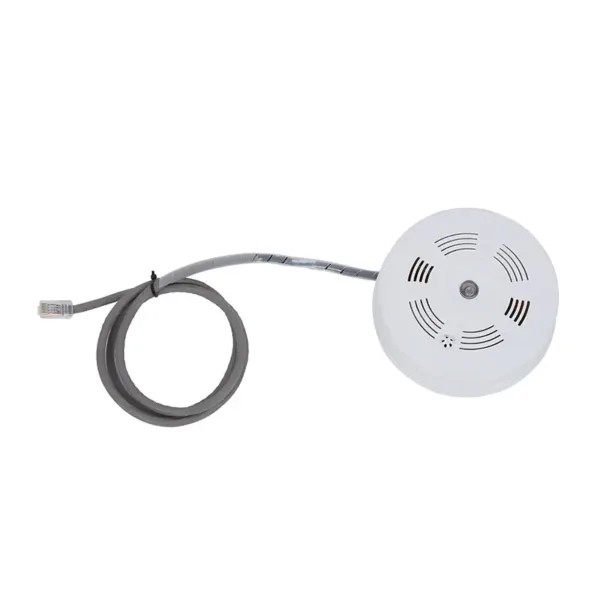
Some smart PDUs support integrated environmental sensors or external sensor interfaces for rack-level monitoring.
Depending on the PDU design, supported sensors may monitor:
Environmental monitoring can help operators identify conditions that may affect equipment reliability, such as excessive heat, humidity, or water exposure.
When connected to DCIM or other management platforms, environmental data can be viewed alongside power measurements to provide a broader picture of rack conditions.
Sensor support varies by model. Some PDUs include integrated sensors, while others provide ports for compatible external sensors that may need to be installed separately.
Not every PDU includes the same protection components. Depending on the design, a PDU may include a main circuit breaker, branch-level protection, or other overcurrent protection. Some protection functions may instead be provided by the upstream electrical system.
No. A PDU with more outlets does not necessarily have a higher power rating. Total capacity depends on factors such as the input rating, circuit capacity, outlet ratings, and the upstream electrical supply.
A basic PDU primarily distributes power to connected equipment. A smart PDU adds capabilities such as network connectivity, remote monitoring, outlet-level switching, or environmental monitoring, depending on the model.
Yes, when the PDU includes metering and network communication capabilities. Depending on the model, administrators can remotely access measurements such as voltage, current, power, and energy consumption through a management interface or supported network protocols.
No. Environmental monitoring capabilities vary by model. Some smart PDUs include integrated sensors, while others provide interfaces for external temperature, humidity, airflow, or water-leak sensors.
This depends on the PDU design. Some advanced models use modular monitoring, communication, or sensor components, while others have fixed internal configurations. Replacement or upgrading should follow the manufacturer’s specifications.