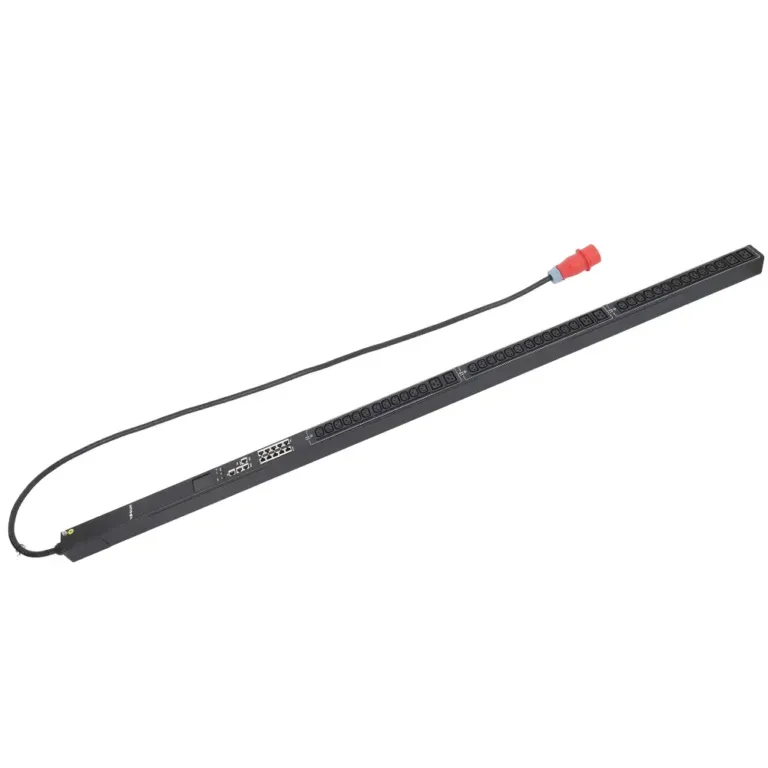
How can PDU power balancing be achieved?
Reliable power distribution helps ensure the safe and stable operation of equipment. YOSUN provides trustworthy PDUs, offering intelligent solutions and customization options. Industry experts recommend...


+86 15867381241
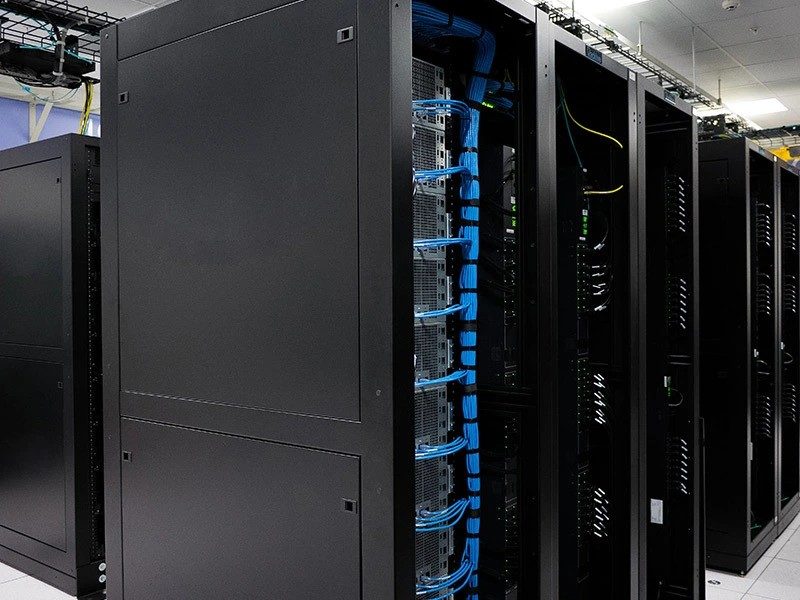
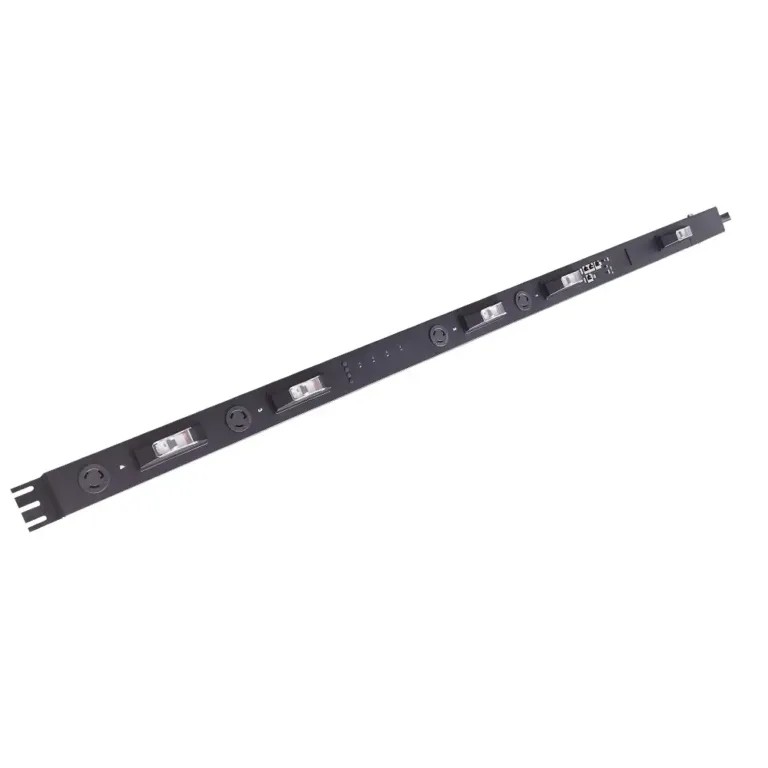
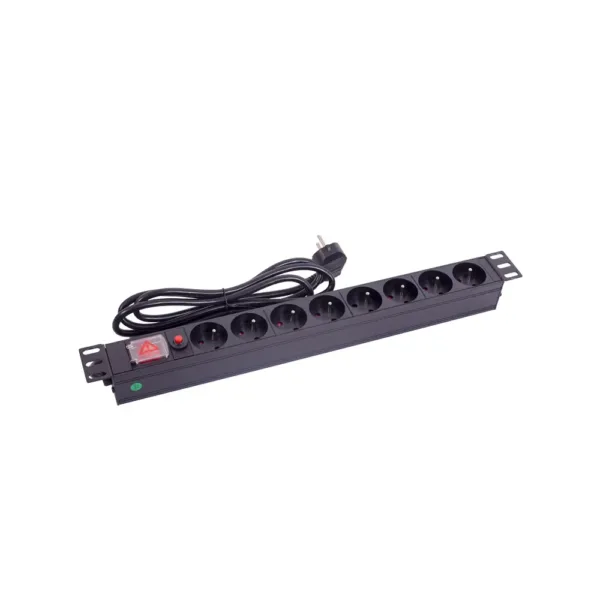
A power distribution unit (PDU) is a device that distributes electrical power to servers, networking equipment, storage systems, and other IT hardware in data centers and server rooms. The primary purpose of a PDU is to distribute power from an upstream electrical source to multiple rack-mounted devices while helping operators manage electrical loads. Depending on the model, a PDU may also support load balancing, power monitoring, outlet control, and redundant power configurations.
From basic rack PDUs to metered and intelligent models, different PDU types provide different levels of visibility and control for server rooms, data centers, and other IT environments.
A PDU performs several functions in rack power infrastructure, from centralized power distribution to load management and support for redundant power configurations.
The primary function of a PDU is to distribute incoming electrical power to multiple devices within a server rack.
A rack PDU provides a centralized set of outlets for connecting servers, switches, storage systems, and other rack-mounted equipment. This helps keep power connections organized and simplifies cable management within the cabinet.
Depending on the design, PDUs may support:
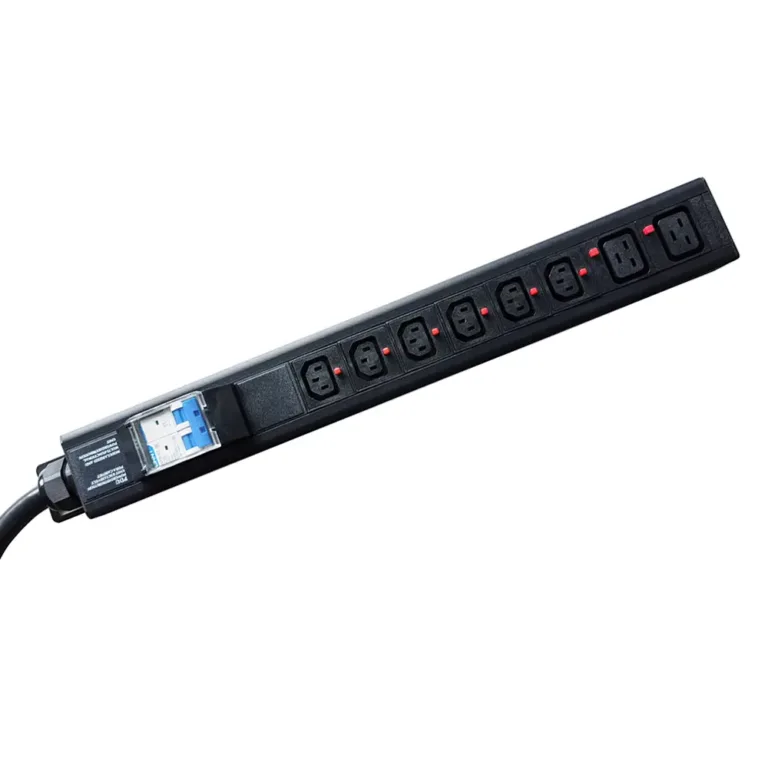
Depending on the design, a PDU may include circuit breakers, fuses, or other overcurrent protection to help protect circuits from overload conditions.
Protection may be provided at the main input, individual branches, or through the upstream electrical system. Some higher-capacity PDU designs include branch-level protection for groups of outlets, which can help isolate an affected circuit during an overload and simplify troubleshooting.
The specific protection features depend on the PDU model and the electrical architecture in which it is installed.
In three-phase installations, a PDU can help distribute connected IT loads across the available phases. Proper distribution helps prevent excessive loading on individual circuits and makes better use of available electrical capacity.
Metered and monitored PDUs can provide visibility into electrical loads, allowing operators to identify uneven loading and make adjustments when necessary.
Load balancing is part of the broader electrical design of a data center. The PDU works together with upstream distribution equipment, UPS systems, and other electrical infrastructure rather than independently controlling the entire power system.
PDUs can form part of a redundant rack power configuration.
Servers with dual power supplies can connect to separate A/B power paths. When these paths are supplied by independent upstream power sources, a failure in one power path can allow the other path to continue supplying the equipment.
This arrangement can help maintain equipment operation during certain power-path failures. However, redundancy depends on the complete electrical architecture, including independent power sources, distribution paths, UPS systems, and other supporting infrastructure.
PDUs provide different levels of power visibility and control while performing the same fundamental power distribution function.
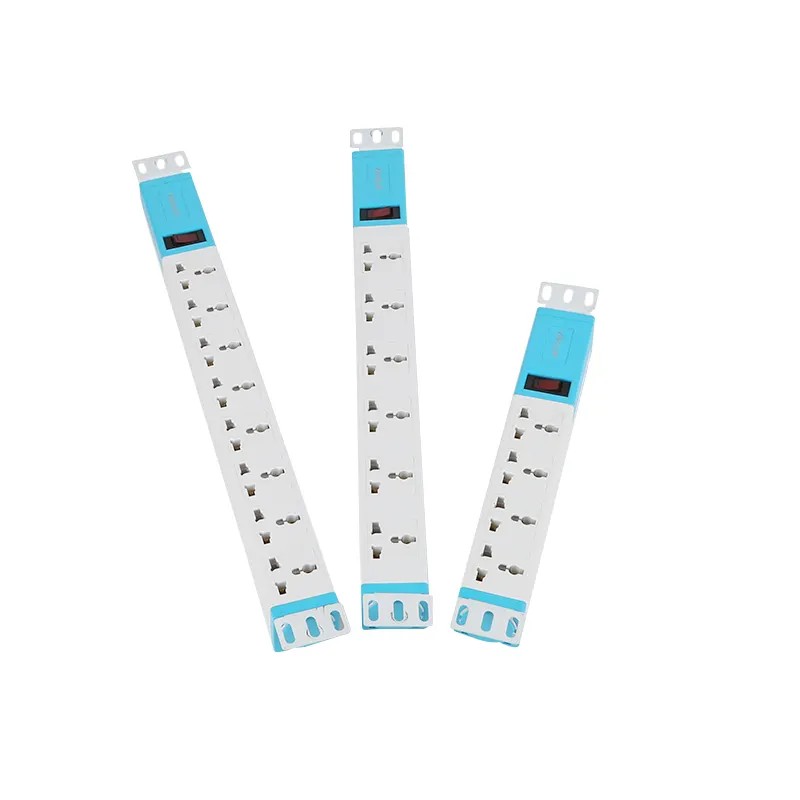
Basic PDUs primarily provide power distribution without advanced monitoring or network management features.
They are suitable for installations where operators mainly need a centralized way to connect rack equipment to an upstream power source. Depending on the model, a basic PDU may also include different input configurations, outlet types, or circuit protection.
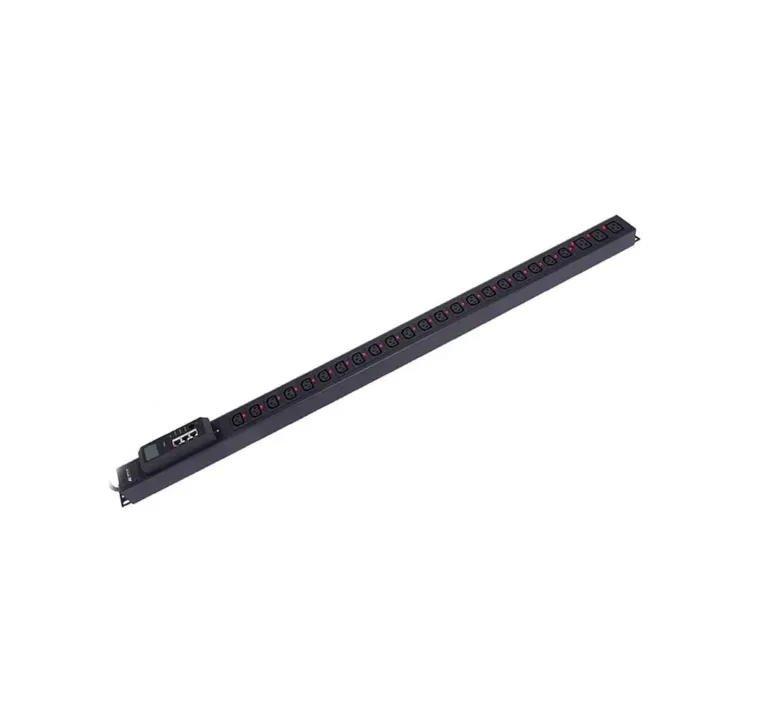
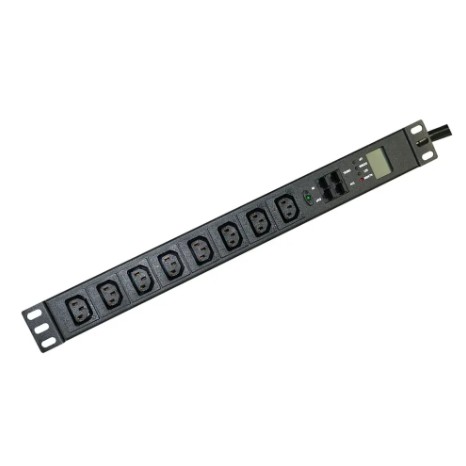
Metered PDUs add electrical measurement components that provide information about rack-level power conditions and consumption.
Depending on the model, they may measure:
This information gives operators greater visibility into electrical loads and available capacity. Metering may be provided through a local digital display or another supported interface.
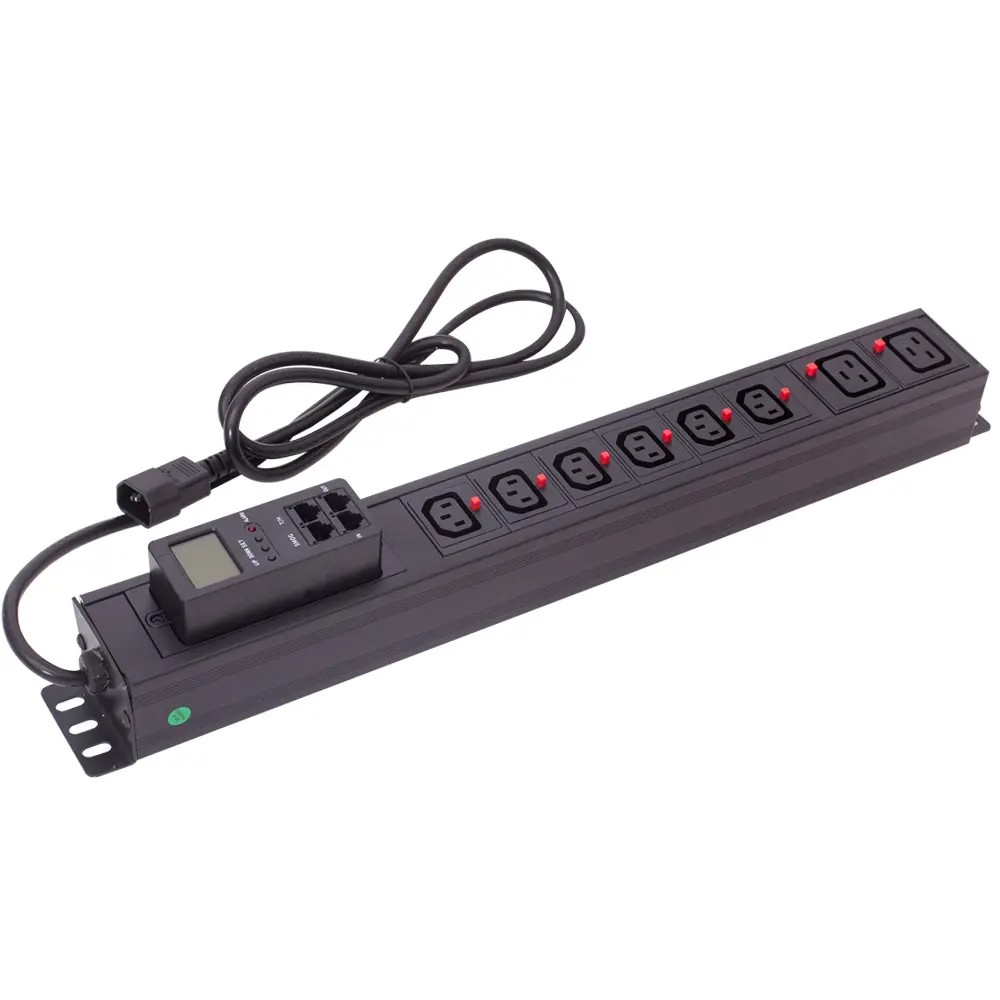
Smart or intelligent PDUs add network connectivity and additional management capabilities.
Depending on the model, they may support:
These capabilities allow administrators to access rack power information remotely and, on supported models, control individual outlets or outlet groups.
PDUs are important in data centers because they provide a structured way to manage rack power as equipment requirements become more complex and power densities increase.
A properly configured PDU helps keep rack power connections organized and can provide protection or monitoring features depending on the model.
In redundant rack configurations, separate PDU power paths can also support A/B power architectures when combined with independent upstream electrical sources.
Metered and intelligent PDUs provide rack-level power data that can help teams:
This information gives operators a clearer picture of available capacity when adding or upgrading IT equipment.
High-density racks may contain servers, storage systems, networking equipment, and other devices with different power requirements.
PDUs designed for higher-capacity applications can provide suitable input configurations, outlet arrangements, and monitoring capabilities for these environments.
Power monitoring can also help operators understand how closely a rack is approaching its available electrical capacity as equipment is added or upgraded.
No. Basic PDUs may only provide power distribution, while metered and intelligent PDUs add different levels of electrical measurement and monitoring capabilities.
A PDU is designed for structured power distribution in applications such as server racks and data centers. Depending on the model, it may provide rack mounting, different electrical configurations, circuit protection, power monitoring, or remote management.
Yes. A PDU can be part of a redundant rack power configuration, such as an A/B power architecture for dual-corded equipment. Effective redundancy also requires independent upstream power sources and appropriate electrical infrastructure.
Smart PDUs provide greater visibility and control over rack power. Depending on the model, they can support remote monitoring, alerts, outlet switching, and environmental sensor connections.
A PDU does not directly make IT equipment more energy efficient. Metered and intelligent PDUs can provide power consumption data that helps operators understand electrical usage, plan capacity, and support broader data center energy analysis.