Dual Input PDU vs Single Input PDU Which Is Right for You in 2025
A dual input PDU connects to two power sources for automatic backup, ensuring continuous power and reliability for critical equipment in 2025.


+86 15867381241

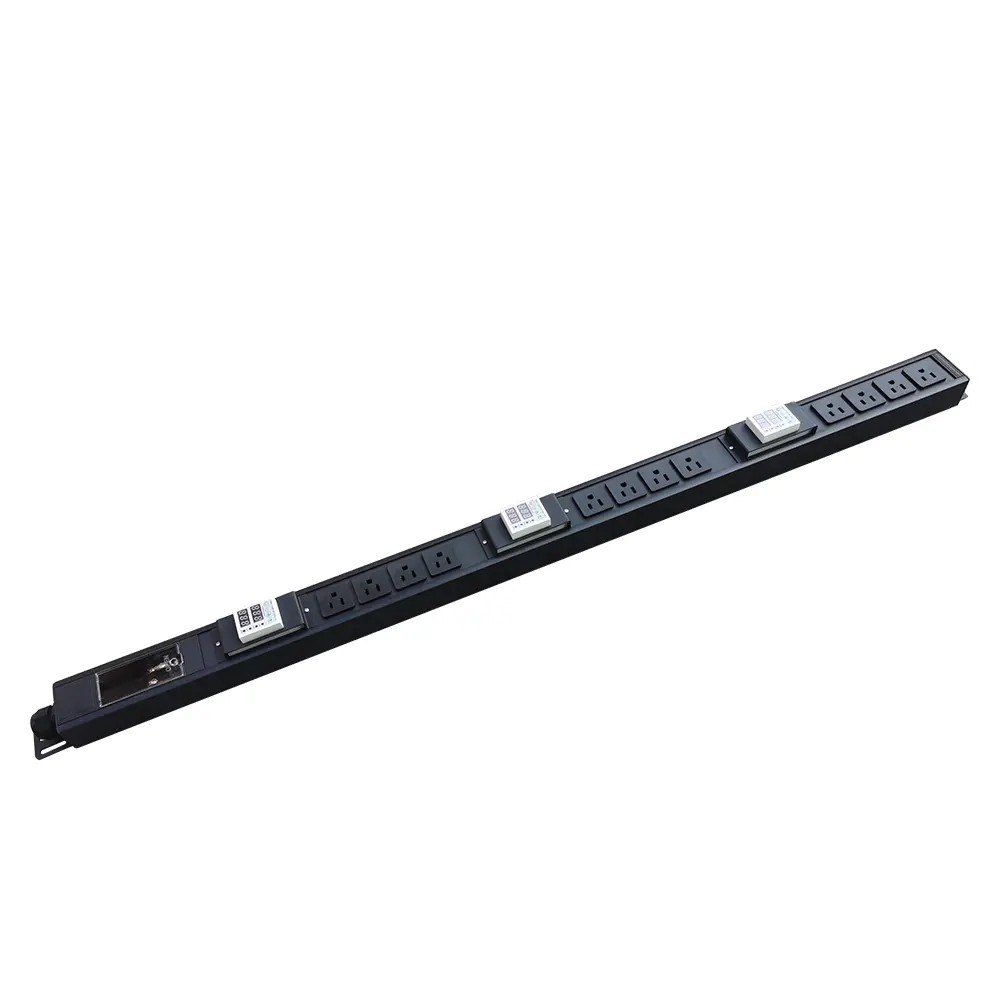
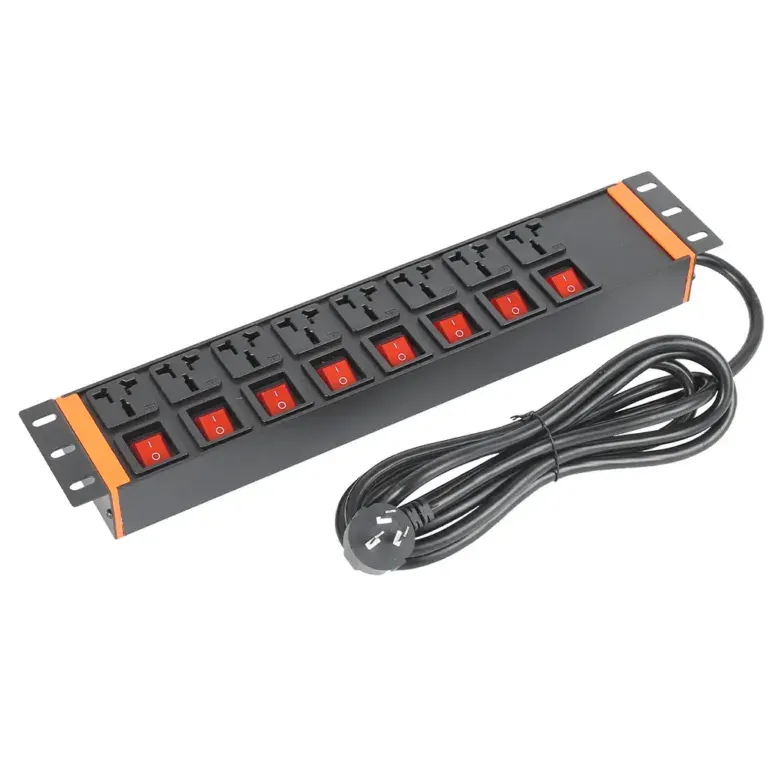
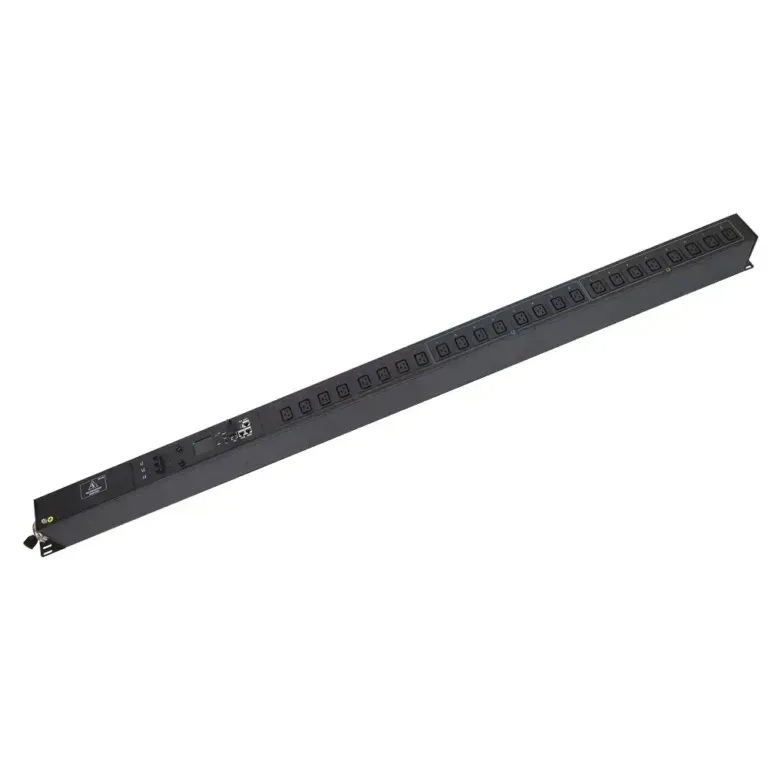
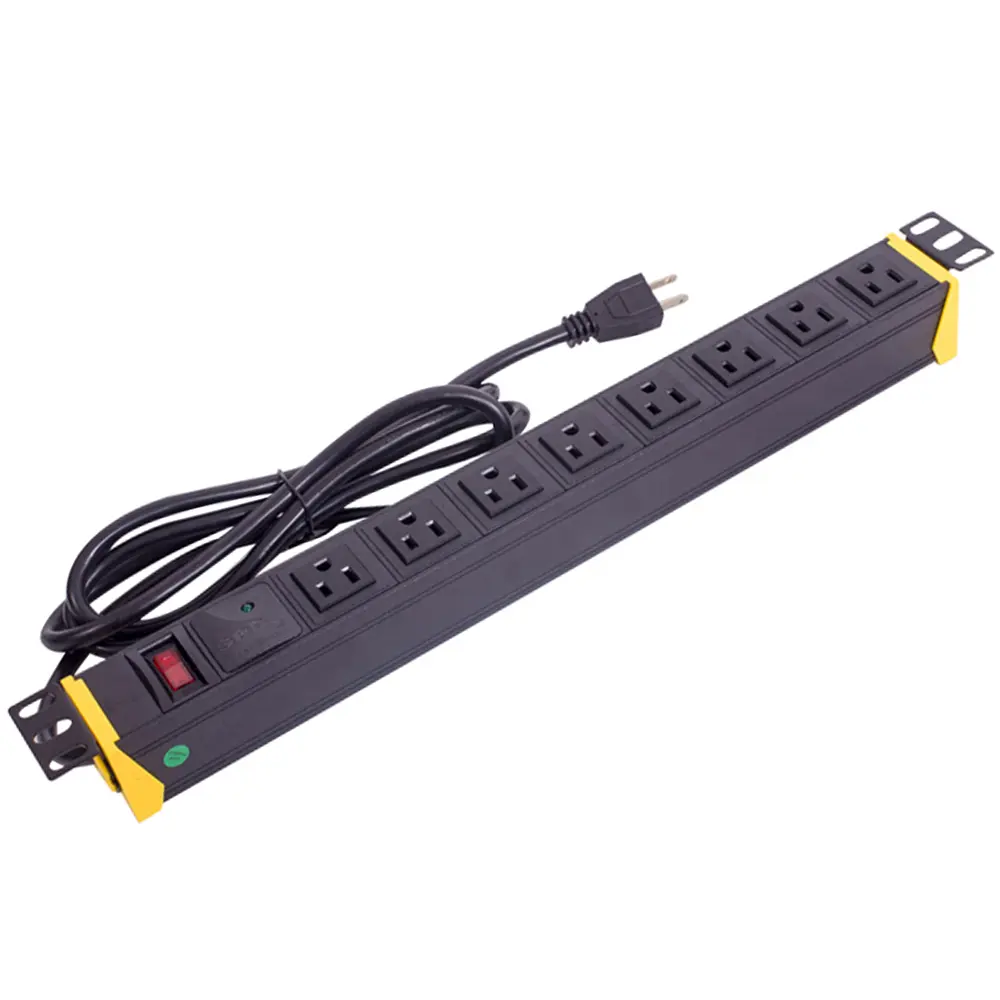
A server PDU (Power Distribution Unit) is a rack-mounted industrial device that delivers reliable, controlled power to servers, network switches and storage equipment in data centers and server rooms. Unlike consumer power strips, server PDUs are engineered to handle high electrical loads, protect sensitive IT equipment and support organized power management in rack environments.
Server PDUs are the foundation of any data center power infrastructure. They work with UPS systems and backup generators to ensure continuous power delivery, preventing costly downtime and equipment damage.
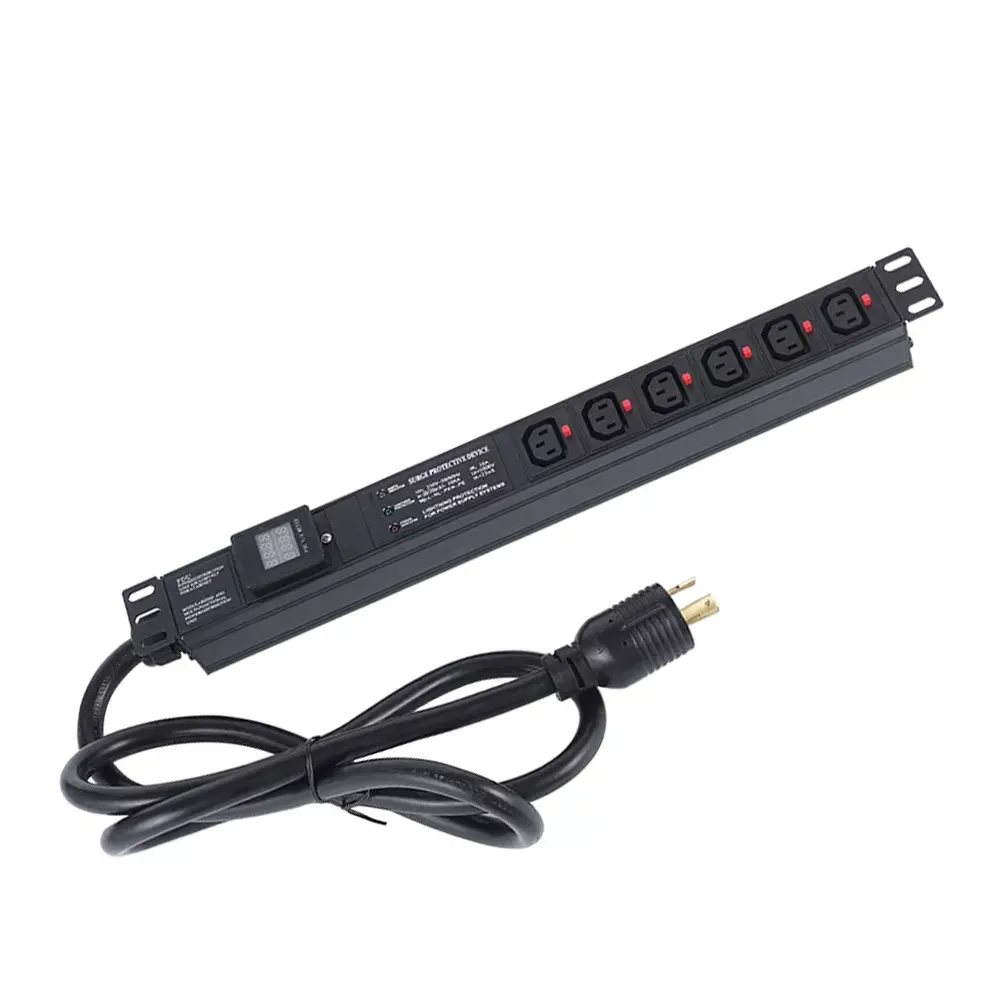
The primary function of a server PDU is to distribute power evenly to all devices in a rack. It takes a single high-capacity power input and splits it into multiple outlets, eliminating the need for messy daisy-chained power strips. This organized setup keeps cables neat, improves airflow and simplifies equipment management.
Server PDUs provide critical protection against common electrical hazards:
Advanced server PDUs provide real-time visibility into power usage and system health. This allows IT teams to:
Server PDUs are categorized by their functionality and features:
| PDU Type | Monitoring Capabilities | Remote Control | Best Use Case |
|---|---|---|---|
| Basic PDU | None | No | Small server rooms, non-critical equipment, simple power distribution |
| Metered PDU | Input-level power monitoring | No | Medium server rooms, capacity planning, energy usage tracking |
| Monitored PDU | Real-time input and outlet-level monitoring | No | Data centers, critical systems, proactive fault detection |
| Switched PDU | Full real-time monitoring | Individual outlet on/off control | Enterprise data centers, remote management, energy optimization |
Basic PDUs are the simplest and most cost-effective option. They provide reliable power distribution without any monitoring or control features. They are ideal for small businesses and non-critical applications where advanced functionality is not required.
Metered PDUs display total power consumption at the unit level, helping IT teams avoid overloads and plan capacity. Monitored PDUs provide more detailed real-time data, including voltage, current and power factor, and can send alerts for abnormal conditions.
Switched PDUs offer the highest level of control. They allow IT administrators to turn individual outlets on or off remotely, enabling remote server reboots, energy conservation and secure access control. They are essential for large data centers and remote facilities.
Server PDUs are available in a wide range of power capacities to suit different rack requirements:
| PDU Rating | Voltage | Amperage | Maximum Power | Typical Use Case |
|---|---|---|---|---|
| Entry-Level | 120V/208V | 15A-30A | 1.4kW-6.2kW | Small offices, network closets |
| Mid-Range | 208V/230V | 30A-50A | 6.2kW-11.5kW | Medium server rooms, edge data centers |
| High-Capacity | 208V/400V | 50A-100A | 11.5kW-40kW | Enterprise data centers, high-density racks |
Server PDUs can be mounted vertically or horizontally, each with distinct advantages:
Smart PDUs include advanced remote management capabilities:
Now that you understand what a server PDU is and the different types available, it is important to know how to deploy and maintain them properly. Correct installation and regular maintenance ensure maximum uptime, prevent equipment damage and extend the lifespan of your PDUs.
Proper installation prevents overloads, improves airflow and extends equipment lifespan:
Follow this standardized maintenance routine to prevent downtime:
| Frequency | Required Tasks |
|---|---|
| Monthly | Check load levels to prevent overloads |
| Quarterly | Inspect cables and connections for signs of overheating |
| Quarterly | Clean PDUs to remove dust buildup |
| Semi-annually | Update firmware to patch security vulnerabilities |
| Annually | Test circuit breakers to verify proper operation |
Server PDUs are a critical part of modern data center and server rack infrastructure. They provide stable power distribution, improve cable organization, protect equipment from electrical faults, and support efficient power management for servers and network devices.
As a professional PDU manufacturer, YOSUN supplies rack-mounted basic, metered, monitored, and switched PDUs for server rooms, data centers, and industrial IT environments. We support multiple outlet standards, custom configurations, and reliable global power distribution solutions for enterprise and infrastructure projects.
A server PDU is an industrial-grade device designed for high-power IT environments. It has higher power capacity, better safety features and more durable construction than consumer power strips. PDUs also support advanced features like remote monitoring and control.
It depends on your needs. Basic PDUs are sufficient for small, non-critical setups. Smart PDUs are recommended for medium to large data centers, remote facilities and any environment where uptime and energy efficiency are important.
With proper maintenance, high-quality server PDUs have a service life of 10-15 years. Regular inspection and firmware updates will help extend their lifespan.
No. Daisy chaining PDUs creates a serious fire hazard and violates electrical codes. Each PDU should be connected directly to a dedicated circuit.
Metered PDUs only monitor power usage, while switched PDUs allow you to control individual outlets remotely. Switched PDUs offer all the features of metered PDUs plus remote management capabilities.