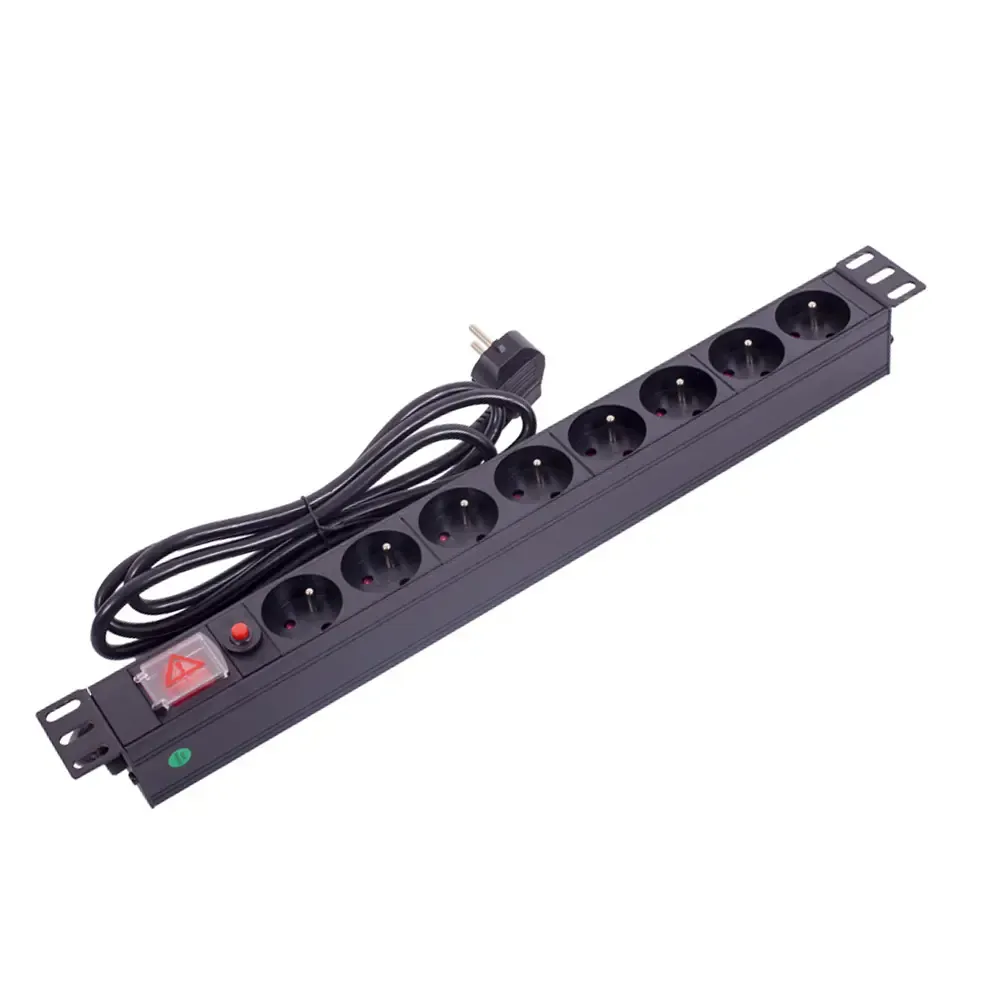
Installing a Rack Mounted PDU Made Easy for Beginners
Easily install a rack mounted PDU with step-by-step tips for safe setup, cable management, and overload protection—perfect for beginners and IT pros.


+86 15867381241
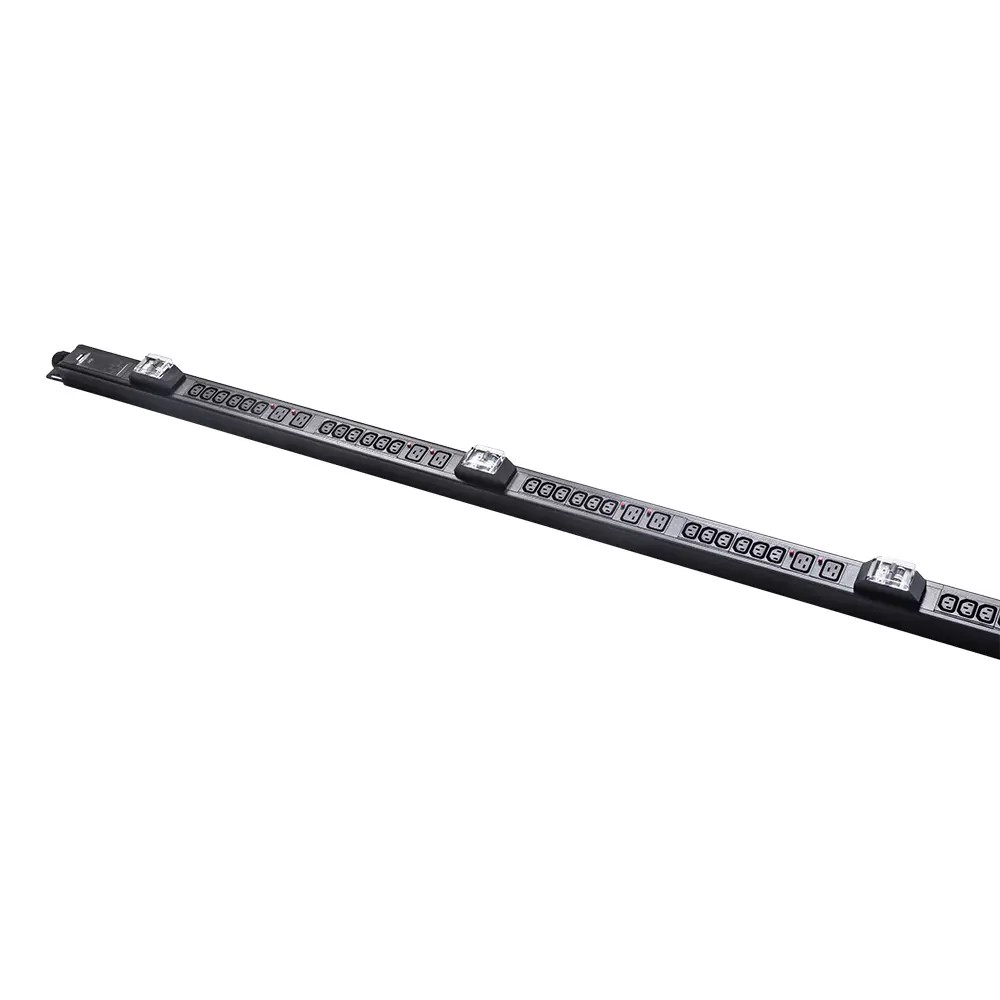
For data centers, server rooms and industrial IT environments, reliable power distribution is the foundation of stable equipment operation. The transmission quality of a US type PDU (Power Distribution Unit) directly affects equipment safety, uptime and energy efficiency. Evaluating PDU quality requires systematic testing across electrical performance, build reliability and safety compliance, using standardized industry methods and professional measuring tools.
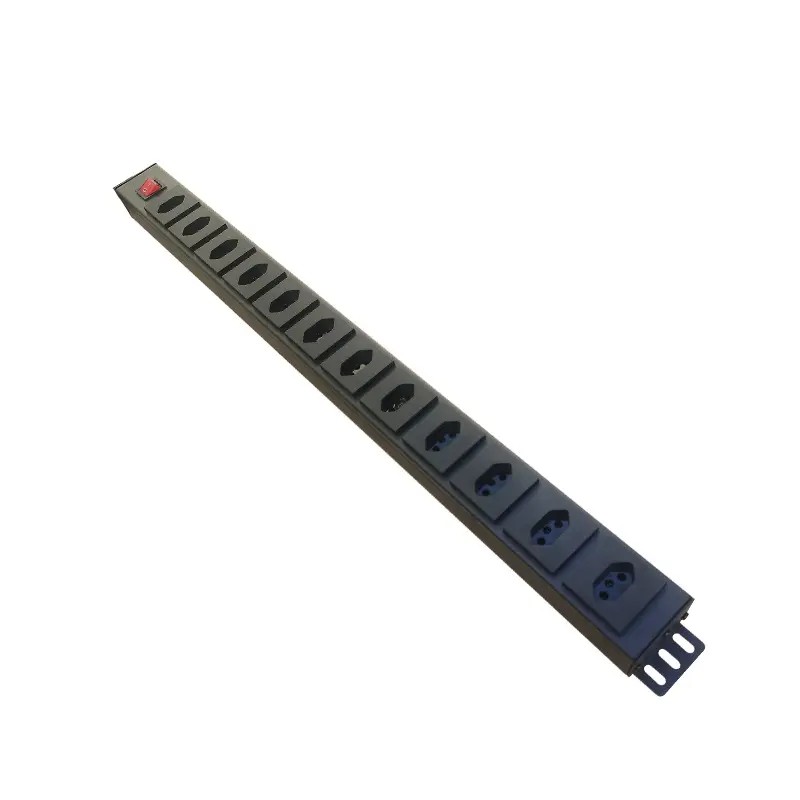
Voltage stability is the most basic metric for measuring PDU transmission performance. Fluctuations beyond the acceptable range can lead to equipment malfunctions, data loss or even permanent hardware damage.
For US standard power systems, common rated voltages are 120V and 208V. Industry best practice requires outlet voltage to remain within ±5% of the rated value under full load conditions. Engineers typically use digital multimeters and power quality analyzers to take readings at individual outlets under varying load levels to confirm consistency.
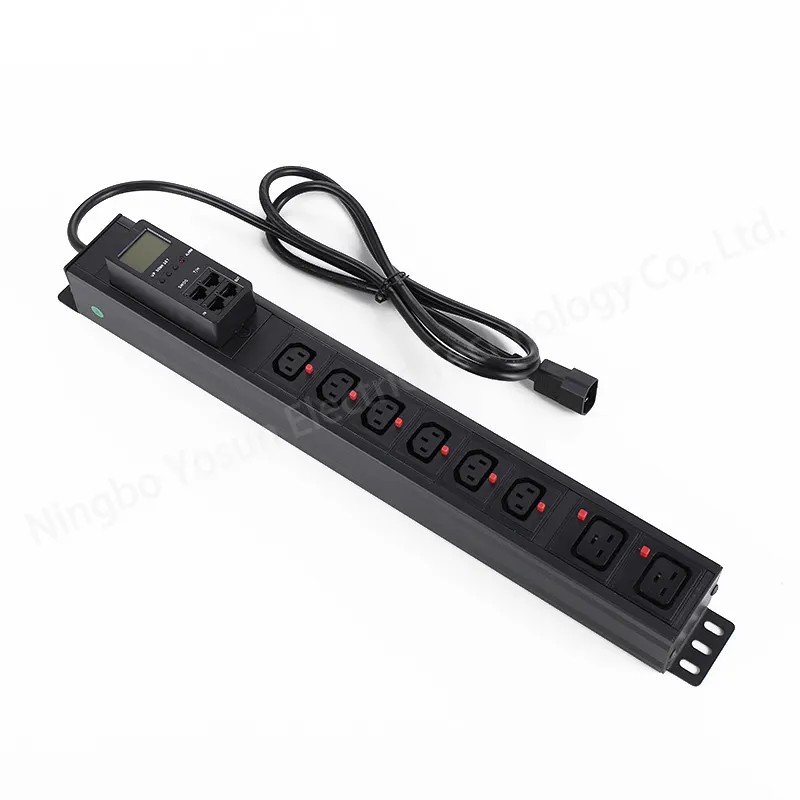
Metered and smart PDUs from experienced PDU manufacturers such as YOSUN include built-in voltage monitoring, allowing data center teams to continuously track power stability without relying on additional handheld testing equipment.
Current capacity defines the maximum continuous current a PDU can safely carry, which is critical for preventing overloads and overheating. US type PDUs are commonly rated at 15A, 20A and 30A for standard rack applications.
The industry standard 80% loading rule applies to all circuit designs for safety:
Operating below this threshold reduces heat buildup and extends the service life of both the PDU and connected equipment.
Clean, consistent power quality is essential for sensitive IT equipment. Poor power quality can cause premature component failure and system errors. Key power quality metrics include:
Power quality meters are used to capture these metrics over time, identifying intermittent issues that simple spot checks may miss.
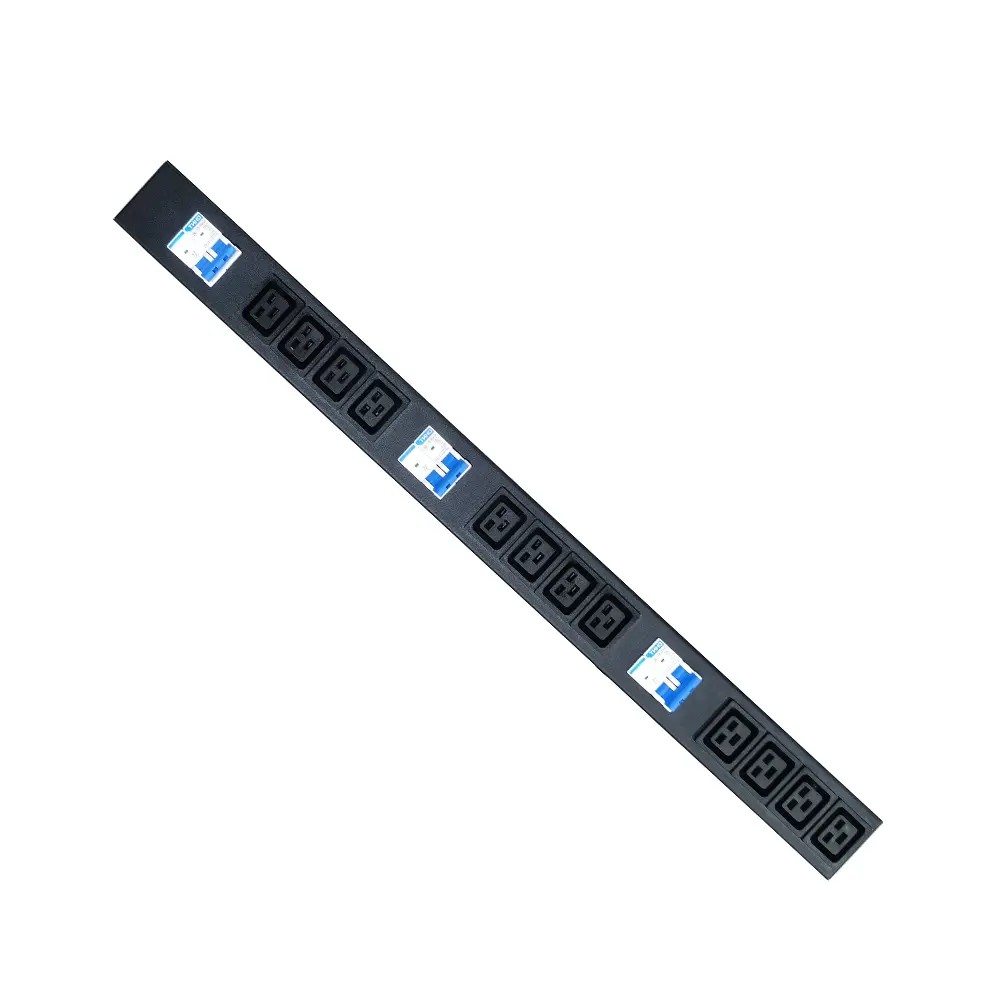
Accurate electrical measurement is the foundation of performance validation. Professional testing follows standardized procedures:
For production-grade validation, instrument transformers are used to test insulation performance and ensure long-term operational safety.
Full load testing verifies that a PDU can maintain stable performance at its rated capacity. Standard test steps include:
Established manufacturers such as YOSUN perform strict factory load tests on every unit, with products certified to ISO 9001, CE and UL standards to ensure reliable transmission performance.
Overall transmission efficiency reflects how much power is lost as heat during distribution. Key tracking metrics include:
| Metric | Description |
|---|---|
| Real-time Current (A) | Live current draw across the PDU and individual circuits |
| Wattage (W) | Active power consumption of connected devices |
| Voltage (V) | Output voltage delivered to each outlet |
| Frequency (Hz) | Consistency of the AC power supply frequency |
| Peak Load | Record of maximum historical load for capacity planning |
| Power Factor | Ratio of active power to apparent power, indicating usage efficiency |
| Total Energy Consumption | Cumulative energy use over time for cost and capacity analysis |
High-quality PDUs maintain high transmission efficiency with minimal heat loss, even under sustained full-load operation.
Transmission quality goes beyond electrical metrics — built-in protection mechanisms prevent failures and mitigate risks. Core safety features include:
| Safety Feature | Function | Operational Risk Reduction |
|---|---|---|
| Overload Protection | Trips circuits automatically when current exceeds safe limits | Prevents overheating, fire risk and equipment damage |
| Surge Suppression | Absorbs transient voltage spikes from lightning or grid disturbances | Maintains stable output and avoids sudden equipment failure |
| Load Balancing | Evenly distributes load across phases | Prevents single-phase overload and reduces heat buildup |
| Redundant Inputs | Supports dual power feeds from independent sources | Maintains uptime if one power source fails |
Premium PDUs also use durable housings and optimized internal thermal design to keep temperature rise within safe limits during continuous operation.
For US type PDUs, compliance with national and international standards is a non-negotiable indicator of quality. Key regulatory requirements include:
Certified PDUs undergo independent third-party testing, ensuring they meet consistent safety and performance benchmarks.
High-quality PDUs must maintain consistent performance over years of continuous use. Factors that contribute to long-term stability include:
For mission-critical environments, long-term reliability is often more important than upfront cost, as downtime can result in far greater financial losses.
Measuring the quality of a US type PDU requires more than checking basic electrical specifications. A thorough evaluation should include voltage stability, current handling capability, power quality performance, load testing results, and overall transmission efficiency.
Equally important are safety protections, industry certifications, and long-term reliability. By combining standardized testing methods with careful assessment of build quality and compliance standards, data center operators can select PDUs that provide safe, efficient, and dependable power distribution for critical IT infrastructure.
A PDU distributes power to multiple IT devices such as servers and network gear in a data center, enabling safe, organized power management and supporting stable equipment operation.
A smart PDU provides real-time power data including voltage, current and energy usage, and supports remote outlet control. It enables early fault detection, reduces on-site maintenance and improves overall power management efficiency.
Excessive voltage fluctuations can cause server malfunctions, data loss or permanent hardware damage. Stable voltage within the ±5% rated range prevents unplanned downtime and protects sensitive electronics.
For US deployment, prioritize UL certification and NEC compliance. Additional global certifications such as CE, RoHS and ISO 9001 further validate safety, build quality and manufacturing standards.
Power monitoring identifies energy-wasting devices and unutilized equipment, allowing teams to optimize load distribution and reduce unnecessary power consumption. This lowers operating costs and supports sustainability targets.