Remote pdu power switch comparison for easy sharing
Compare top remote PDU power switch brands for features, security, scalability, and price to find the best fit for your data center or IT setup.


+86 15867381241
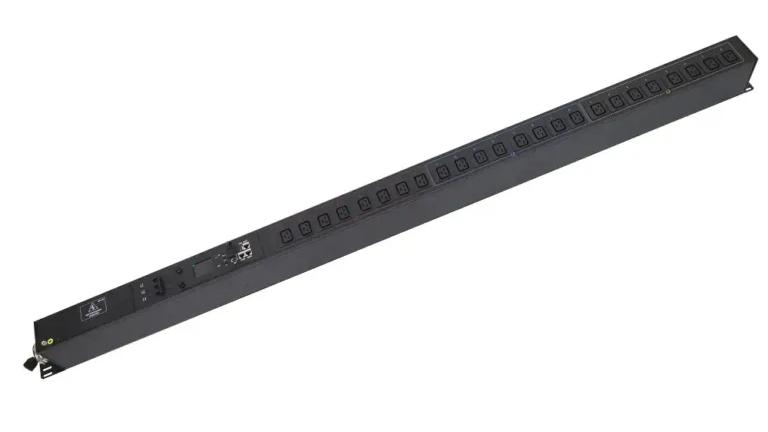
No, a power distribution unit (PDU) and a surge protector are not the same — they serve completely different functions in IT power infrastructure. A PDU distributes reliable power to multiple devices in a server rack, acting as a heavy-duty, rack-mountable power strip. A surge protector defends equipment from damaging voltage spikes and electrical surges, but does not add significant power distribution capacity.
Many new data center managers confuse the two, and some advanced PDUs do include optional surge suppression. For most deployments, however, they are separate components that work together to keep equipment safe and running. This guide breaks down the core differences, use cases, and how to choose the right solution for your setup.
The simplest way to tell them apart is by their primary job:
| Category | PDU (Power Distribution Unit) | Surge Protector |
|---|---|---|
| Core Function | Distributes power to multiple devices from a single input | Blocks voltage spikes and surges from reaching connected equipment |
| Primary Use Case | Server rack power distribution in data centers | Desktop/office equipment surge defense |
| Surge Protection | Optional on premium models; not standard | Built in as the primary feature |
| Amperage Rating | 15A – 30A+ for continuous 24/7 duty | 15A typical, for intermittent/light use |
| Mounting | 1U/2U horizontal or 0U vertical rack mount | Desktop or floor placement |
| Advanced Features | Metering, remote monitoring, outlet switching, ATS redundancy | Basic on/off switch, indicator light |
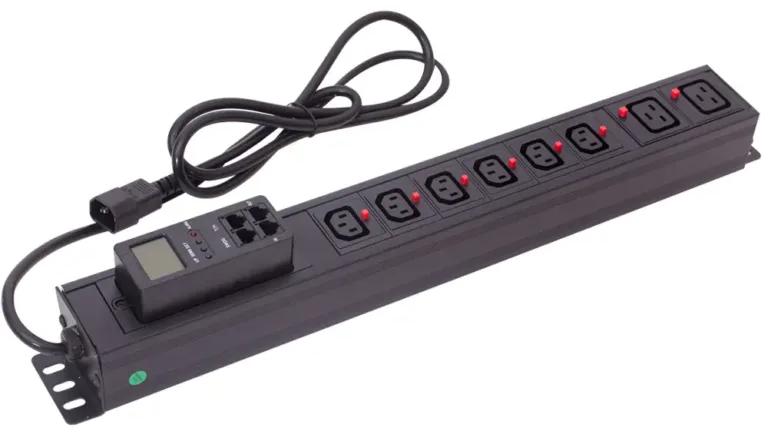
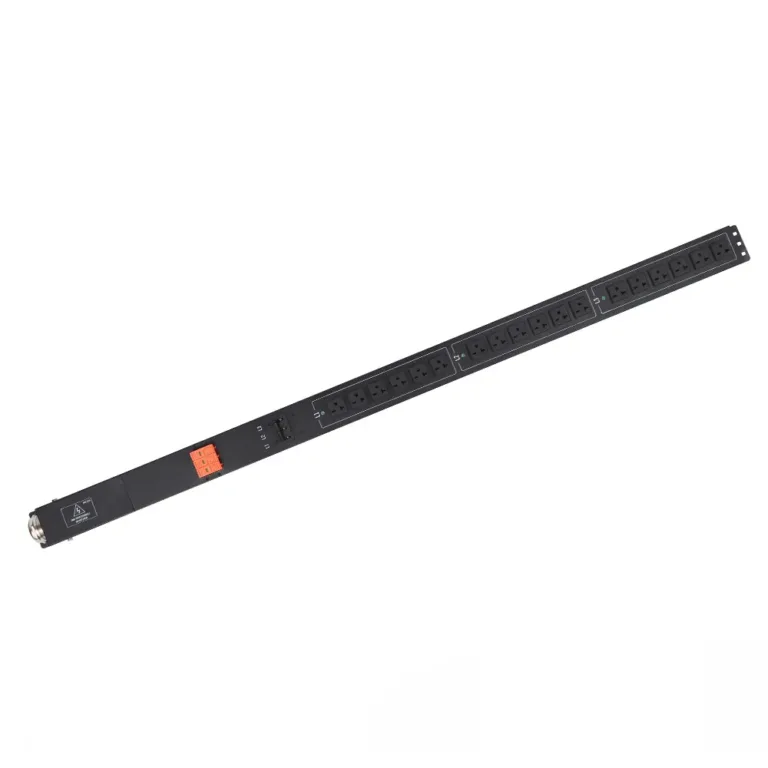
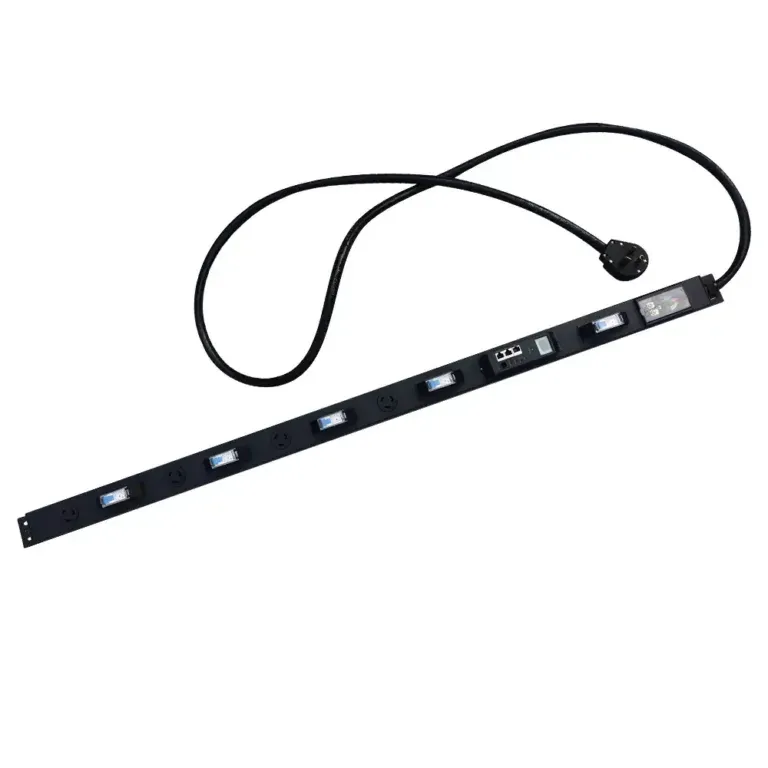
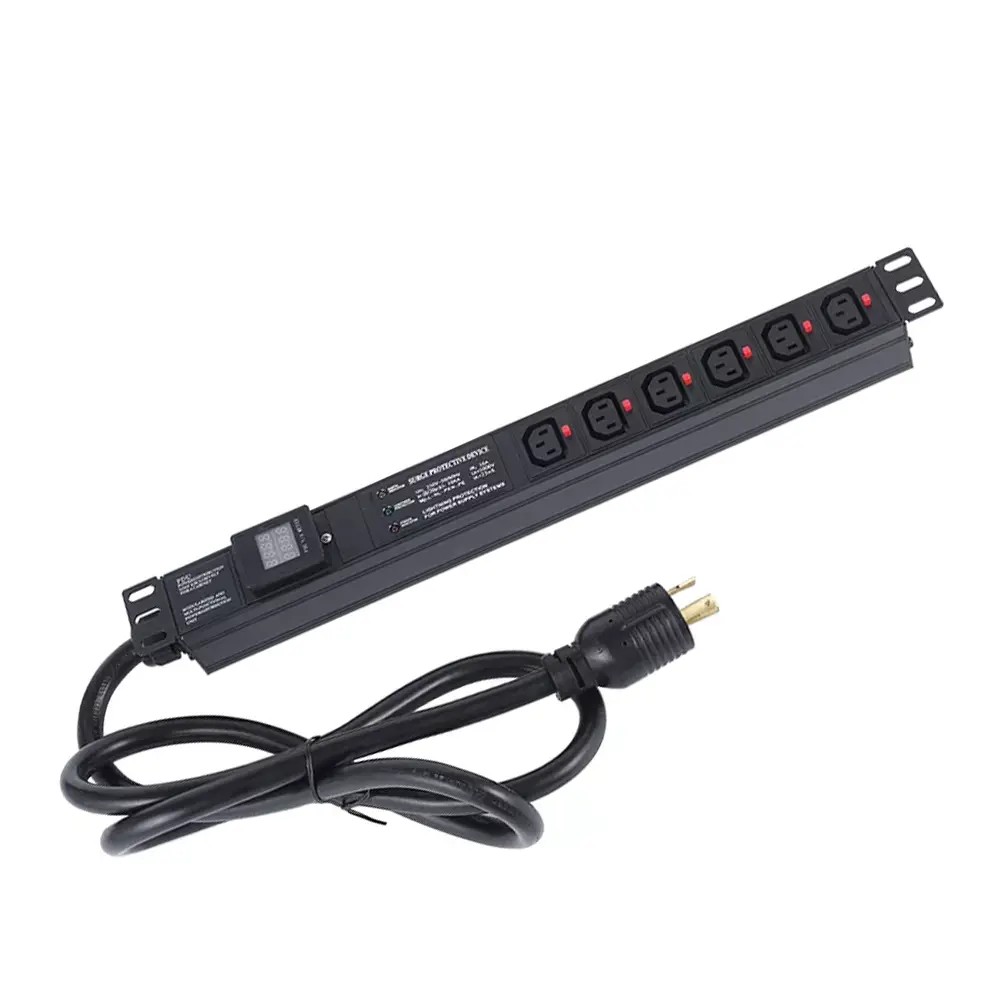
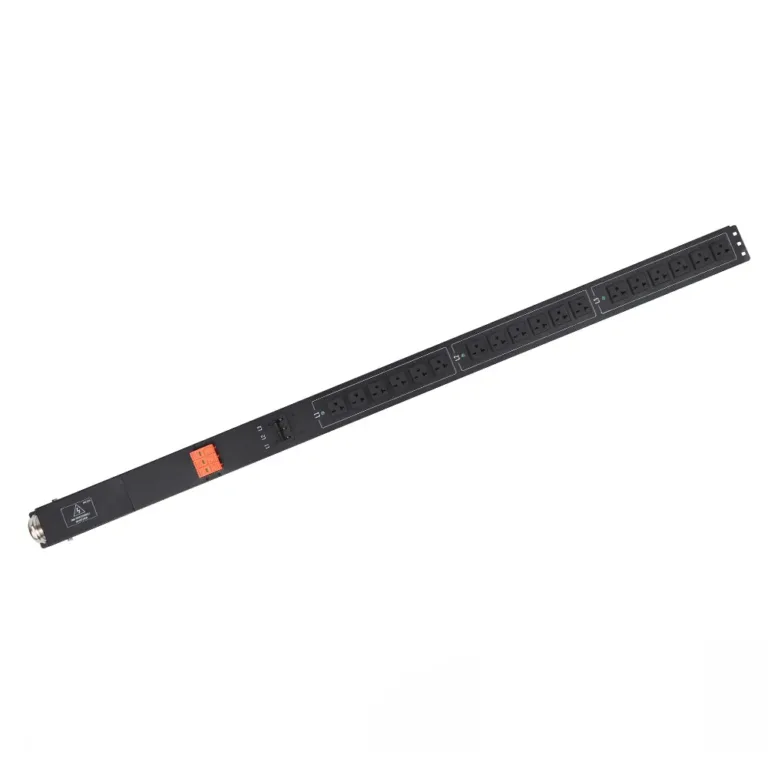
A PDU receives power from an upstream source and distributes it to multiple outlets for rack-mounted IT equipment. Designed for continuous 24/7 operation, it uses robust internal busbars and durable enclosures to ensure reliable and safe power distribution in data centers and server racks.
PDUs fall into three main tiers:
Passive power distribution only, with no monitoring or control features. They are the lowest cost option, and are almost always paired with an upstream UPS and facility surge protection.
Include a built-in digital display showing real-time load current and voltage. True-RMS metering typically delivers ±1% accuracy, making it easy to balance circuits and plan capacity without extra software.
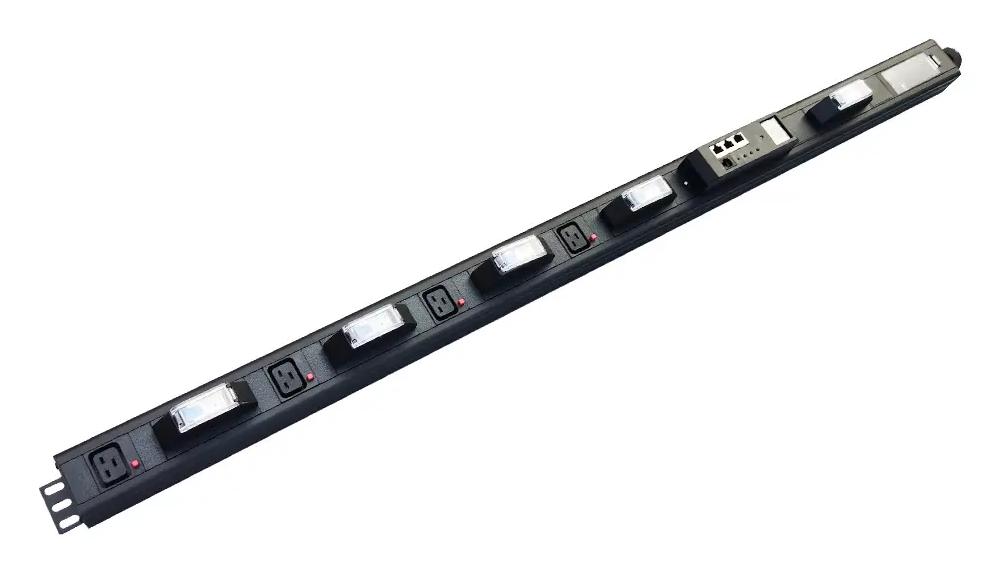
Network-connected models with advanced capabilities:
Reputable PDU manufacturers like NBYOSUN offer all three tiers, with optional surge suppression modules available on premium models. All PDUs include built-in circuit breakers for overload protection — this cuts power if total current exceeds safe limits to prevent overheating and fire risk.
A surge protector is designed to absorb and divert sudden voltage spikes before they reach connected electronics. It works using one or more metal oxide varistors (MOVs) that conduct excess voltage away from the circuit when it rises above a set clamping voltage.
When a lightning strike, grid switching event or other power spike occurs, the MOV redirects the extra energy to ground, protecting power supplies, motherboards and sensitive components from damage.
MOV components wear out over time as they absorb surges. Each spike degrades the varistor slightly, until it eventually stops providing protection.
| Operating Environment | Typical Lifespan |
|---|---|
| Normal clean grid power | 3 – 5 years |
| High-quality industrial grade | 7 – 10 years |
| Harsh grid with frequent surges | 1 – 2 years |
Most surge protectors include an indicator light to show when protection is still active. Once the light goes out, the unit should be replaced immediately, even if outlets still work.
Standard basic and metered PDUs do not include built-in surge protection as a standard feature. There are two common approaches to surge protection for rack environments:
Data centers typically prefer upstream centralized protection because MOVs are wear items. A failed MOV inside a PDU would cause an unplanned rack outage, whereas facility-level protection can be serviced without taking racks offline.
A standard surge protector power strip is the right choice. It defends desktop PCs, monitors, printers and peripherals from occasional power spikes, at a low cost. These are not designed for 24/7 full-load operation, and should never be used for server rack equipment.
A rack-mount PDU is required for safe, reliable power distribution. Pair it with:
PDUs and surge protectors serve fundamentally different roles: one distributes power, the other defends against voltage spikes. They are not interchangeable, and in most professional server environments, they work together as part of a complete power infrastructure. For home and office use, a surge protector is usually sufficient. For any server rack deployment, a proper rack-mount PDU paired with upstream surge and UPS protection is the standard, safe approach.
No. A standard PDU provides no surge protection — it only distributes power. If you need surge defense for a rack, use a PDU with an optional surge module, or install surge protection upstream at the UPS or panel level.
Yes. PDUs are rated for continuous 24/7 full-load operation, with heavy-gauge internal components and metal enclosures. Consumer power strips are only rated for intermittent light use, and can overheat or cause fire hazards if used for constant high-amperage server loads.
Surge protection components (MOVs) are wear items that degrade over time. In large data centers, per-rack MOVs would create unplanned failure points. It is more reliable to deploy centralized surge protection at the facility level, where it can be serviced without taking racks offline.
It is generally not recommended in professional environments. Daisy-chaining power devices creates additional failure points and can exceed current ratings. It is safer and more reliable to use a PDU with integrated surge protection, or add surge protection upstream of the PDU.
Most units have a status indicator light that stays on while protection is active. If the light goes out, the internal MOVs have worn out and the unit no longer provides surge defense — even if the outlets still supply power. Replace it immediately to maintain equipment protection.