Smart PDU Selection Tips Every IT Manager Should Know
Choose the right smart pdu for your data center by matching power needs, outlet types, and remote management features for reliable, scalable operations.


+86 15867381241
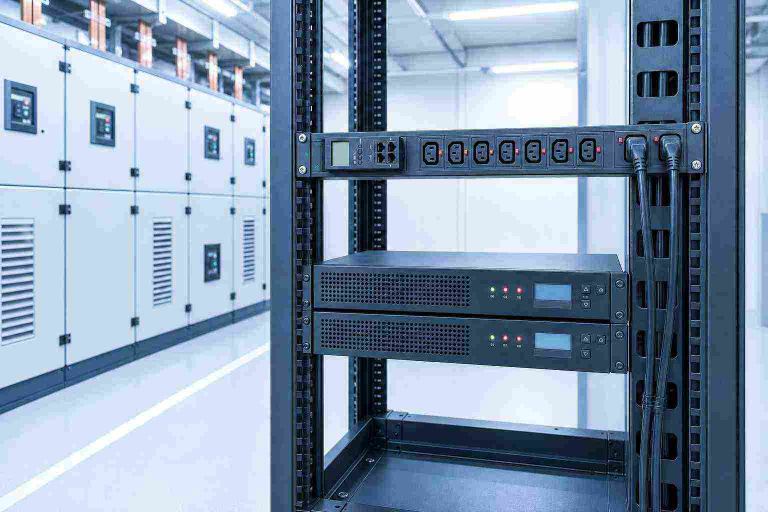
Yes, basic PDUs are often the better choice for specific data center architectures: low-density racks, edge sites, high-security environments, and deployments with limited management needs. Intelligent PDUs deliver more value for high-density racks, facilities requiring granular monitoring, and data centers integrated with DCIM platforms.
The right choice depends on four core factors: power density, management requirements, security posture, and budget. Intelligent PDUs dominate marketing attention, but not every rack requires metering, remote switching, or network connectivity. For many deployments, simpler power distribution delivers lower cost, smaller attack surfaces, and greater reliability.

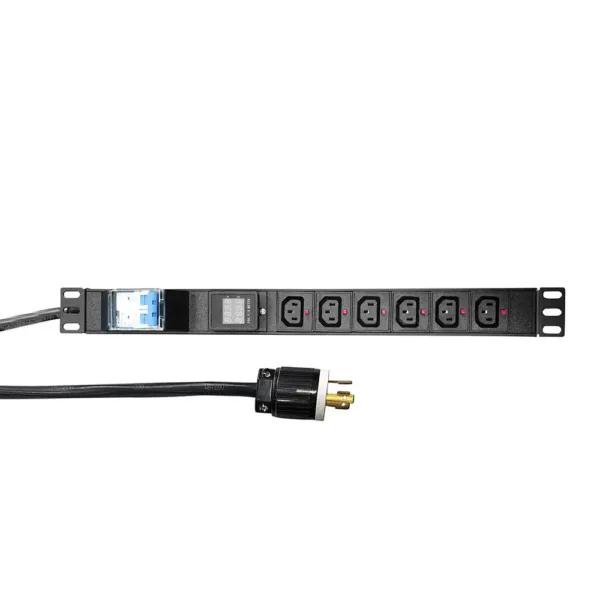
A basic power distribution unit delivers reliable power to connected equipment with no network interface or software layer.
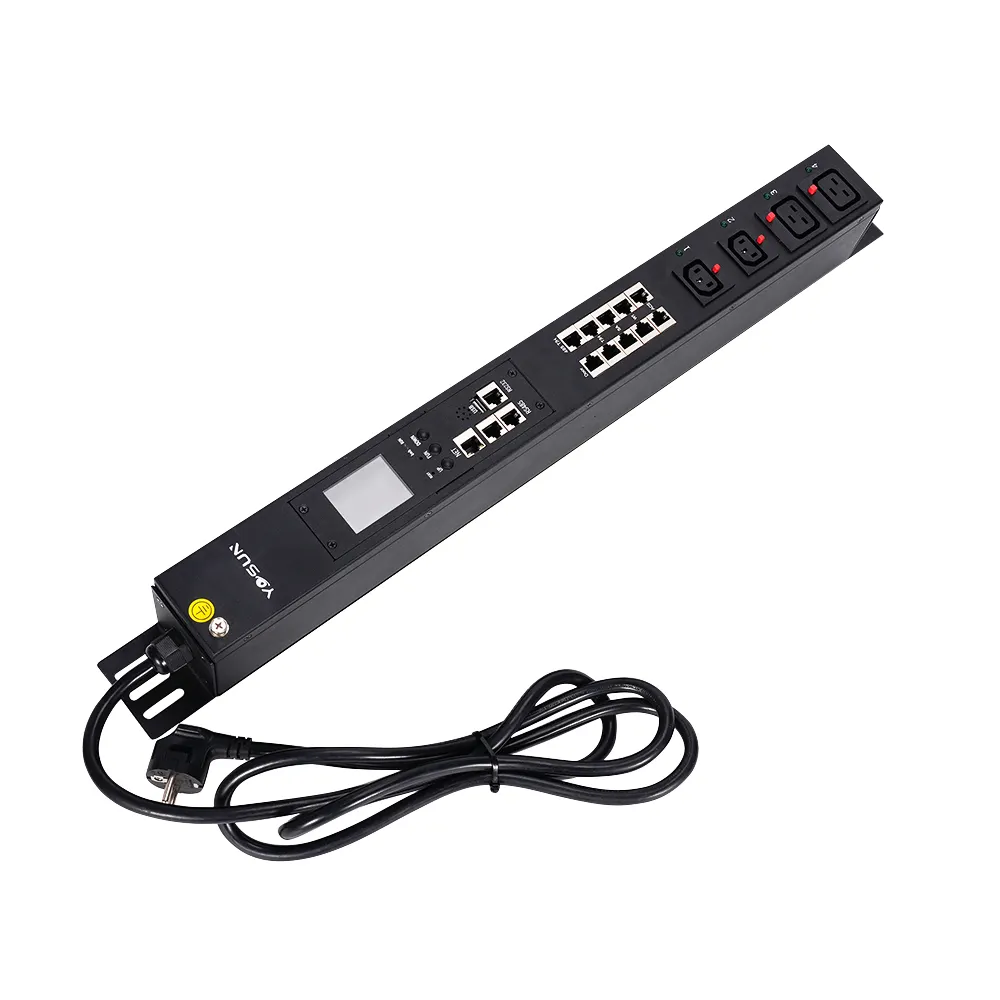
Intelligent PDUs add an embedded processing module that enables real-time monitoring of voltage, current, power, and energy consumption at the individual outlet level. This data feeds into DCIM and energy management platforms to identify waste, optimize efficiency, and support tenant submetering.
| Feature | Basic PDU | Intelligent PDU |
|---|---|---|
| Metering & monitoring | None | Granular outlet-level monitoring of voltage, current, power, and energy |
| Remote management | Not available | Full remote monitoring, outlet control, and power sequencing |
| Network connectivity | None | Networked system with web UI, SNMP, SSH, REST API |
| Environmental sensors | Not supported | Integrated temperature, humidity, and airflow sensors |
| Analytics & reporting | None | Detailed energy analytics and DCIM integration |
| Primary security risk | Physical tampering only | Cyber vulnerabilities in embedded firmware and network interfaces |
| Relative cost | Lower (15–25% less total deployment cost) | Higher, with added software and connectivity overhead |

Basic PDUs are the most cost-effective choice for sites with modest power requirements. Older enterprise data centers, network closets, UPS rooms, telecom rooms, and small edge sites typically run 5–10 kW per rack, with standard air cooling. For these loads, the advanced features of intelligent PDUs deliver little tangible value.
Per industry analysis, PDU architectures are roughly 15–25% cheaper to build for deployments under 10 MW. Basic units require no firmware updates, network configuration, or ongoing management overhead, making them ideal for:
| Workload Type | Typical Rack Power Draw | Recommended PDU Type |
|---|---|---|
| Standard enterprise compute | 5–10 kW/rack | Basic PDU |
| Virtualization / cloud compute | 8–15 kW/rack | Basic or entry-level intelligent PDU |
| AI inference | 20–50 kW/rack | Intelligent PDU |
| AI training clusters | 60–120+ kW/rack | High-capacity intelligent PDU |
Basic PDUs hold a major security advantage: no network connection means no cyber attack surface. Intelligent PDUs introduce vulnerabilities through embedded software, default configurations, and weak authentication. For example, CVE-2023-3259 allowed attackers to take full control of vulnerable intelligent PDUs via a browser cookie change, with no password required. Risks include authentication bypass, remote power control, and network infiltration.
For facilities with strict network segmentation policies, isolated sites, or high-security compliance requirements, basic PDUs eliminate this risk entirely. They distribute power without creating a new network endpoint, and require no firmware management or security patching across a fleet of rack units. This is particularly valuable for organizations with limited IT security staff.
Intelligent PDUs justify their higher cost and complexity for deployments where monitoring, control, and efficiency gains offset the overhead. They are the standard choice for:
Advanced smart PDUs enable remote outlet control, power sequencing during outages to maximize UPS runtime, and real-time alerting for power anomalies. When integrated with DCIM platforms, the granular energy data can reduce cooling energy use by up to 40% through dynamic airflow control and thermal zone mapping.
Most data centers do not have to choose one type exclusively. Hybrid deployments are the most common and cost-effective approach:
This approach balances cost, control, and security across the facility, matching each PDU type to the environment where it delivers the most value.
In most cases, a basic PDU cannot gain intelligent features through a software upgrade alone because it lacks the required monitoring hardware and network interfaces. Replacing it with an intelligent model is usually necessary.
Yes. Basic PDUs should provide appropriate electrical protection for their intended application. However, protection features vary by model, so buyers should verify circuit breakers, overcurrent protection, and rated load capacity before purchasing.
Yes. Many intelligent PDUs support local interfaces or network protocols that allow monitoring and management without a full DCIM platform. Available functions depend on the model and its supported interfaces.