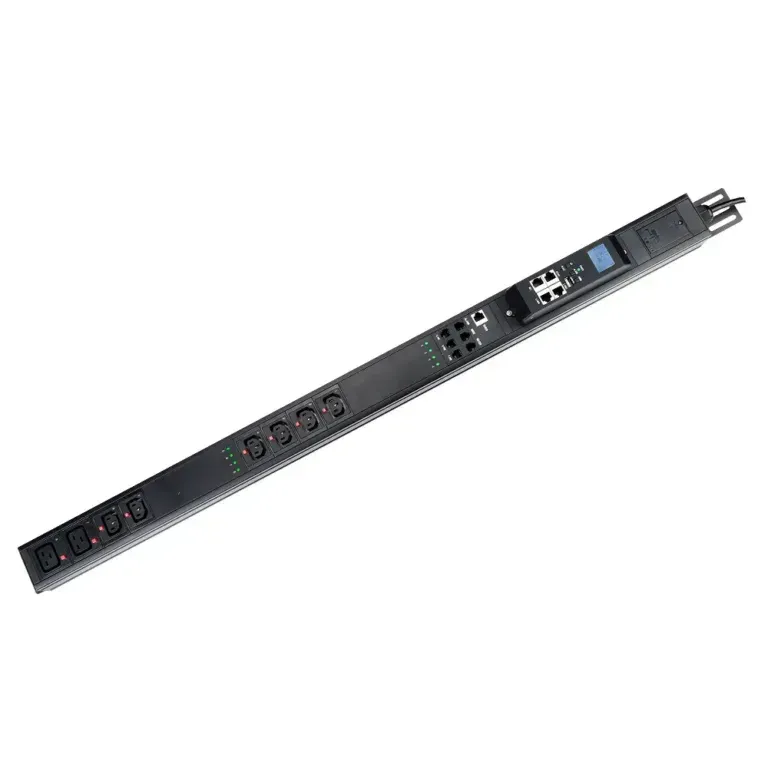
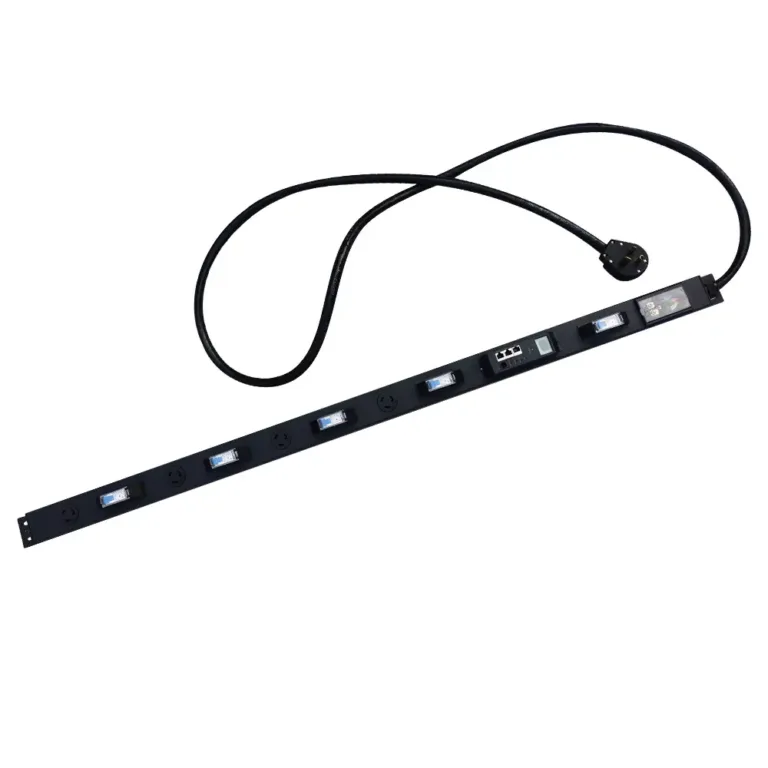
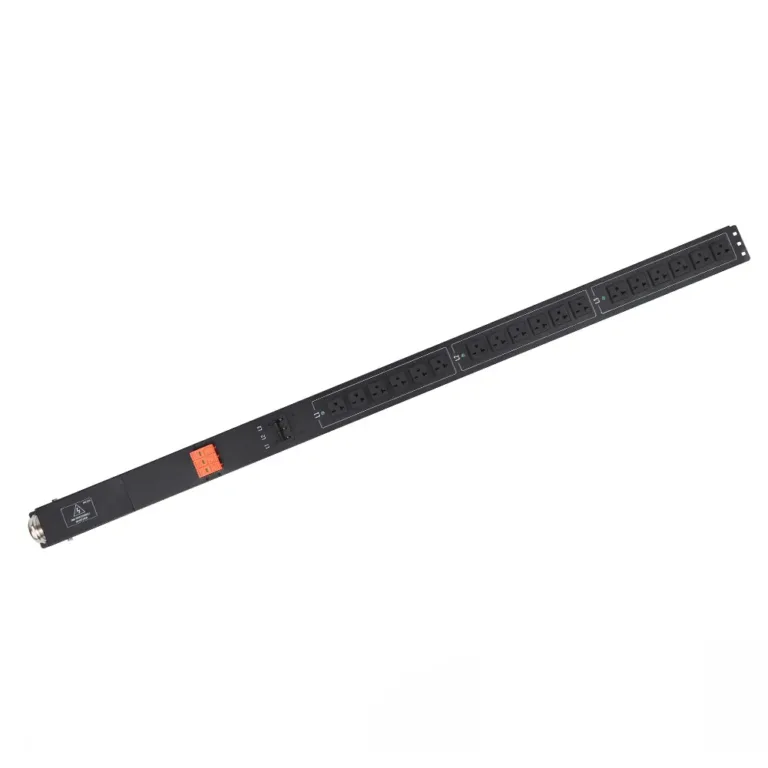
0U Rack PDU Showdown YOSUN vs APC vs Raritan
Comparing 0U rack PDUs? YOSUN offers the best value for core functions. APC provides enterprise reliability, while Raritan excels in intelligent outlet control.


+86 15867381241
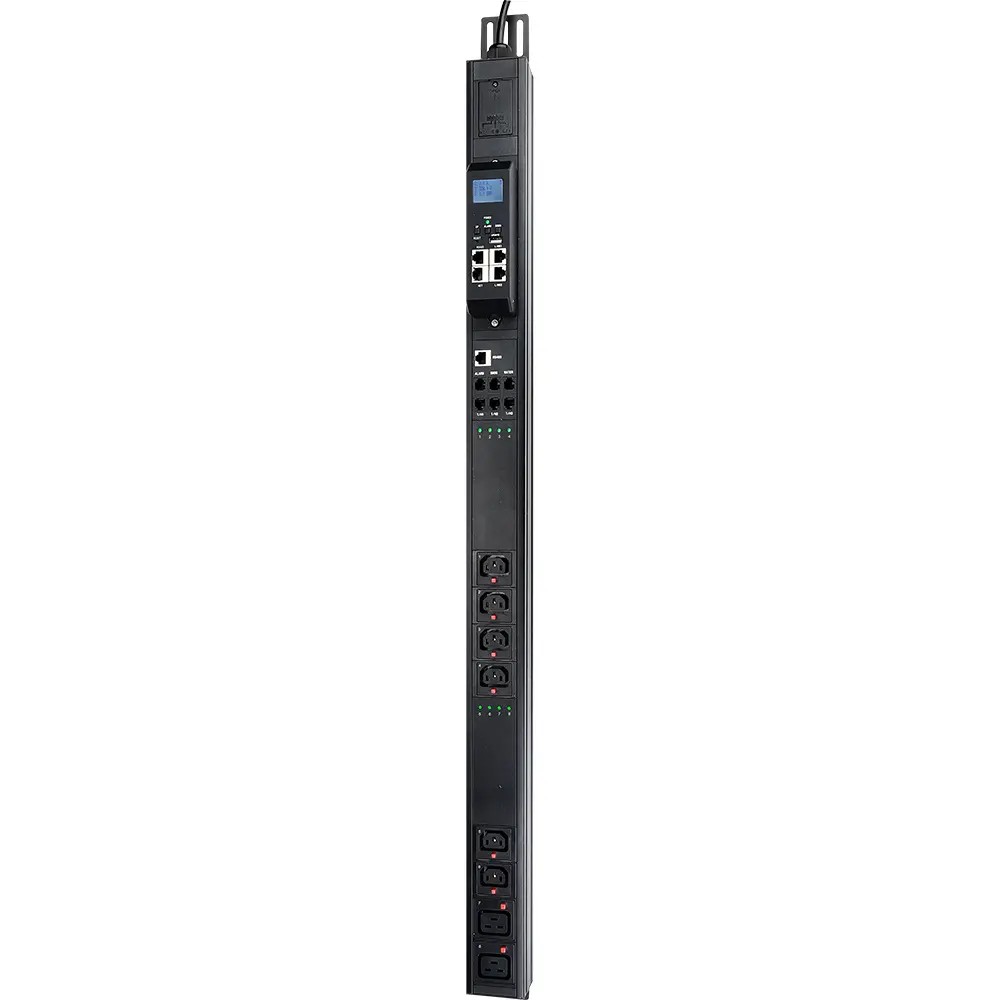
For high-density server, AI, and HPC racks, choosing the right 3-phase PDU is not simply about selecting the highest power capacity. It should provide sufficient capacity for current and future loads while matching the required level of monitoring, rack integration, reliability, and scalability.
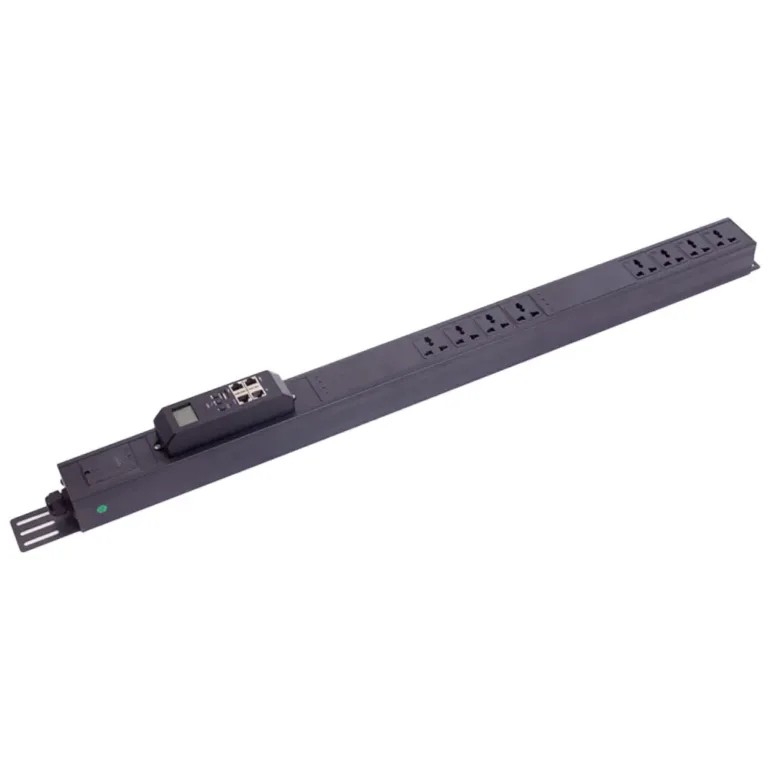
Accurate capacity planning is the first step in PDU selection. Under-sizing causes overloads and downtime; over-sizing wastes capital and rack space.
Follow this standard method to size your 3-phase PDU:
Real-time power monitoring data, if available, will give a more accurate view of actual usage than nameplate ratings alone.
The PDU should support more than the rack’s current average load. Consider:
High-density AI and GPU racks can require significantly more power than traditional IT racks, making accurate capacity planning especially important.
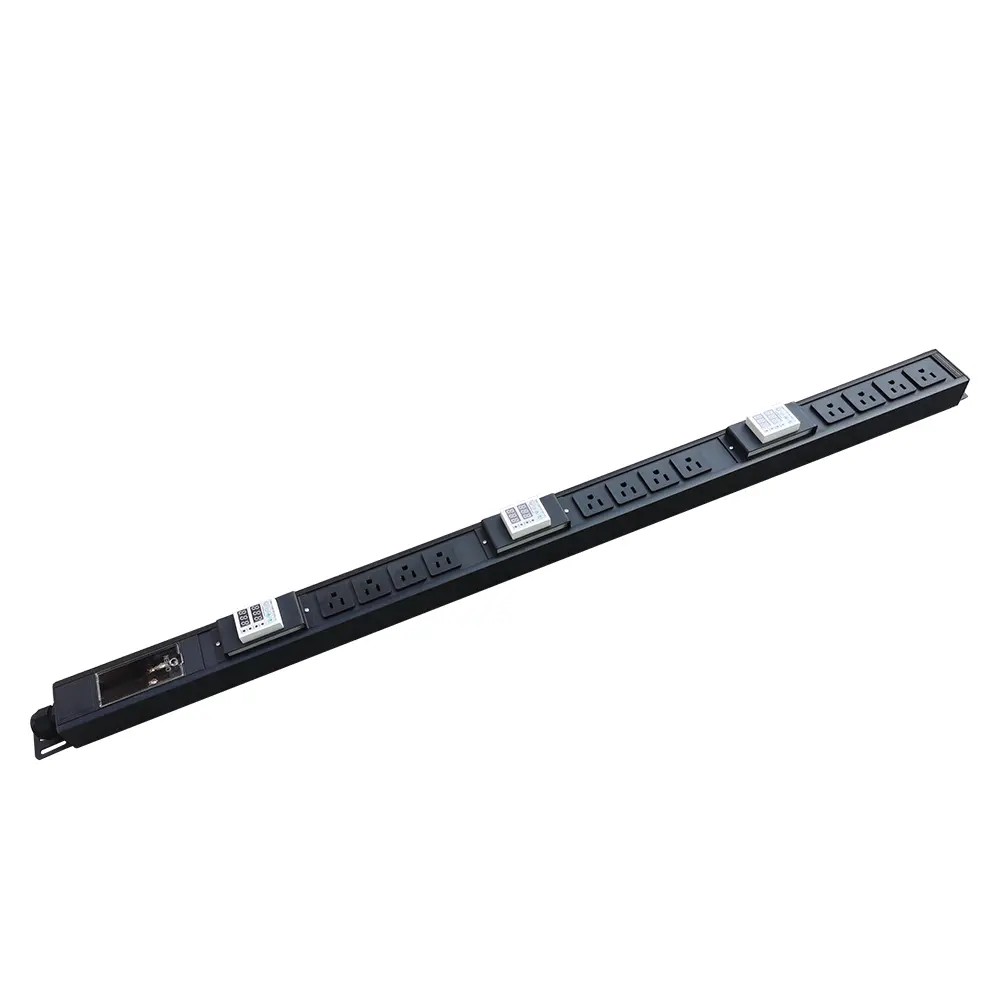
Not every rack needs a top-tier smart PDU. Select the feature tier that matches your management needs.
| Feature | Basic PDU | Metered PDU | Smart PDU |
|---|---|---|---|
| Monitoring | None | PDU-level power metering | Per-outlet power monitoring |
| Outlet Control | None | None | Remote individual outlet on/off |
| Environmental Sensing | None | Optional | Temperature, humidity, airflow sensors |
| Network Connectivity | No | Optional | Full network access (SNMP, HTTPS, API) |
| Analytics & Reporting | None | Basic usage reporting | Granular analytics + DCIM integration |
PDU form factor determines rack space usage and accessibility.
| Form Factor | Rack Space Used | Typical Outlet Count | Best For |
|---|---|---|---|
| Vertical (0U) | 0 rack units; mounts to side/rear rails | Up to 60 outlets | High-density data centers, AI/HPC racks |
| Horizontal (1U/2U) | 1U or 2U of rack space | 6–16 outlets | Small racks, lab environments, frequent access needs |
Vertical 0U PDUs are the standard for high-density deployments: they preserve all active rack space for servers, improve airflow, and support higher outlet counts. Horizontal PDUs work better for smaller racks where front access and frequent changes are a priority.
Certifications validate that a PDU meets strict safety and build quality standards. Prioritize these core credentials:
For mission-critical deployments, also verify 100% functional testing at the factory, including ground continuity, insulation leakage, phase rotation and dielectric withstand testing.
High-density power needs grow over time, especially with AI workloads. Modular PDUs allow capacity expansion without full unit replacement or rack downtime.
Selecting the right 3-phase PDU is a critical engineering decision that directly impacts rack uptime, energy efficiency and future scalability. For high-density AI and GPU racks, the choice is no longer whether to use 3-phase power, but how to size and specify the PDU correctly.
A 400V 3-phase Wye configuration is the standard for high-density racks. It delivers over 3x the power of single-phase circuits at the same current, allows smaller cabling, and improves distribution efficiency by 2–5% compared to 208V systems.
Phase balancing reduces neutral current and I²R losses in the circuit. Properly balanced 3-phase systems operate 15–25% more efficiently than unbalanced ones, reduce conductor overheating, and extend equipment life.
Per-outlet power monitoring, remote outlet control, and environmental temperature sensors are the highest-value features. When integrated with DCIM software, they provide full infrastructure visibility and enable proactive fault prevention to reduce downtime.
At minimum, look for UL (North America) or CE (EU) safety certification, plus RoHS compliance. ISO 9001 certification is also a strong indicator of consistent build quality and quality control processes.
With modular PDUs, yes. Hot-swappable power modules let you add capacity without powering down the rack or replacing the entire unit. This makes modular designs ideal for facilities expecting future growth in rack power density.