Understanding the Key Features of Managed Rack PDUs
Managed Rack PDUs offer remote management, energy efficiency, and security features, enhancing data center operations and sustainability.


+86 15867381241
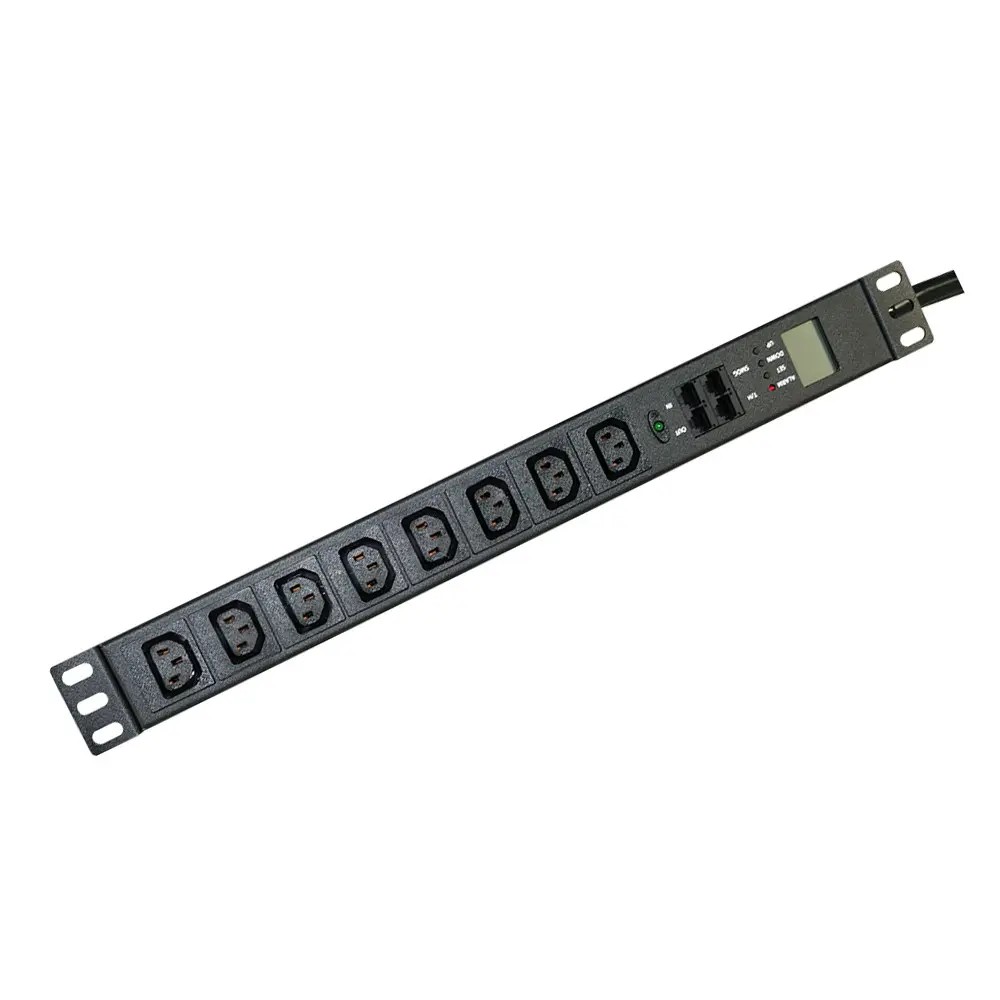
A standard power distribution unit (PDU) has a recommended service life of 6–15 years, or roughly 100,000 operating hours. Its actual service life varies based on load intensity, operating environment, build quality, and regular maintenance. Timely PDU replacement mitigates electrical hazards, unplanned downtime, and hardware damage for data center infrastructure. To meet these industry demands, premier PDU manufacturers like YOSUN design robust, fully certified PDUs engineered for stable long-term operation across all rack power scenarios.
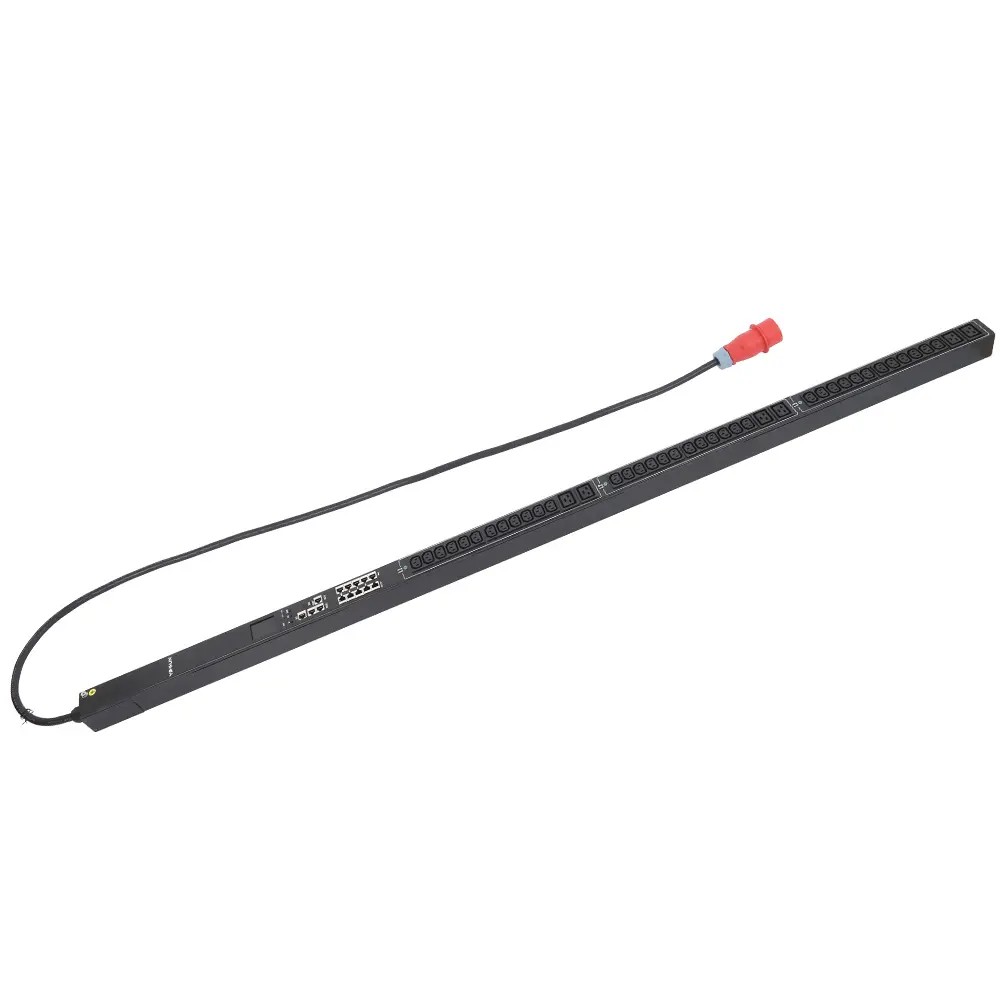
PDUs are critical power distribution backbone for all server racks, and industry technicians follow unified replacement benchmarks:
Service life differs greatly across PDU types: basic non-metered units wear faster under heavy load, while smart/heavy-duty PDUs feature reinforced internal components to withstand continuous high power draw. Built-in remote monitoring on smart PDUs also detects degradation early to prevent sudden breakdowns.
Tip: Always refer to the manufacturer’s official datasheet for customized lifespan guidance based on your load and environment.
Delaying PDU replacement creates cascading operational and safety risks for data centers:
| Risk Category | Specific Impact |
|---|---|
| Hidden component degradation | Internal wiring, circuit breakers and contacts wear out gradually, lowering overall system reliability |
| Catastrophic power failure | Sudden PDU shutdown cuts power to servers, causing service outages and potential data loss |
| Electrical safety hazards | Loose terminals, burnt internal parts raise risks of short circuits and rack fires |
| Long costly downtime | Unplanned outages generate revenue loss and expensive emergency repair fees |
YOSUN’s reinforced internal structure and premium raw materials minimize these aging risks, making them a cost-effective long-term power solution for data center operators.
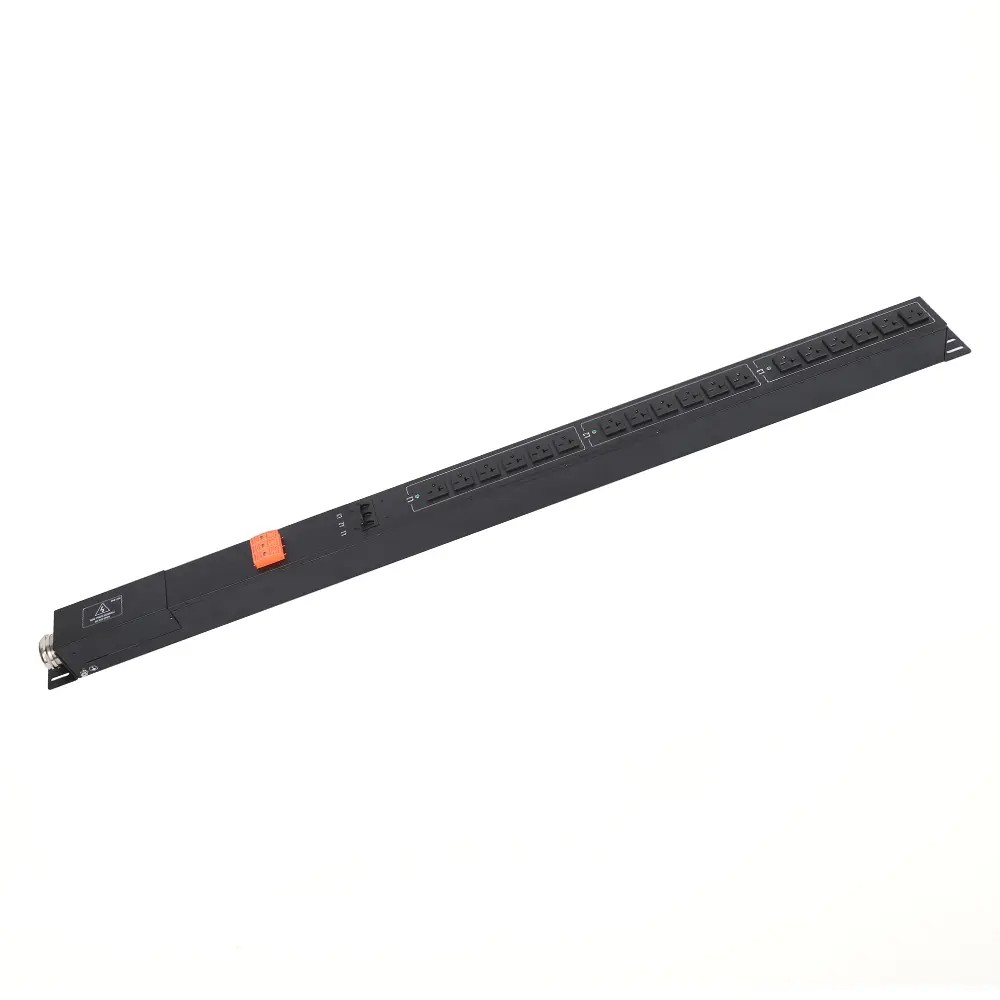
PDUs running at near-max rated capacity age far faster than lightly loaded units. Uneven phase loading on three-phase PDUs accelerates overheating and contact wear. Sustained overloads directly shorten the lifespan of internal circuits.
Temperature and humidity directly control internal component aging speed:
| Environmental Factor | Negative Impact on PDUs |
|---|---|
| Excessively high temperature | Accelerates capacitor aging, softens plastic insulation, causes overheating trips |
| Large temperature fluctuations | Creates condensation on internal metal parts, triggering corrosion |
| High relative humidity | Corrodes copper terminals and metal contact points |
| Ultra-low humidity | Generates static electricity that damages circuit boards |
Optimal operating range: 64.4–80.6°F (18–27°C), relative humidity 40%–60%.
Top-tier PDUs from certified brands use thick copper busbars, high-temperature resistant plastic and durable circuit breakers to slow wear. YOSUN conducts full-cycle aging testing for every unit before shipment, reducing early failure rates and cutting replacement frequency.
Modern smart PDUs deliver real-time power tracking, overload alerts, and remote diagnostics. This allows operators to avoid the sustained overloads mentioned in Factor 1 and spot abnormal heat or loose connections months before total failure. YOSUN smart PDUs support outlet-level monitoring, remote power cycling, and environmental sensing for predictive maintenance.
Older PDUs lack compatibility with modern high-density IT hardware; new servers and storage equipment generate transient inrush currents that aging internal circuits cannot withstand, creating hidden instability.
Electrical safety standards update regularly. End-of-life PDUs often fail to meet latest global certification requirements (UL, CE, UKCA, IEC). Operating non-compliant power equipment brings regulatory penalties and unmitigated fire risks.
Design a long-term power upgrade schedule aligned with the 6–15 year lifespan window. Adopt redundant power architectures (N+1 / 2N) to enable hot swap replacement without full rack downtime.
Prioritize PDUs with these practical maintainable features:
Only licensed, certified electrical technicians should disassemble, remove and install new PDUs. Professional teams guarantee full code compliance, proper torque on terminals and safe power cutover to eliminate shock and short-circuit hazards.
Document every inspection, repair and full PDU replacement for audit and compliance purposes. Maintenance logs simplify lifespan planning and help identify recurring power issues across racks.
All PDUs have a finite service life of 6–15 years (100,000 operating hours), with heavy-load or poorly maintained units aging much faster. Proactive inspection, controlled rack environments and smart monitoring delay aging, but scheduled replacement remains mandatory to avoid safety hazards and costly data center downtime.
For long-lasting, fully compliant power distribution hardware, YOSUN’s complete line of Basic, Metered, Smart and Heavy-Duty PDUs undergo rigorous quality testing and hold global safety certifications, reducing premature replacement frequency and delivering stable rack power over the full service cycle.
Check for obvious physical damage (burn marks, cracked housings, loose outlets), persistent overheating, frequent breaker tripping, strange odors or intermittent power loss. Any of these signs indicate the PDU has reached end-of-life and cannot be safely repaired long-term.
A PDU distributes stable mains power from a single input to multiple servers, switches and storage devices. It integrates circuit protection to prevent overload damage and standardized rack power management.
Smart PDUs provide real-time remote power monitoring, automated overload alerts and historical power data. Operators can detect abnormal load or overheating early before permanent component damage occurs.
Minor faults like blown fuses are repairable. If the unit has burnt internal busbars, widespread corrosion, repeated tripping or aged main circuit boards, full replacement is safer and more cost-effective than repeated repairs.
Annual full inspection is the baseline for standard facilities. High-density, high-load racks require bi-annual or quarterly inspections to track accelerated component aging.