Remote Switched PDU: How to Use It Right
Optimize power management with a Remote Switched PDU for cost savings and efficiency. Learn setup, monitoring, and troubleshooting for best results.


+86 15867381241
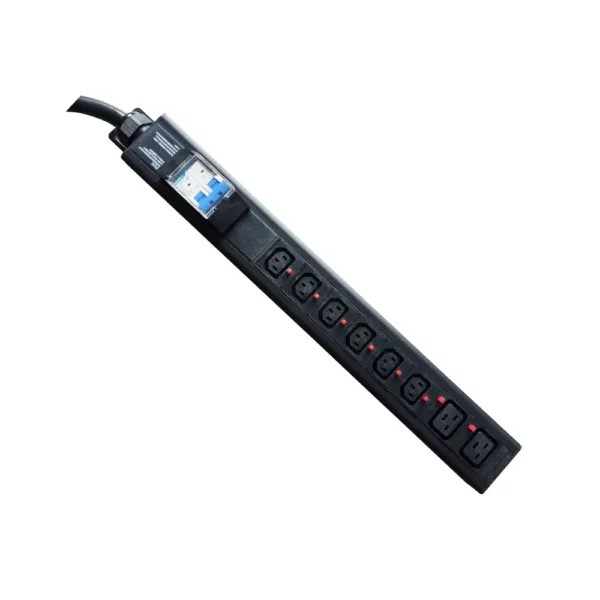
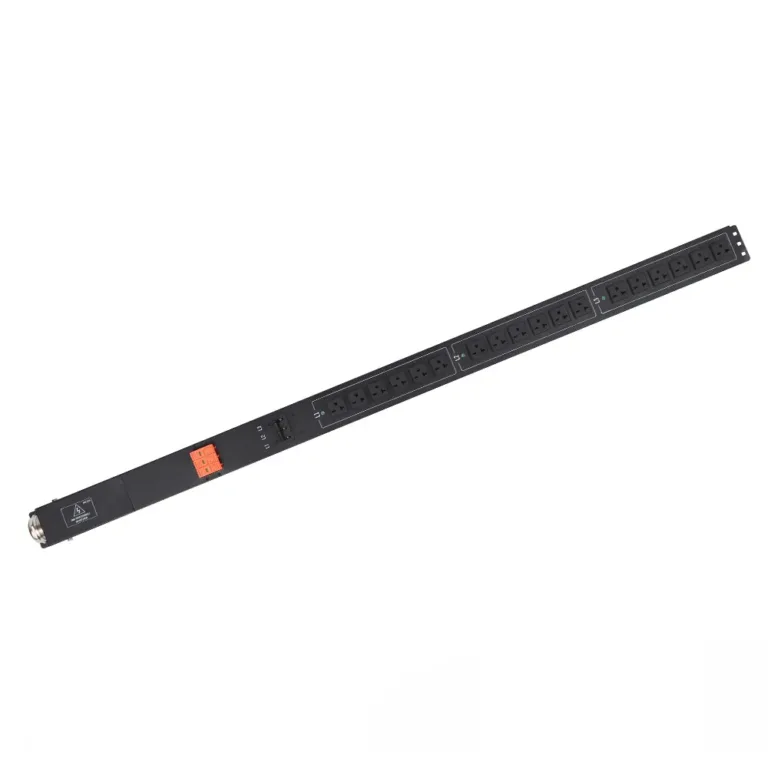
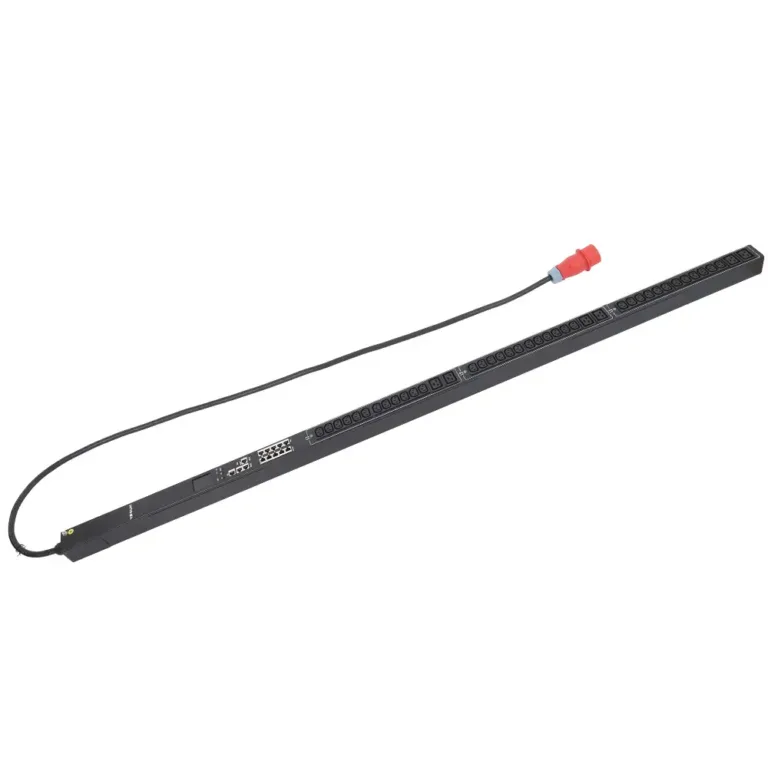
Most server cabinets use 1 PDU for basic, non-critical setups, and 2 PDUs for redundant power configurations. The exact count depends on four core factors: total power capacity, redundancy model, rack density, and compliance requirements.
A single power distribution unit works for low-density, non-critical loads. Critical IT infrastructure almost always uses a second rack PDU on an independent power feed to protect against single-feed failures. High-density AI and compute racks may require 4 or more units to meet kW targets. Proper sizing avoids both overspending on unused outlets and under-provisioning that limits future growth.
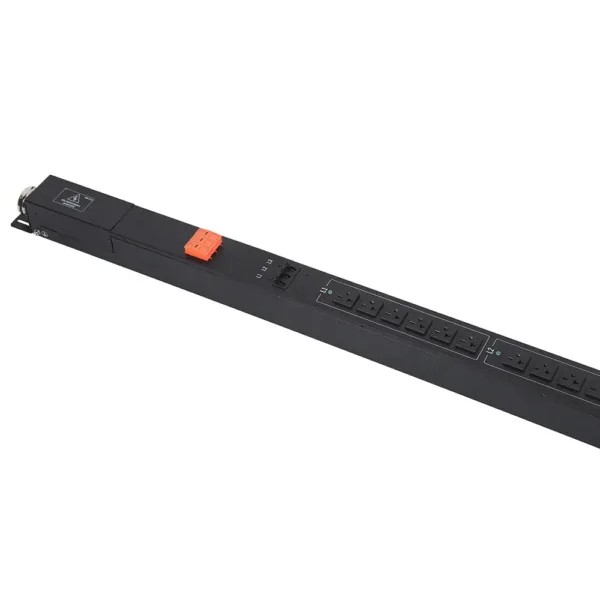
A single rPDU is sufficient for low-priority, non-critical environments where short downtime is acceptable. Common use cases include:
In these scenarios, one unit distributes power to all devices without a backup path. This is the lowest-cost configuration and works well when downtime carries minimal business cost.
Dual PDUs are the default for production data center racks where downtime carries financial or operational risk. Paired units on separate A/B feeds deliver:
Dual-corded servers and network gear plug directly into both units. Single-corded devices can gain redundant protection when paired with an Automatic Transfer Switch (ATS) PDU, which seamlessly switches between feeds.
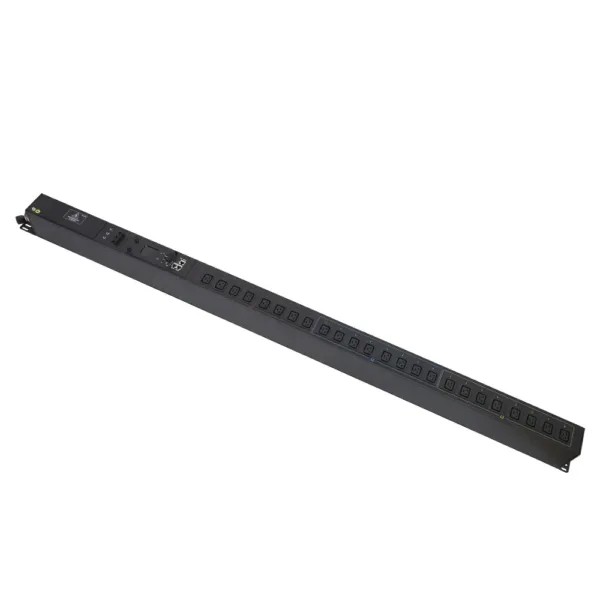
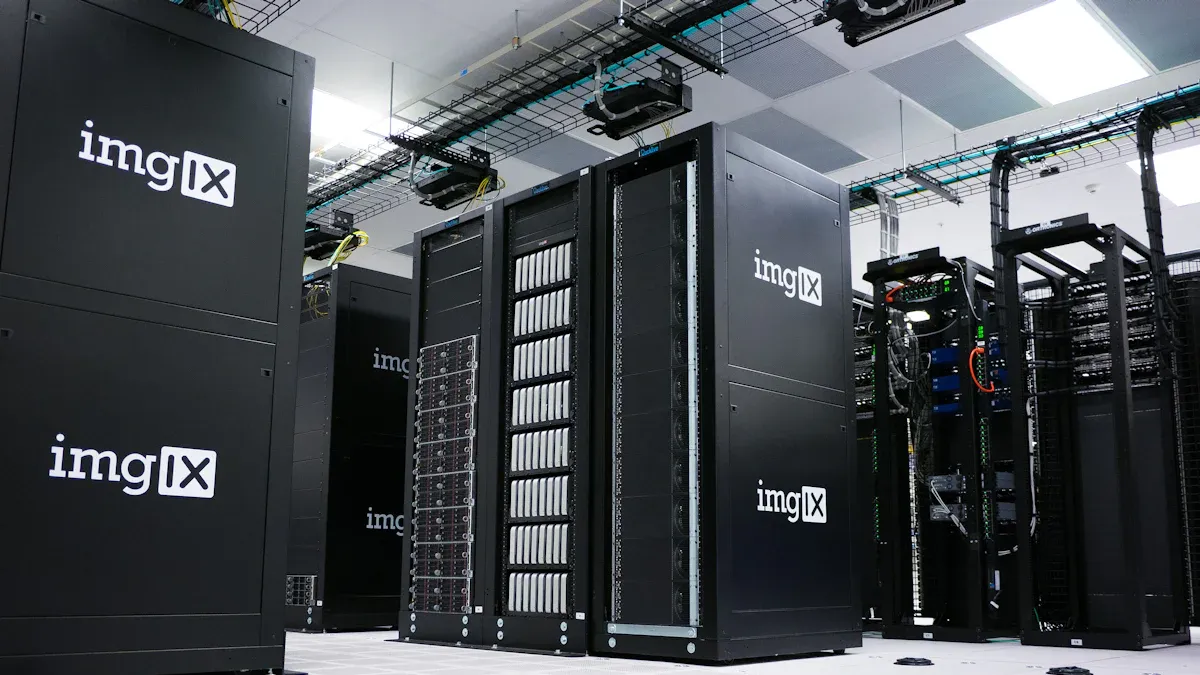
Rising server density is the biggest driver of higher PDU counts. Average rack power has grown from 2 kW to 12 kW in enterprise facilities, with high-density AI and compute racks reaching 20–35 kW.
Mounting format also impacts capacity:
Always size outlet count to your actual device list plus 10–20% growth headroom, rather than selecting based on the maximum datasheet figure.
Redundancy architecture directly dictates how many independent power paths you need.
| Redundancy Model | Configuration | Resilience Level | Typical Use Case |
|---|---|---|---|
| N | No spare capacity; sized for full load | None; downtime acceptable during failure or maintenance | Dev/test, lab environments |
| N+1 | One extra unit beyond minimum required | Survives single component failure | Most production workloads, Tier II data centers |
| 2N | Two fully independent systems, each sized for 100% load | Survives full failure of one entire path | Colocation, Tier III/IV facilities, critical infrastructure |
| 2(N+1) | Two independent N+1 systems | Highest resilience | Mission-critical facilities |
For standard production racks, 2 PDUs on independent A/B feeds deliver N+1 or 2N redundancy depending on upstream infrastructure. Per Uptime Institute Tier standards, Tier III concurrently maintainable facilities require dual independent distribution paths, and Tier IV fault-tolerant designs add further isolation.
Important: For redundancy to work, each PDU must be sized to carry 100% of the rack load alone. If the combined load exceeds one circuit’s rating, a feed failure can overload the remaining PDU and cause cascading failure.
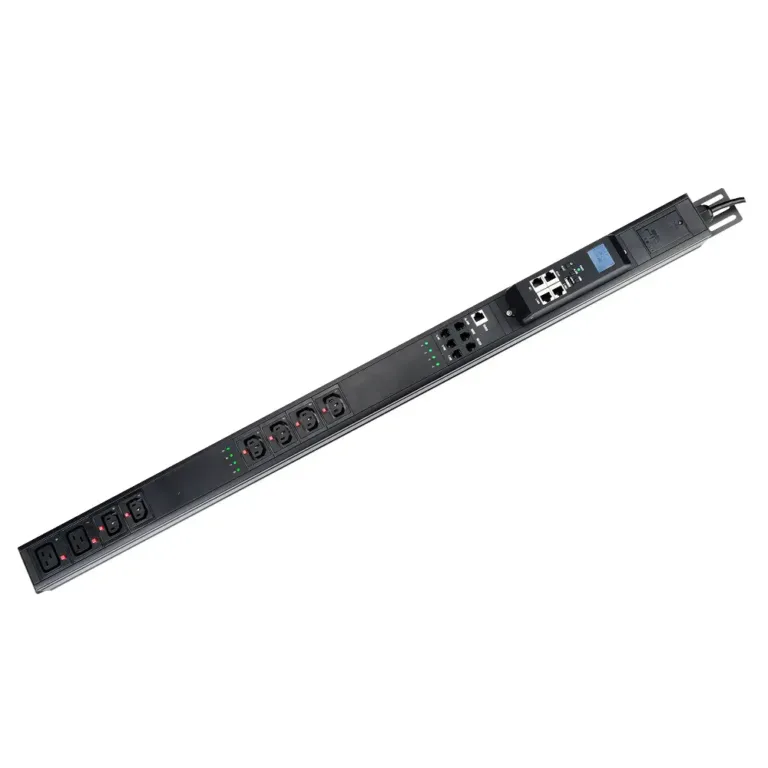
Basic PDUs work for static, low-priority racks. For critical infrastructure, smart/monitored PDUs add operational value:
Recommended routine maintenance includes infrared thermography scans of bus connections, periodic torque checks, and monthly backup system load testing.
Cost scales with resilience, and the jump is not linear:
Avoid paying for dual PDUs if your upstream power comes from a single panel or single UPS — shared upstream failure points negate the benefit of redundant rack units. Always verify upstream path diversity before investing in dual-PDU hardware.
Yes, for non-critical loads where short downtime is acceptable. Small data closets, home labs, test environments, and AV racks commonly run from a single unit. Always confirm the total load fits within one circuit’s rating.
Separate independent feeds are required to deliver real redundancy. Two PDUs on the same panel and UPS share a single point of failure. For true failover, each unit should connect to a separate electrical path, and each must be sized to carry the full rack load independently.
Base outlet count on your actual device list plus growth headroom, not maximum datasheet specs. Horizontal models typically offer 8–24 outlets; vertical 0U models range from 24–48 outlets.