A Guide to Choosing the Right Vertical Power Strip
Find the best vertical power strip for your needs. Compare top brands like YOSUN, Anker, and APC for safety, surge protection, USB ports, and durability.


+86 15867381241
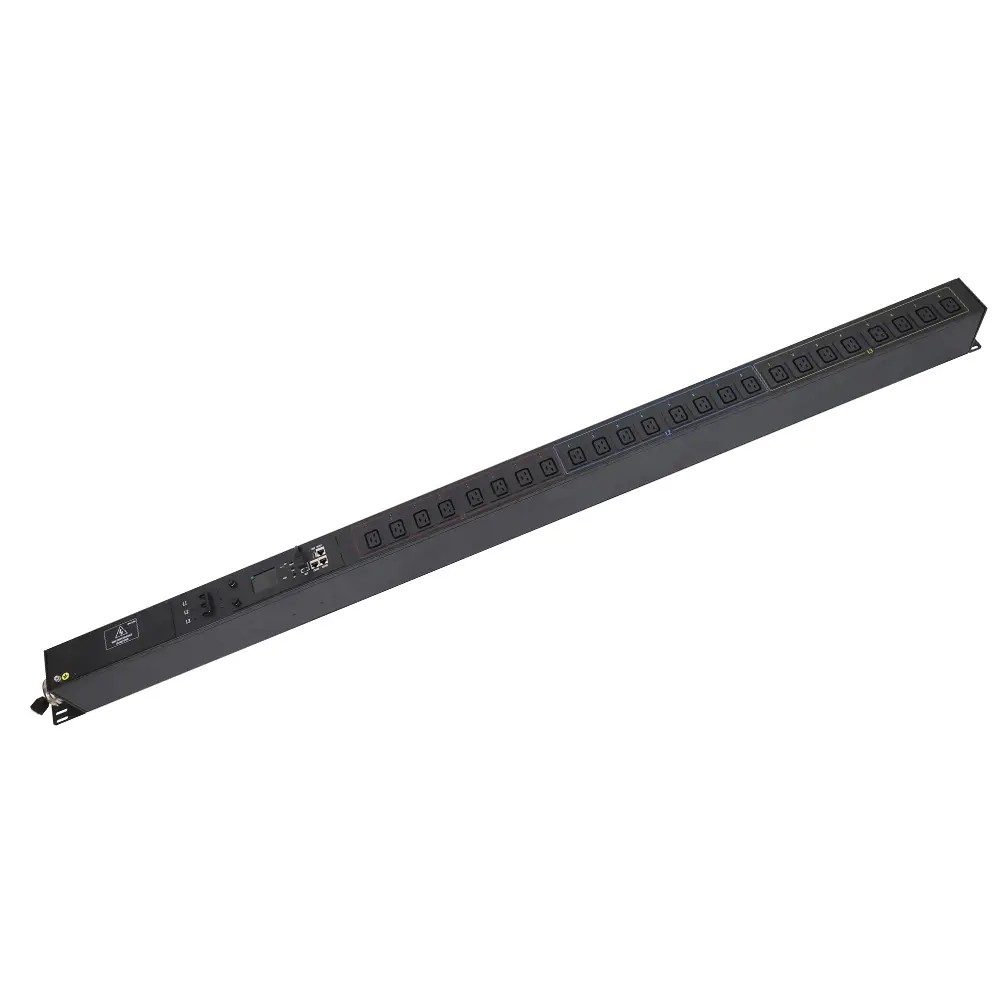
Modern data centers are handling increasingly dense computing workloads, making power distribution and management more challenging. AFCOM’s 2025 report, for example, shows average rack power density increasing from 7 kW to 16 kW between 2021 and 2025. Some high-density GPU deployments can require far more power than traditional server racks.
As rack power demands increase, simply delivering electricity to servers is no longer enough. Data centers also need to monitor loads, prevent overloads, control equipment remotely, and plan for future capacity.
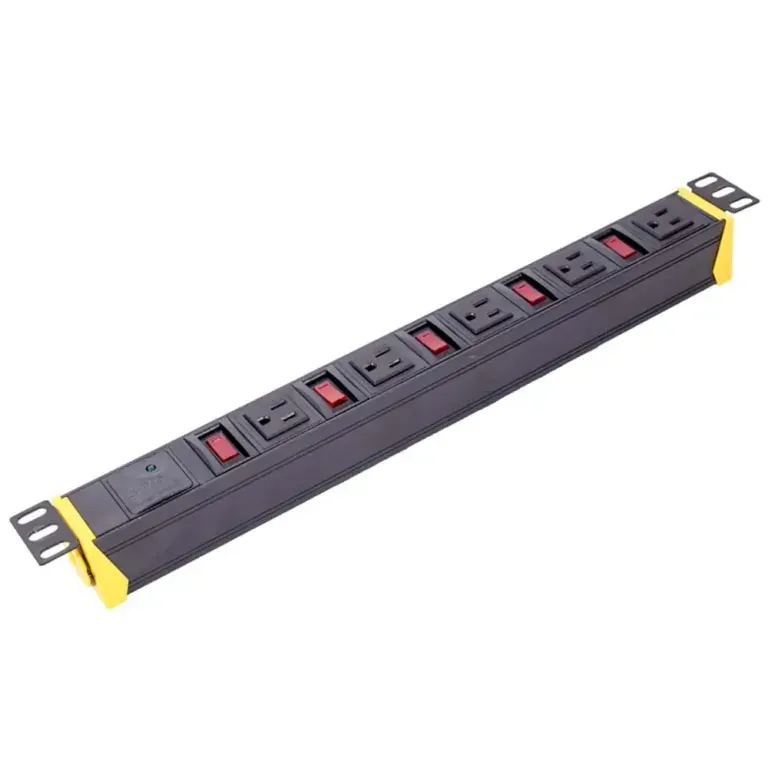
This is where power distribution units (PDUs) become essential. A PDU distributes power to rack equipment, while metered, monitored, switched, and smart models add increasingly advanced monitoring and control capabilities.
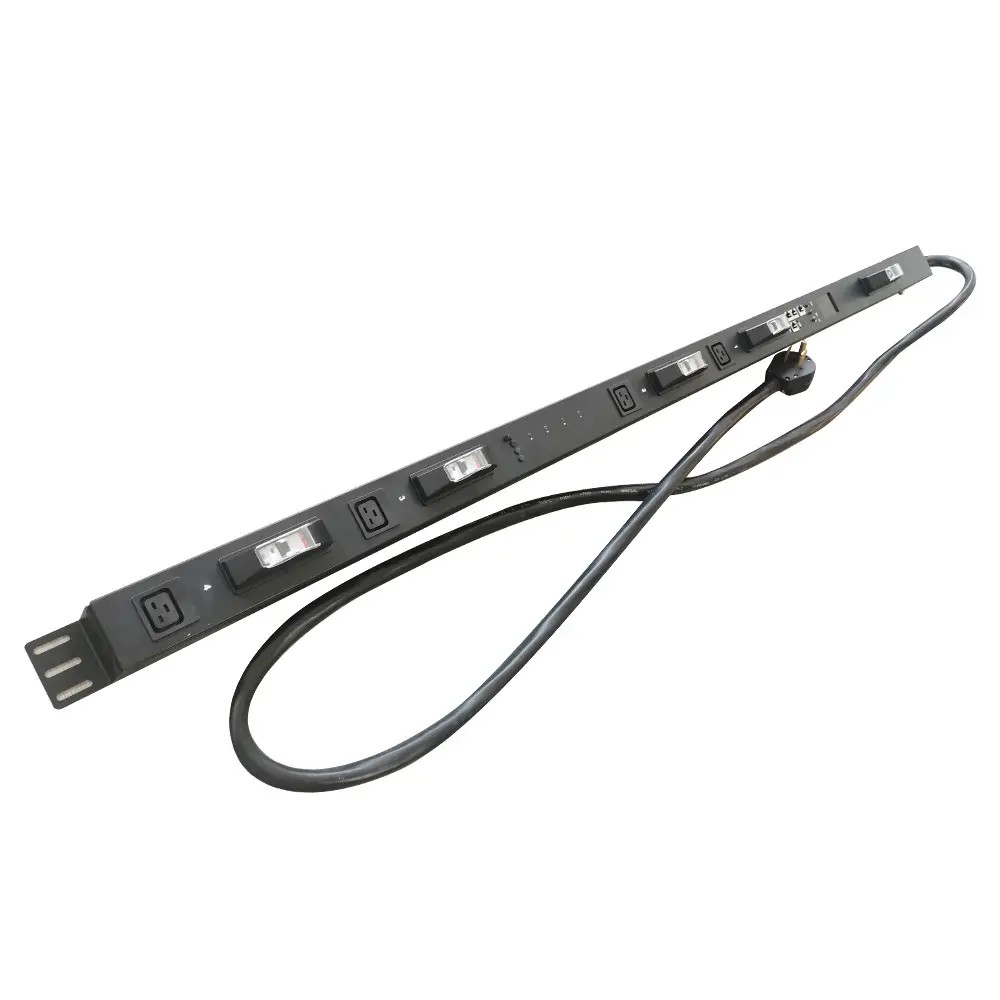
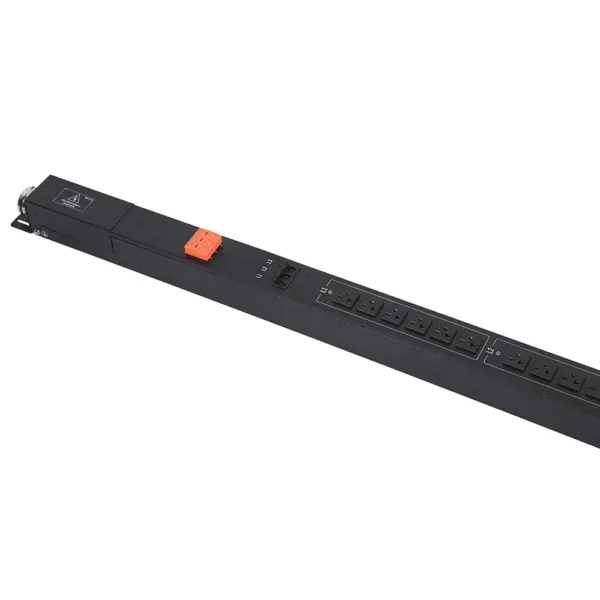
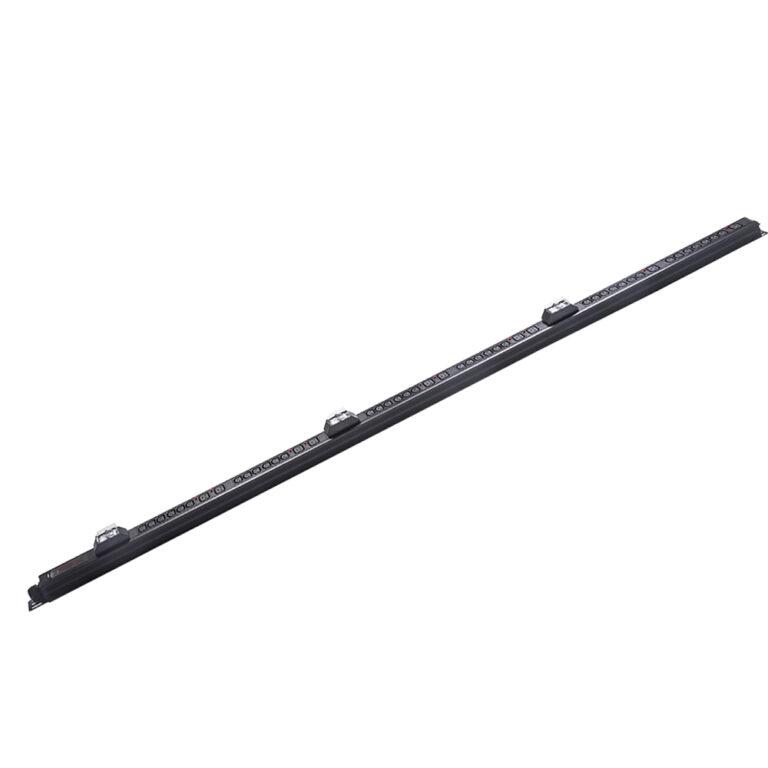
A power distribution unit (PDU) is a device that distributes electrical power to equipment installed in a data center rack. It typically receives power from an upstream electrical source and delivers it through multiple outlets to servers, network switches, storage systems, and other IT equipment.
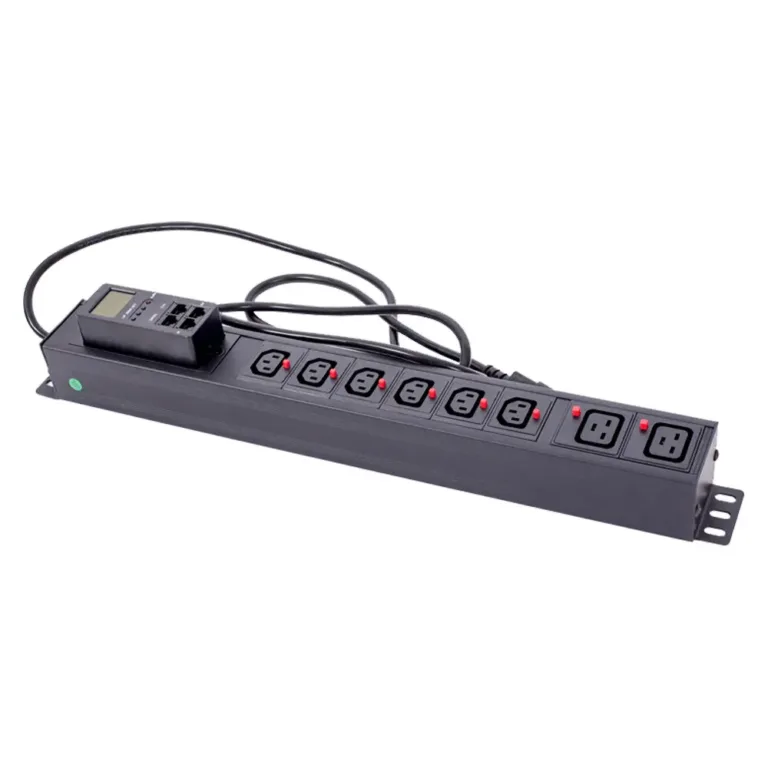
A basic PDU primarily provides power distribution, while more advanced models add local metering, network-based monitoring, alerts, and remote outlet control.
| PDU Type | Main Function | Monitoring | Remote Access | Remote Control |
|---|---|---|---|---|
| Basic | Power distribution | No | No | No |
| Metered | Power distribution + local load measurement | Local | No | No |
| Monitored | Power distribution + network monitoring | Network | Yes | Limited or no outlet switching |
| Switched | Monitoring + individual outlet control | Network | Yes | Yes |
The key difference is that advanced PDUs provide power visibility and control in addition to basic distribution, making them an important part of modern data center power management.
PDUs operate near the end of the data center’s electrical distribution chain.
A simplified power path is:
Utility Grid → Switchgear → Transformers → Electrical Distribution → UPS → PDU → Rack Equipment
The UPS provides conditioned and, where configured, backup power. The PDU then distributes that power to individual devices within the rack.
This position makes the PDU an important link between the facility’s electrical infrastructure and the IT equipment that consumes power. It also organizes rack-level power connections and helps operators distribute equipment across available circuits.
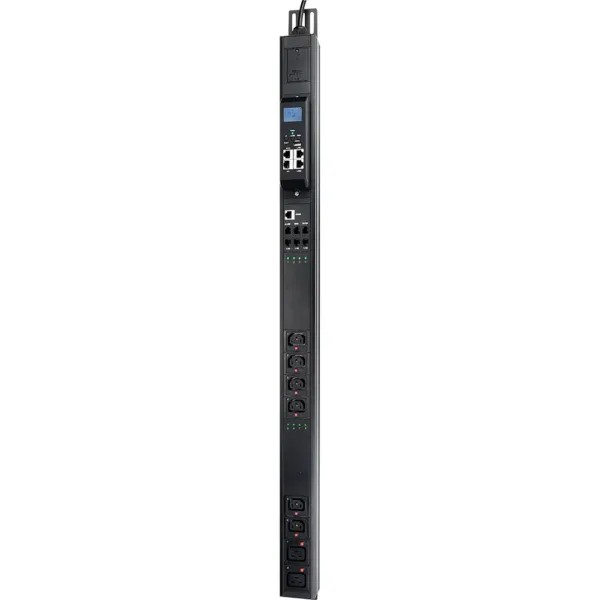
One of the biggest advantages of advanced PDUs is visibility into power consumption.
Depending on the model, metered and monitored PDUs can provide information such as:
This data helps operators understand actual power consumption instead of relying only on estimated loads. At the rack or outlet level, it can reveal available capacity, uneven loads, and underutilized equipment.
Better visibility also supports capacity planning by showing how much power is currently being used and where additional capacity may be available.
Switched PDUs allow operators to control individual outlets remotely.
Operators can use a network interface or management system to:
Remote power cycling is particularly useful when a server or network device becomes unresponsive but still has electrical power. Operators may be able to restart the equipment without physically accessing the rack.
This reduces unnecessary site visits and can shorten response times for certain power-related issues.
As rack power density increases, managing electrical loads becomes more important. An overloaded circuit can trip a breaker and interrupt equipment connected to it.
PDUs help operators manage this risk by providing load information and, depending on the model, alarms or other protection features. Monitoring load levels makes it possible to identify circuits approaching their operating limits and take action before an overload occurs.
Proper PDU selection should consider total power requirements, current ratings, circuit capacity, outlet configuration, and the expected rack load.
For higher-availability applications, ATS PDUs can use two power sources and automatically transfer connected equipment to an alternate source when the primary source becomes unavailable. This provides an additional layer of power redundancy for compatible equipment.
Data centers need power infrastructure that can accommodate increasing rack densities and equipment upgrades. A PDU with sufficient capacity and a suitable outlet configuration can provide room for additional equipment without requiring an immediate redesign of the rack’s power distribution.
Flexible PDU configurations also make it easier to adapt power infrastructure as server and GPU requirements change. Planning for future loads helps avoid premature replacement and unnecessary infrastructure upgrades.
Over time, better power utilization can also reduce operating costs. By matching available capacity to actual requirements, data centers can avoid over-provisioning and make better use of existing electrical infrastructure.
PDUs have become an important part of modern data center power management because they do more than distribute electricity. They provide a practical connection between the facility’s electrical infrastructure and the equipment consuming that power.
Basic PDUs provide reliable power distribution, while metered, monitored, switched, and smart models add progressively greater visibility and control. These capabilities help data center operators manage loads, respond to power issues, control equipment remotely, and plan for future growth.
A basic PDU primarily distributes power. A smart PDU adds capabilities such as network-based monitoring, alerts, remote outlet control, and integration with data center management systems.
PDUs provide visibility into electrical loads and can help operators identify overloaded circuits or abnormal power conditions before they cause interruptions. ATS PDUs can also transfer connected equipment to an alternate power source when the primary source fails.
Yes. Switched and smart PDUs can provide remote outlet-level control through supported network interfaces and management protocols. Operators can use this capability to power-cycle equipment, schedule outlets, and manage devices in remote racks.
Monitored PDUs provide actual power-consumption data at the rack, circuit, or outlet level. Operators can use this information to understand current loads, identify available capacity, distribute equipment more effectively, and plan for future expansion.
Not necessarily. A small or less complex facility may only need basic or metered PDUs. As rack density, equipment count, and remote-management requirements increase, monitored or switched PDUs become more valuable.