PDU Intelligent Features That Simplify Power Management
Discover how PDU intelligent features like remote monitoring, load balancing, and environmental sensors optimize power management and reduce downtime by 25%.


+86 15867381241
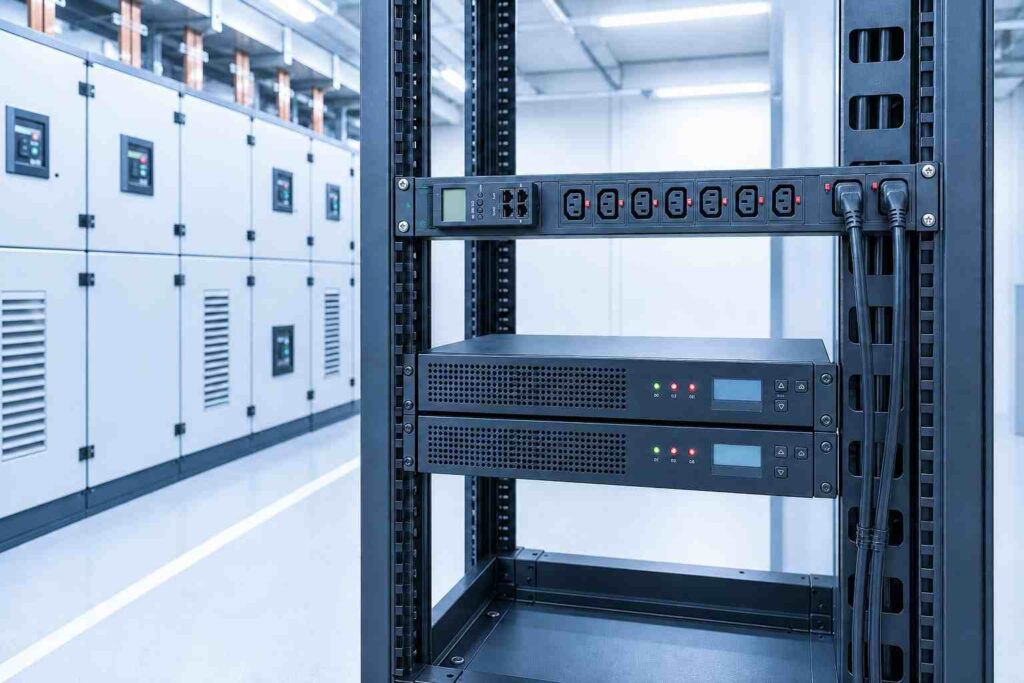
You need a 3-phase PDU when rack power demand exceeds the practical limits of single-phase circuits — typically above 5–8 kW of steady load per rack. Three-phase power delivers roughly three times the usable capacity at the same current rating, making it the standard choice for high-density IT equipment, AI/HPC clusters, and colocation deployments.
Single-phase PDUs remain a cost-effective fit for small, low-density racks and edge sites. The decision should always be driven by measured load, growth plans, and equipment density, not habit. This guide breaks down the capacity limits of each system, key performance differences, and clear criteria to choose the right PDU for your infrastructure.
A single-phase circuit delivers power via one live wire and one neutral wire, with capacity calculated as voltage × amperage = watts. For example, a 120V 20A circuit supports ~2.4 kW, and a 208V 30A circuit supports ~6.2 kW at theoretical maximum. Safe operating practice keeps steady draw below this rated limit.
This household-style power feed is simple to install, uses lighter cabling, and works reliably for low-density deployments. It is ideal for small branch office racks, wiring closets with a few servers and switches, and temporary setups with limited power infrastructure.
Once steady rack draw rises above 5–8 kW, single-phase becomes inefficient and impractical. Adding more capacity requires extra circuits, thicker cabling, and additional breaker panels — each adding cost, complexity, and points of failure. Capacity only scales by adding more individual feeds, since the maximum current per leg is fixed.
For racks approaching this threshold, planning for a 3-phase upgrade before a hardware refresh avoids costly rework later.
Three-phase circuits carry current across three live wires instead of one, delivering roughly three times the usable capacity at the same amperage rating. For example, a 32A 400V 3-phase PDU delivers 22.2 kVA, easily supporting racks drawing 10–18 kW — a single-phase unit at the same 32A rating would reach only ~1/3 of that capacity.
| Factor | Single-Phase PDU | 3-Phase PDU |
|---|---|---|
| Capacity at same current | Baseline (1x) | ~3x higher |
| Typical rack load range | Up to 5–8 kW | 10–18 kW+ |
| Cabling | Lighter, simpler | Thicker, multi-wire |
| Upfront cost | Lower | Higher |
| Best for | Small racks, edge sites, low density | High-density compute, colocation, AI/HPC |
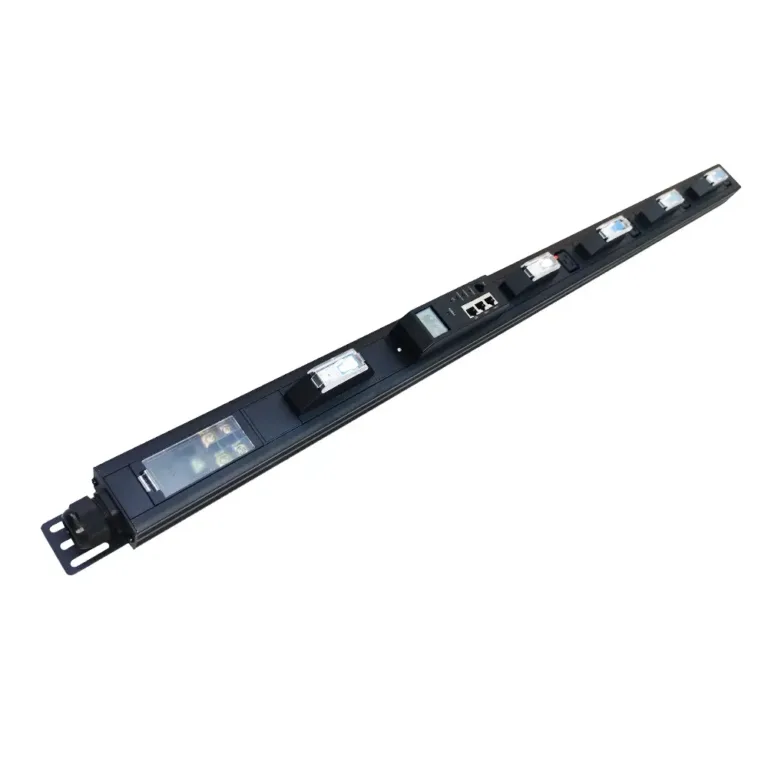
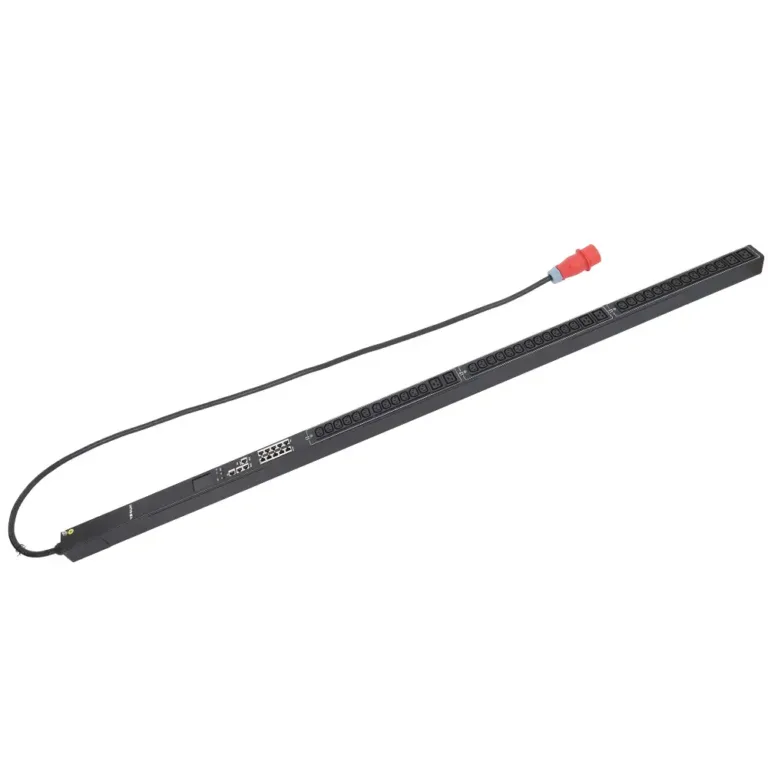
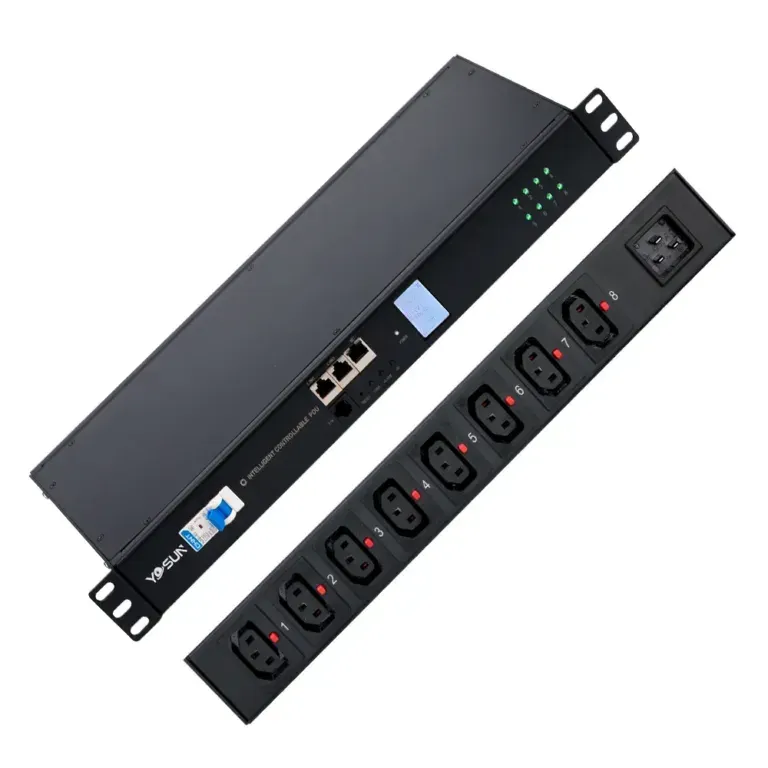
Voltage configurations vary by region and facility, with 208V, 400V, and 480V being the most common. Form factors include vertical 0U units that mount along rack rails to save horizontal space, and horizontal 1U/2U units for shallower cabinets.
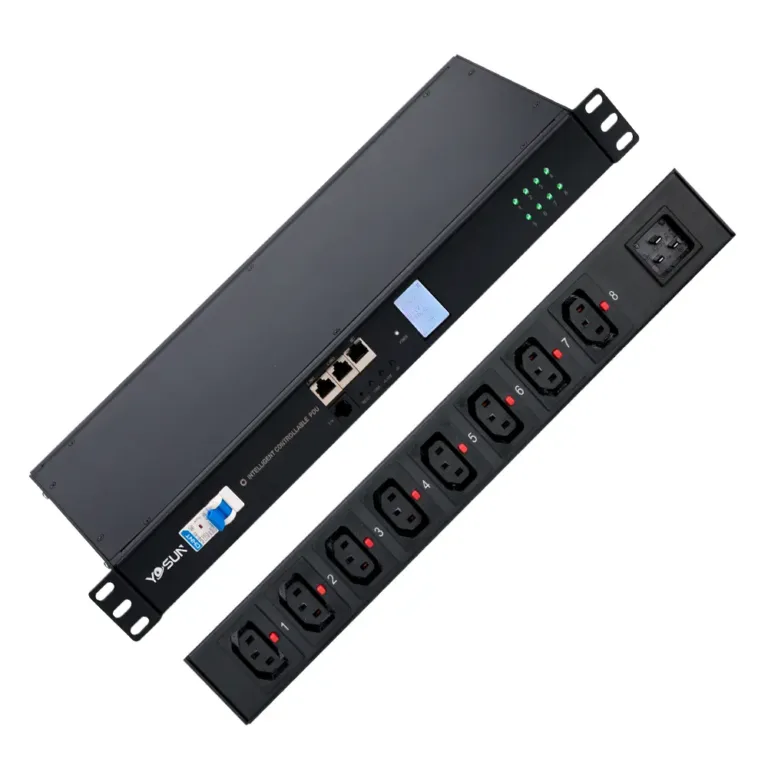
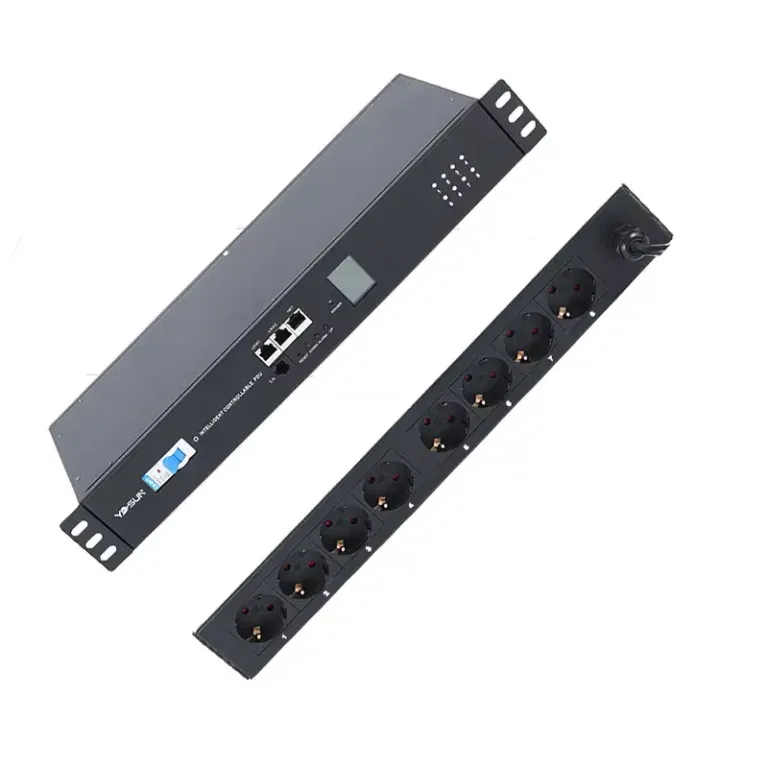
Intelligence tiers also scale to match rack criticality:
NBYOSUN 3-Phase Rack PDUs offer full configuration flexibility, with 24–54 outlet counts (mix of C13 and C19 sockets) and all four intelligence tiers. This lets buyers match the PDU exactly to their rack’s power needs and monitoring capabilities.
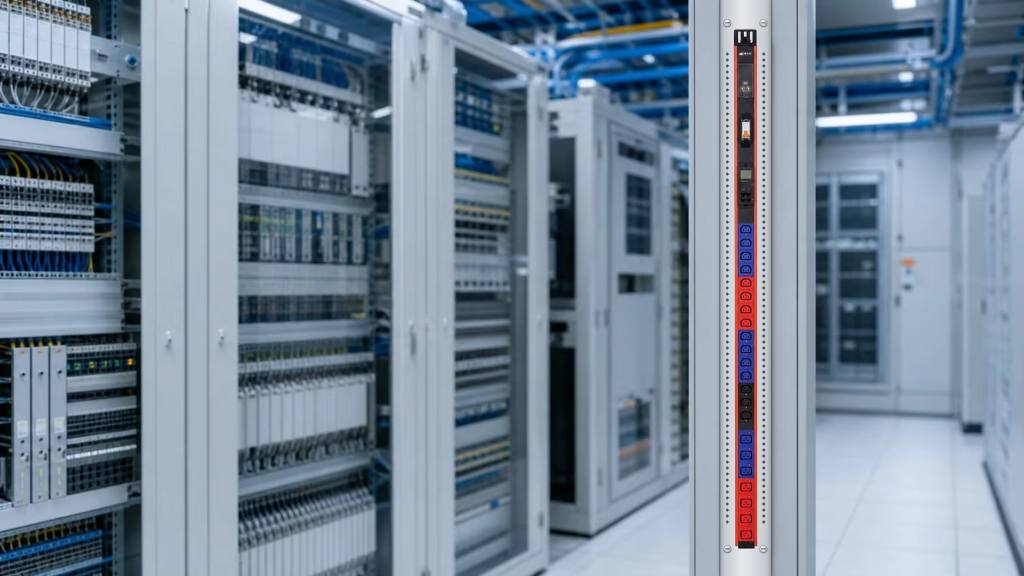
For a 3-phase system to deliver its full rated capacity reliably, loads must be evenly distributed across all three legs.
If one phase carries significantly more current than the others, the heaviest leg will hit its breaker limit first — even when total rack draw is well below the combined capacity. Wasted capacity on the other legs is the mildest outcome; severe imbalance also stresses the neutral conductor and can shorten equipment lifespan.
A well-balanced 3-phase PDU also improves resilience: a tripped breaker on one leg will only take out that circuit’s outlets, while the other two legs remain operational. This creates a smaller failure domain than a single large single-phase feed.
Stick with single-phase if:

Make the switch when any of these apply:
3-phase PDUs are not universally better — they are the right tool for higher-density, higher-capacity deployments. For racks drawing under 5 kW, single-phase remains the simpler, lower-cost choice. Once steady load crosses the 5–8 kW mark, or when you are deploying dense compute hardware, 3-phase power delivers far more capacity, efficiency, and scalability at the same current rating.
Always base your decision on measured real-world load, not estimates, and leave headroom for future growth to avoid costly infrastructure upgrades later.
A steady draw above roughly 5–8 kW is the standard threshold. Beyond this point, single-phase setups require multiple circuits, thicker cabling, and extra breaker space, making 3-phase the more practical and cost-effective choice.
No. Small, low-density racks and edge sites work perfectly well with single-phase power at a lower upfront cost. Three-phase units deliver value for dense, high-load racks and large-scale deployments.
Uneven loads cause the heaviest phase leg to trip its breaker first, even if total draw is well below rated capacity. Metered per-phase readings let you spread high-draw equipment evenly across all three legs to use full system capacity.
Common feed voltages include 208V, 400V, and 480V to match facility infrastructure. Vertical 0U units save horizontal rack space, while horizontal 1U/2U units fit shallower cabinets.
Metered PDUs are the minimum for load balancing. Monitored models add remote visibility via standard protocols. Switched PDUs add remote reboot and power sequencing for high-availability deployments. Match the tier to your rack’s criticality and monitoring workflow.