What Makes PDU Switched Units So Reliable?
Discover why pdu switched units are trusted for reliability with features like remote control, real-time monitoring, and surge protection for critical setups.


+86 15867381241
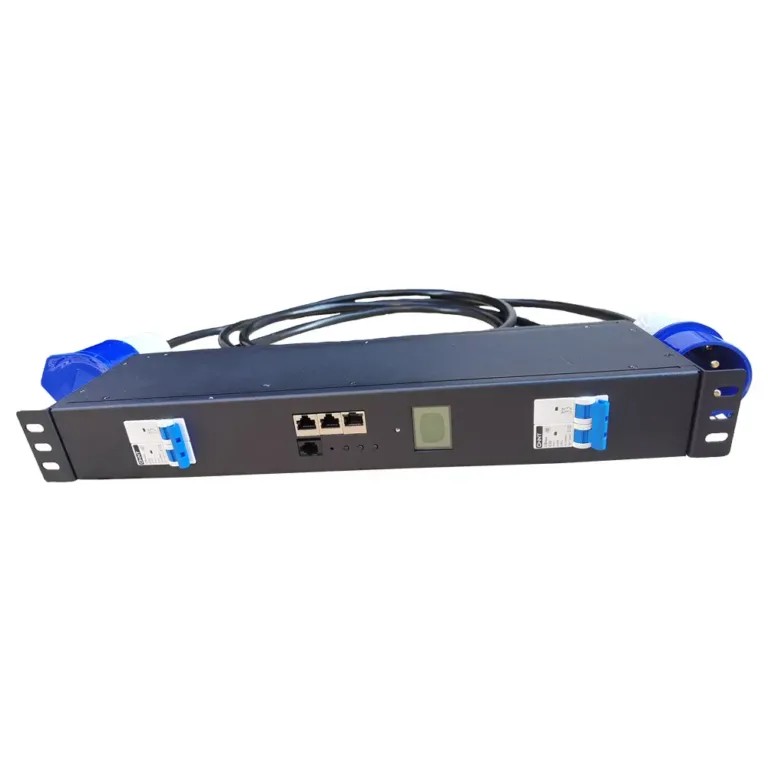
A PDU’s power input is defined by three core specifications: voltage, current (amperage) rating, and phase configuration (single-phase or three-phase). Together, these specs determine whether a PDU can safely connect to your facility’s power supply and deliver reliable power to connected IT equipment. A mismatch in any one area can lead to equipment damage, circuit overloads, or serious safety hazards.
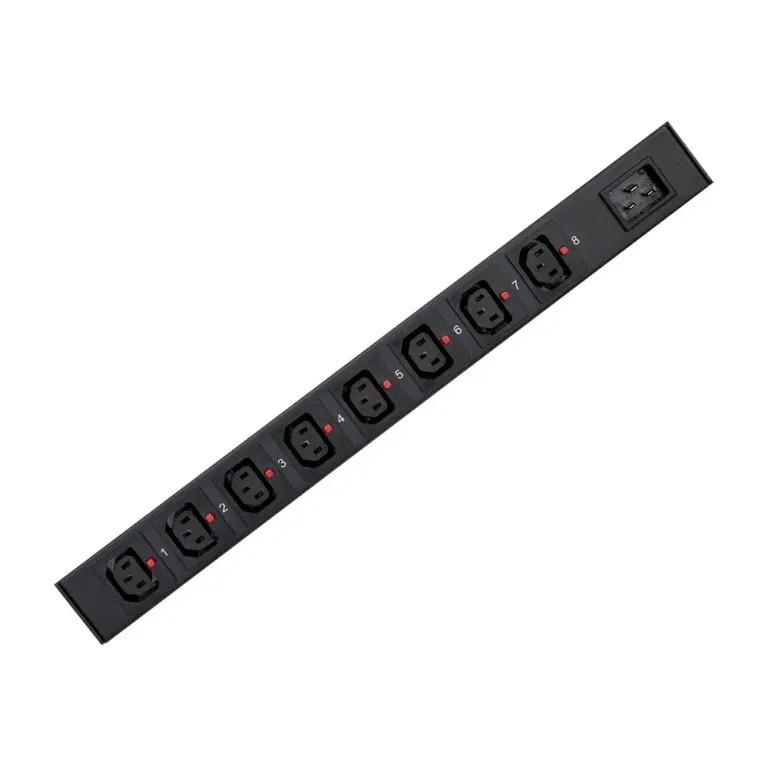
Every PDU’s input rating is built on three foundational electrical characteristics.
Voltage measures the electrical potential difference in a circuit, or the “pressure” that pushes current through the wiring. Standard PDU voltage ratings vary by region and phase configuration:
Input voltage directly impacts how much power the PDU can deliver to connected equipment. Higher voltage systems deliver more power at the same current, reducing line losses and improving distribution efficiency.
Amperage (current rating) is the maximum electrical current a PDU can safely draw from its power source. Common ratings for rack PDUs include 15A, 20A, 30A, 60A and 100A+. Higher amperage allows the PDU to support more equipment and higher power loads without overheating.
Phase refers to the configuration of the alternating current (AC) power waveform.
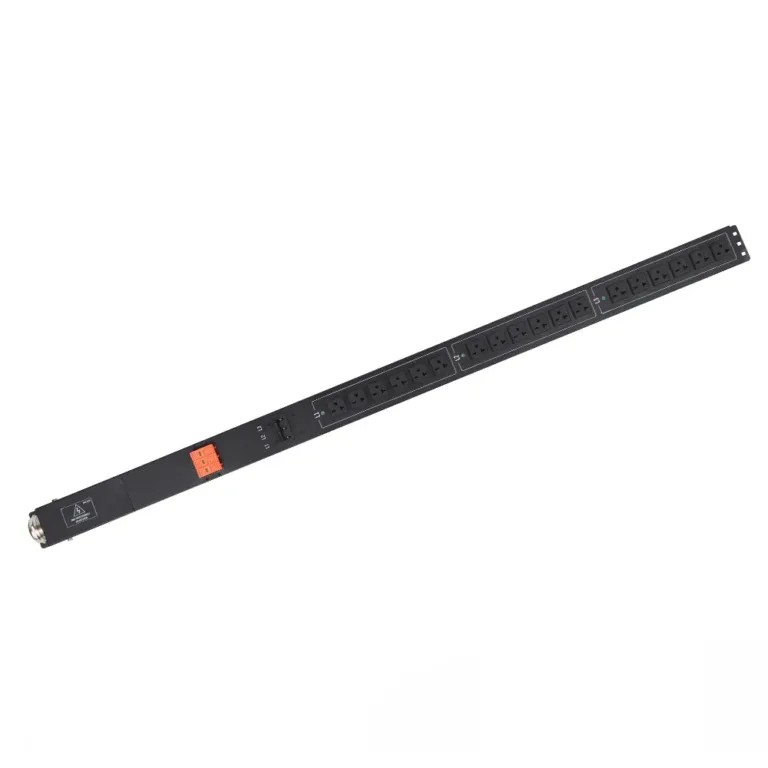
Total usable power depends on all three input specs working together. The basic power formulas are:
Per National Electrical Code (NFPA 70) requirements, branch circuits supplying continuous loads must be rated for 125% of the load. Since data center servers run 24/7, they qualify as continuous loads. This means maximum safe continuous load = 80% of the PDU’s rated amperage.
For example:
Load must be evenly balanced across all three phases. Severe imbalance can cause one phase to exceed its current limit, trip the circuit breaker, and reduce total usable capacity. Aim for a load imbalance of less than 5% across phases for safest, most efficient operation.
Before selecting a PDU, confirm that its input voltage, phase, amperage, and connector type match the available power at the installation site. A mismatch can prevent the PDU from operating correctly and may require costly electrical modifications.
Check the power available at the rack location, including:
Your facilities or electrical team can usually confirm these details from the electrical panel, outlet specifications, or facility documentation.
Add up the expected power consumption of the servers, switches, storage systems, and other equipment connected to the PDU. Leave sufficient capacity for continuous operation, startup loads, and future expansion.
The PDU’s usable capacity should be appropriate for both the current rack load and expected future requirements.
The PDU’s input plug must match the available facility outlet. Common configurations include NEMA, IEC, and IEC 60309 connectors.
If the connector, voltage, or circuit rating does not match, consult a qualified electrician rather than relying on temporary or unsuitable adapters.
Voltage, amperage, and phase form the foundation of every PDU’s power input rating. Matching these three specifications to your facility’s electrical supply is the first and most important step in safe, reliable rack power distribution.
Taking the time to verify facility power, calculate load requirements, and select the right connector will prevent costly mismatches and safety issues. For low-density edge sites, single-phase PDUs are a simple, cost-effective choice. For enterprise and high-density AI/HPC deployments, three-phase systems deliver superior power density, efficiency and total value.
Single-phase power uses one alternating current waveform, while three-phase power uses three waveforms offset by 120 degrees. Three-phase PDUs deliver 1.732x more power at the same voltage and current, making them better suited for high-density racks and large data centers.
The National Electrical Code requires continuous-load branch circuits to operate at no more than 80% of their rated capacity. Since server loads run 24/7, they count as continuous. This safety margin prevents overheating, reduces nuisance breaker trips, and extends equipment lifespan.
Start by confirming three details at your rack location: voltage, amperage, and phase configuration. Your facilities team can provide this information from building electrical documentation. Next, calculate your total equipment load, and select a PDU with enough usable capacity to support your gear with room for growth.
No. PDUs are designed and rated for a specific input voltage. Modifying a PDU to operate at a different voltage creates serious safety hazards and will void certifications. If you need to match a different power source, select a PDU rated for that voltage.
For the same rack space, three-phase PDUs typically support more outlets than single-phase units, since they deliver more total power. Standard 0U vertical three-phase PDUs commonly include 30–42 mixed C13/C19 outlets, while single-phase units usually have 8–24 outlets.