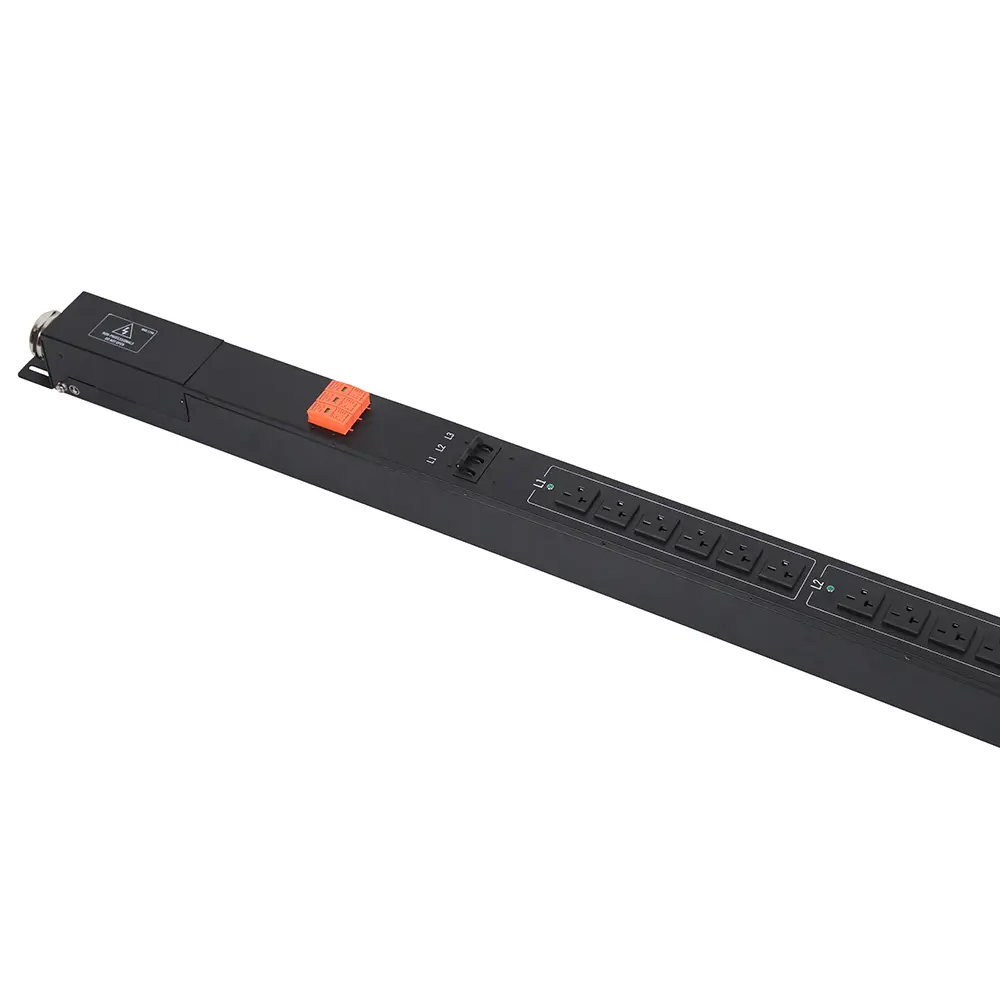
What are the parts of a PDU?
A power distribution unit (PDU) is the unsung backbone of every data center, server room, and IT infrastructure. It quietly delivers stable power to hundreds...


+86 15867381241
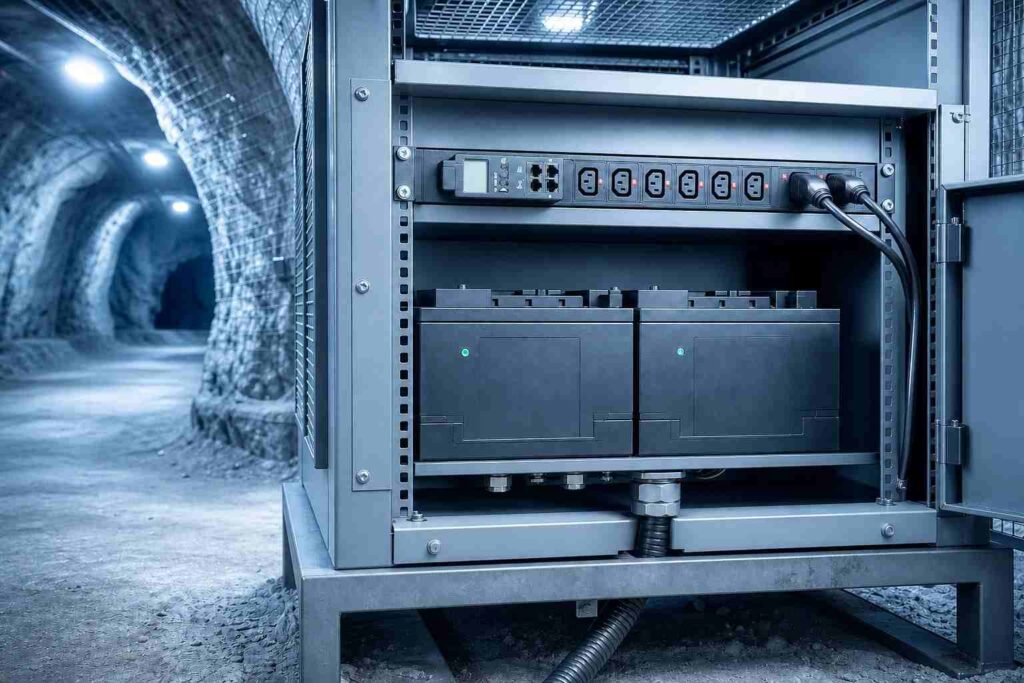
Billing-grade accuracy in a metered PDU means the device measures electrical parameters with a maximum error of ±1%, meeting internationally recognized metrology standards like IEC 62053-21 Class 1. This tight tolerance sets billing-grade units apart from standard monitoring-grade metered PDUs: the data is consistent, verifiable, and legally robust enough to use for financial transactions like tenant billing, departmental chargebacks, and regulated energy cost allocation.
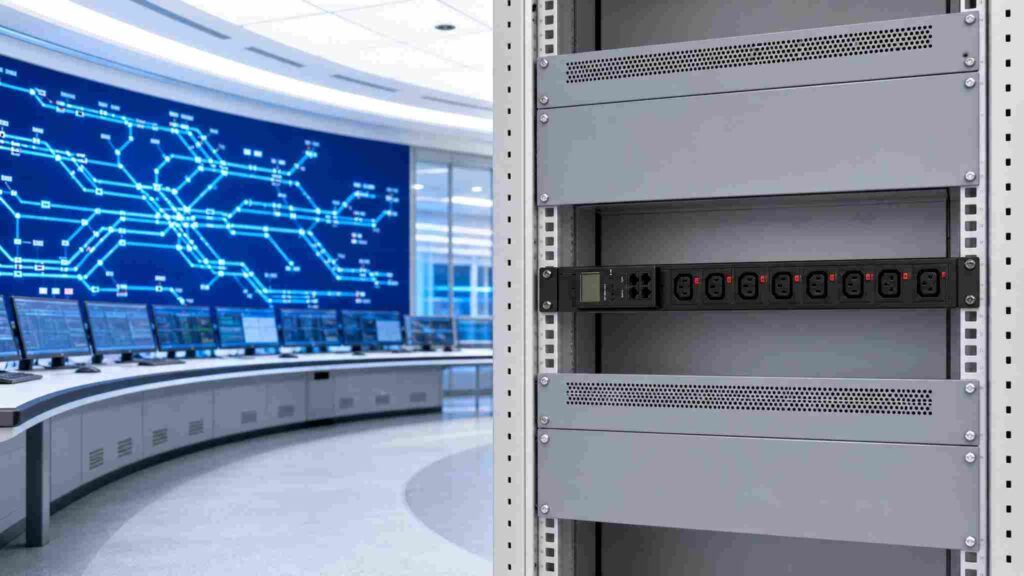
Billing-grade accuracy is defined by strict, standardized error limits set by global metrology standards. For active energy measurement, the core benchmark is IEC 62053-21:2020, which defines three accuracy classes for static electricity meters:
For financial billing and chargeback use cases, Class 1 is the lowest acceptable accuracy level. This ±1% tolerance applies across all measured parameters — voltage, current, active power, apparent power, and total energy — not just energy alone. A device that measures energy accurately but reports voltage with wide margins cannot support reliable billing calculations.
Multiple regional and international standards govern billing-grade metering:
| Standard | Purpose |
|---|---|
| IEC 62053-22 | Static meters for active energy; defines 0.2S and 0.5S accuracy classes |
| IEC 62053-23 | Reactive energy measurement standards |
| IEC 61557-12 | Power metering and monitoring device requirements |
| MID 2014/32/EU | European Measuring Instruments Directive framework for legal metrology |
| ANSI C12.20 | North American standard for revenue-grade power meters |
Class equivalencies across frameworks let engineers compare products across regions: IEC Class 2 maps to MID Class A, Class 1 maps to MID Class B, and Class 0.5S aligns with MID Class C.
The core difference is measurement tolerance and intended use case. Standard metered PDUs are built for monitoring and capacity planning, while billing-grade units are engineered for financial-grade accuracy.
| Metric | Standard Metered PDU | Billing-Grade Metered PDU |
|---|---|---|
| Typical error | ±1–3% of full scale | ±1% or better (IEC Class 1 or higher) |
| Suitable use cases | Capacity planning, trend monitoring, ASHRAE TC 9.9 reporting | Tenant billing, departmental chargebacks, regulatory compliance |
| Financial defensibility | Not sufficient for invoices or audits | Auditable, contractually compliant data |
| Low-load accuracy | Error grows larger at low loads (full-scale based rating) | Tighter tolerance across the full operating range |
The gap between standard and billing-grade accuracy adds up to significant costs at scale. For a single 5kW rack running 24/7, a 0.5% measurement error equals ~219 kWh of unaccounted energy per year. At $0.12 per kWh, that is ~$26 per rack per year in misallocated cost. Scaled across a 500-rack colocation facility, the annual error exceeds $13,000 — costs that land on the wrong tenant or department.
Standard metering’s full-scale-based error rating also means accuracy degrades further at low loads, making it even less reliable for variable-density racks.
In multi-tenant data centers and colocation facilities, accurate energy measurement is required to charge tenants for their actual power use, rather than flat fees or estimated splits. Billing-grade metering replaces guesswork with auditable data: tenants pay for what they use, and operators recover the full cost of delivered power.
Inside enterprise data centers, the same accuracy enables fair departmental chargebacks. Standard metering with wide error margins can skew departmental budgets, hide true service costs, and create internal disputes.
Reselling electricity to tenants is often a regulated activity, requiring the use of certified metering equipment that meets published accuracy standards. Tenant leases may also specify metering accuracy requirements, audit rights, or third-party verification requirements.
Using non-certified metering for billing can result in contract disputes, refund claims, penalties, or lost business. Billing-grade PDUs with documented accuracy classes provide defensible data that holds up during audits and tenant disputes.
As power densities rise and energy costs grow, these requirements will only tighten. Investing in billing-grade metering now positions operators for future regulatory compliance and builds trust as a competitive advantage.
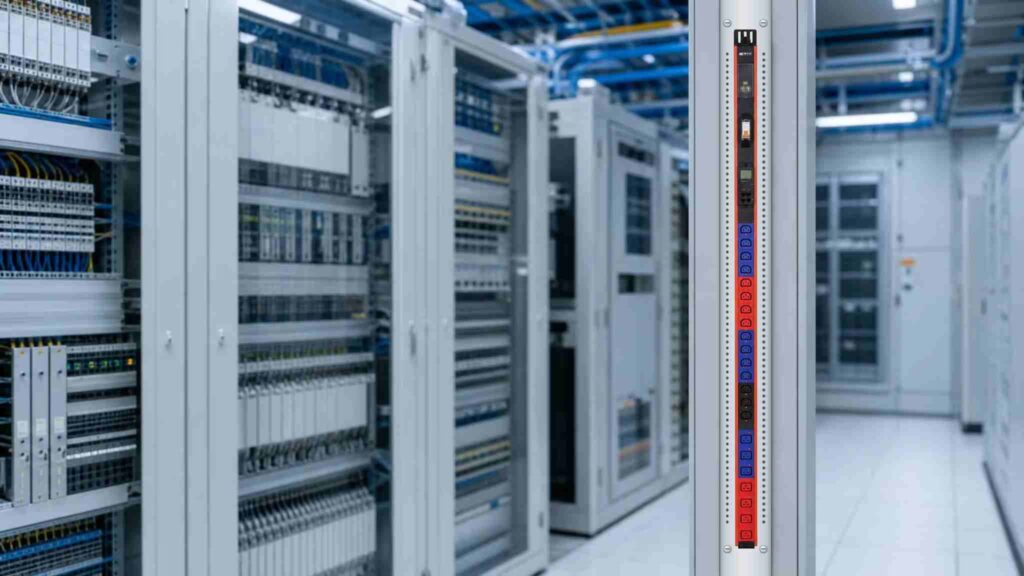
Vague marketing claims of “high accuracy” carry no weight for financial use cases. Use these steps to confirm a metered PDU meets billing-grade standards:
For example, NBYOSUN metered PDUs carry GS, CE, VDE, ULBS, CB, RoHS, and CCC certifications, with published accuracy specifications aligned to global billing standards. Always verify claims against a consistent checklist before large deployments.
Billing-grade metering holds measurement error to ±1% or tighter, per IEC 62053-21 Class 1 standards. The accuracy must apply across all core parameters: voltage, current, active power, and total energy. A device accurate in only one metric does not qualify for financial use.
Standard metered PDUs have ±1–3% full-scale error, suitable for trend monitoring and capacity planning. Billing-grade units maintain ±1% or better accuracy across the full operating range, making the data robust enough for tenant invoices and departmental chargebacks.
Look for explicit accuracy classes tied to named standards: IEC 62053-21 Class 1/2 for active energy, ANSI C12.20 for North American revenue-grade meters, or MID 2014/32/EU for European deployments. Vague claims of “high accuracy” do not meet billing requirements.
No. Datasheet claims alone carry little weight for financial use cases. Third-party lab reports confirm whether a unit truly meets its stated accuracy class across real operating conditions. Always request test documentation before large deployments to protect against audit and billing dispute risk.
Accurate metering ensures tenants and departments are charged for their actual energy use. Even small percentage errors add up to thousands of dollars in misallocated costs across a large facility each year. Billing-grade data supports fair invoices, regulatory compliance, and trust between operators and tenants.