Colocation PDU Basics: Tenant Metering and Billing-Grade Accuracy
Table of Contents
Billing-grade accuracy for tenant metering pdu is defined as a measurement error of ±1% or better, aligned with the IEC 62053-21 Class 1 standard for AC static meters. This accuracy threshold is critical for both colocation operators and tenants: it ensures tenant bills match actual power consumption, allows operators to fully recover delivered power costs, and supports auditable compliance for energy and carbon reporting.
Key Takeaways
Billing-grade accuracy means ±1% or better measurement error, per the IEC 62053-21 Class 1 standard.
Billing-grade metering ensures fair tenant bills and full power cost recovery for operators.
Per-outlet metering at the tenant PDU output delivers the most accurate per-tenant energy attribution.
Always verify accuracy with official test reports, calibration records, and factory load test evidence.
Accurate metering also supports reliable per-tenant carbon attribution and facility PUE reporting.
What Is Billing-Grade Accuracy in Colocation PDUs?
Billing-grade accuracy sets a formal, auditable cap on energy measurement error, requiring readings to fall within ±1% of the true power value across the meter’s full rated operating range. This tolerance is defined by the IEC 62053-21 Class 1 standard, which mandates testing across specified load points and power factors to validate consistent performance.
Real-World Impact of Measurement Error
A 1% margin may look small on a single circuit, but it compounds significantly across a colocation facility. For example, across 50 tenants using 2,000 kWh each per month, a 1% error misallocates 1,000 kWh per month — or 12,000 kWh per year — of costs across the site. Over time, uncalibrated meters can create substantial revenue loss for operators or overcharging for tenants.
Meters that carry a formal Class 1 rating include documentation of the test regime used to validate performance, so buyers can compare results across vendors on an apples-to-apples basis.
Billing-Grade vs. Standard PDU Metering
Standard metered PDUs track voltage, current and power for internal capacity planning and troubleshooting. Billing-grade metering delivers auditable, traceable readings accurate enough to base financial transactions on.
Feature
Standard Metered PDU
Billing-Grade PDU
Accuracy
Looser tolerance for monitoring only
±1% or better, IEC 62053-21 Class 1 certified
Primary use case
Internal capacity planning, troubleshooting
Tenant billing, cost allocation, audit compliance
Typical placement
Input feed level only
Per-outlet or per-circuit tenant level
Audit trail
No formal calibration traceability
Test reports, calibration records, traceable accuracy
Metered-Input vs. Metered-Outlet PDUs
Two common metering configurations are used in colocation:
Metered-input PDUs: Provide branch-level visibility at the main input feed. They are suitable for capacity planning and shared row-level monitoring.
Metered-outlet PDUs: Track power at each individual outlet with billing-grade accuracy. They are the standard for tenant-level billing, where each tenant pays for their own rack power.
For high-load dedicated tenant suites, operators often use a dedicated revenue-grade meter at the feed level, paired with rack PDUs for granular visibility.
Colocation PDU Metering Tiers
Most colocation facilities use a tiered metering strategy, matching capability to each rack’s use case to balance cost and functionality. Four common tiers share a common chassis platform for consistent spare parts and deployment:
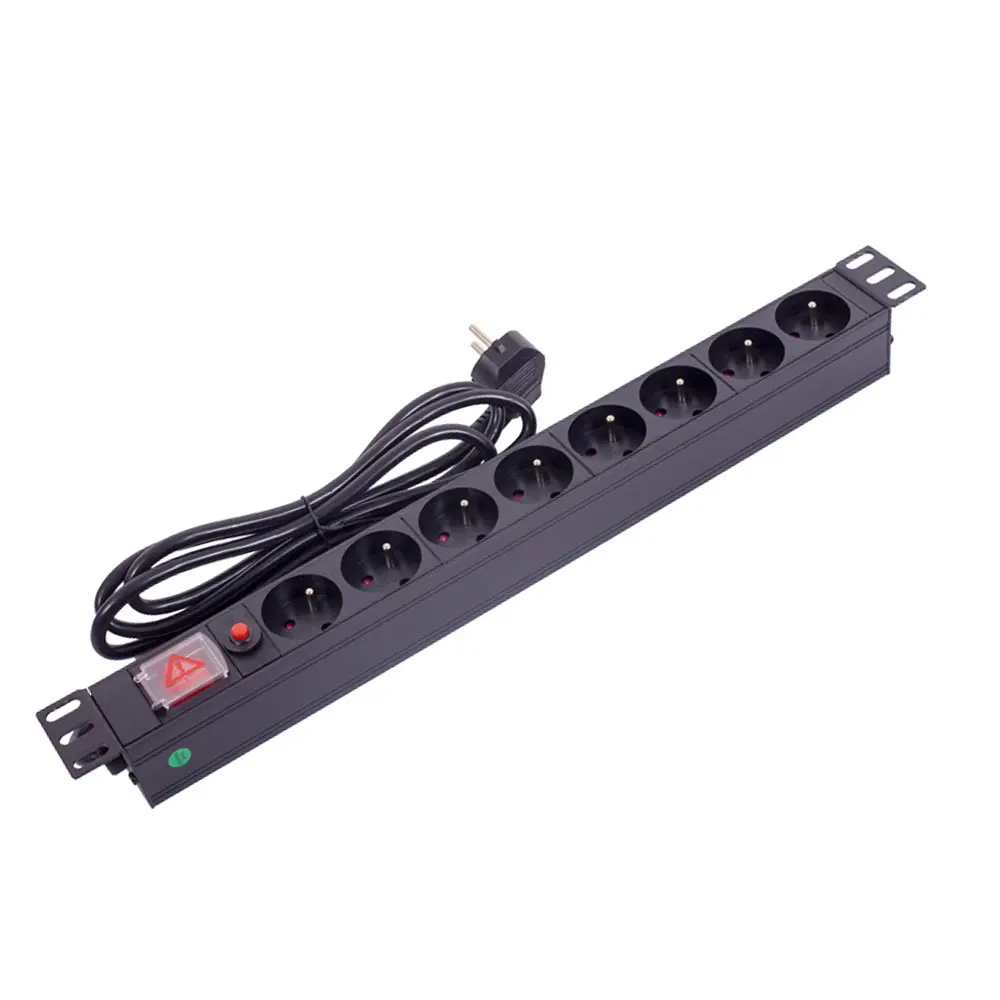
Basic PDUs: No smart metering, only power distribution. For non-billed staging or low-priority racks.
Metered-input PDUs: Feed-level current/voltage monitoring for capacity planning. For shared rows and internal use racks.
Metered-outlet PDUs: Per-outlet billing-grade ±1% accuracy. For tenant racks with usage-based billing.
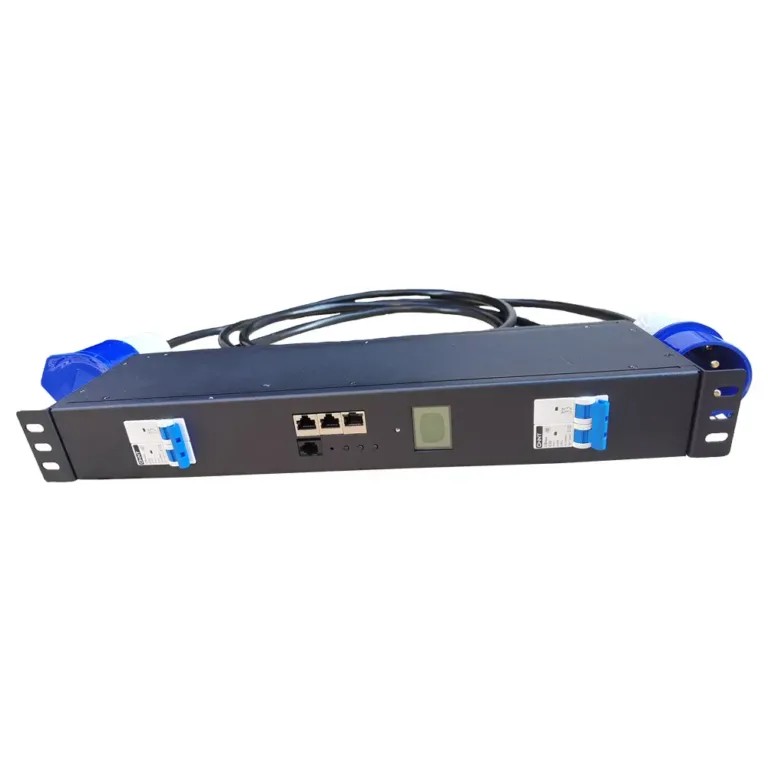
Network-monitored PDUs: Billing-grade per-outlet metering plus remote management, per-tenant access controls, and support for protocols like SNMP v3, Modbus TCP and BACnet. For premium tenant racks and high-density suites.
This tiered approach lets operators standardize hardware across the facility, and upgrade metering capabilities row by row as tenants move in.
How Colocation PDUs Support Tenant Billing and Compliance
Accurate Per-Tenant Energy Attribution
Best practice is to meter power directly at each tenant’s PDU output, so usage is measured at the point of consumption rather than estimated from upstream feeds. This eliminates allocation guesswork and gives tenants transparent, verifiable usage data.
The same metering data also supports per-tenant carbon attribution and facility PUE reporting. Drifting or inaccurate meters skew both tenant carbon totals and facility-wide efficiency calculations. Billing-grade meters deliver the consistent, traceable readings needed for both financial and environmental reporting.
Audit & Regulatory Compliance
Billing-grade metering creates an auditable trail for energy costs. For regulated markets or enterprise tenants requiring formal energy data, Class 1 certified meters provide the documented accuracy needed to satisfy audit requirements.
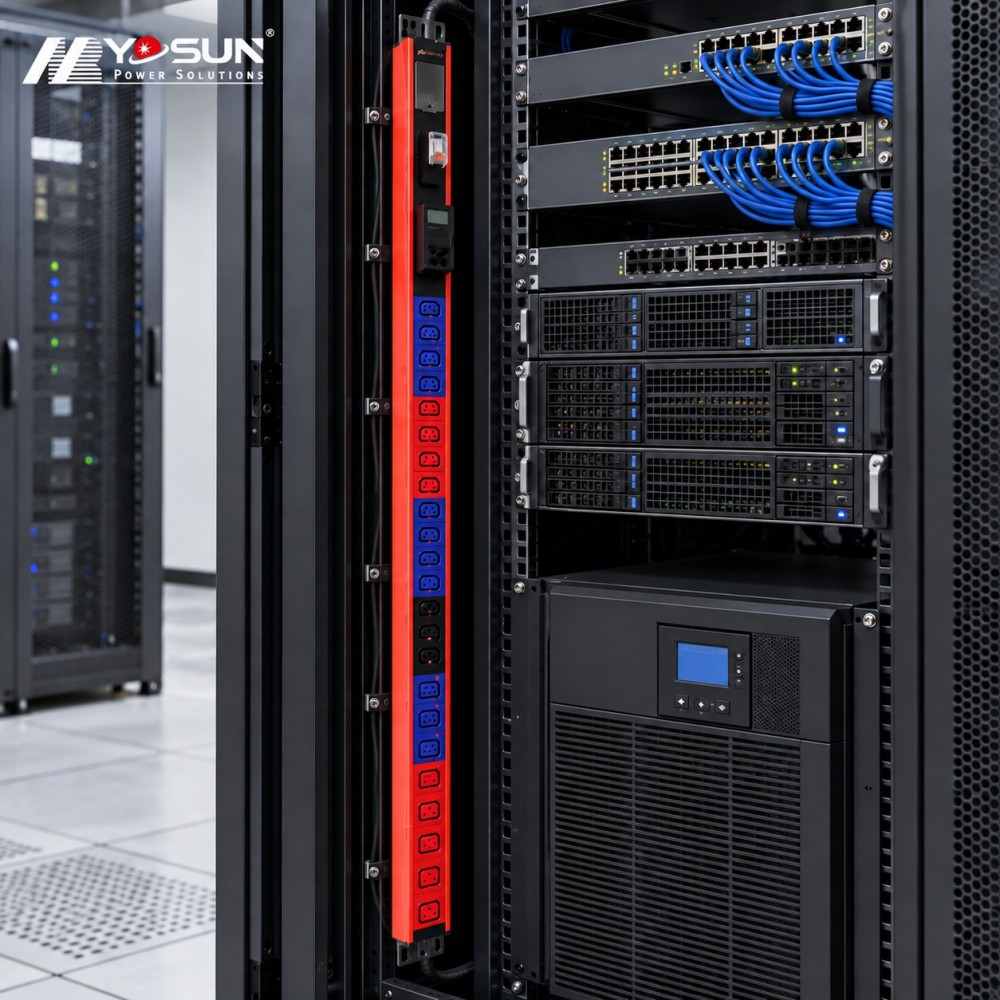
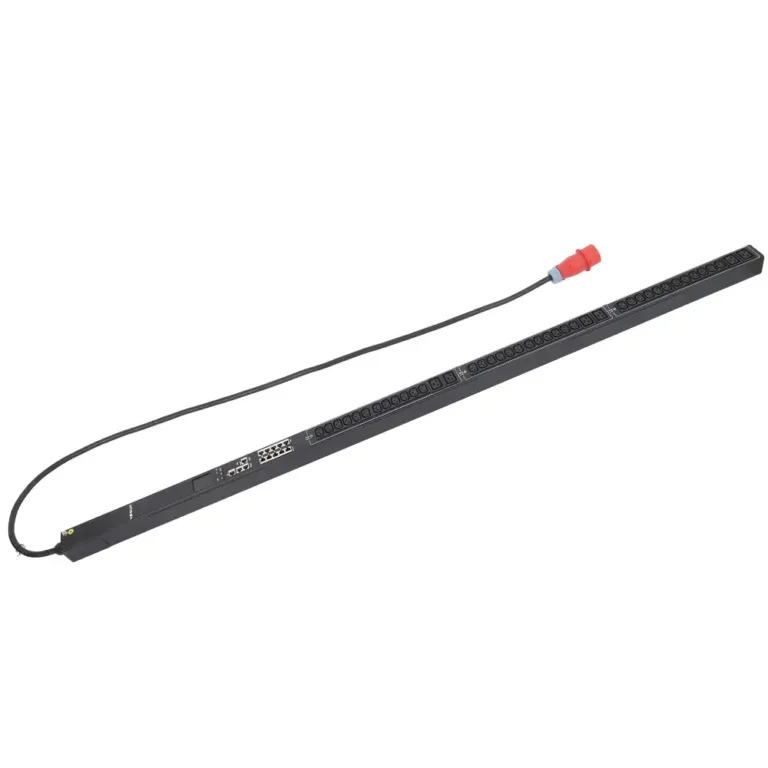
For reference, NBYOSUN Colocation Data Center PDUs deliver per-outlet ±1% billing-grade accuracy, with support for single-phase 120V/208V/230V and three-phase 400V inputs from 10A to 63A. Available in 0U vertical and 1U/2U horizontal form factors, with options for dual A/B feeds, ATS/STS redundancy, and network monitoring protocols, they support both tenant billing and facility-wide efficiency tracking.
How to Verify Billing-Grade PDU Accuracy
Vendor claims of billing-grade accuracy mean little without supporting documentation. Buyers should request three categories of evidence before purchasing:
1. Formal Certification & Test Reports
Ask for the official IEC 62053-21 Class 1 test report, including the specific load points and power factors used during testing. Also confirm safety and EMC certifications such as UL 62368-1, CE (LVD+EMC) and RoHS, which support the overall audit trail. NBYOSUN PDUs, for example, also offer regional certifications including BIS, PSE, INMETRO and SASO/Saber for global deployments.
2. Factory Quality Testing
Verify that every unit undergoes full load testing and burn-in before shipping. 100% hi-pot, load and burn-in testing catches calibration drift before units reach the field, ensuring consistent accuracy out of the box.
3. Calibration Traceability
Ask about the recommended recalibration interval and the reference standard used for factory calibration. Meters can drift over years of service, so a clear calibration schedule helps maintain billing-grade accuracy over the product lifecycle. For additional confidence, request sample field test data comparing meter readings against a calibrated reference load.
FAQ
What accuracy class should tenants expect from a colocation PDU?
Tenants should expect IEC 62053-21 Class 1 accuracy for billed circuits, which limits measurement error to ±1% or better. NBYOSUN colocation PDUs meet this standard with per-outlet ±1% accuracy. The class provides a fixed, vendor-neutral benchmark for comparison.
How can tenants verify a PDU’s billing-grade accuracy claim?
Request the official IEC 62053-21 Class 1 test report with documented load points, plus calibration records and sample field test data against a reference load. NBYOSUN performs 100% hi-pot, load and burn-in testing on every unit before shipment to validate consistency.
Why does metering accuracy matter for carbon reporting?
Per-tenant carbon totals are calculated from IT power consumption data. Inaccurate meters skew both individual tenant carbon figures and facility-wide PUE calculations. Billing-grade metering ensures both financial and environmental reporting are based on consistent, traceable data.
Which certifications support auditable tenant billing?
Formal safety and EMC certifications such as UL 62368-1, CE and RoHS form part of the audit trail, alongside dedicated metering accuracy test reports to IEC standards. Regional certifications such as BIS, PSE and INMETRO add compliance for local markets.
Can one PDU platform support both basic and billing-grade racks?
Yes. Most modern colocation PDU lines share a common chassis across four intelligence tiers: Basic, Metered Input, Metered Outlet and Monitored Network. Operators can standardize hardware across the facility and upgrade metering tier per row as tenants move in.
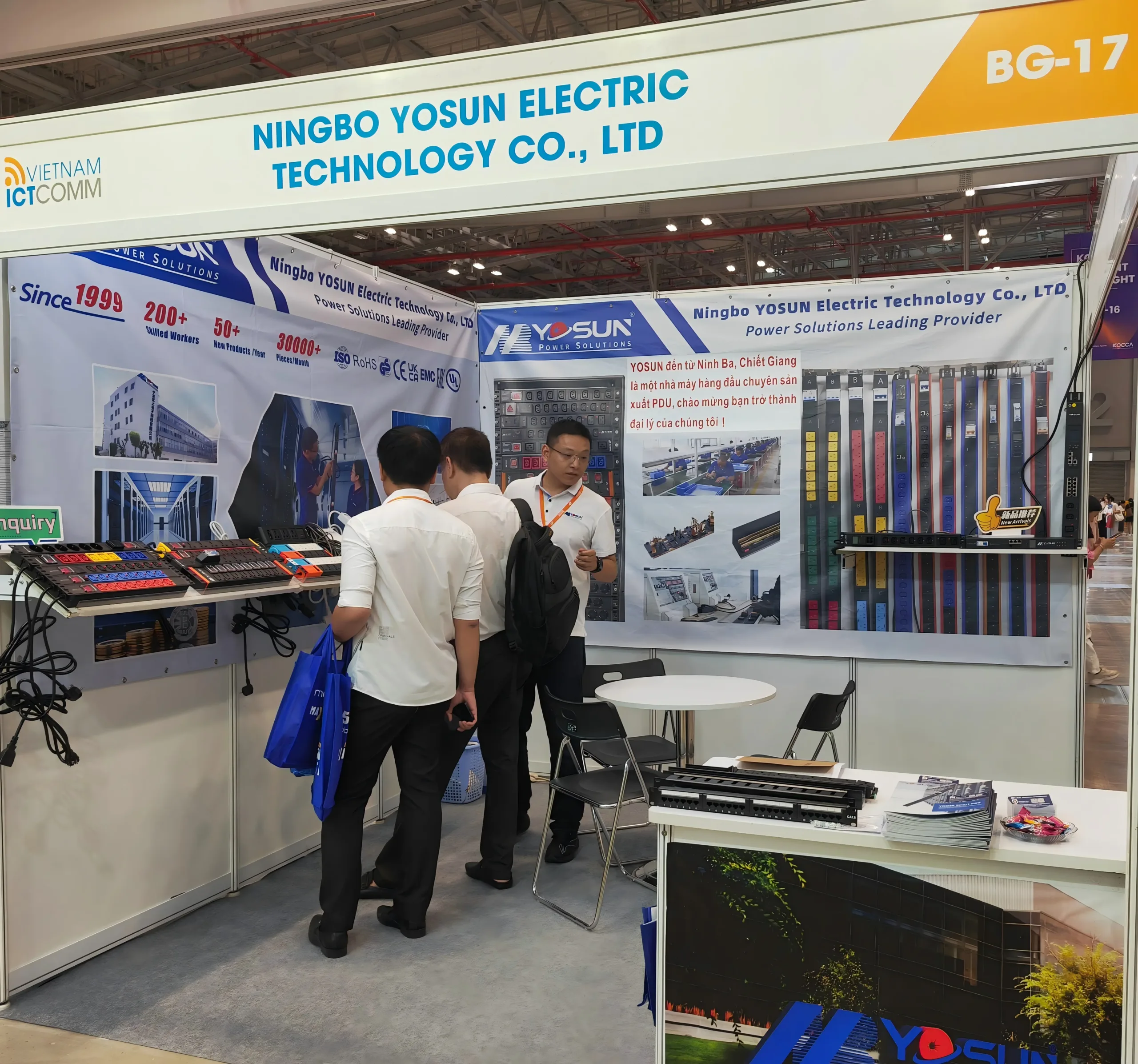
In June, YOSUN participated in the VIET NAM ICTCOMM 2024 exhibition, achieving unprecedented success and receiving widespread acclaim from both new and returning customers. The...
Monitor PDU power usage effectively with real-time insights, advanced tools, and actionable strategies to optimize energy efficiency and prevent downtime.
Get reliable remote power management with our top inexpensive IP switched PDU picks. Compare affordable models for individual outlet control and find the best value.
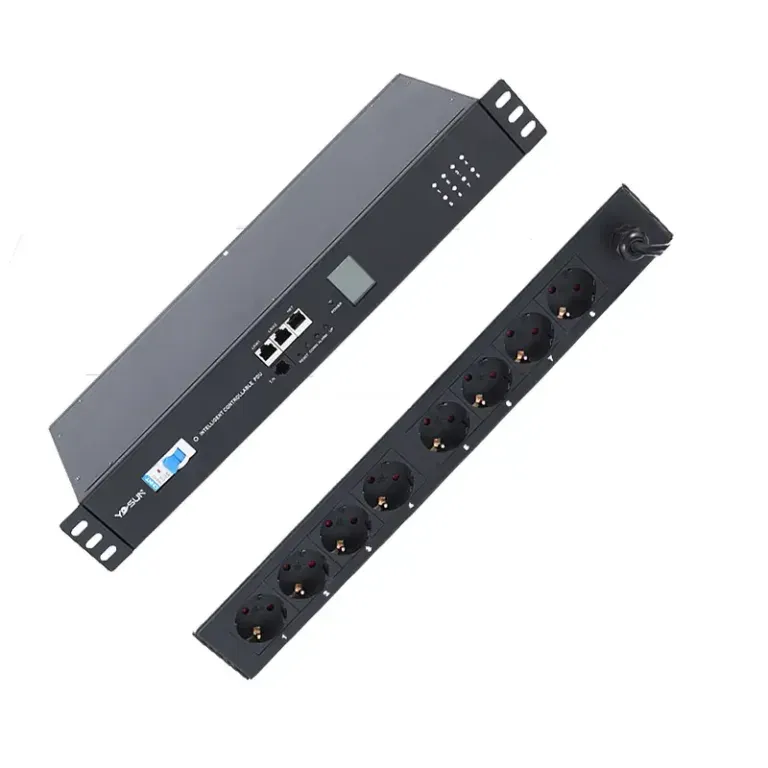
Compare horizontal PDUs for racks, their features, benefits, and applications in IT setups. Learn how they optimize space and ensure reliable power delivery.
Remote power control allows you to turn devices on, off or restart them from anywhere in the world using an internet connection. This technology has...