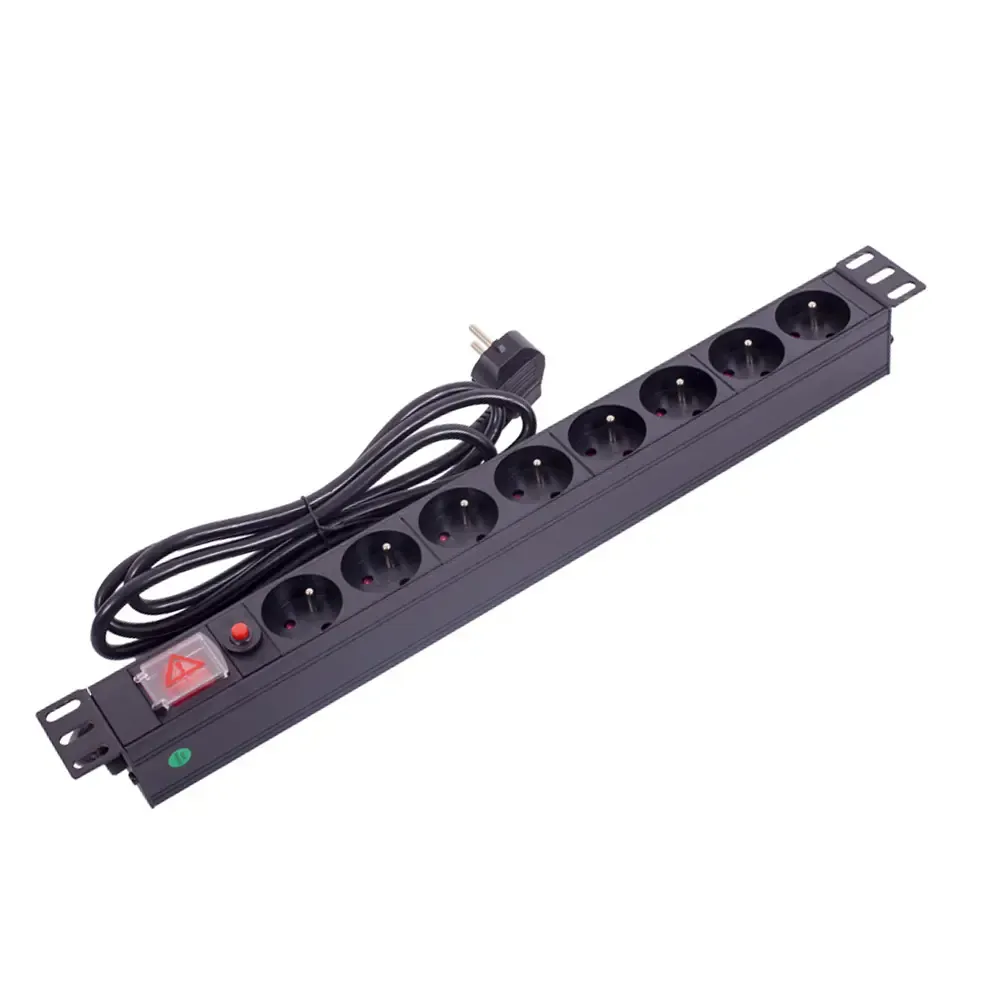
Installing a Rack Mounted PDU Made Easy for Beginners
Easily install a rack mounted PDU with step-by-step tips for safe setup, cable management, and overload protection—perfect for beginners and IT pros.


+86 15867381241
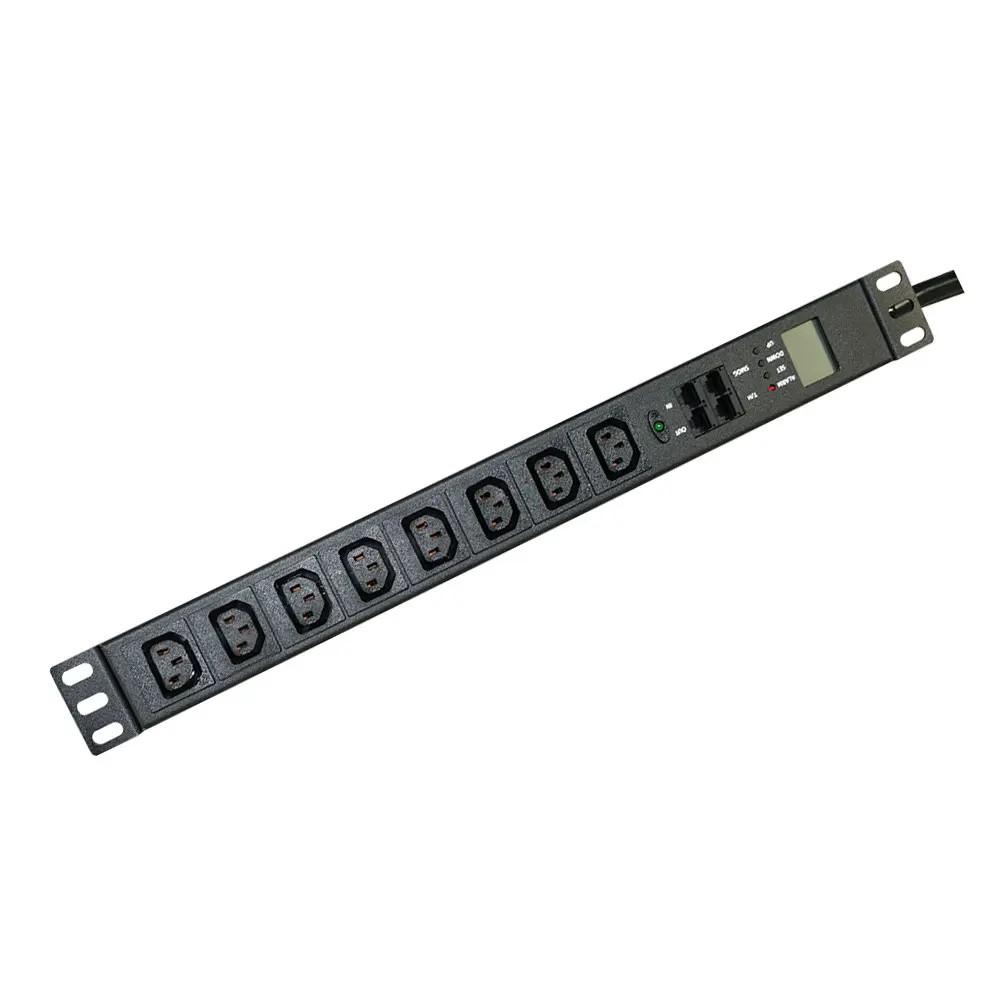
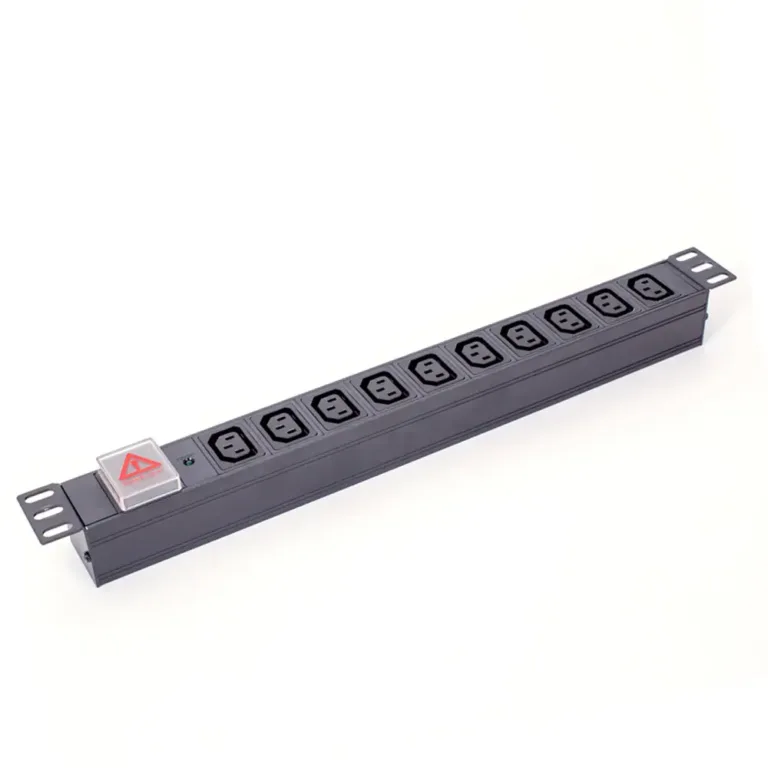
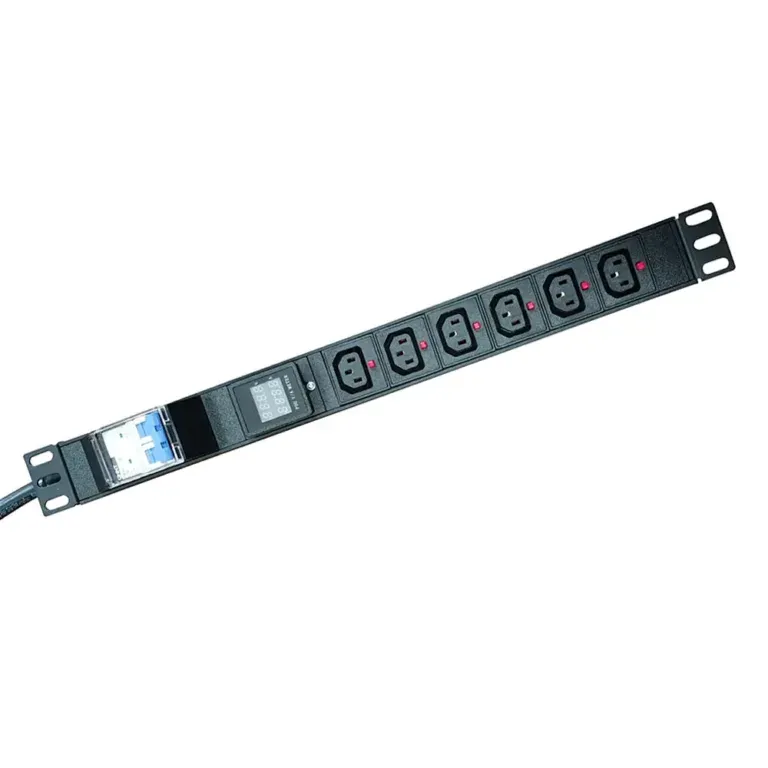
The standard, industry-standard device for distributing power to a server rack is a rack-mount power distribution unit (PDU). It takes a single incoming power feed — from the utility grid, uninterruptible power supply (UPS), or backup generator — and splits it across multiple outlets to deliver power to servers, network switches, storage hardware and other rack-mounted IT equipment.
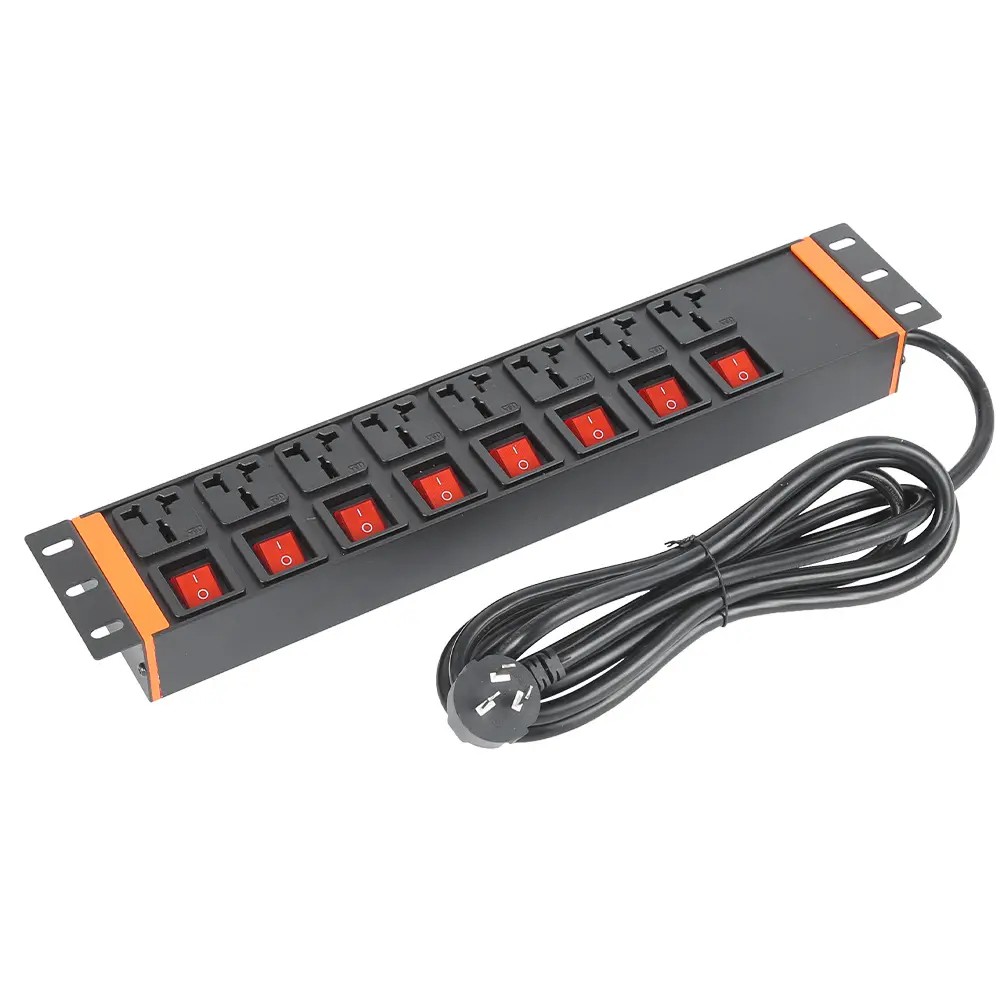
A rack-mount PDU (Power Distribution Unit) is a specialized power distribution device installed inside IT server racks to deliver electricity from a primary power source to multiple servers, switches, and network devices.
Unlike standard power strips, rack PDUs are designed for continuous operation, higher electrical loads, and data center environments. They provide reliable outlet distribution, improved power organization, and optional monitoring or remote management capabilities.
Rack PDUs are commonly mounted vertically (0U) or horizontally (1U/2U) inside 19-inch server racks, making them an essential component in modern data centers and server rooms.
Although rack PDUs and UPS systems are often used together, they perform different functions.
| Device | Main Function |
|---|---|
| Rack PDU | Distributes power from one input source to multiple rack outlets |
| UPS | Provides battery backup and protects equipment during power outages |
A UPS does not replace a PDU. Instead, they work together in a typical power chain:
Utility Power → UPS → Rack PDU → Server Equipment
The UPS provides backup power and power conditioning, while the rack PDU safely distributes that power throughout the rack.
Rack PDUs range from simple power distribution units to advanced intelligent systems with monitoring and remote control features.
| PDU Type | Core Function | Network Connectivity | Outlet Control | Best Use Case |
|---|---|---|---|---|
| Basic PDU | Simple power distribution | No | No | Small server rooms and low-density racks |
| Metered PDU | Local load monitoring | No | No | On-site power capacity checks |
| Monitored PDU | Remote power monitoring and alerts | Yes | No | Data centers requiring visibility |
| Switched PDU | Remote monitoring and outlet control | Yes | Yes | Remote sites and high-availability environments |
| ATS PDU | Automatic power source switching | Yes | Optional | Critical systems requiring redundancy |
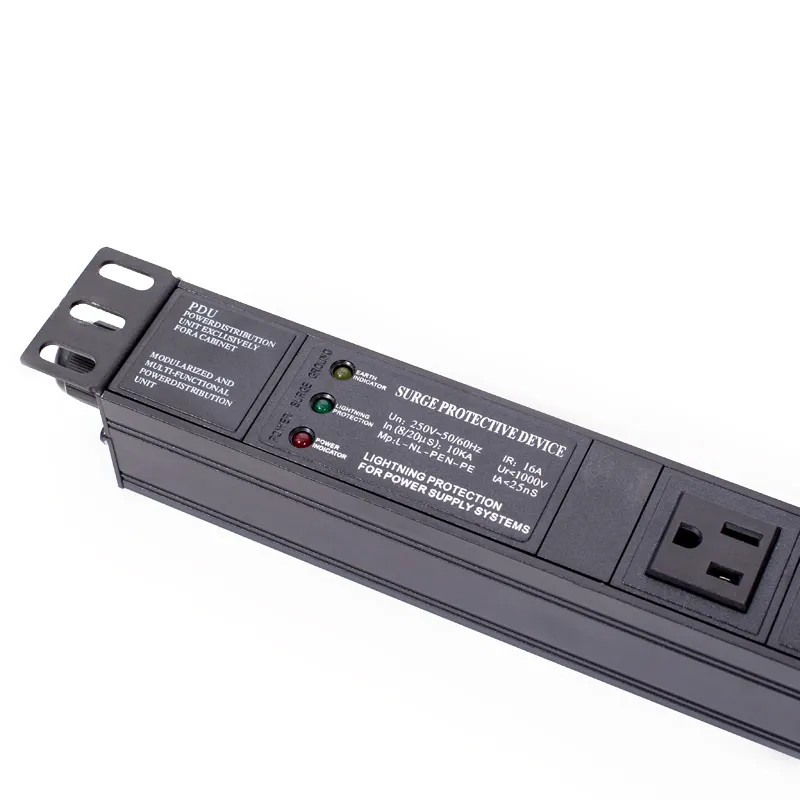
Selecting the right rack PDU (Power Distribution Unit) depends on several critical specifications, including power capacity, rack space, outlet configuration, and safety requirements. These factors determine whether a PDU can reliably support your server rack’s current load and future expansion needs.
Power capacity is one of the most important factors when selecting a rack PDU. Small server racks typically use single-phase power, while high-density data center racks often require three-phase power to support greater electrical loads more efficiently.
| Power Configuration | Typical Current Rating | Approximate Capacity |
|---|---|---|
| 120V Single-Phase | 20A | 1.9 kW |
| 208V Single-Phase | 30A | 5.0 kVA |
| 208V Three-Phase | 30A | 8.6 kVA |
| 400V Three-Phase | 30A | 16.6 kVA |
Three-phase rack PDUs provide higher power capacity and better efficiency for high-density server deployments, making them a common choice for enterprise data centers.
The physical form factor determines how efficiently a PDU fits within a server rack.
Horizontal Rack PDUs (1U/2U)
Vertical Rack PDUs (0U)
Rack PDUs commonly use IEC C13 and C19 outlets, which are widely adopted for server and networking equipment.
Choosing the right outlet count and type ensures compatibility with connected rack equipment while allowing room for future expansion.
Reliable rack PDUs include built-in protection features to improve operational safety and equipment reliability.
Important features include:
For enterprise applications, selecting a rack PDU from an experienced manufacturer with customizable outlet configurations, certified production processes, and support for high-density environments helps ensure long-term reliability.
A rack-mount power distribution unit is the standard, industry-accepted device for delivering power to server rack hardware. For small, on-site closets, a basic PDU provides simple, low-cost power distribution. For enterprise data centers and remote facilities, intelligent switched or ATS PDUs are a strategic investment that reduces downtime, improves energy efficiency and lowers operational costs over time.
A UPS provides battery-backed backup power during outages, while a PDU distributes a single power feed across multiple rack outlets. They work together: the UPS sits upstream, and the PDU delivers power from the UPS to individual rack devices.
A 0U vertical PDU mounts to the side rails of a server rack, instead of occupying standard horizontal rack units. It consumes zero front-facing rack space, making it ideal for maximizing hardware density in full racks.
An Automatic Transfer Switch (ATS) PDU connects to two separate power sources. If the primary power feed fails, it automatically and near-instantly switches to the secondary feed, providing power redundancy for single-cord servers.
Switched PDUs are recommended for remote server rooms, colocation facilities and high-availability environments. They allow technicians to remotely reboot unresponsive servers, reducing downtime and eliminating costly on-site service trips.
Three-phase power delivers significantly higher capacity per circuit, reduces power line loss, and improves overall electrical efficiency. It is the standard for high-density server racks and large enterprise data centers.