Mastering the Art of Choosing Intelligent Power Distribution Units
Choose intelligent power distribution units to optimize energy, enhance reliability, and ensure scalability for modern IT environments and data centers.


+86 15867381241
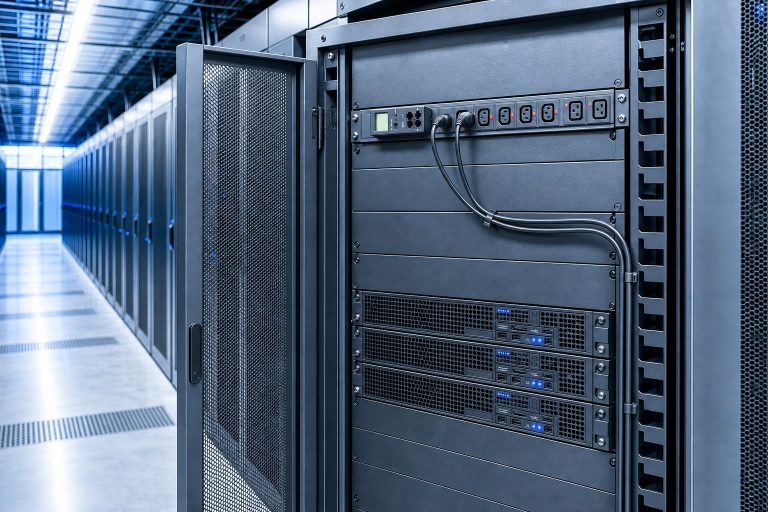
A dual PDU (power distribution unit) integrates two independent power inputs or two complete PDU modules into a single rack-mounted chassis. Its core function is to deliver backup power for critical IT equipment, ensuring servers and network gear stay online if one power source fails.
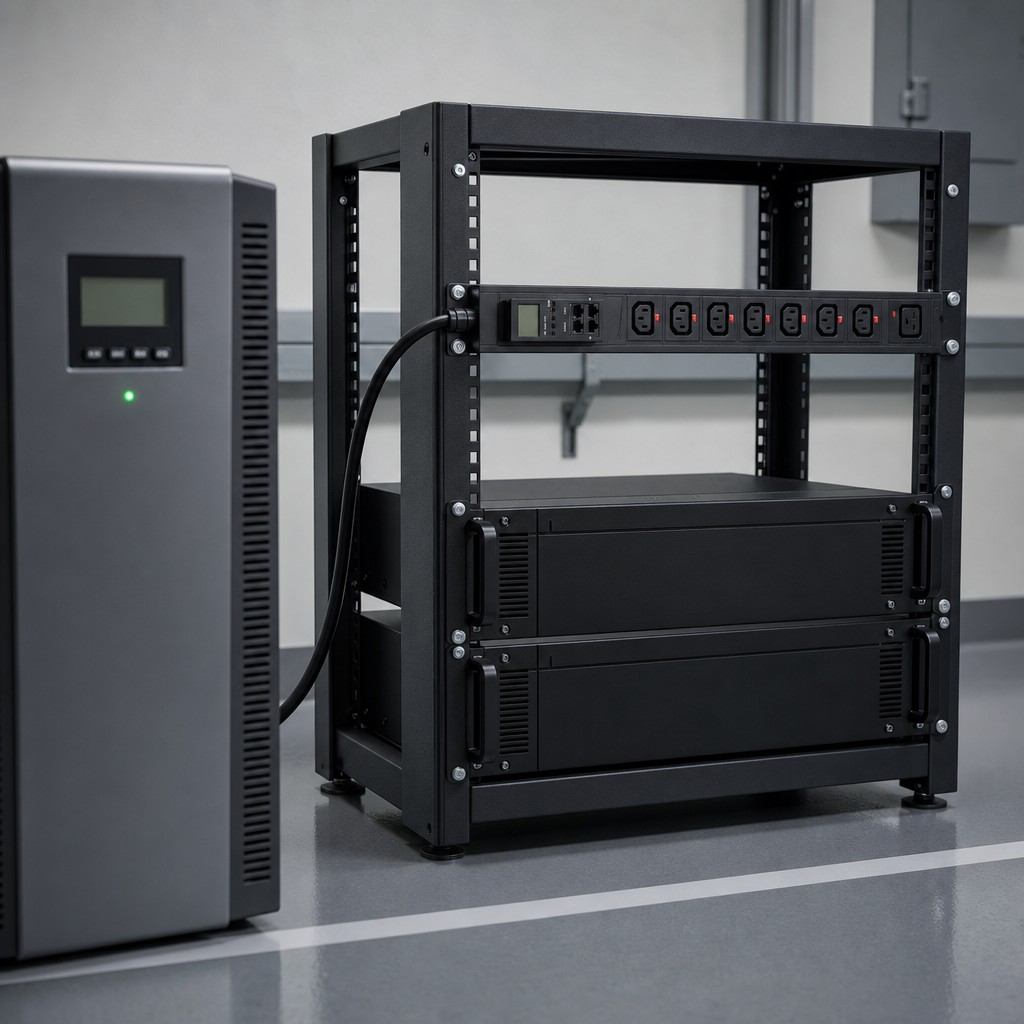
A dual feed PDU draws power from two fully independent sources — typically utility mains and a backup generator. The two input circuits are electrically isolated from one another, so a fault, surge, or outage on one feed cannot spread to the other. This isolation delivers N+1 power redundancy for the entire rack.
This is the core difference from standard single-input PDUs, which have no built-in fault isolation between power sources.
Built-in automatic transfer switching is the core failover mechanism. When primary power drops out, the ATS seamlessly shifts the load to the secondary source in milliseconds — modern units complete the transfer in under 100 ms, with no manual intervention required.
Common ATS switching modes:
ATS dual PDUs are especially valuable for single-corded equipment, which lacks built-in dual power supplies. They deliver redundant power to these devices without requiring dual internal PSUs.
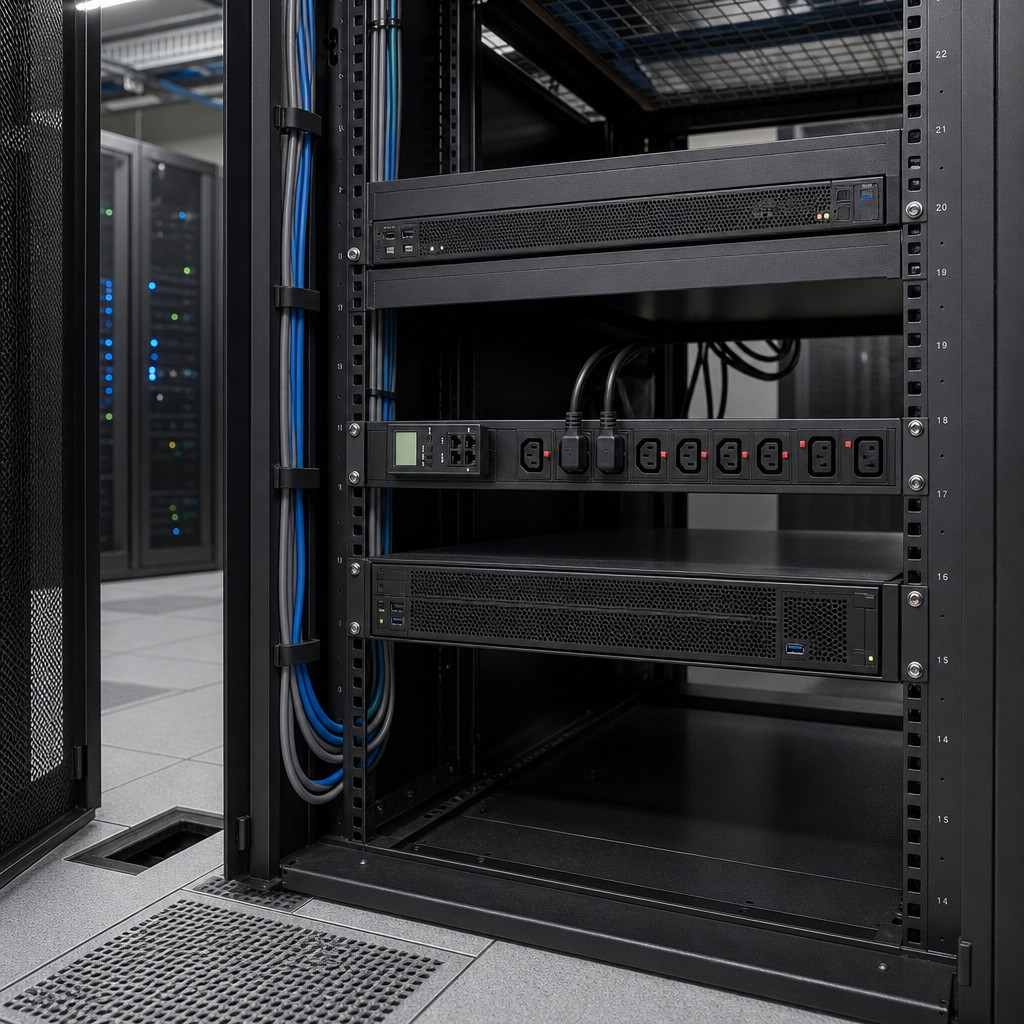
Integrating two PDUs into one unified chassis delivers clear advantages over two separate standalone units.
Under normal operation, each PDU module handles roughly 50% of the total rack load. Since a PDU is considered overloaded above 50% capacity, this balanced distribution keeps both units well within safe operating range. Even load sharing improves overall power stability by ~25% in fluctuating power scenarios, and reduces the risk of overload or component overheating.
If one feed fails entirely, the remaining PDU module is sized to support the full rack load.
| Aspect | Detail |
|---|---|
| Normal load split | ~50% per PDU module |
| Overload threshold | >50% capacity per module |
| Failover behavior | Remaining module supports full load |
| Load balancing impact | ~25% improvement in power stability |
A single-chassis design requires only one installation, one set of mounting brackets, and one cable run — cutting installation work and cable clutter in half. Color-coded outlets (typically red and blue) let technicians trace each power feed at a glance, speeding up troubleshooting.
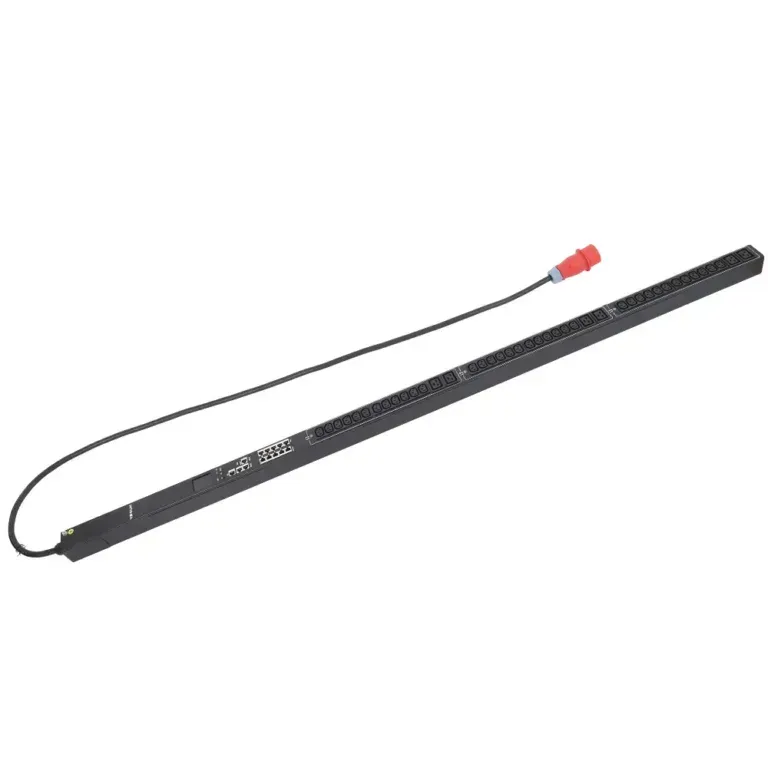
Vertical 0U dual PDUs mount in the unused rear zero-U space alongside rack rails, freeing up to 4U of usable rack space per enclosure. This is especially valuable for colocation facilities, edge sites, and dense 42U/48U racks where every rack unit is valuable.
A standard PDU has one power input and one set of outlets. A dual PDU adds a second independent input or second module in the same chassis, providing backup power. If one feed fails, the other keeps equipment online — the foundation of data center power redundancy.
Yes. A dual PDU with automatic transfer switching (ATS) shifts the load to the backup feed in milliseconds when primary power fails. This delivers redundant power to single-corded devices without requiring dual internal power supplies.
No. A vertical 0U dual PDU mounts in the unused rear space beside rack rails, using zero rack units. A single chassis means one installation and one cable run, taking less space than two separate standalone PDUs.
Confirm amperage, phase type, and outlet count match your rack load. Also evaluate form factor, monitoring level, and redundancy design. Budget will determine whether you choose a basic, metered, or smart model.
Yes. Dual PDUs work with both single-phase and three-phase power. Common North American three-phase options include 208V and 480V, with higher-density racks typically using three-phase for greater capacity.