Comparing 3 Phase PDU Products for Data Centers in 2025
Compare 3 Phase PDU products for data centers in 2025. Discover their efficiency, safety features, and scalability to optimize power distribution.


+86 15867381241
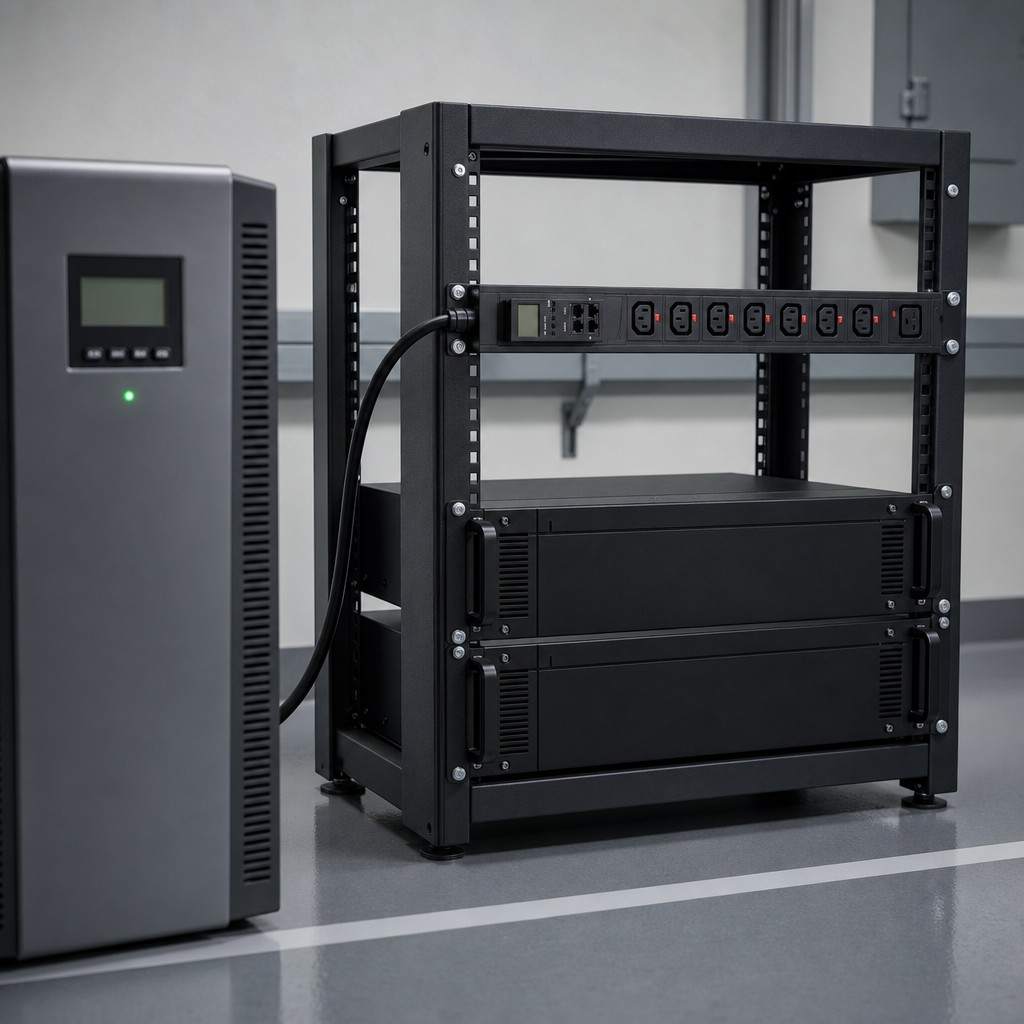
PDU overload occurs when connected devices draw more current than the unit is rated to safely handle. Common causes include unbalanced loads in three-phase systems, total power demand exceeding the PDU’s rated capacity, and unexpected increases in connected equipment. Overloading can lead to overheated wiring, damaged plugs or components, unexpected shutdowns, and costly downtime. This guide explains the main causes of PDU overload, the warning signs to watch for, and practical ways to prevent excessive loads and protect connected equipment.
A power distribution unit has strict electrical limits, unlike basic power strips. Overload occurs when total draw exceeds those limits.
Every PDU has a defined maximum current and power rating. When connected equipment pulls more than this rating, the unit operates beyond its design limits. Wires overheat, plugs degrade, and housings warp — all clear signs the unit cannot handle the load.
Startup power spikes make the problem worse: equipment inrush current can instantly trip breakers, causing downtime. Degraded connections — dust, rust, and loose terminals from vibration — add further risk of arcing, overheating, and intermittent power loss.
In three-phase PDUs, uneven load distribution across phases wastes capacity and creates hidden overload risk. Some outlet banks carry far more draw than others, even when the overall busbar appears to be at only 65% of its rating — a single phase can be at 95% of its breaker limit, unseen from total system readings.
When phase imbalance exceeds 10%, consequences include:
Balanced loads extend equipment life and reduce energy waste. Imbalanced electrical stress shortens component lifespan across the board.
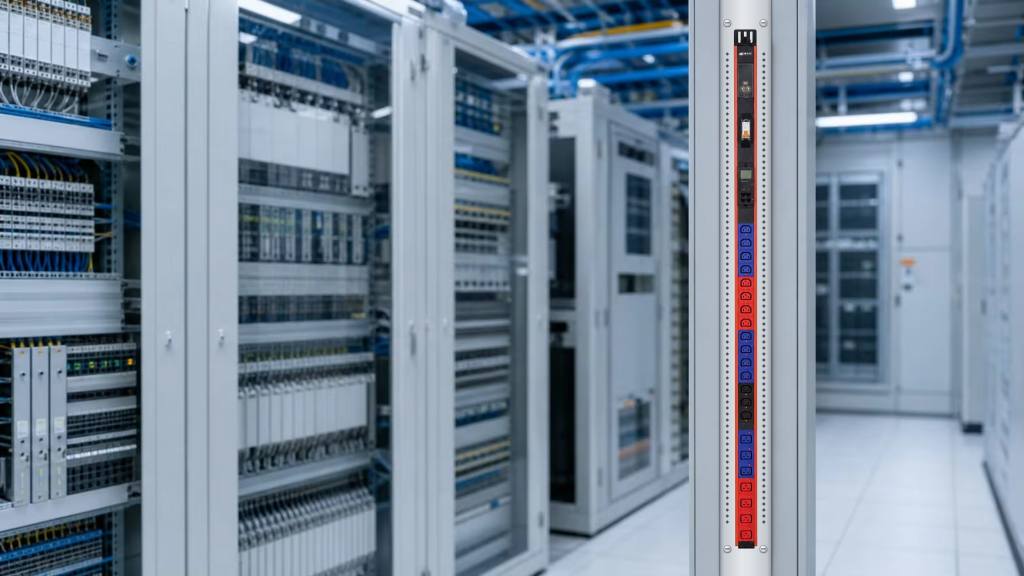
Preventing overload relies on two core strategies: balanced load distribution across phases, and operating within rated capacity with a safety margin.
Proper load balancing covers three levels: input lines, branch circuits, and individual outlets. Regular checks at each level catch near-overload conditions before they cause shutdowns.
Each PDU has a maximum current and power rating. Per NEC Article 210.23, continuous loads must not exceed 80% of the branch circuit rating. This rule applies to the PDU’s upstream breaker and every downstream outlet.
Follow these guidelines:
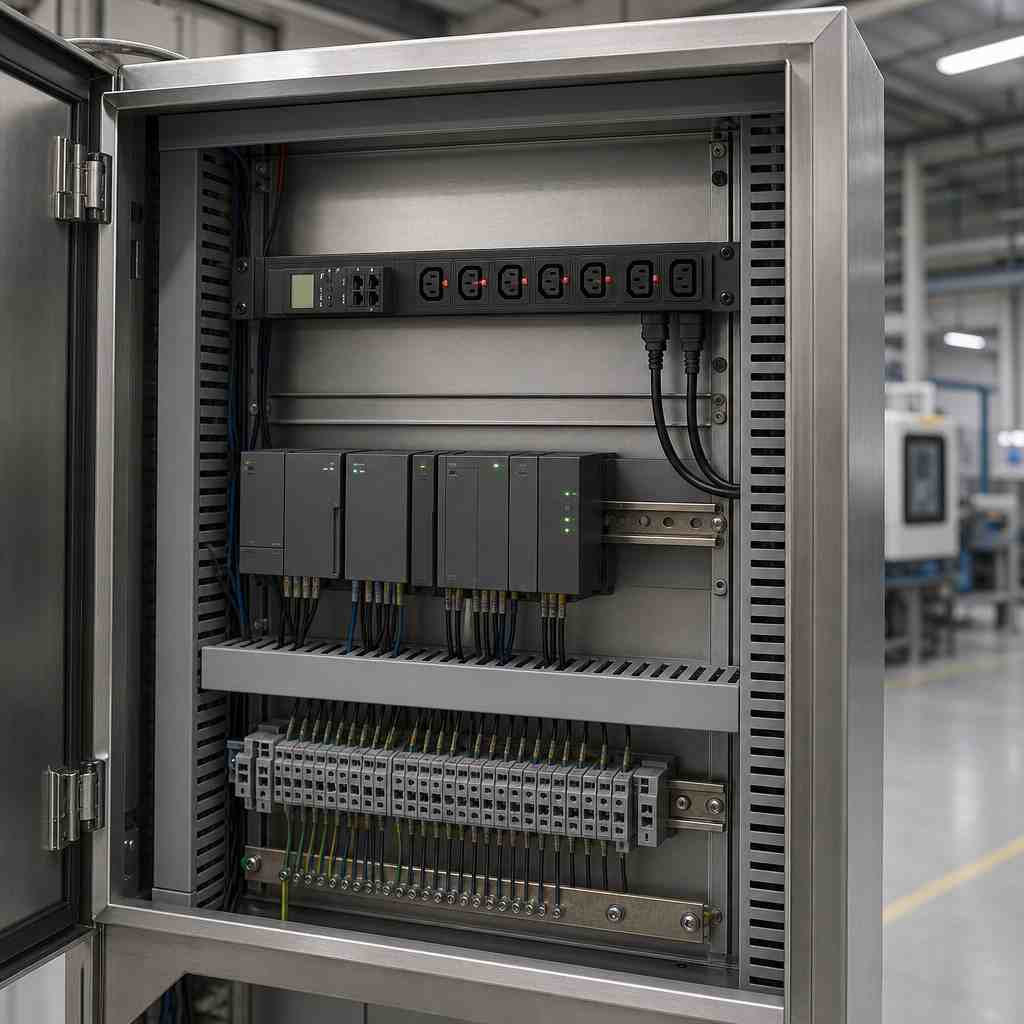
Real-time power monitoring catches rising loads early, shifting operations from reactive repair to proactive planning.
| Electrical Parameter | Monitoring Purpose |
|---|---|
| Power consumption | Threshold-based alerts trigger when predefined limits are exceeded |
| Current levels | Notify administrators of abnormal draw conditions |
| Temperature | Identify hotspots that threaten reliability and safety |
| Voltage fluctuations | Verify even power distribution and detect abnormal swings |
| Circuit breaker status | Confirm each breaker trips accurately on overload or short circuit |
Set tiered alerts for graduated warning: a warning at 70% load, and a critical alert at 85% load. For a 16A PDU, for example, a 12A warning triggers before current gets too high, and a 14A critical alert provides a second buffer before the upstream breaker trips.
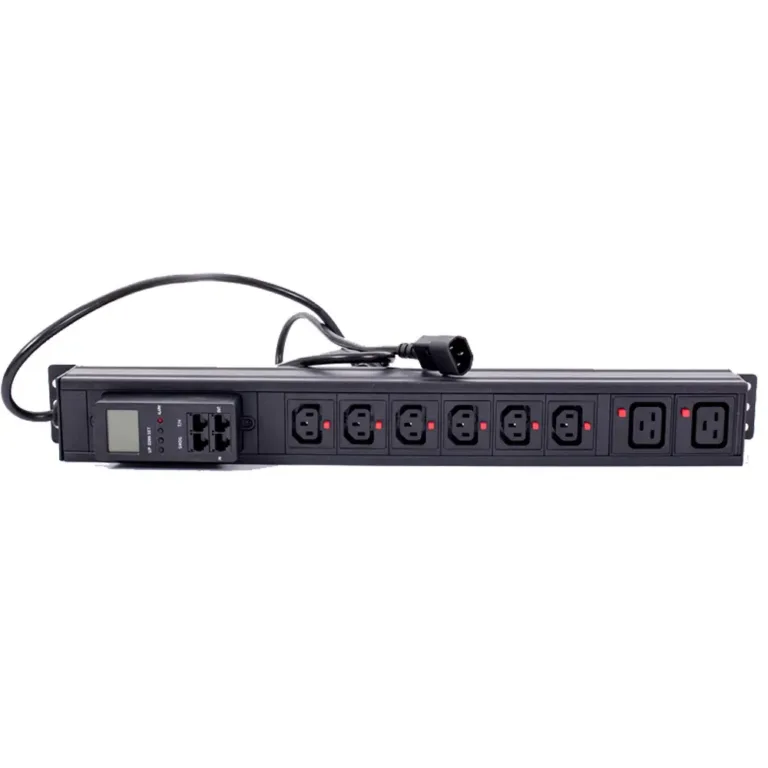
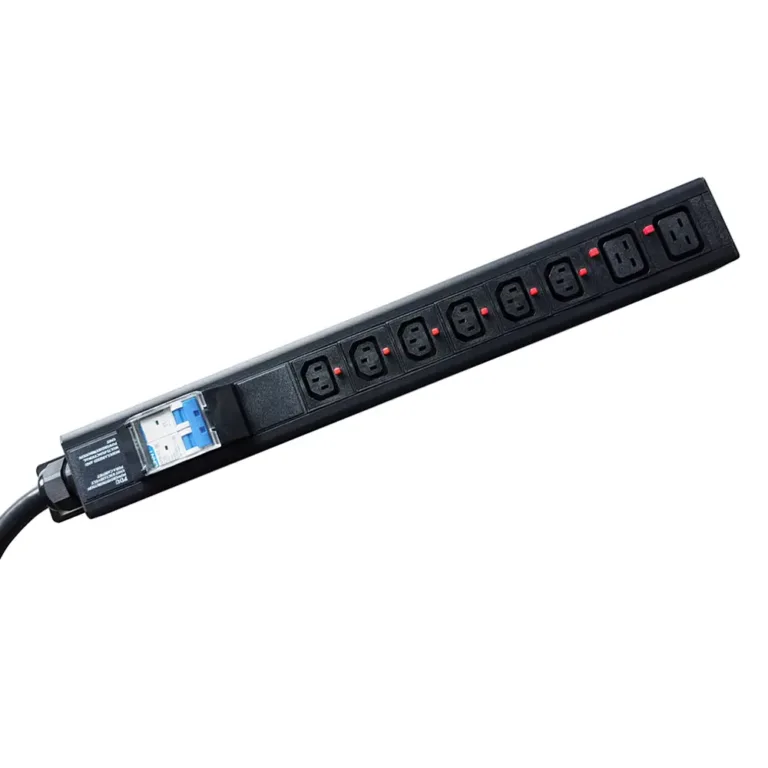
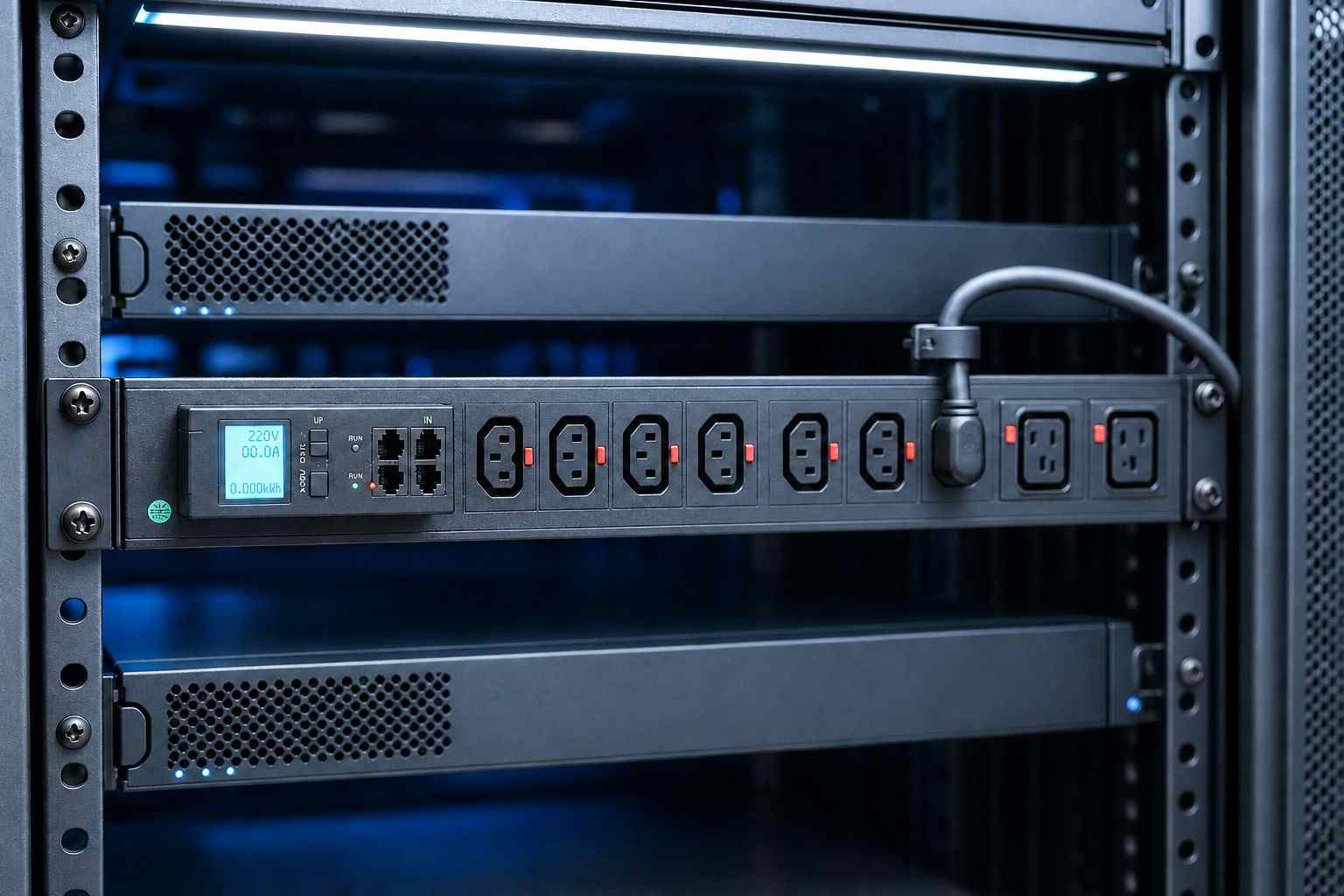
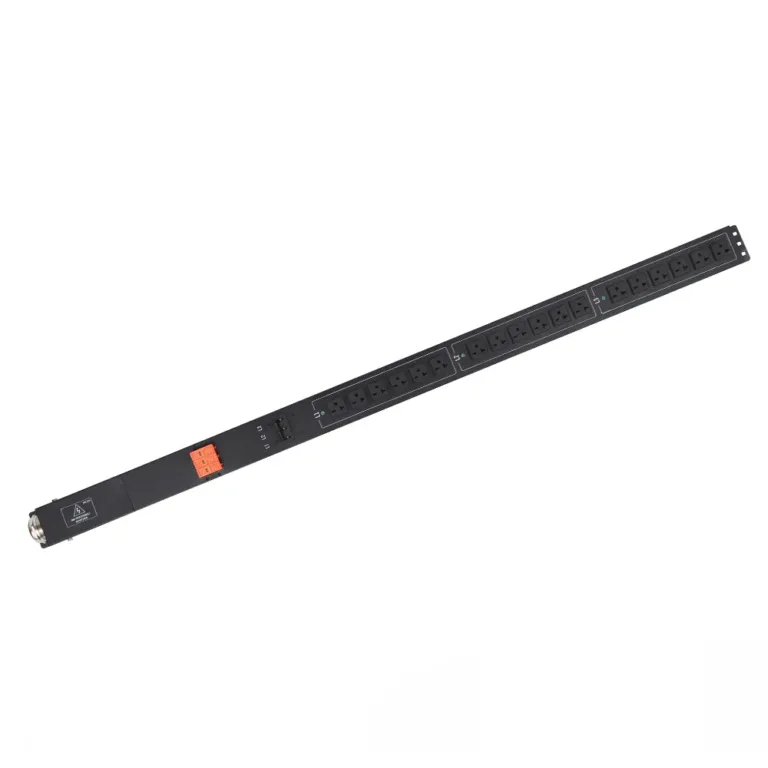
Metered and smart PDUs make this easy. NBYOSUN metered PDUs measure current, voltage, and power at the input or per-outlet level. Monitored and switched models include Ethernet/SNMP remote monitoring, per-outlet sensing, and remote reboot capability, with support for both single-phase and three-phase systems. Units carry CE, UL, and RoHS certifications, and vertical 0U mounting supports up to 54 outlets for high-density data center and network closet environments.
A PDU distributes power to rack-mounted equipment and includes monitoring, load balancing, and circuit protection features. A basic power strip only provides additional outlet count, with no built-in power management.
Balancing loads across phases prevents wires and neutral conductors from overheating. It also maximizes usable power capacity and reduces energy waste.
Yes, if overload exceeds the breaker rating or a sudden inrush surge occurs. Monitoring helps spot rising loads early so that sudden, unplanned trips can be avoided.