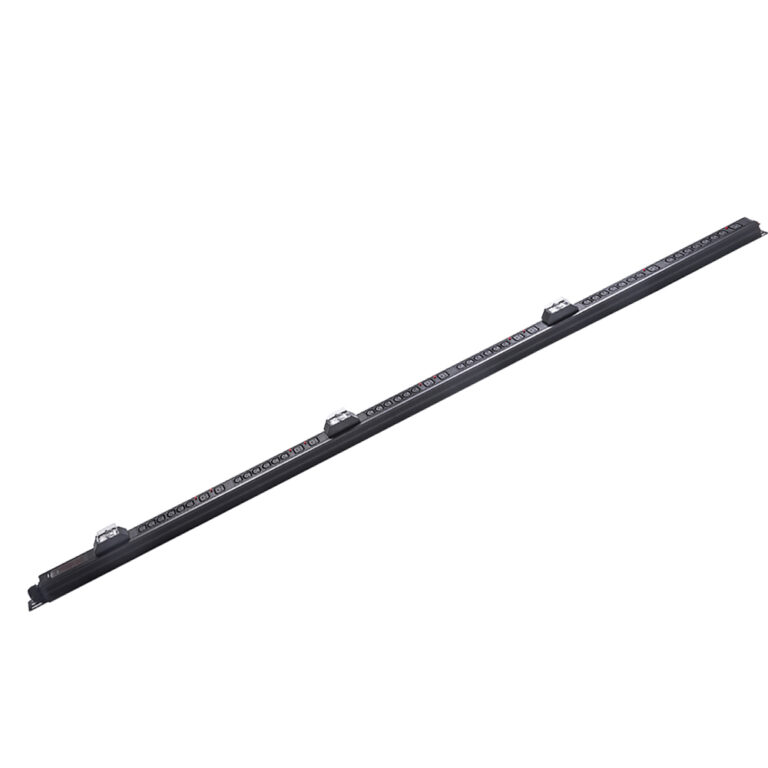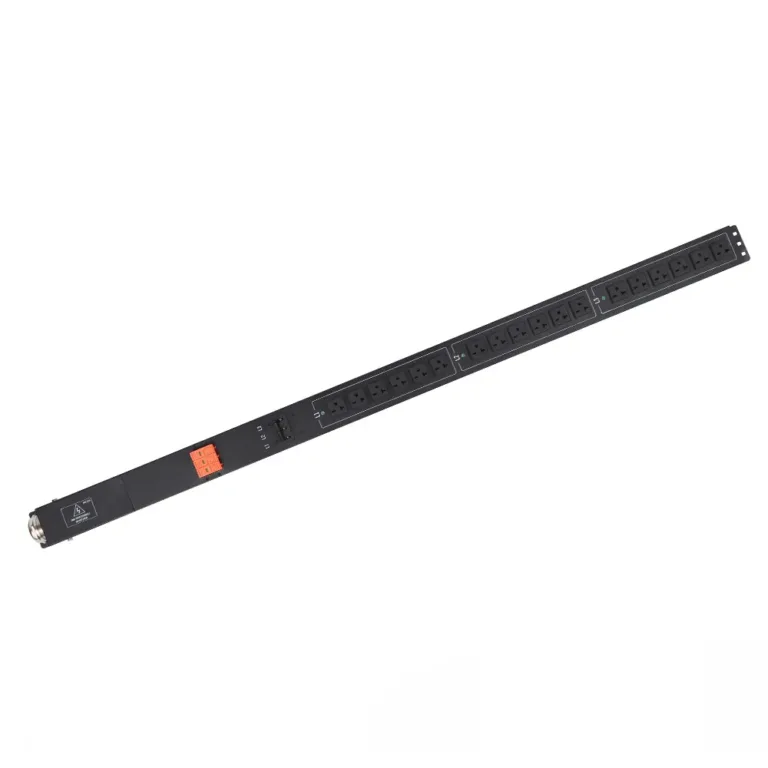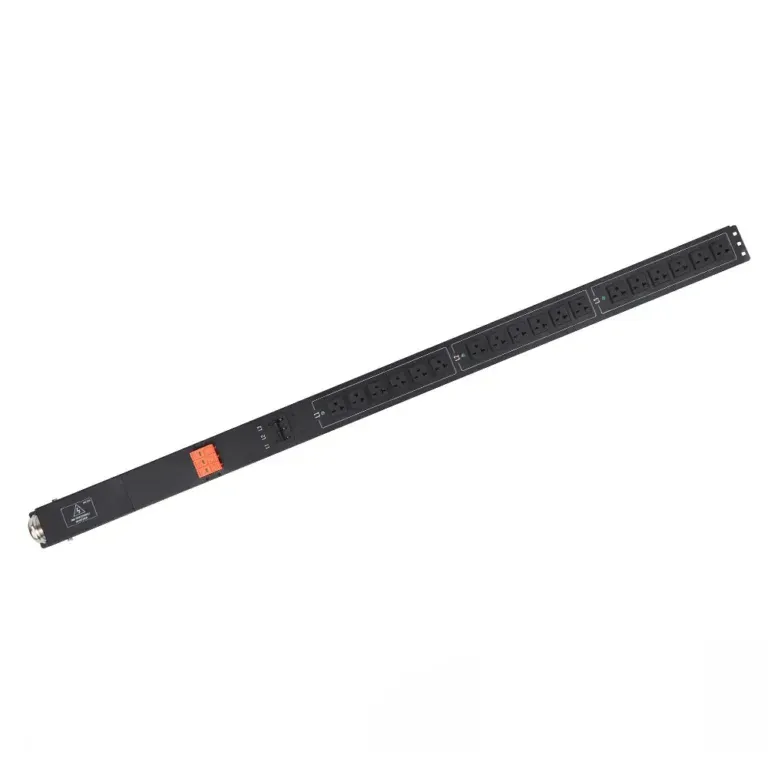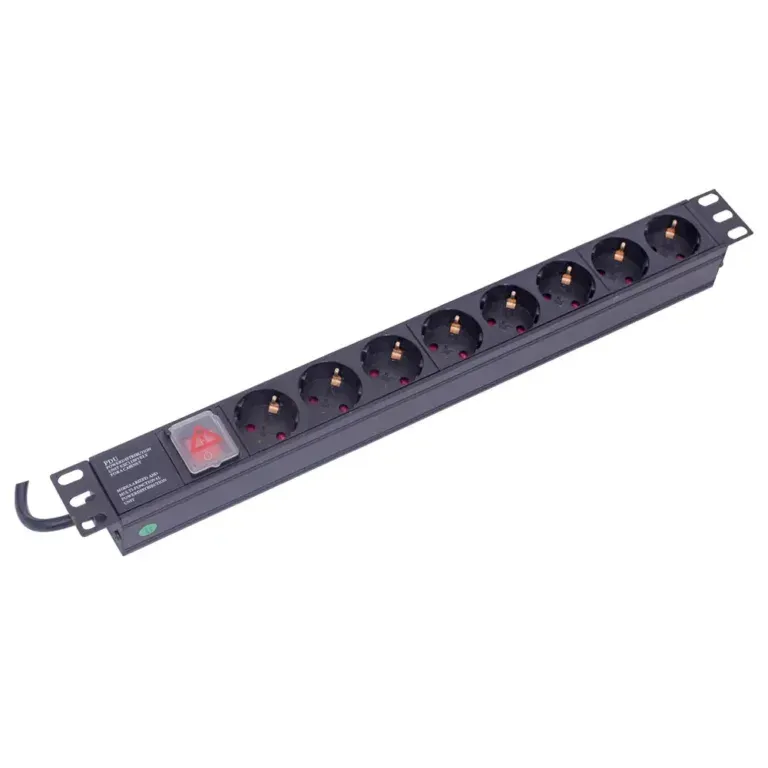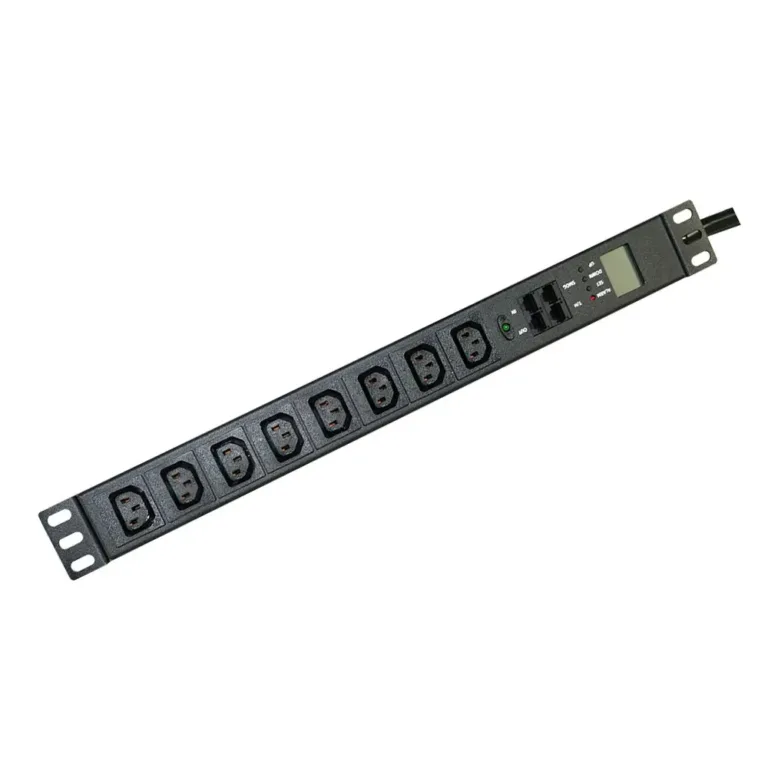
What are the Features of a Monitor PDU
Monitor PDUs offer real-time power monitoring, outlet-level control, alerts, and environmental tracking, ensuring efficient and reliable IT operations.


+86 15867381241
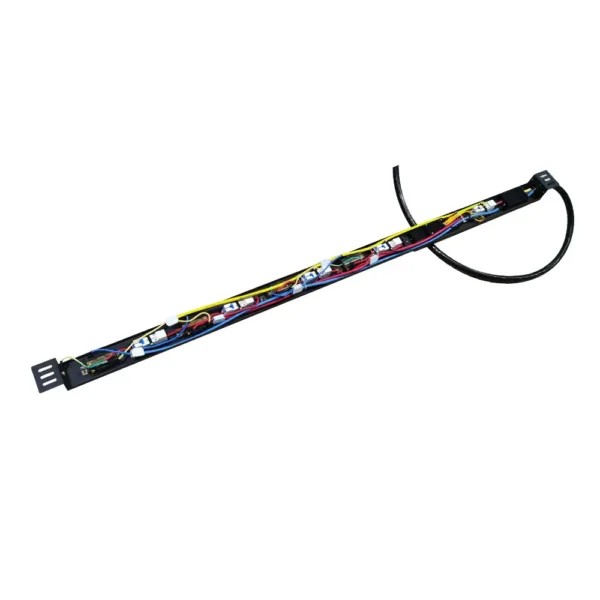
The most common circuit breakers used in Power Distribution Units (PDUs) are Miniature Circuit Breakers (MCBs). Molded Case Circuit Breakers (MCCBs), hydraulic-magnetic circuit breakers and thermal circuit breakers are also used in different PDU designs based on power capacity and application requirements.
Circuit breakers are the most critical safety component in any PDU, protecting equipment from overloads, short circuits and electrical fires. This guide explains the different types of circuit breakers used in PDUs, how they work, and how to choose the right one for your needs.
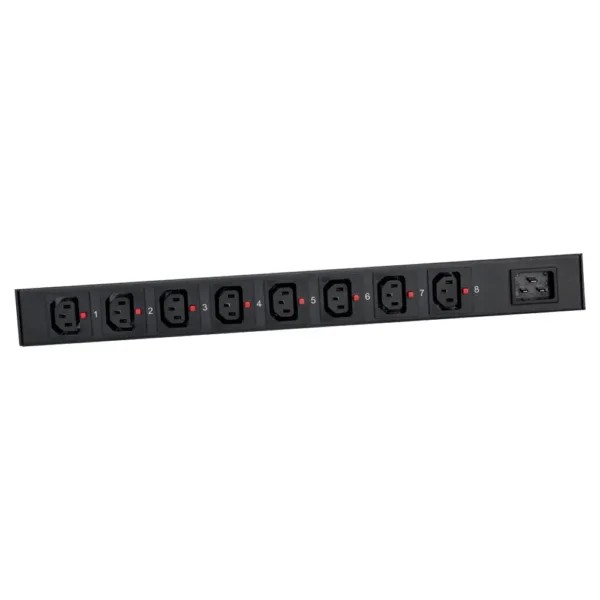
MCBs are the most widely used circuit breakers in PDUs. They are compact, affordable and designed to protect low-to-medium power circuits up to 125A.
Key features of MCBs:
MCBs with C-curve trip characteristics are the standard for IT equipment, as they can handle the inrush currents of servers and switches without nuisance tripping.
MCCBs are used for high-capacity PDUs and main power distribution panels. They can handle higher currents (typically 100A to 2500A) and offer more advanced protection features than MCBs.
| Rating | Purpose | Importance |
|---|---|---|
| Rated Current (In) | Normal operating load | Prevents overload damage and false trips |
| Rated Voltage (Ue/Ui) | System voltage compatibility | Ensures safe switching and insulation |
| Breaking Capacity (kA) | Maximum fault current | Stops dangerous short-circuit currents |
MCCBs allow adjustable trip settings, making them ideal for custom power distribution configurations. They also offer higher breaking capacities to handle the large fault currents found in commercial and industrial environments.
All circuit breakers protect against overloads and short circuits, but they use different mechanisms to detect faults:
| Feature | Hydraulic-Magnetic Circuit Breakers | Thermal Circuit Breakers |
|---|---|---|
| Operating Mechanism | Magnetic force + hydraulic damper | Bimetallic strip heated by current |
| Response Time | Fast and consistent | Slower on overloads |
| Temperature Stability | Unaffected by ambient temperature | Performance varies with temperature |
| Nuisance Tripping | Very low | Higher in extreme temperatures |
Hydraulic-magnetic circuit breakers are the preferred choice for data centers and IT environments, as they provide consistent protection regardless of temperature fluctuations. Thermal circuit breakers are more commonly used in basic PDUs for office environments.
Circuit breakers are the first line of defense against electrical hazards. They automatically shut off power when they detect an overload or short circuit, preventing equipment damage, electrical fires and personal injury.
A single data center outage can cost up to $500,000 on average, not including reputational damage. A faulty circuit breaker that fails to trip or trips unnecessarily can lead to costly downtime and data loss.
High-quality circuit breakers are essential for maintaining 99.999% uptime in data centers. Modern intelligent circuit breakers offer advanced features including:
These features help IT teams identify and resolve issues before they cause outages, maximizing system availability.
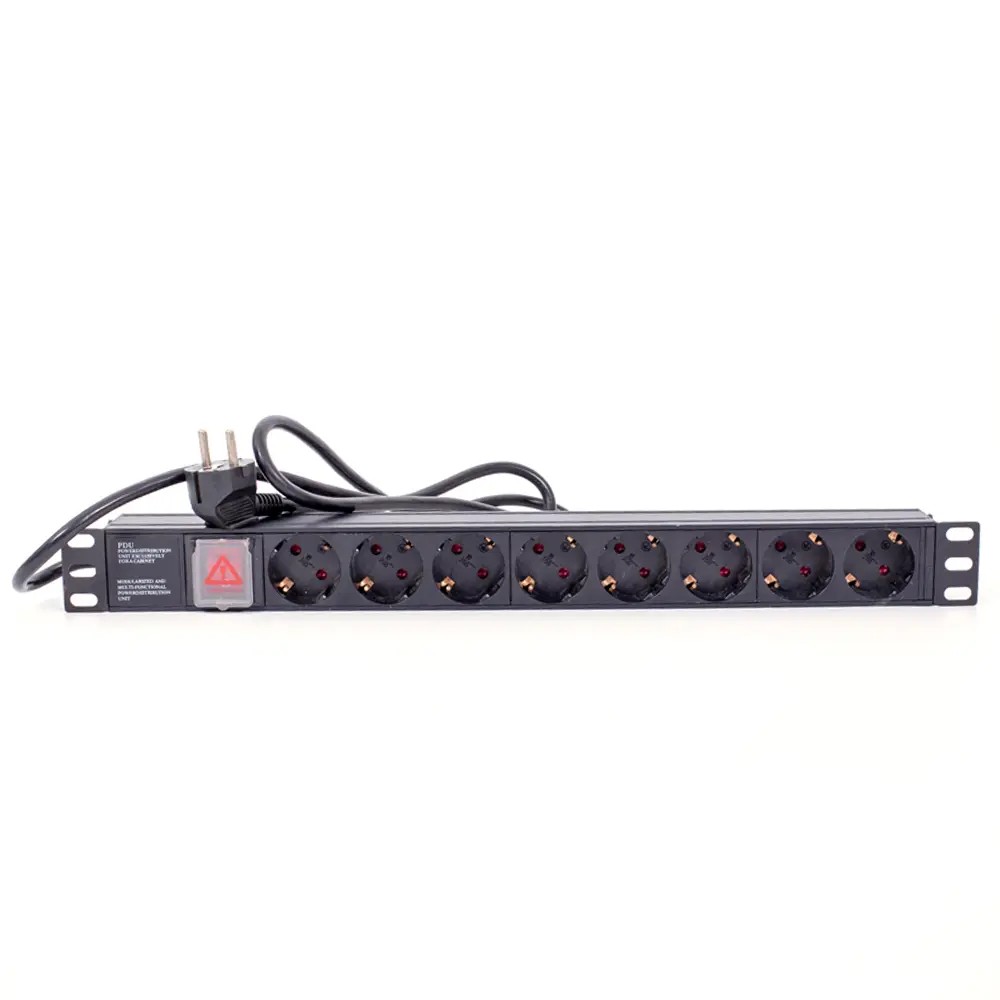
When selecting circuit breakers for your PDUs, consider these critical factors:
Circuit breakers must meet strict international safety standards to ensure reliable performance. Look for these certifications:
💡 Pro Tip: Avoid cheap, uncertified circuit breakers. They may fail to trip when needed, leading to catastrophic equipment damage and safety hazards.
Miniature Circuit Breakers (MCBs) are the most common type used in PDUs, with MCCBs used for high-capacity applications. Hydraulic-magnetic circuit breakers offer the best performance for data centers, while thermal breakers are suitable for basic office use. Choosing high-quality, certified circuit breakers is essential for ensuring safety, reliability and uptime.
For high-quality PDUs equipped with premium circuit breakers, trust YOSUN. With over 20 years of manufacturing experience and strict ISO9001 quality control, we offer reliable power distribution solutions for data centers and enterprise IT environments. Contact us today to discuss your custom PDU requirements.
A circuit breaker protects electrical circuits from damage caused by overloads and short circuits. It automatically interrupts the flow of electricity when a fault is detected, preventing equipment damage and electrical fires.
MCBs (Miniature Circuit Breakers) are used for low-to-medium power circuits up to 125A. MCCBs (Molded Case Circuit Breakers) are used for higher power applications above 100A and offer adjustable trip settings and higher breaking capacities.
Hydraulic-magnetic circuit breakers are better for data centers and IT environments because their performance is not affected by temperature changes. Thermal circuit breakers are more affordable but may nuisance trip in hot or cold conditions.
Circuit breaker replacement should only be performed by a qualified electrician. Working with live electrical equipment is dangerous and can result in serious injury or death if not done properly.
Under normal operating conditions, circuit breakers should be replaced every 10-15 years. They should be replaced immediately if they show signs of damage, overheating or frequent nuisance tripping.