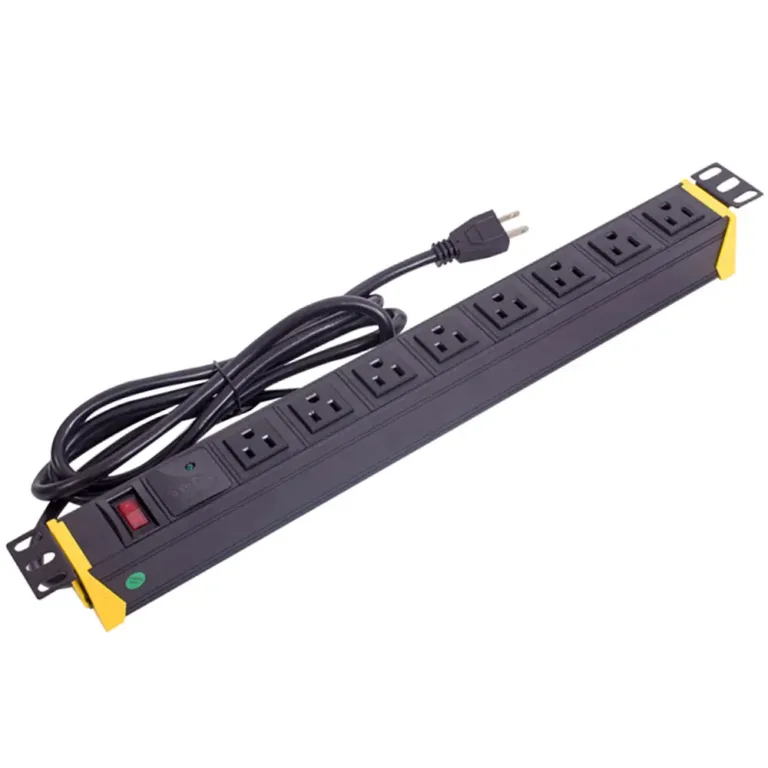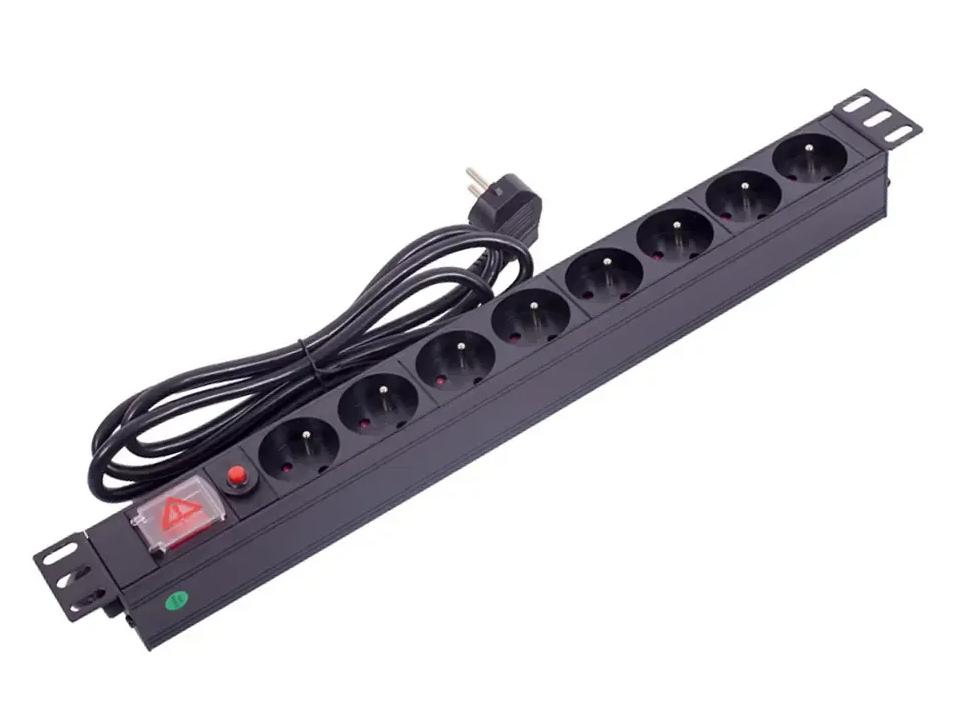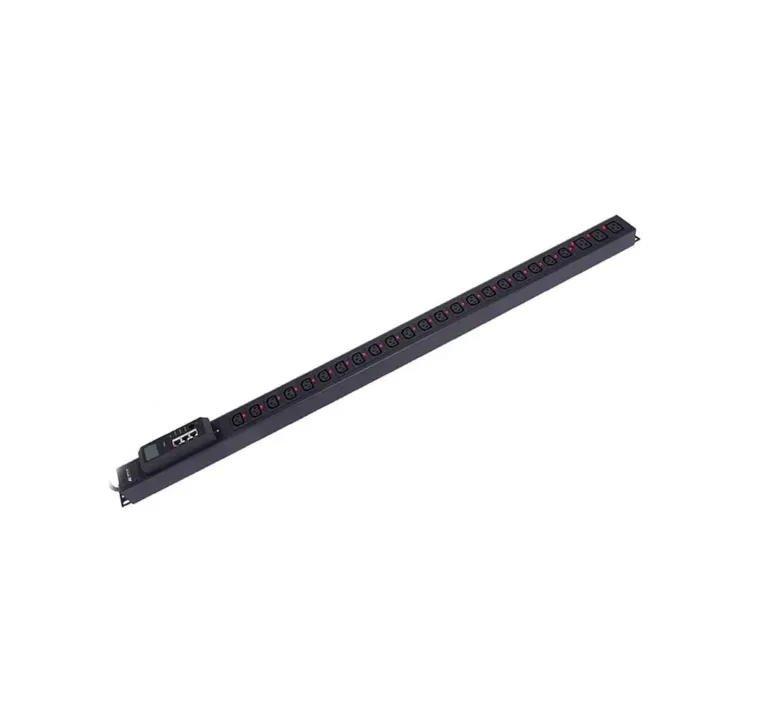
Where do you put the PDU on a server rack?
Technicians are installing rack-mounted PDUs inside the server rack.They typically place the PDU on the back or side of the rack for optimal positioning. This...


+86 15867381241
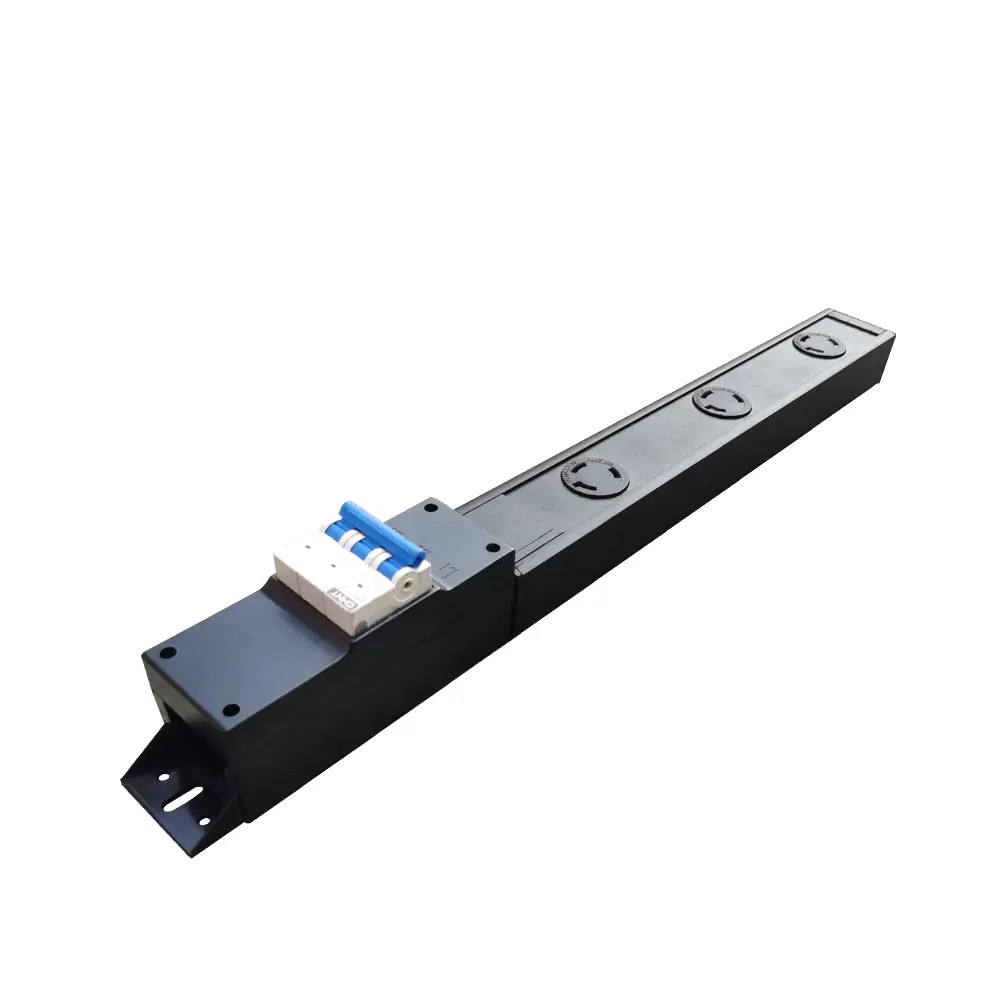
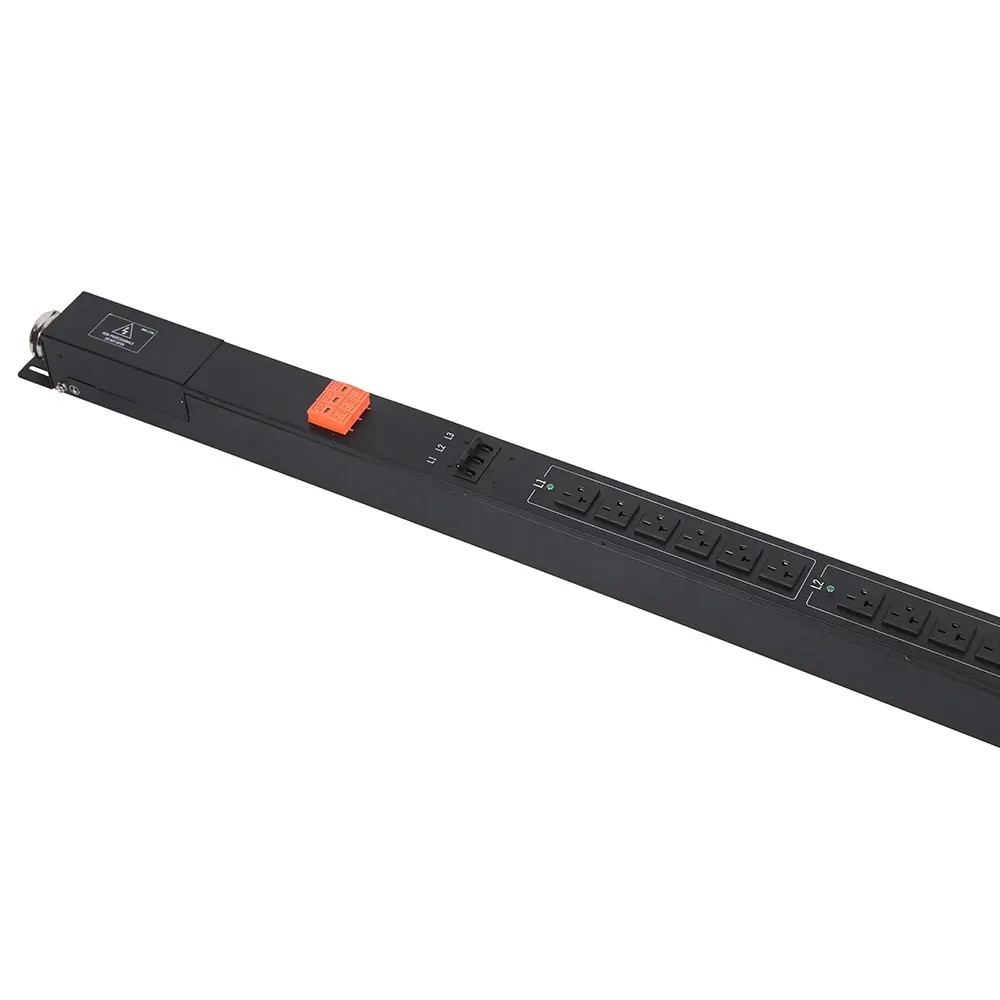
A high power PDU (power distribution unit) is a rack-mounted electrical distribution device engineered for high-density, high-wattage server racks — most commonly AI training clusters, HPC systems, and dense GPU deployments. Unlike standard rack PDUs, these units run on three-phase input power and support 40–100+ kW per rack, delivering stable, high-capacity power that standard units cannot handle. As AI and high-performance computing workloads push rack power densities higher, high power PDUs have become a critical component of modern data center infrastructure.
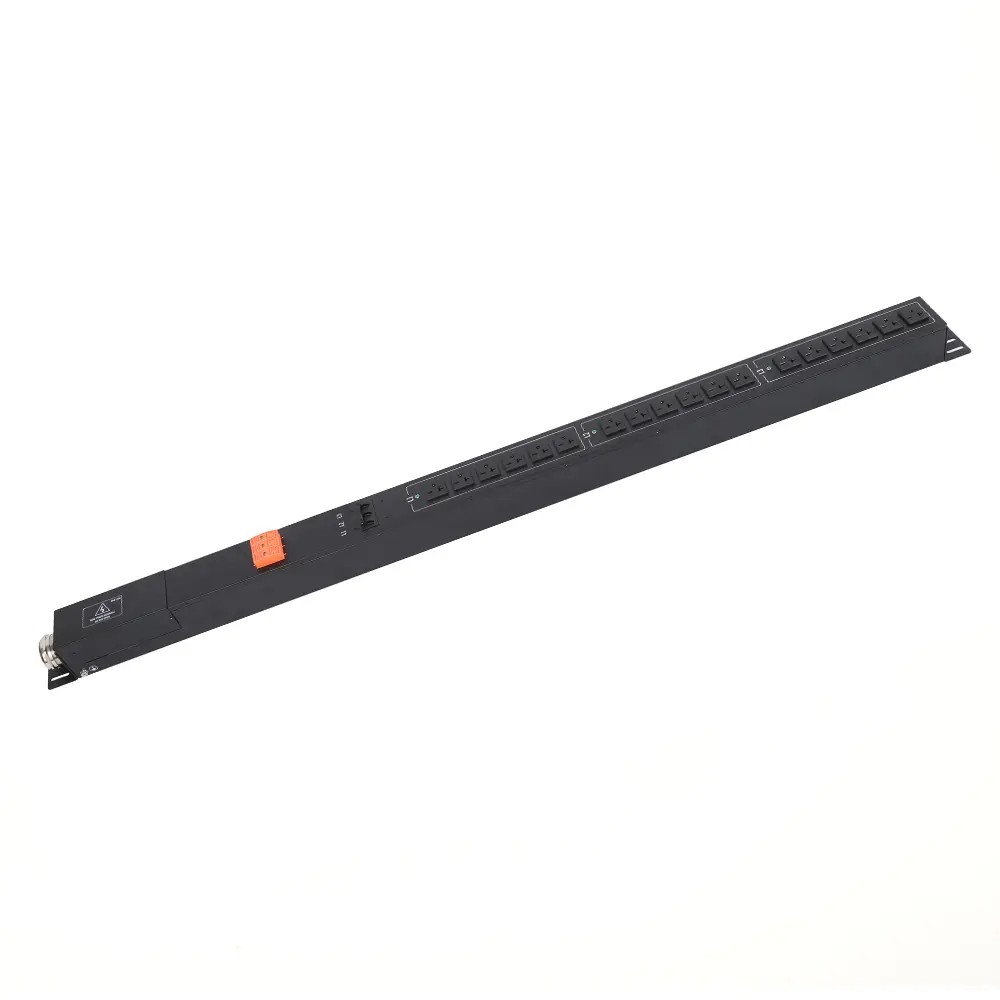
At its core, a high power PDU distributes three-phase power to high-density rack equipment. Higher input voltage lowers overall current draw, which reduces I²R heat loss in cables, enables smaller gauge conductors, and simplifies installation in dense rack environments.
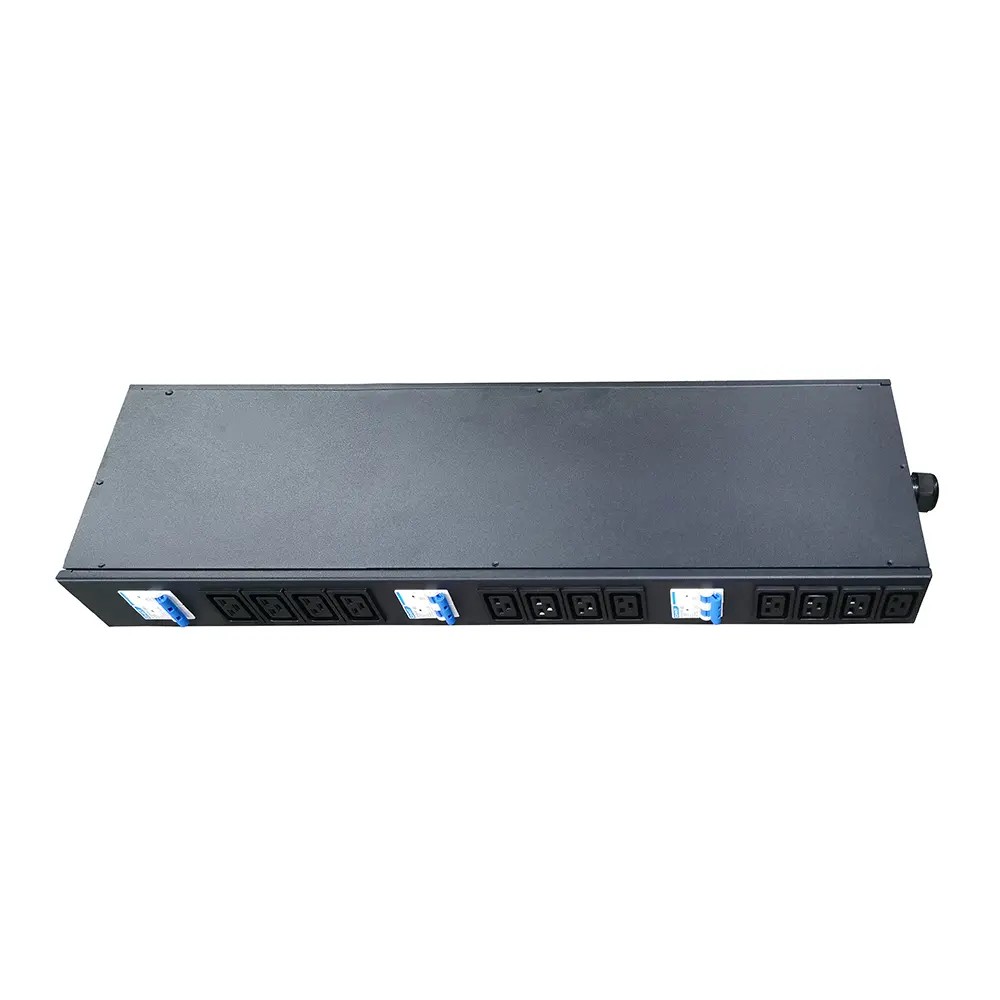
These units typically feature modular, scalable architectures, heavy-duty connectors sized for high current, and branch circuit breakers rated to UL-489 — a stricter safety standard than the UL-1077 supplementary breakers used in standard PDUs. Most models are available in metered, switched, or smart monitored configurations, with real-time visibility at the input, branch, and outlet levels. Their standard rack-mount form factor makes them easy to deploy in existing data center enclosures.
Buyers often confuse these two PDU categories, but they serve very different goals:
In short: high power = more watts per outlet; high density = more outlets per rack.
Legacy enterprise racks typically drew 5–10 kW each. Today, AI training racks reach 40–100+ kW, and new liquid-cooled AI facilities run 50–120+ kW per rack. Industry roadmaps project rack densities may exceed 200 kW, and even 600 kW, by the end of the decade.
Standard rack PDUs were not built for these loads. Their small connectors overheat, lower-rated breakers trip under sustained heavy load, and they cannot deliver enough total power per rack. High power PDUs solve these problems:
AI GPU clusters push rack power density to its limits, with single racks drawing 50 kW or more. Three-phase high power PDUs deliver steady, clean power without tripping breakers or overheating cables.
For multi-tenant colocation sites, these PDUs enable tenant-level circuit isolation, per-tenant metering for billing, and modular capacity scaling as tenants come and go. Smart IoT-connected models support remote management, energy efficiency analytics, and predictive maintenance to reduce downtime.
Crypto mining runs 24/7 at full sustained load. These deployments typically use three-phase PDUs at 208V or higher, with 50A+ circuits and a 20% safety margin against overloads.
Advanced features are critical at this scale: per-outlet power monitoring, AutoPing automatic device reboot, load shedding to extend UPS runtime, and surge protection. UL-489 rated overcurrent protection is required for 20A+ circuits for safety and compliance.
For trading floors and mission-critical systems, even a single power outage causes massive financial loss. High power PDUs with real-time monitoring and fast-acting branch circuit breakers keep systems running. Stable voltage regulation and redundant power input support maximum uptime for these environments.
When evaluating high power PDUs, prioritize these factors:
High power PDUs are engineered for high-density rack loads, typically supporting 40–100+ kW per rack. They run on three-phase power at 208V or higher to reduce current draw for heavy GPU and HPC workloads.
Standard PDUs are designed for lower-wattage loads with smaller connectors and lower-rated breakers. High power PDUs deliver far greater total capacity, use larger conductors and heavy-duty connectors, and include UL-489 rated branch circuit breakers for high-load protection.
Key factors include input voltage and phase, connector sizes, safety certifications (UL-489 for branch breakers), monitoring capabilities, rack form factor compatibility, and future scalability. Modular designs allow dynamic power growth as workloads increase.