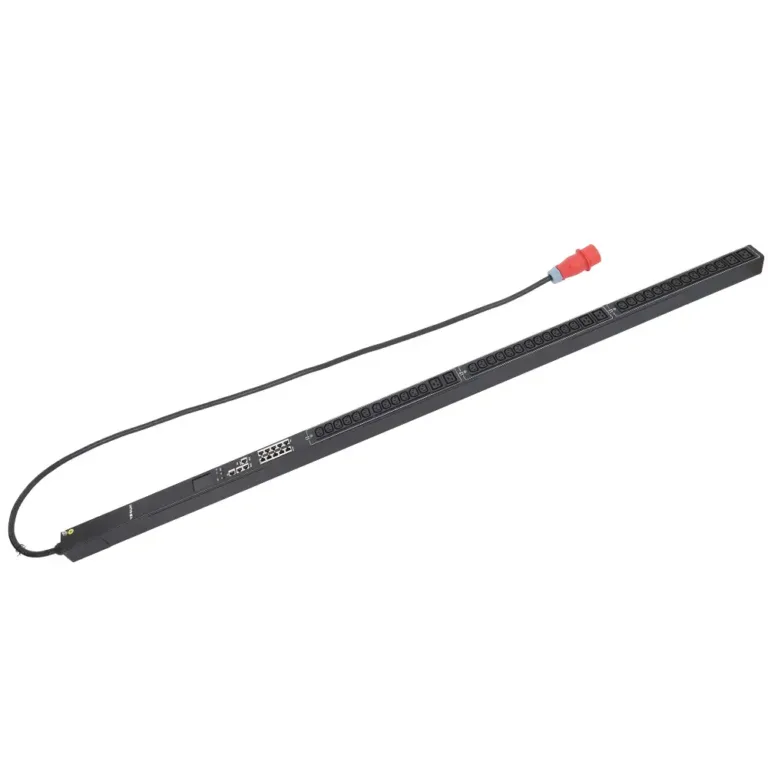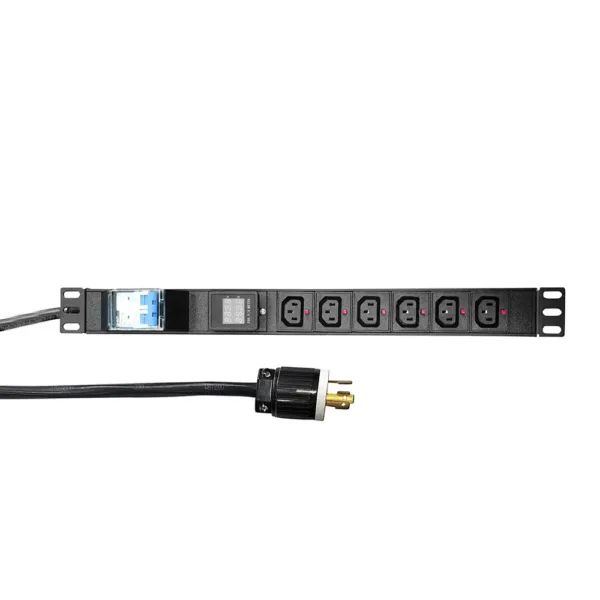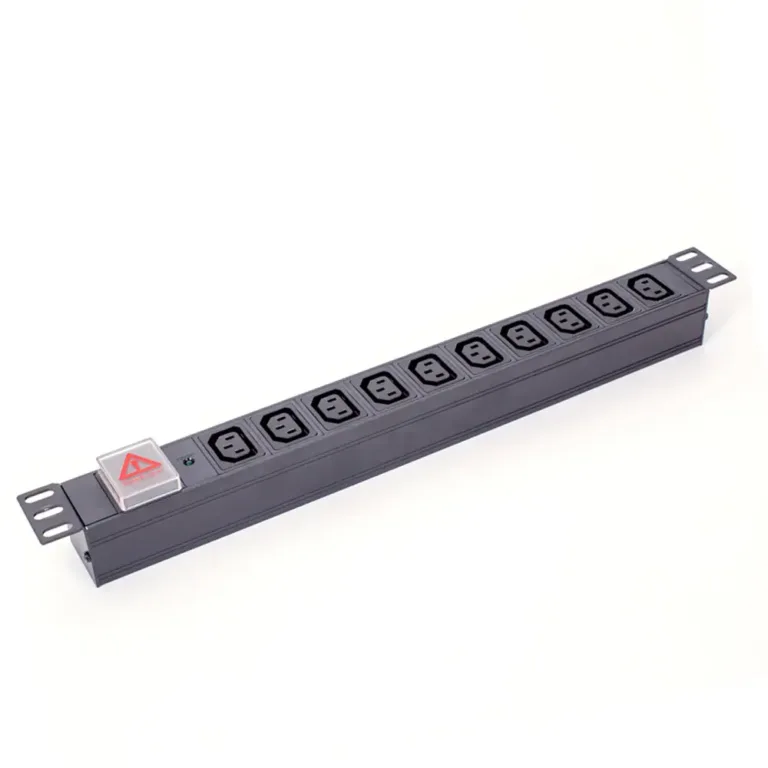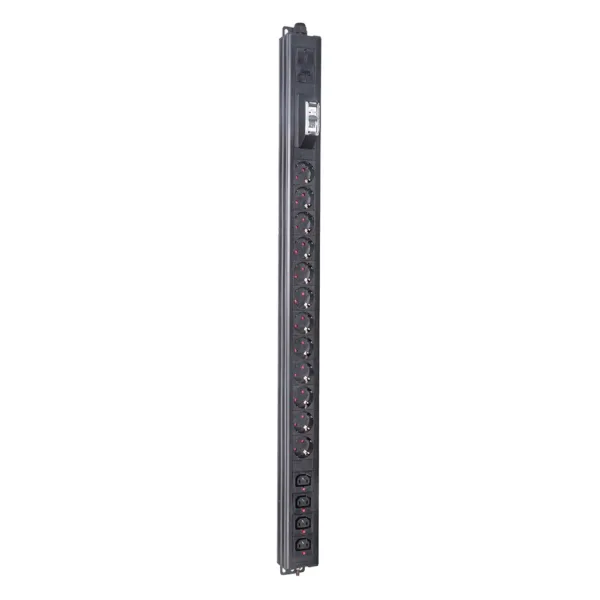
The Evolution of Rack Mountable PDU Solutions in 2025
Rack mountable PDU solutions in 2025 offer intelligent monitoring, remote management, and modular designs for efficient data center power.


+86 15867381241
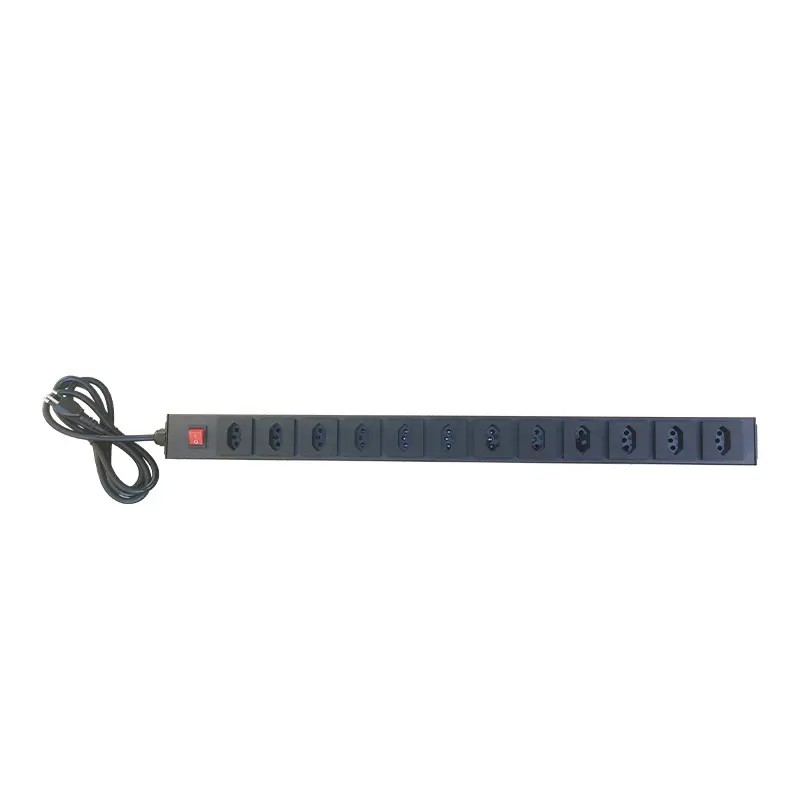
PDU prices typically range from around $30 for basic entry-level models to several thousand dollars for advanced enterprise smart PDUs. The final cost depends on key factors such as outlet count, power capacity, monitoring features, remote control capabilities, build quality, brand reputation and safety certifications.
Basic PDUs provide simple power distribution for home offices and small IT setups, while metered and switched PDUs add monitoring and remote management features for data centers and enterprise environments. Choosing the right PDU depends on your power requirements, application needs and budget.
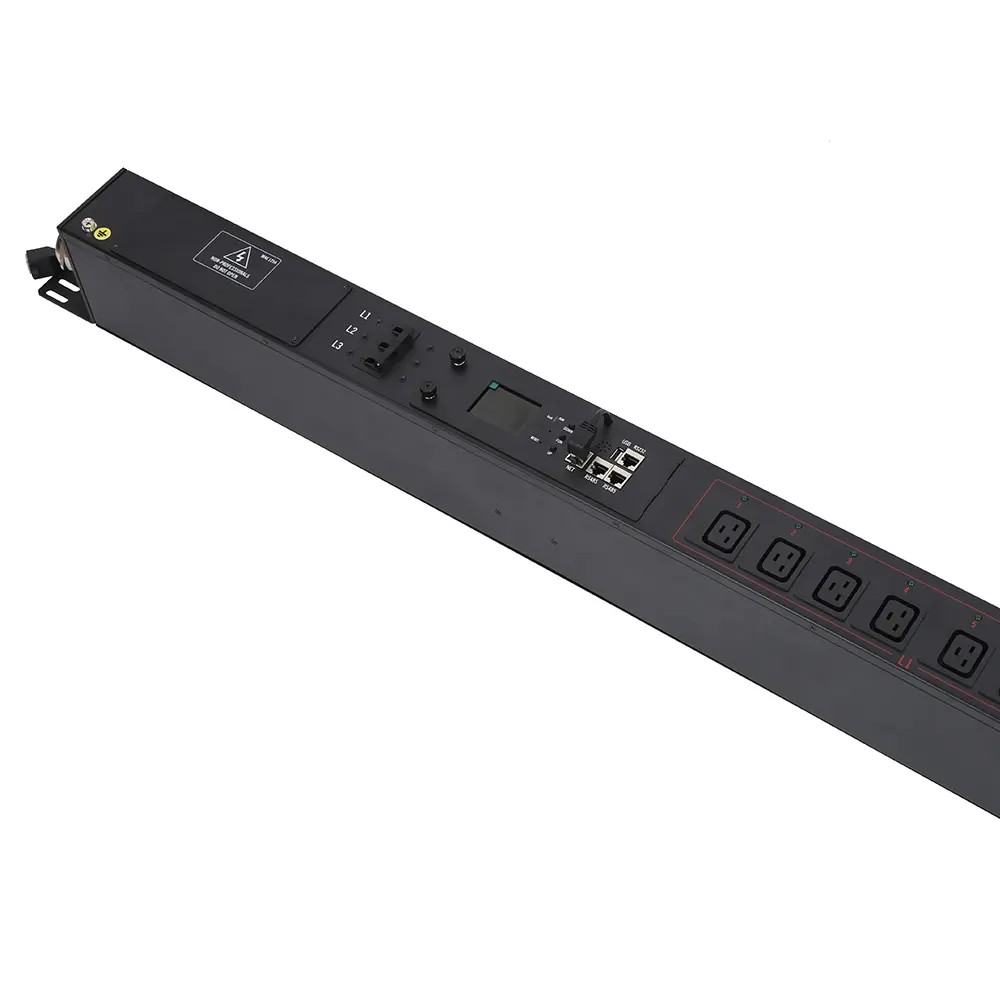
Several core variables determine how much you will pay for a PDU. Understanding these helps you avoid overpaying for unused features or underbuying for your infrastructure.
Outlet count is one of the most straightforward drivers of cost. Units with more outlets support more connected devices, making them suitable for larger server racks and IT deployments. More outlets also require heavier internal wiring and enhanced safety components to handle distributed load reliably, which raises manufacturing costs and final pricing.
When sizing a PDU, count your current devices and leave spare outlets for future expansion to avoid outgrowing your unit too quickly.
A PDU’s power rating defines the maximum electrical load it can safely support. Higher-capacity units built for data centers and heavy server equipment require more robust internal components, engineering, and safety testing, all of which increase price.
Tip: Always match your PDU’s power rating to your total equipment load, and leave 20–30% headroom to prevent overloads and ensure safe, reliable operation.
Extra monitoring and control features create the biggest price gap between basic and premium PDUs. Basic units only distribute power with no added functionality, while smart PDUs include a range of capabilities that improve uptime and operational efficiency:
These features reduce downtime, cut energy waste, and lower long-term operational costs, delivering a measurable return on investment for larger deployments.
| PDU Feature | Impact on Uptime & Safety |
|---|---|
| Real-time monitoring | Identifies issues early to reduce unplanned downtime |
| Remote reboot | Resolves power issues quickly without on-site labor |
| Surge protection | Prevents costly equipment damage from voltage spikes |
Established brands with rigorous quality control standards typically price their PDUs higher than generic alternatives. Reputable PDU manufacturers use durable materials and perform extensive testing to ensure consistent, long-lasting performance.
Safety certifications also add to production costs but are critical for reliability and compliance. Look for units with ISO9001, CE, and UL certification to verify the unit meets global safety and quality standards. Custom options such as specialized plug types or modular designs will further increase the final price.
We break PDU pricing into three clear tiers based on functionality and intended use case:
Basic PDUs deliver simple, reliable power distribution with no smart features. They are ideal for home offices, small labs, and small business setups where remote management is not required.
Mid-range smart PDUs add monitoring and basic remote control functionality, making them suitable for growing businesses and medium-sized server rooms. Most include metered power tracking and network connectivity.
High-end PDUs are built for mission-critical data centers and large enterprise facilities. They include full outlet-level control, advanced monitoring, and redundancy features to maximize uptime.
| PDU Tier | Price Range | Primary Features | Ideal Use Case |
|---|---|---|---|
| Basic / Entry-Level | $29.99 – $395 | Simple power distribution, no smart features | Small offices, home labs, non-critical setups |
| Mid-Range Smart | $200 – $1,500 | Remote monitoring, load tracking, basic controls | Medium server rooms, growing businesses |
| High-End Enterprise | $1,500 – $5,000+ | Per-outlet control, load balancing, full remote management | Data centers, mission-critical enterprise infrastructure |
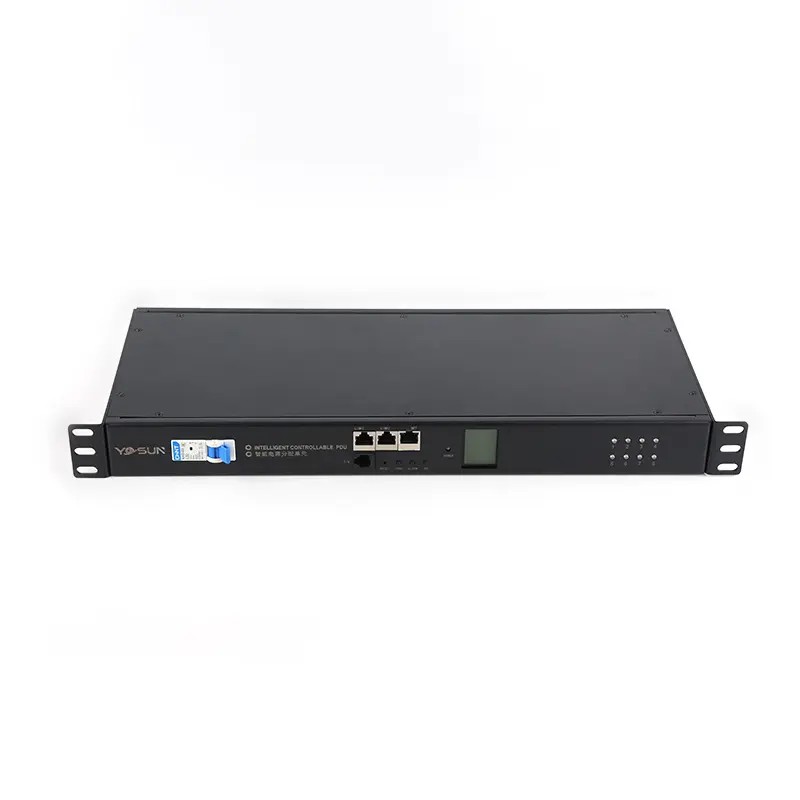
Pricing varies across manufacturers based on feature set, build quality, and brand reputation. Here’s how common PDU brands compare:
PDU pricing and availability vary by region, driven by local demand, manufacturing costs, and market maturity:
Across all regions, demand for smart PDUs is rising as organizations prioritize energy efficiency and remote infrastructure management. AI-powered monitoring and predictive maintenance features are becoming standard on higher-end models, adding value but also increasing average pricing for premium units.
You can purchase PDUs through several channels, each with different benefits depending on your needs:
Online marketplaces and electronics stores offer fast, convenient shopping with easy price and feature comparison. Common options include:
Always verify seller reputation and return policies before purchasing, and confirm that units include the appropriate safety certifications for your region.
Purchasing directly from PDU manufacturers is ideal for custom orders, bulk deployments, and enterprise projects. Manufacturers like YOSUN offer full customization of outlet types, power ratings, and feature sets, plus dedicated pre-sales consultation and post-purchase technical support. This route ensures you get a unit tailored exactly to your infrastructure requirements.
A PDU, or Power Distribution Unit, is a device that distributes electrical power to multiple connected devices, most commonly used in server racks, data centers, and IT environments.
Smart PDUs start at around $200 for basic metered models and can cost over $5,000 for high-end enterprise switched units with full remote management and per-outlet control.
A basic PDU only distributes power to connected devices with no extra features. A smart PDU adds network connectivity, allowing remote monitoring of power usage, remote reboot of devices, and in some cases individual control of each outlet.
Safety certifications like UL, CE, and ISO9001 confirm that a PDU meets standardized safety and quality requirements. They reduce the risk of electrical failure, equipment damage, and fire, and ensure compliance with local electrical codes.
Well-built, properly maintained PDUs typically last 10–15 years. Smart PDUs with electronic components may have a shorter useful life as connectivity technology becomes outdated.
PDU pricing spans a wide range to fit every setup, from $30 basic units for home offices to $5,000+ enterprise units for mission-critical data centers. The best PDU for your budget will match your current power needs, include only the features you will actually use, and carry reputable safety certifications.
For small, non-critical setups, an entry-level basic PDU will deliver reliable performance at the lowest cost. For growing businesses and data centers, the upfront investment in a smart PDU will pay for itself over time through reduced downtime, better energy efficiency, and lower maintenance costs.