How to Compare Metered Rack PDU Specifications for Smarter Choices
Compare metered rack PDU specifications by evaluating power rating, metering accuracy, outlet configuration, and upgrade options for optimal data center performance.


+86 15867381241
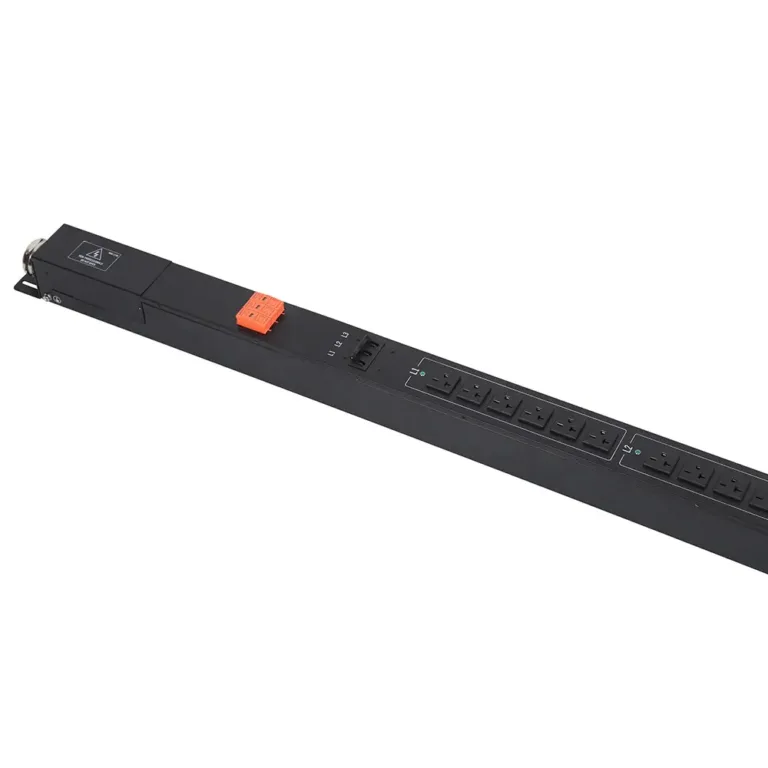
The main difference between single-phase and three-phase PDUs is how they deliver and distribute electrical power. Single-phase PDUs are typically used in small-scale setups with lower power demands, while three-phase PDUs are designed for data centers and industrial environments that require higher capacity, better load balancing, and improved energy efficiency. Choosing the right type affects system reliability, power efficiency, and future scalability.
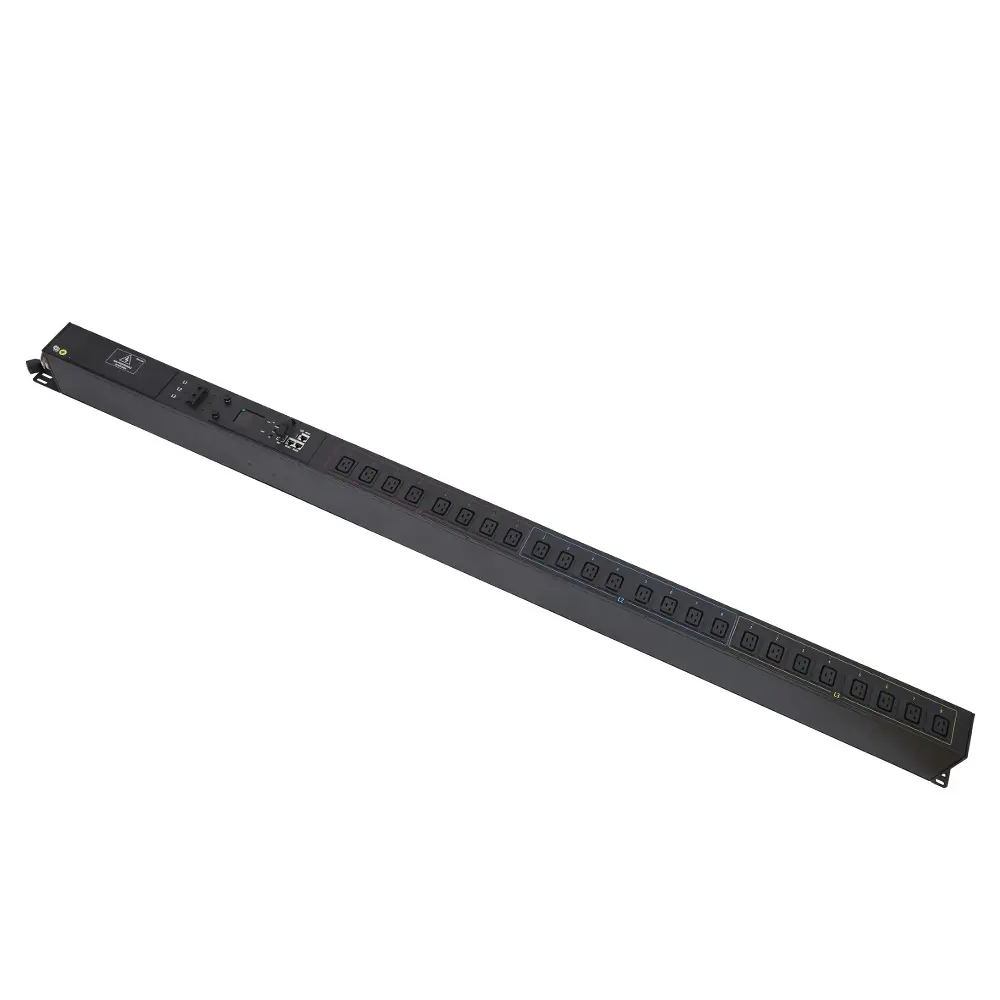
At a glance, here’s how the two types compare across the most critical factors:
| Feature | Single-Phase PDU | Three-Phase PDU |
|---|---|---|
| Typical Power Capacity | 1.8 kW – 8.6 kW | 8.6 kW – 60 kW+ |
| Energy Efficiency | Lower | Up to 73% higher |
| Copper Cable Requirement | 100% | 25-33% |
| Load Balancing | Not applicable | Excellent |
| Installation Complexity | Lower | Slightly higher |
| Initial Cost | Lower | Higher |
| Ongoing Operating Cost | Higher | Lower |
| Best For | Small setups | Data centers, industrial facilities |
⚠️ CRITICAL SAFETY WARNING: Unbalanced loads in three-phase systems can cause overheating, equipment damage, and even fires. Always ensure loads are evenly distributed across all three phases.
A single-phase PDU distributes power using a single alternating current (AC) source. It takes power from a standard wall outlet or dedicated branch circuit and distributes it safely to multiple IT devices such as servers, network switches, and office equipment.
This type of PDU features a simple and reliable design, making it easy to install and widely used in low to moderate power environments.
Single-phase PDUs are typically designed for simplicity, safety, and stable operation in small-scale environments. Their key characteristics include:
Single-phase PDUs are commonly used in environments where power demand is relatively low and stability is more important than high capacity. Typical use cases include:
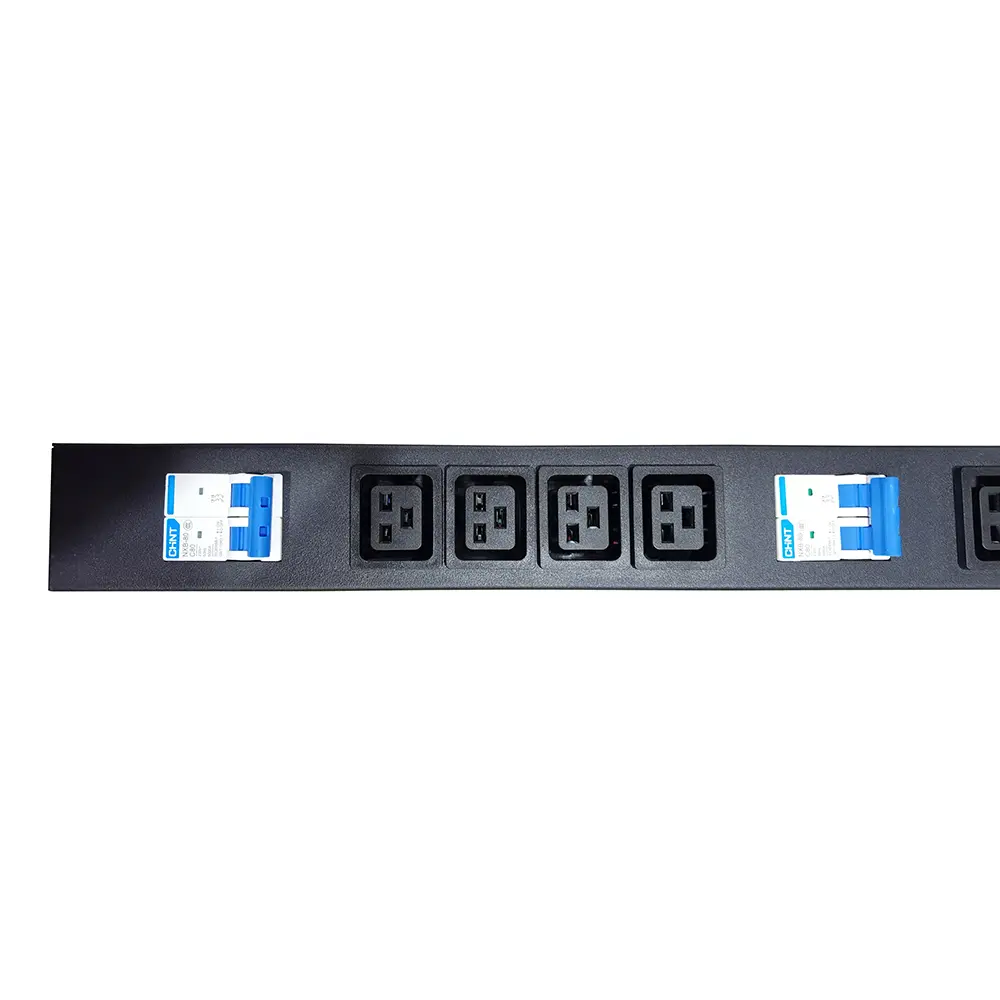
A three-phase PDU distributes power using three alternating currents, each offset by 120 degrees. This structure provides a more continuous and efficient power delivery compared to single-phase systems.
By distributing electrical load across three phases, it supports higher power capacity while improving system efficiency and reducing stress on electrical infrastructure.
In high-demand environments, three-phase PDUs are designed to improve power efficiency, stability, and scalability. Their key characteristics include:
In large-scale facilities, these technical advantages translate into real operational benefits, such as:
Three-phase PDUs are typically used in environments with high power demands and critical uptime requirements. Common applications include:
The most significant difference is power capacity. Single-phase PDUs top out at approximately 8.6kW (30A 208V), while three-phase PDUs can deliver 60kW or more per unit.
Three-phase systems are also far more efficient:
In a large data center, these efficiency gains translate to tens of thousands of dollars in annual electricity savings.
| Aspect | Single-Phase PDU | Three-Phase PDU |
|---|---|---|
| Cable Requirements | Multiple individual cables | Single thick cable |
| Space Occupied | More (blocks airflow) | Less (improves cooling) |
| Installation Time | Longer | Shorter |
| Scalability | Limited | Excellent |
Three-phase PDUs use a single cable to deliver power to the rack, saving valuable space and improving airflow. This allows for higher equipment density and better cooling efficiency.
They are also much easier to scale. As your power needs grow, you can simply add more devices to the existing three-phase circuit, rather than installing entirely new circuits as you would with single-phase power.
| Cost Type | Single-Phase PDU | Three-Phase PDU |
|---|---|---|
| Initial Equipment Cost | Lower | Higher |
| Installation Cost | Higher (more cables) | Lower (fewer cables) |
| Ongoing Energy Cost | Higher | Lower |
| Maintenance Cost | Lower | Potentially lower |
While three-phase PDUs have a higher upfront cost, they offer significant savings over the long term. Most businesses see a return on investment within 2-3 years through reduced energy and maintenance costs.
The choice between a single-phase and three-phase PDU depends entirely on your power requirements and growth plans. Single-phase PDUs are simple, affordable, and perfect for small environments. Three-phase PDUs offer superior efficiency, scalability, and reliability for large data centers and industrial facilities.
YOSUN has over 20 years of experience providing reliable power distribution solutions to businesses worldwide. We offer a complete range of single-phase and three-phase PDUs, including basic, metered, and smart models, all certified to global safety standards. Our team can help you design a custom power distribution system that meets your current needs and scales with your business.
A PDU (Power Distribution Unit) is a device that distributes electric power to multiple devices, such as servers, switches, and routers. It provides a centralized way to manage power and protect equipment from electrical hazards.
Three-phase PDUs distribute power evenly across three wires, reducing current and minimizing energy loss as heat. They also use less copper and require fewer connections, further improving efficiency.
No, you cannot. Three-phase PDUs require a three-phase power supply. If your building only has single-phase power, you must use a single-phase PDU.
A good PDU should have circuit breakers, surge protection, overcurrent protection, and proper grounding. It should also be certified by recognized safety organizations like UL or CE.
Yes, but it can be expensive and disruptive. It requires upgrading your building’s electrical service, installing new wiring, and replacing your PDUs. If you anticipate significant growth, it’s usually more cost-effective to install three-phase power from the start.