How to Choose the Best Rack Mount Power Strip for Your Needs
Learn how to choose the best rack mount power strip by evaluating load capacity, outlet types, safety features, and mounting options for your setup.


+86 15867381241
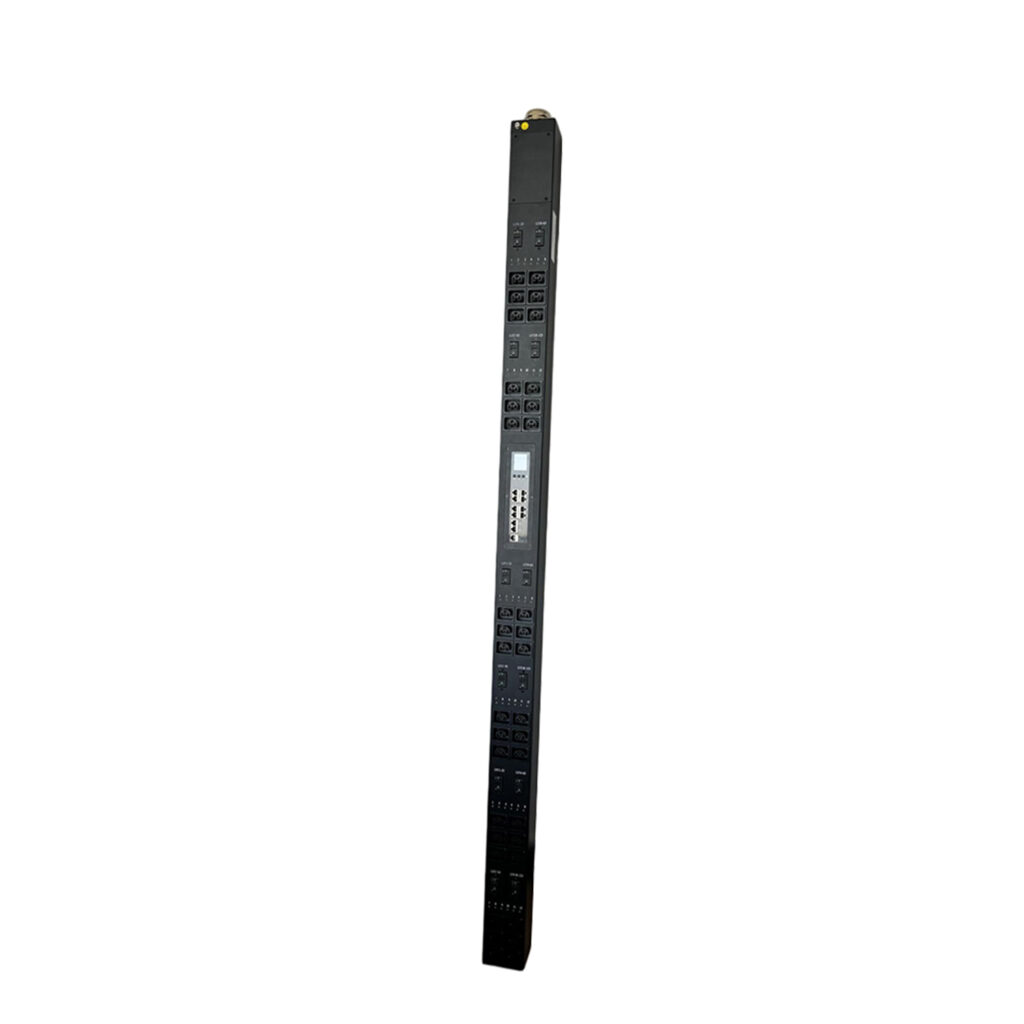
Yes, environmental monitoring is a standard feature of modern smart power distribution units (PDUs). At the rack level, smart PDUs connect to dedicated sensors to track temperature, humidity, airflow, smoke, and water leaks, creating an integrated protection layer for critical IT equipment.
Sensor data feeds into DCIM (Data Center Infrastructure Management) software for real-time visualization, proactive alerts, and efficiency analysis. This integration turns the PDU from a simple power distribution device into a rack-level environmental monitoring hub, reducing downtime and improving power usage effectiveness (PUE).
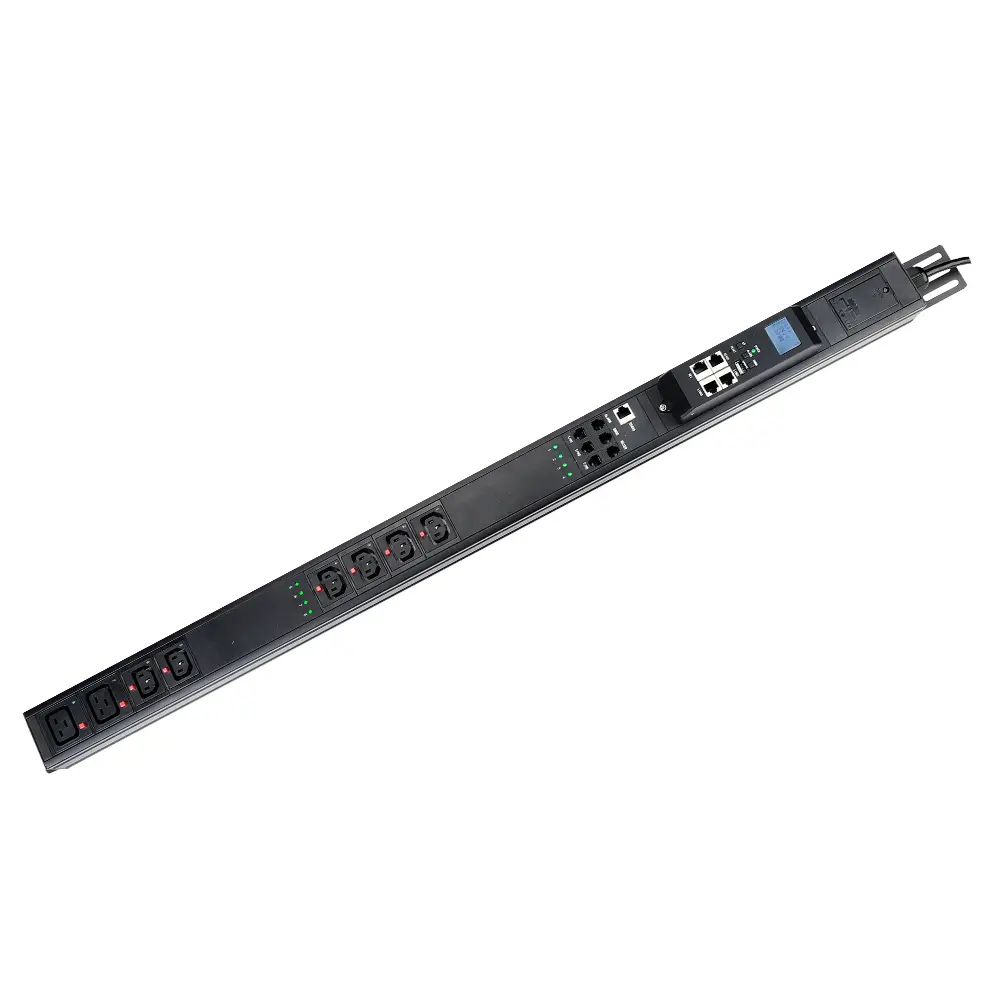
Smart PDUs support five primary sensor types, each addressing a specific rack-level threat:
Sensors connect directly to the PDU via dual RJ45 ports or locking USB-C connectors, with no additional control hardware required. Units support daisy-chaining: up to 16 sensors per USB port, for 32 total sensors per PDU. This plug-and-play design simplifies installation and reduces rack rewiring work.
The smart PDU acts as the data collection point at the rack level. Sensor readings are transmitted over the network via SNMP traps to DCIM software, where they are stored, analyzed, and visualized alongside power data.
Integrated DCIM dashboards show:
This integration eliminates the need for a separate environmental monitoring system, giving operators a single pane of glass for both power and environmental conditions.

Continuous 24/7 monitoring triggers instant alerts when readings exceed user-defined thresholds — for example, high temperature, water leak detection, or blocked airflow. Early warning gives operators time to intervene before damage occurs.
Combined with switched PDU remote control, teams can restart outlets or cycle power without traveling to the site. This combination of alerts and remote action significantly reduces unplanned downtime.
Real-time environmental data reveals cooling inefficiencies and waste. Operators can adjust cooling setpoints, balance airflow, and redirect resources based on actual rack conditions.
The efficiency gains are significant:
Smart PDUs feed the granular rack-level data that makes these optimizations possible. Lower PUE means less energy wasted on cooling and more power available for IT loads. This data also supports green certification goals including LEED Energy & Atmosphere credits and Energy Star tracking.
| Prerequisite Category | Requirement |
|---|---|
| Environmental sensor integration | Smart PDU with built-in sensor support; no separate monitoring system required |
| IP aggregation | Multiple units share one IP address to reduce deployment cost and complexity |
| Remote connectivity | Network or serial interface for power monitoring and alarm configuration |
| Out-of-band access | Backup serial console or KVM access if the primary network goes down |
| DCIM integration | Single access point for combined power and environmental data with trend reporting |
| Temperature rating | PDU rated for 45°C to 65°C operating temperature, depending on model |
YOSUN offers custom configurations, low MOQ, fast delivery, and OEM/ODM services to match specific deployment needs.
Sensors connect to the smart PDU, which transmits data over the network via SNMP protocol. DCIM software receives the data and displays it for analysis, alerting, and trend reporting.
No. Basic power strips lack the network management module required to connect to sensors and transmit data. Only smart PDUs with embedded management modules support environmental monitoring.
Yes. Environmental sensor data identifies underperforming cooling and airflow bottlenecks. Operators adjust settings based on this data, improving PUE and reducing wasted cooling energy.