Master Remote Control PDU for Rebooting Connected Equipment
Efficiently reboot connected devices remotely with a remote control PDU. Ensure uptime, reduce downtime, and manage power distribution securely.


+86 15867381241
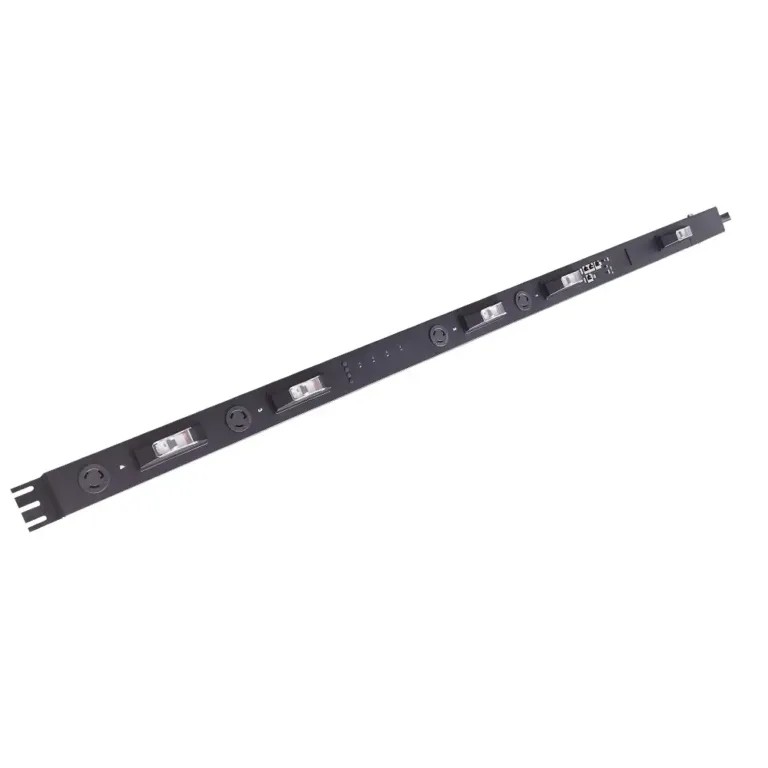
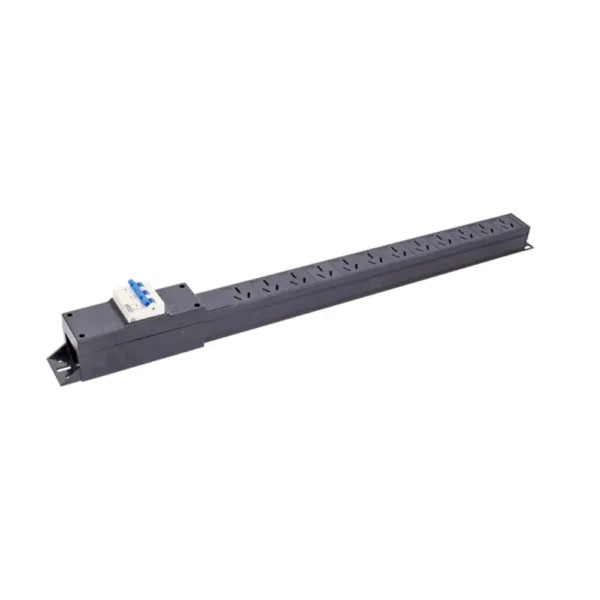
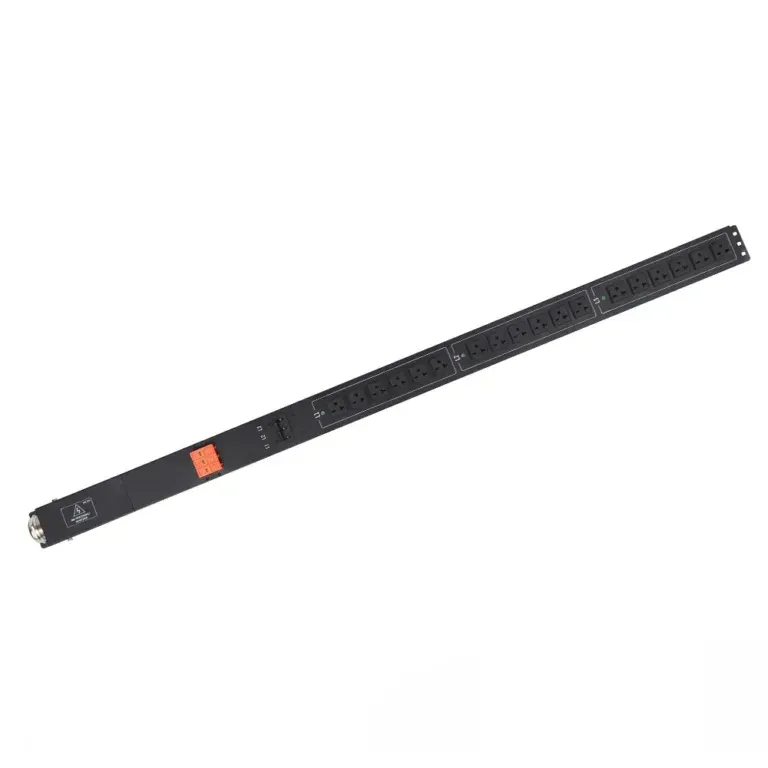
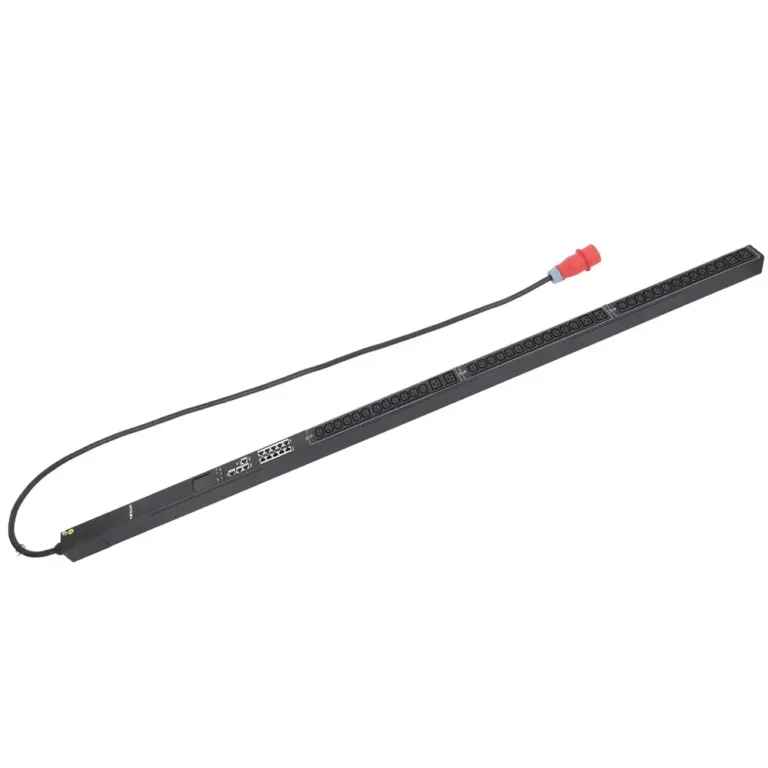
Choosing the right Rack PDU starts with understanding your rack’s power requirements, monitoring needs, and physical installation constraints. A small server room may only require a basic single-phase unit, while a high-density data center rack supporting servers or AI/GPU equipment may need three-phase power, remote monitoring, and a space-saving 0U design.
This guide explains how to choose the right Rack PDU by comparing single-phase and three-phase power, different intelligence levels, and 0U vertical versus horizontal mounting options.
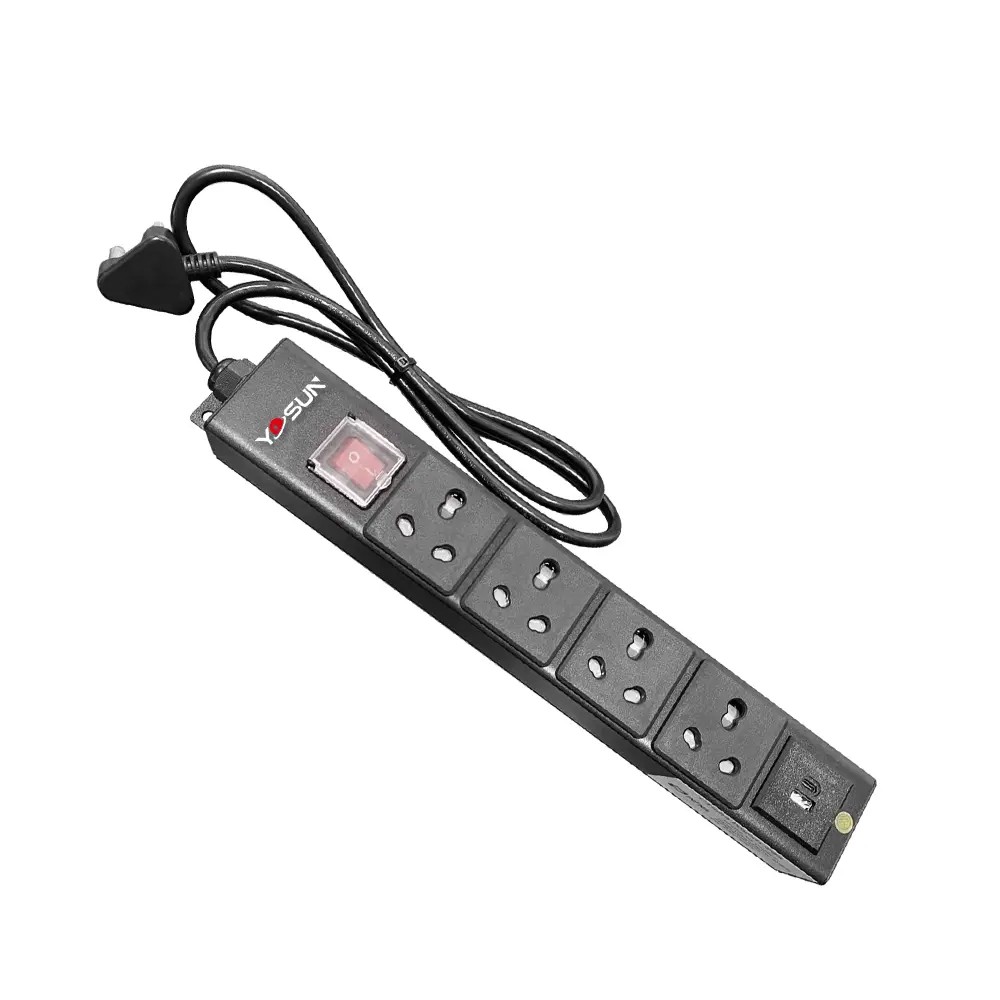
The first step is to match the Rack PDU to your rack’s power requirements and your facility’s electrical infrastructure. Lower-density racks can often use single-phase power, while high-density server, storage, and AI workloads may require three-phase distribution.
| Factor | Single-Phase Rack PDU | Three-Phase Rack PDU |
|---|---|---|
| Typical Rack Load | Lower to medium-density loads | Medium to high-density loads |
| Common Voltages | 120V / 208–230V | 208V / 400–415V / 480V |
| Power Distribution | Single AC phase | Three AC phases |
| Best For | Small server rooms, network closets, standard racks | High-density racks, enterprise data centers, AI/GPU deployments |
Single-phase Rack PDUs are commonly used for smaller server rooms and conventional IT racks with moderate power requirements. Three-phase Rack PDUs are generally better suited to higher-density deployments because they can support greater power capacity while distributing the electrical load across multiple phases.
For high-density environments, including GPU and AI infrastructure, three-phase distribution is often preferred and may be required depending on rack load and the facility’s electrical architecture.
Three-phase power can also support more balanced load distribution and lower current requirements for a given power level, helping simplify high-density power delivery.
Common regional configurations include:
For specialized or high-density installations, Rack PDU manufacturers such as YOSUN can provide configurations based on regional voltage standards, rack power density, outlet requirements, and facility infrastructure.
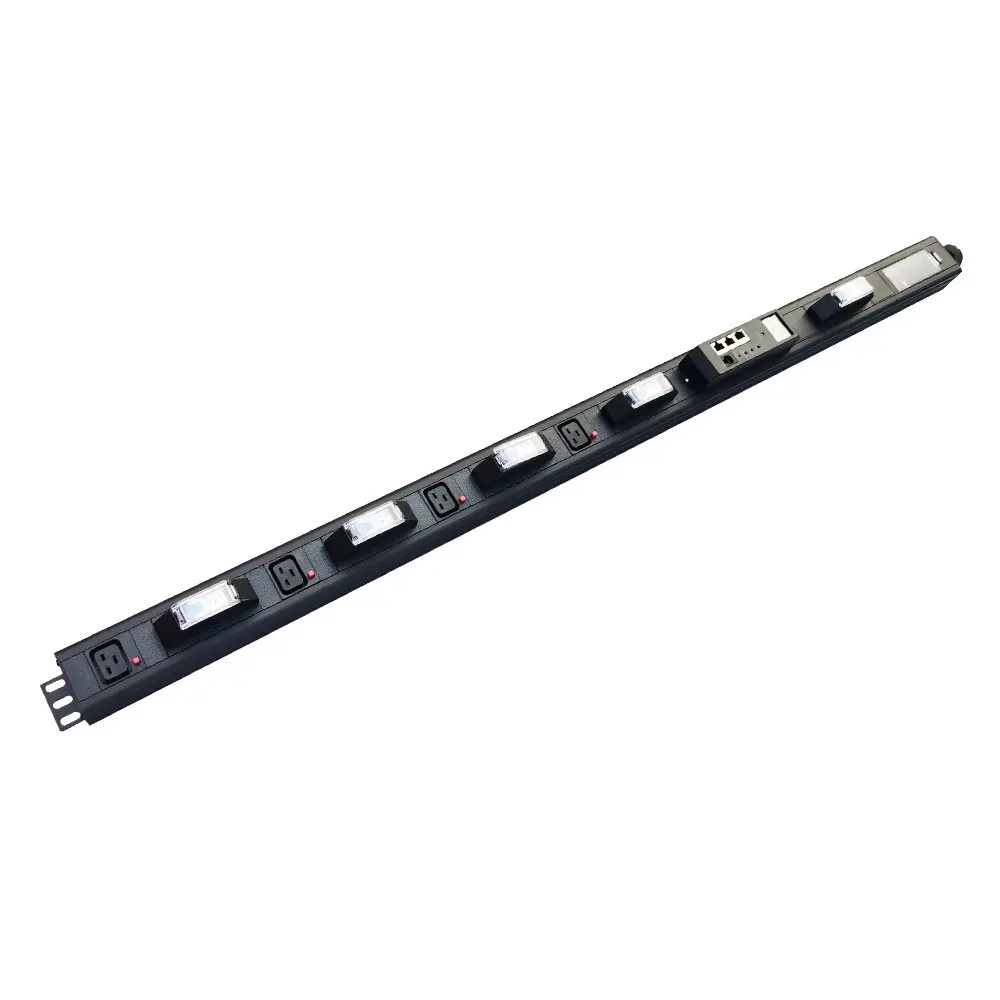
Once the electrical configuration is determined, the next decision is how much monitoring and remote control your data center requires.
| Rack PDU Type | Typical Cost Level | Main Capabilities | Best For |
|---|---|---|---|
| Basic | Low | Power distribution without monitoring | Small server rooms and simple installations |
| Metered | Low to medium | Local load monitoring | Basic capacity and overload management |
| Monitored | Medium to high | Remote power and environmental monitoring | Data centers and remote facilities |
| Switched | High | Remote outlet control and power cycling | Remote sites and unattended equipment |
| Outlet-Metered | High | Per-outlet energy monitoring | Colocation, energy tracking, and detailed capacity planning |
The right intelligence level depends largely on whether your equipment is managed on-site or remotely and how much visibility you need into rack-level power consumption.
The physical design of a Rack PDU affects available equipment space, outlet capacity, cable organization, and overall rack layout.
| Feature | Horizontal Rack PDU | 0U Vertical Rack PDU |
|---|---|---|
| Rack Space Used | Occupies 1U or 2U | Uses no horizontal rack space |
| Typical Outlet Capacity | Lower to medium | Medium to high |
| Installation | Mounted horizontally in the rack | Mounted vertically along the side or rear |
| Cable Management | Horizontal cable routing | Vertical cable routing |
| Best For | Smaller racks or limited installations | Full-height server cabinets and high-density racks |
Horizontal Rack PDUs can be a practical choice for smaller racks or installations where vertical mounting is unavailable. However, 0U vertical Rack PDUs are often preferred for full-height server cabinets because they preserve valuable rack space for servers, switches, and other equipment.
A 0U design can also support higher outlet counts and cleaner cable routing, which is particularly useful for racks with multiple dual-corded devices.
For redundant power architectures, many data centers install two separate Rack PDUs to support independent A and B power feeds.
The right Rack PDU depends on power requirements, intelligence level, and mounting form factor. Match the PDU to your rack density, monitoring needs, and available rack space to ensure reliable power distribution and support future growth.
A basic PDU only distributes power with no monitoring or network features. An intelligent PDU adds network connectivity, remote power monitoring, and often per-outlet control, enabling remote management, alerting and energy reporting.
0U PDUs mount in the unused side channel of the rack, saving all horizontal U-space for servers. They also support far more outlets, keep cables out of the cooling airflow path, and enable cleaner cable management in dense cabinets.
Choose three-phase for racks with 10kW or more of load, including high-density server clusters, AI/GPU compute racks and blade server enclosures. Three-phase power handles higher loads more efficiently, runs cooler and reduces circuit breaker trips from imbalanced loads.
For unmanned edge sites and remote locations, yes. The ability to remotely reboot unresponsive equipment eliminates most on-site service trips, which typically cost $200+ each. The PDU usually pays for itself in avoided service calls within 1–2 years.
Look for UL Listed (North America), CE marking (EU), and compliance with IEC 62368-1 information technology safety standards. For consistent manufacturing quality, ISO 9001 certification is also a good indicator of reliable build quality.