The Benefits of Using DC Power Distribution Units in 2025
Discover how DC power distribution units in 2025 enhance energy efficiency, reliability, and sustainability in data centers, EVs, and renewable energy systems.


+86 15867381241
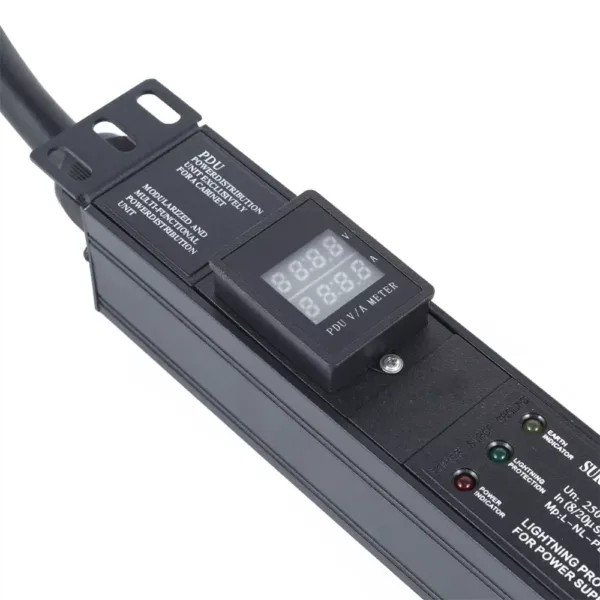
Metered power distribution units (PDUs) measure and display power usage at the rack, while unmetered PDUs distribute power to connected equipment without built-in power monitoring. This difference affects how data center teams monitor loads, prevent overloads, plan rack capacity, and manage power distribution. Choosing between the two depends on the level of power visibility required, the rack environment, and the overall power management strategy. This guide compares metered and unmetered PDUs, their typical use cases, and the key factors to consider when selecting one.
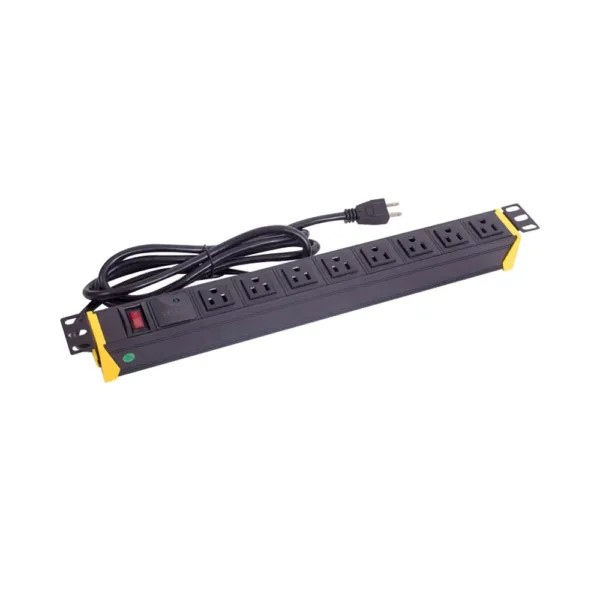
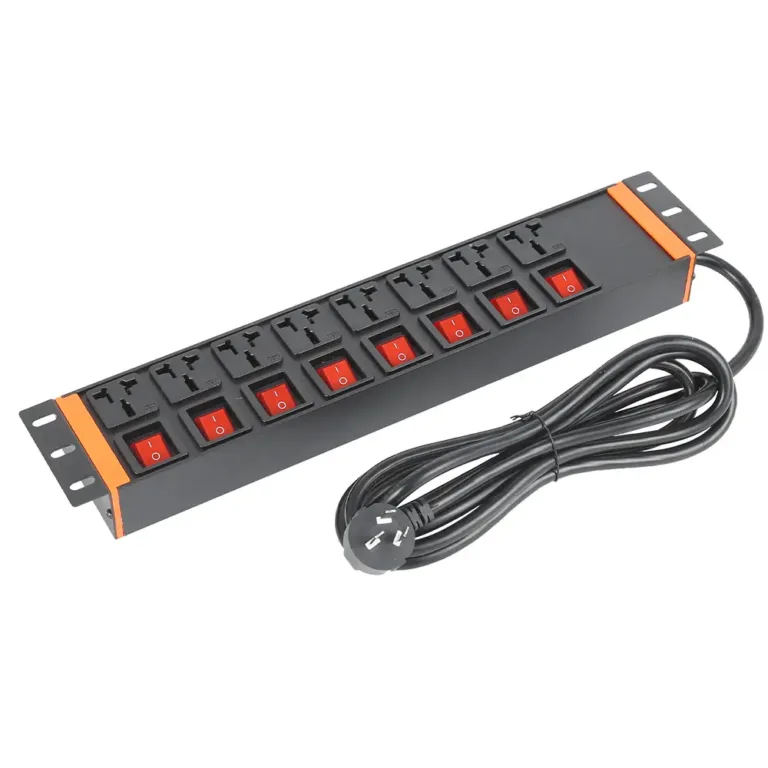
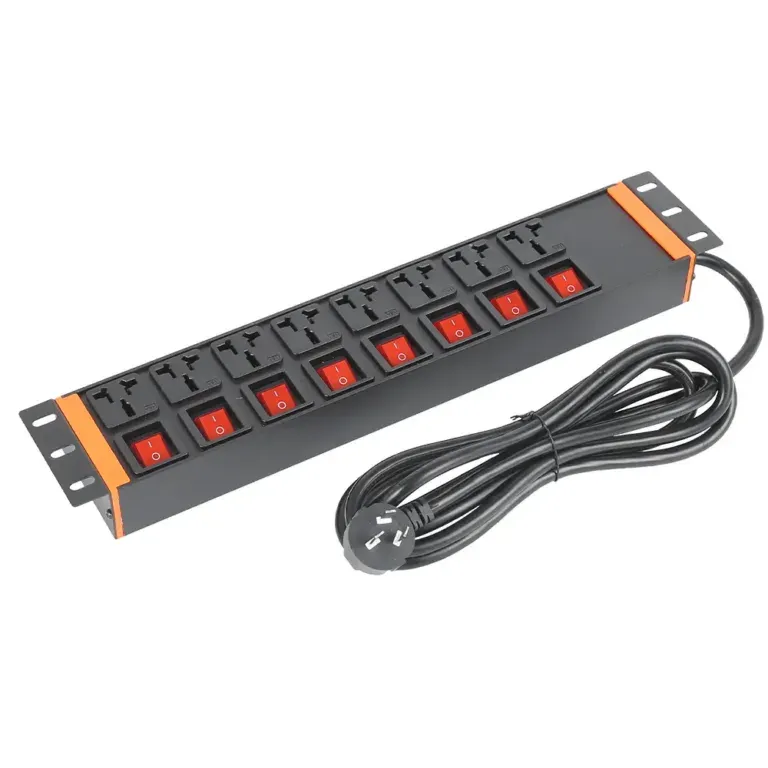
Also called a basic PDU, an unmetered unit is the simplest, lowest-cost rack power distribution option. It splits a single power input across multiple outlets with no metering hardware, display, or network connectivity.
Core internal components:
Unmetered PDUs prioritize power distribution and basic circuit protection over data. Business-grade units carry safety certifications including UL, CE, and RoHS, but cannot track amperage, power factor, or energy efficiency. They provide no built-in way to detect an approaching overload.
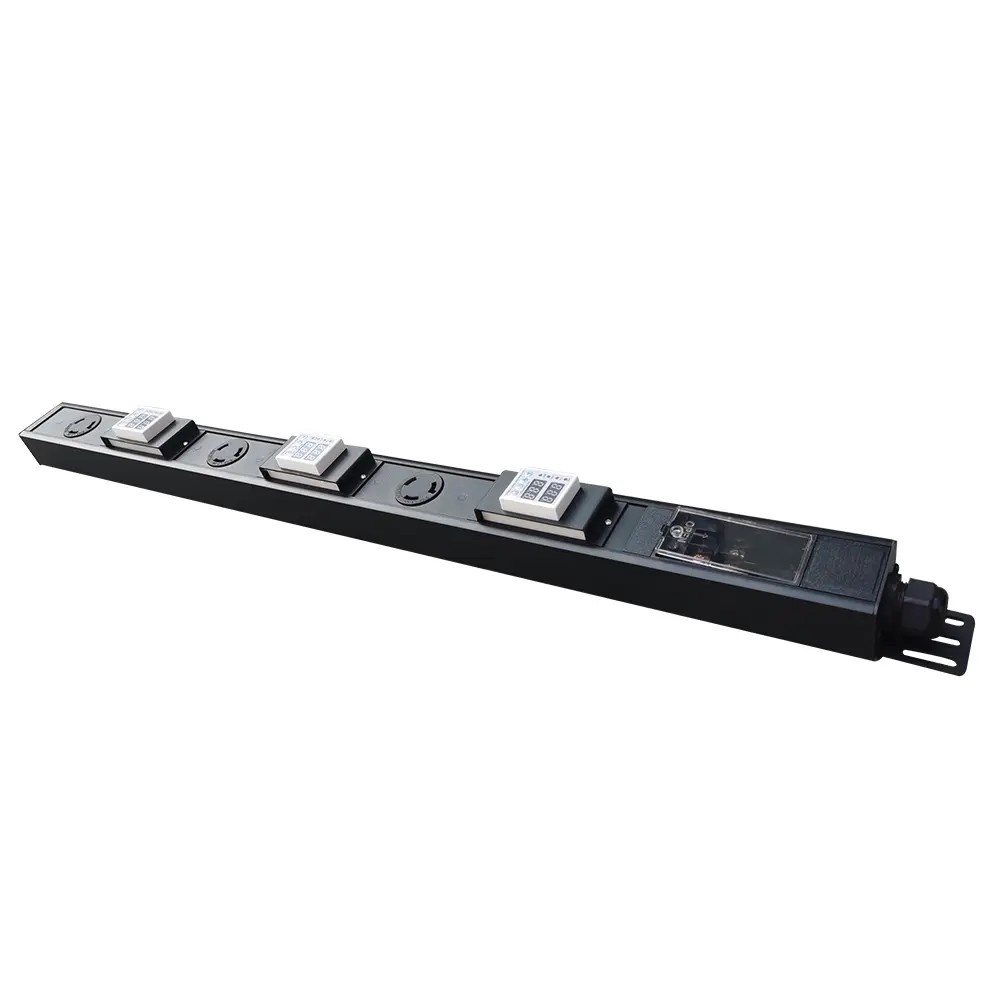
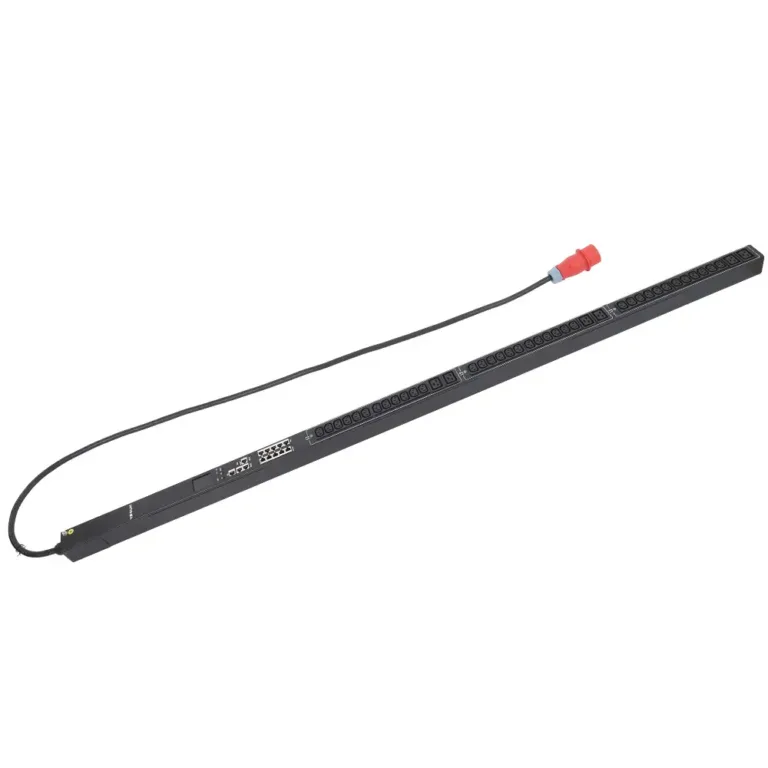
A metered PDU integrates built-in current transformers and a local LED display to show key electrical metrics in real time. Standard units display voltage, current, active power (kW), apparent power (kVA), reactive power (kVAr), and power factor, with auto-flip phase LEDs for clear per-phase current visibility. Typical accuracy ranges from ±1–3% of full scale, sufficient for most capacity planning and load balancing use cases.
For different levels of granularity, there are three common configurations:
Standard metered PDUs keep all data on-board with no network connection required, making them suitable for secure facilities that prohibit rack-level network links. They also serve as a scalable middle ground between basic unmetered units and fully networked monitored/switched PDUs.
| Category | Unmetered PDU | Metered PDU |
|---|---|---|
| Core function | Distributes power from one input to multiple outlets | Distributes power and measures real-time usage at the rack |
| Local display | None | Shows voltage, current, kW, kVA, power factor, and per-phase load |
| Overload protection | Only circuit breaker trip at failure | Proactive load balancing to prevent trips before failure |
| Capacity planning | No usage data; requires guesswork | Track real usage to right-size capacity purchases |
| PUE reporting support | None; only supports Level 1 (utility bill) estimates | Enables Level 2 (daily) and Level 3 (real-time) PUE measurement |
| Network requirement | None | None for standard local metering; optional network upgrade for remote access |
| Upfront cost | Lower | Higher |
| Best for | Small, low-density, stable-load racks | High-density racks, energy efficiency initiatives, and growing deployments |
The right choice depends on your rack density, security policies, and operational goals. Neither design is universally better.
An unmetered unit is the most practical choice for:
A metered unit delivers better value when:
No. An unmetered PDU has no metering hardware, display, or network port. It cannot track amperage, power factor, or energy efficiency, and provides no advance warning of impending overload.
No. Standard metered PDUs store all data locally, with no network required. This makes them suitable for high-security sites that prohibit rack-level network links. Network reporting can be added later as an upgrade.
They provide the rack-level power data required for Level 2 and Level 3 PUE measurement. This replaces rough utility-bill estimates with precise, granular consumption data for better accuracy.