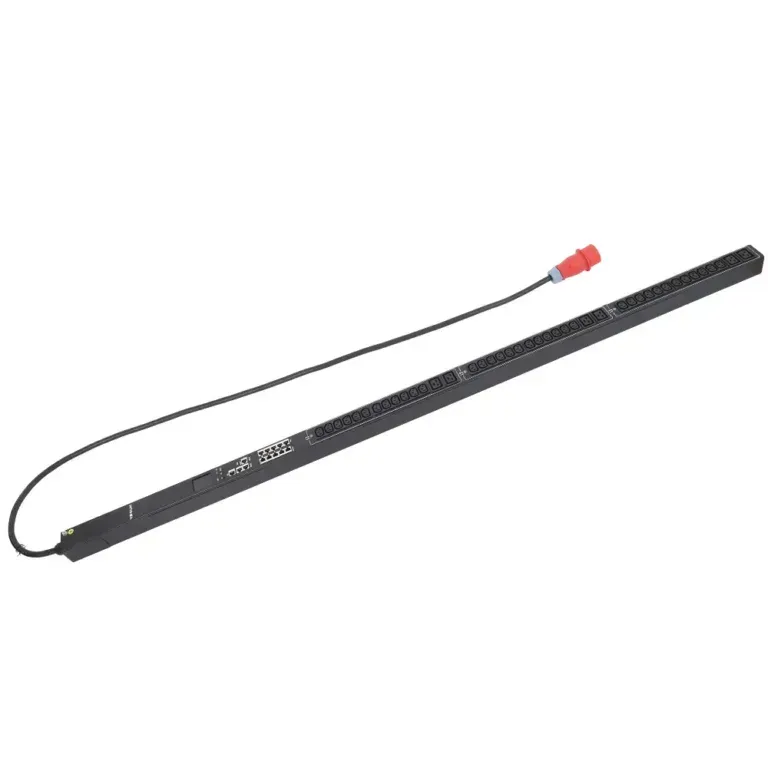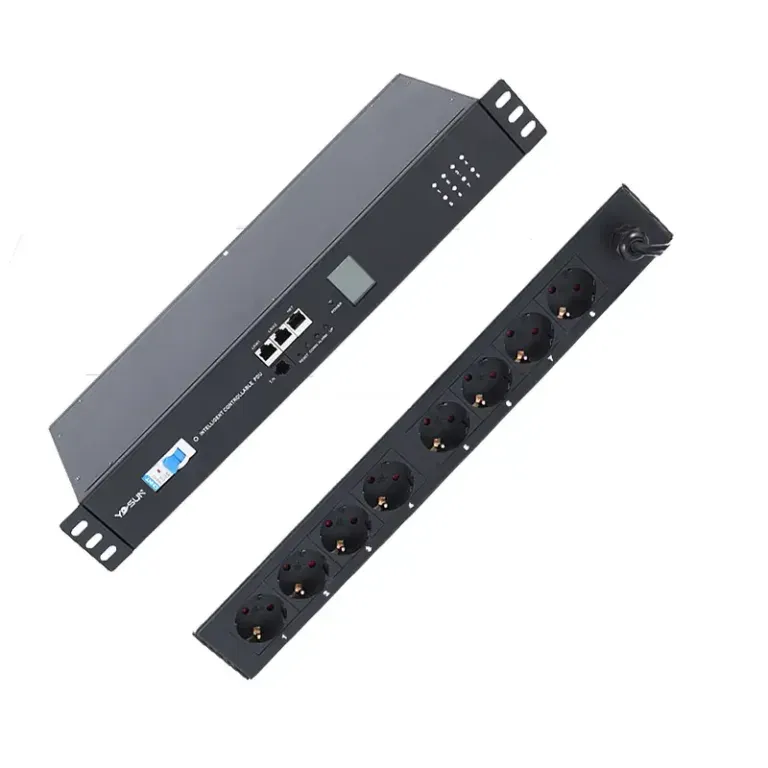
What Sets Geist Switched PDUs Apart in 2025
Geist switched PDU offers advanced remote control, real-time monitoring, and certified reliability for efficient, secure data center power management in 2025.


+86 15867381241
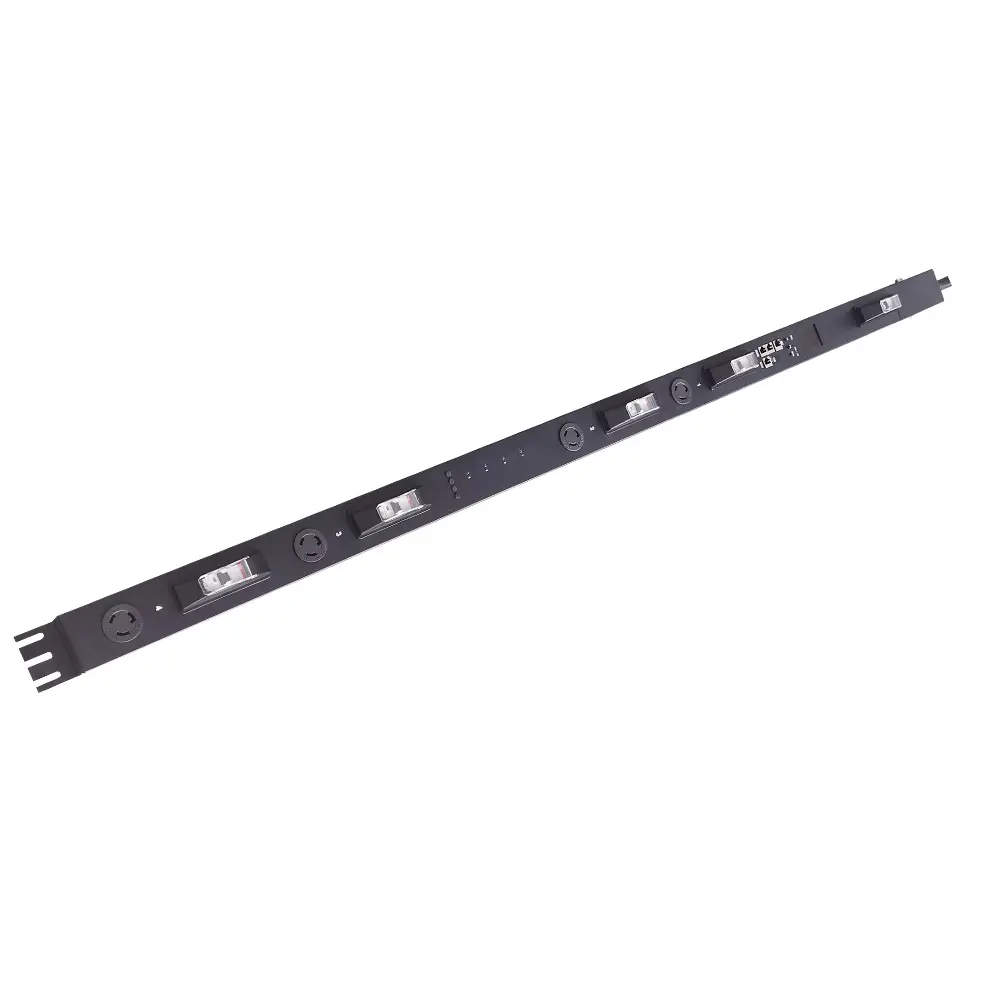
When evaluating intelligent power distribution units for data centers, server rooms, and industrial facilities, two of the most common options are metered PDUs and switched PDUs. Both deliver far greater visibility into power usage than basic PDUs, but they serve distinct core purposes.
A metered PDU tracks and displays real-time power consumption data, with a primary focus on energy monitoring and overload prevention. A switched PDU includes all the monitoring capabilities of a metered unit, plus the ability to remotely turn individual outlets on or off. Understanding these differences is critical to selecting the right PDU for your operational needs, budget, and long-term scalability.
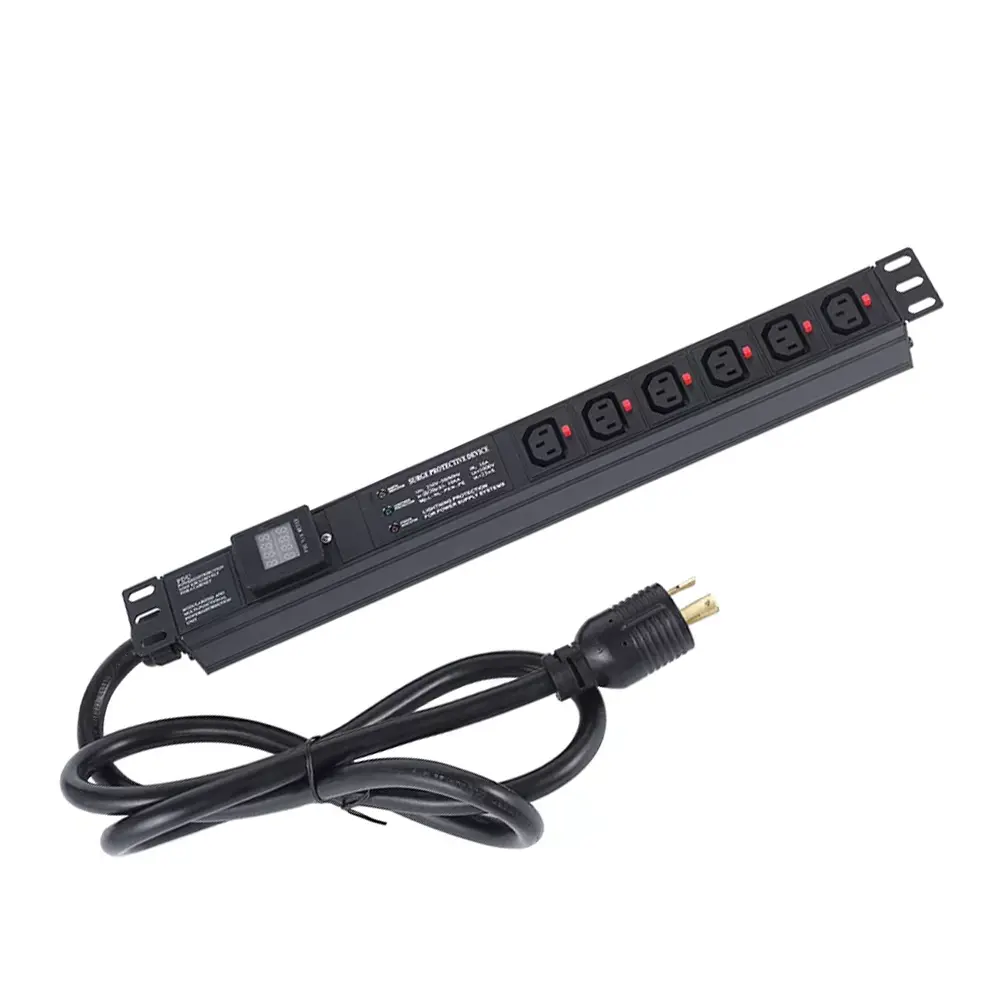
A metered PDU is designed to measure, display, and track electrical power usage. It provides real-time visibility into metrics such as current, voltage, power factor, and total energy consumption, typically via a built-in local display.
Metered PDUs are available in two granularity levels:
Advanced metered PDUs also include threshold alerts, environmental temperature/humidity sensors, and basic user authentication security features. They do not support remote outlet control.
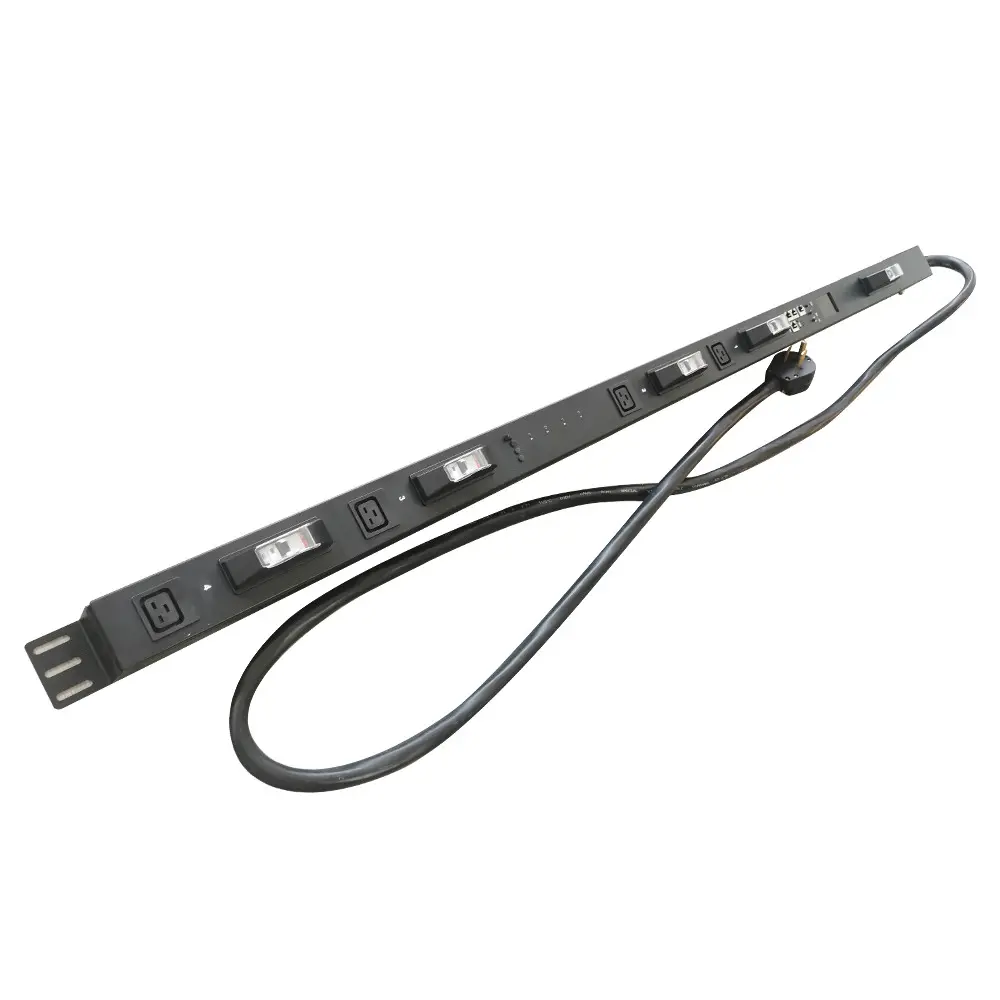
A switched PDU combines real-time power monitoring with full remote outlet-level control. Administrators can turn individual outlets on, off, or cycle power from any network-connected location, without physical access to the rack.
Key advanced features of switched PDUs include:
Switched PDUs support all the monitoring capabilities of metered units, with the added benefit of remote operational control. They are available in both single-phase and three-phase configurations, with high-density outlet layouts to maximize rack space utilization.
Note: A third common category, monitored PDUs, sits between metered and switched units. Monitored PDUs allow network-based remote viewing of power data (unlike basic metered units with only local displays), but do not support remote outlet control.
| Feature | Metered PDU | Switched PDU |
|---|---|---|
| Real-time power monitoring | ✅ Local display (network remote on advanced models) | ✅ Full networked remote monitoring |
| Outlet-level metering | ✅ Available on outlet-metered models | ✅ Standard on most models |
| Remote outlet on/off control | ❌ No | ✅ Full per-outlet control |
| Threshold alerting | ✅ | ✅ |
| Environmental sensor support | ✅ | ✅ |
| Security & access controls | ✅ Basic | ✅ Role-based, enterprise-grade |
| Primary core benefit | Accurate power usage tracking and overload prevention | Power monitoring + remote operational control |
| Typical cost point | Lower | Higher |
Metered PDUs focus on visibility and risk prevention, delivering the following key benefits:
Ideal applications:
Switched PDUs add operational flexibility and downtime reduction on top of full monitoring capabilities:
Ideal applications:
Follow these criteria to select the best option for your environment:
Decide whether inlet-level total power tracking is sufficient, or if you need per-outlet metering for cost allocation and detailed usage insights.
If you plan to add remote management capabilities later, opting for a switched PDU upfront often costs less than retrofitting or replacing units later.
Ensure the unit carries relevant regional safety certifications (UL, CE, VDE, RoHS, etc.) and meets your industry’s electrical safety standards.
While switched PDUs have a higher upfront cost, they reduce labor costs and downtime significantly over time, delivering a strong return on investment for most multi-rack environments.
For facilities with mixed needs, YOSUN Smart PDUs offer a full portfolio of metered, monitored, and switched units, with consistent safety certifications and scalable management features to fit environments of all sizes.
Metered and switched PDUs both deliver significant value over basic power distribution units, but they serve distinct operational goals.
For teams focused on energy management, load balancing, and overload prevention, a metered PDU is a cost-effective choice. For environments requiring remote operational control, reduced downtime, and distributed site management, a switched PDU is the clear better investment.
By aligning your choice with your core operational priorities, current infrastructure, and long-term growth plans, you can select a PDU solution that improves efficiency, enhances reliability, and scales seamlessly as your operations grow.
The core difference is remote control capability. A metered PDU only tracks and displays power usage data. A switched PDU includes all the same monitoring features plus the ability to remotely turn individual outlets on or off.
There is no universal “better” option — it depends on your operational goals. Metered PDUs are more affordable and ideal for energy tracking and overload protection. Switched PDUs cost more but deliver remote control that drastically reduces downtime and on-site labor.
Data centers use metered PDUs to track rack-level and device-level energy consumption, prevent circuit overloads, balance power loads, and plan for infrastructure expansion. They also support energy efficiency initiatives and colocation chargeback models.
Yes. Switched PDUs allow administrators to remotely reboot unresponsive devices in minutes, eliminating the need for on-site technician trips. Combined with proactive alerting, this drastically reduces mean time to recover from common device failures.
Yes. Both types are designed for standard 19-inch rack mounting, with tool-less mounting options on most modern models. Setup typically takes minimal time, with web-based configuration for network-connected units.