What type of Rack PDU is right for your data center?
Choosing the right Rack PDU starts with understanding your rack’s power requirements, monitoring needs, and physical installation constraints. A small server room may only require...


+86 15867381241
Whether your data center needs a smart (intelligent) PDU depends on your rack density, uptime requirements, operational model, and energy compliance goals. For small, low-density server rooms with full-time on-site staff, basic or metered PDUs may be sufficient. For medium-to-high density racks, remote edge sites, or facilities with strict uptime and efficiency targets, a smart PDU is a high-ROI investment that reduces downtime, cuts operational costs, and improves power visibility.
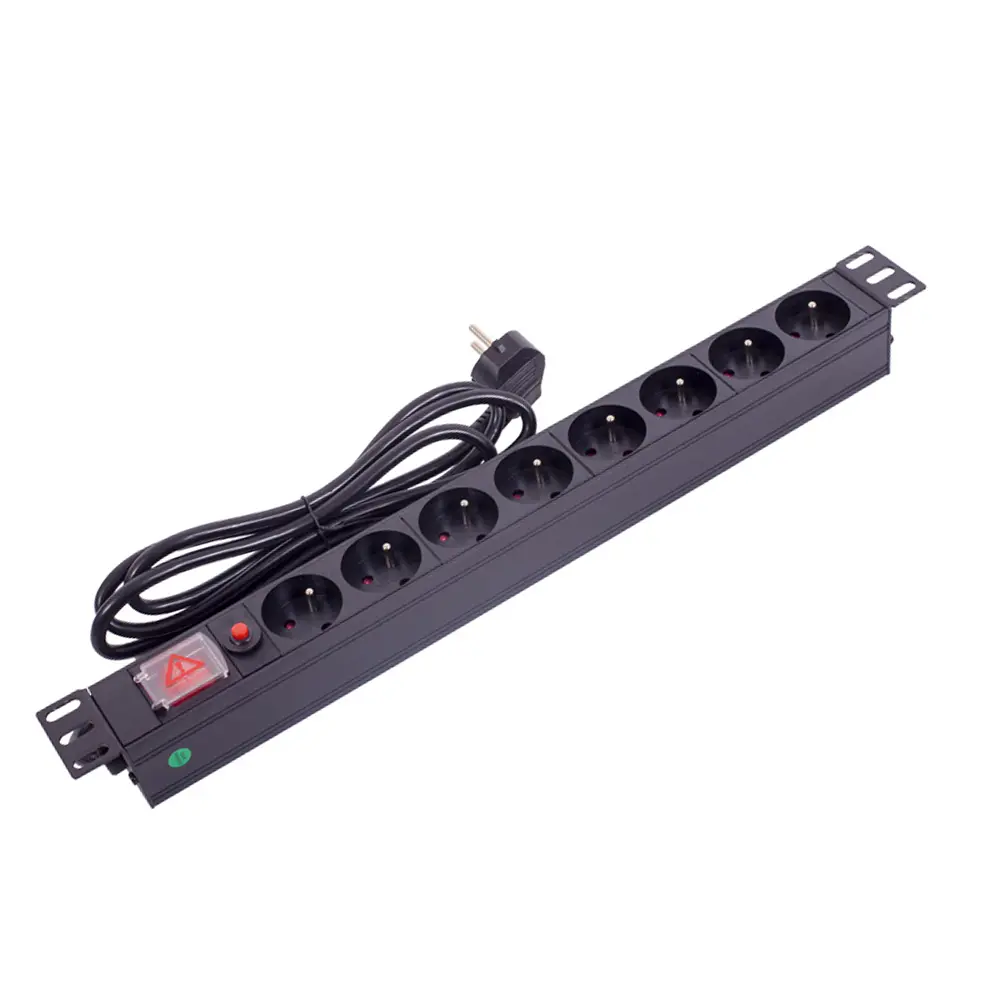
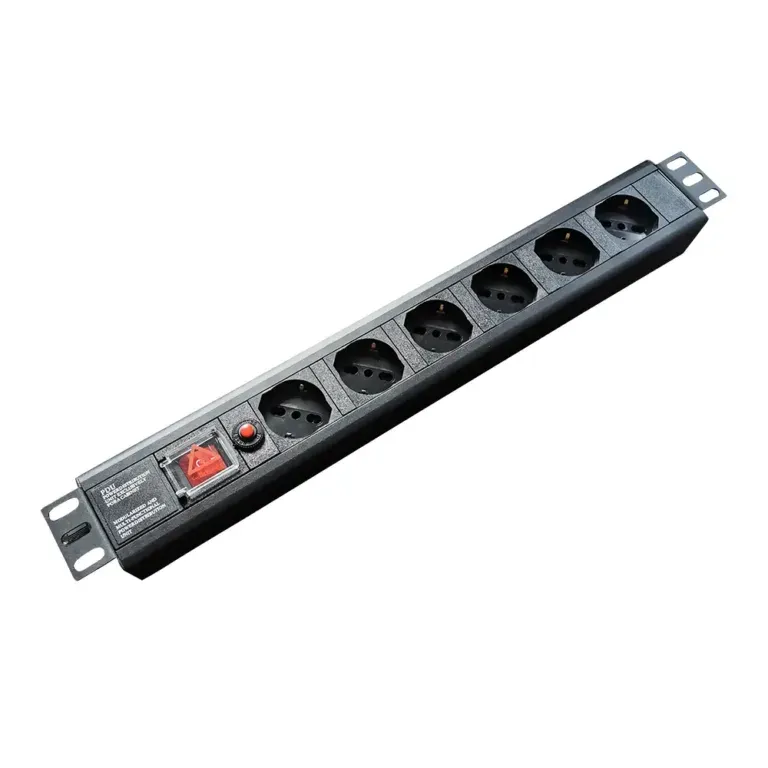
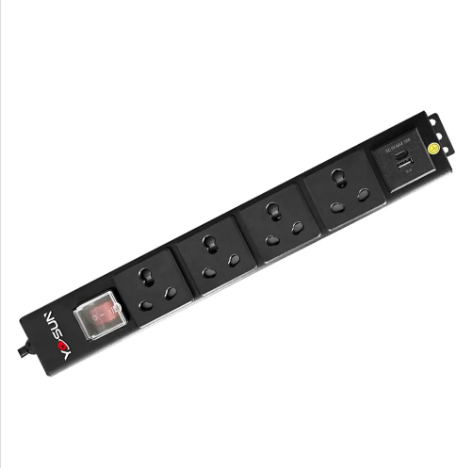
Basic PDUs function like industrial-grade power strips: they distribute power to rack equipment but offer no monitoring or network connectivity. Metered PDUs add a local display for total load current, but still cannot send alerts or support remote management.
Without network-connected visibility, operators cannot track per-outlet or per-device power usage from off-site. Unplanned surges can trip breakers before staff notice the risk, turning simple overloads into costly equipment downtime.
| Feature | Basic PDU | Smart (Intelligent) PDU |
|---|---|---|
| Remote Monitoring | Not available | Full web UI and network access |
| Outlet Control | Outlets always on | Individual remote outlet switching |
| Threshold Alerts | None | Automatic email, SMS and SNMP alerts |
| Metering Granularity | None | Rack-level, and often per-outlet level |
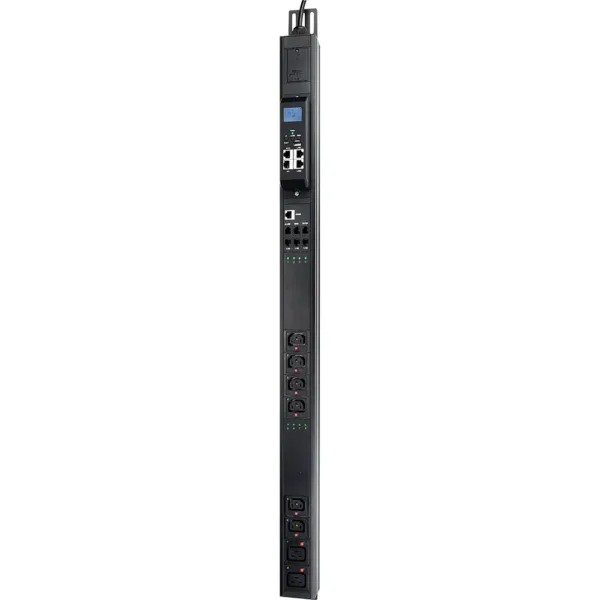
Smart PDUs solve the visibility gap of basic models by delivering granular, real-time power data and remote control. Facilities use them to monitor voltage, current, and power usage across every server rack, and to reboot unresponsive hardware without on-site visits.
This level of visibility lets engineering teams proactively manage power capacity, prevent overloads, and plan infrastructure upgrades with high accuracy.
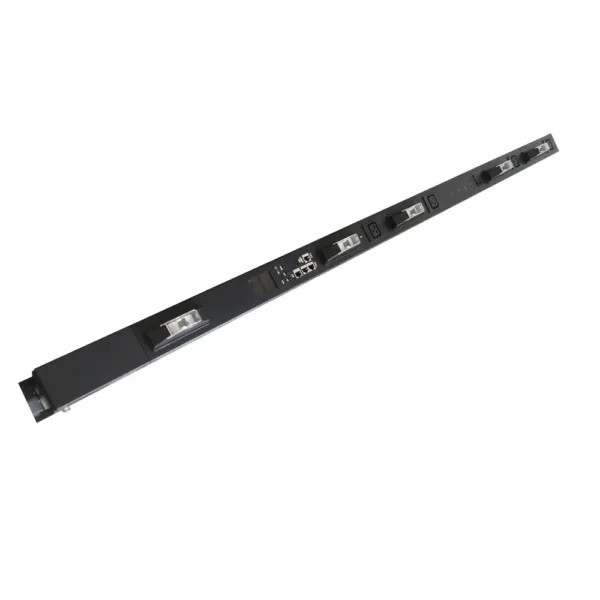
Power-related outages are the single largest cause of data center disruptions. Smart PDUs mitigate this risk with configurable threshold alerts:
Industry best practice recommends keeping continuous IT loads below 80% of a circuit’s overcurrent rating. Early alerts eliminate the element of surprise and prevent most overload-related breaker trips.
For multi-site deployments and edge data centers, on-site technician visits are expensive and slow. Smart PDUs let administrators reboot frozen servers, toggle unused outlets, and troubleshoot power issues remotely via a secure web interface or serial console.
Many models include backup out-of-band control channels, so power management remains available even during primary network outages. This drastically reduces mean time to resolve (MTTR) for common issues and eliminates unnecessary travel costs.
Granular power data is the foundation of data center efficiency improvements. Smart PDUs track usage at the rack and outlet level, enabling:
This data also supports regulatory and sustainability reporting, including ISO 50001 energy management standards, EU Taxonomy Regulation requirements, and Ecodesign rules for idle server power.
As AI and compute-intensive workloads grow, rack power densities continue to rise. Basic single-phase PDUs quickly become insufficient for dense deployments.
| Rack Density Threshold | Required Power Distribution Upgrade | Why Basic Options Fail |
|---|---|---|
| 20–30 kW | Basic units usually suffice | Standard models match traditional baseline demands |
| 40–60 kW | 100A+ three-phase distribution | Standard 30A or 60A units overload under AI workloads |
| ≥70 kW | Intelligent three-phase monitoring | Single-phase hardware cannot deliver safe power |
| 100 kW+ | Direct medium-voltage rack distribution | Standard hardware lacks capacity and monitoring tools |
Intelligent three-phase PDUs provide the real-time visibility needed to operate high-density racks safely, and support capacity planning for future workload growth.
A smart PDU is not a one-size-fits-all solution, but it delivers measurable ROI if any of the following apply to your facility:
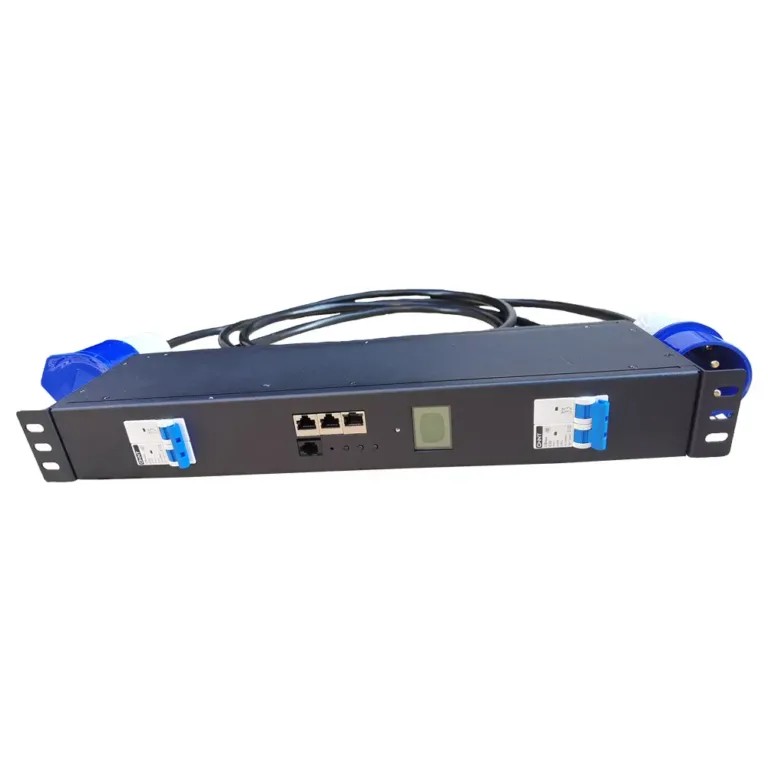
A basic PDU only distributes power with no monitoring. A metered PDU has a local display showing total load but no network connectivity. A smart (intelligent) PDU connects to the network, offers per-outlet monitoring, remote switching, and automatic alerts.
Upgrade to a smart PDU when you add high-density server loads, manage remote sites, need to improve uptime, or must track energy use for compliance. The investment typically pays for itself quickly through reduced downtime and lower operational costs.
Smart PDUs provide granular power data to identify idle “ghost servers” that waste energy. They also help balance three-phase loads to reduce waste, and support accurate PUE calculation to target efficiency improvements.
Yes. Smart PDUs can be configured to send warning alerts at 70–75% load and critical alerts at 80% load, giving teams time to rebalance loads before a circuit breaker trips and causes an outage.
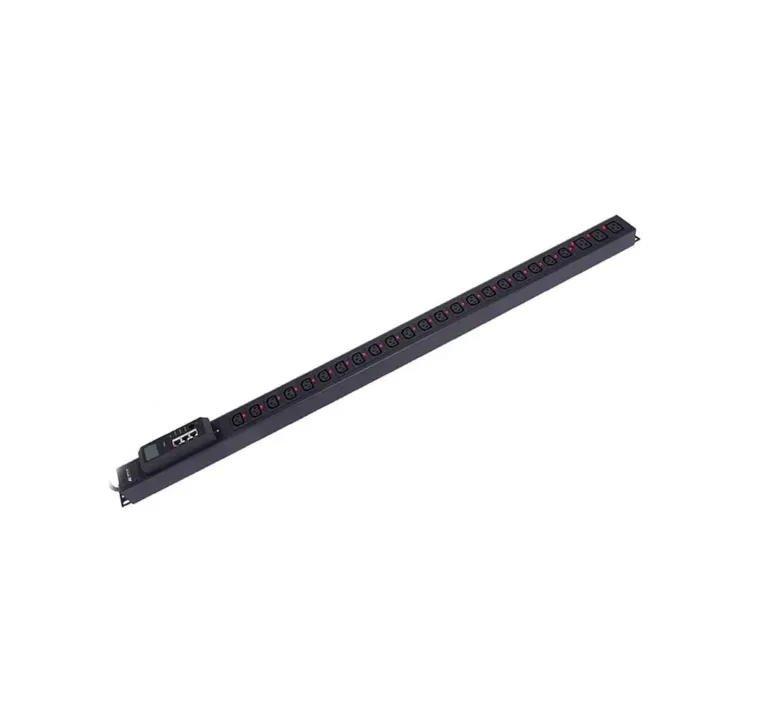
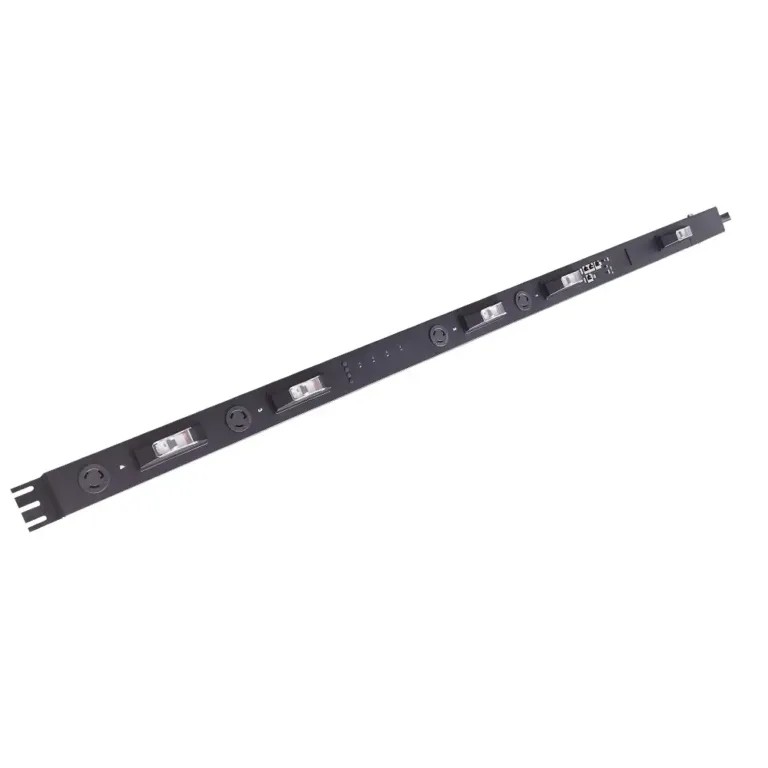
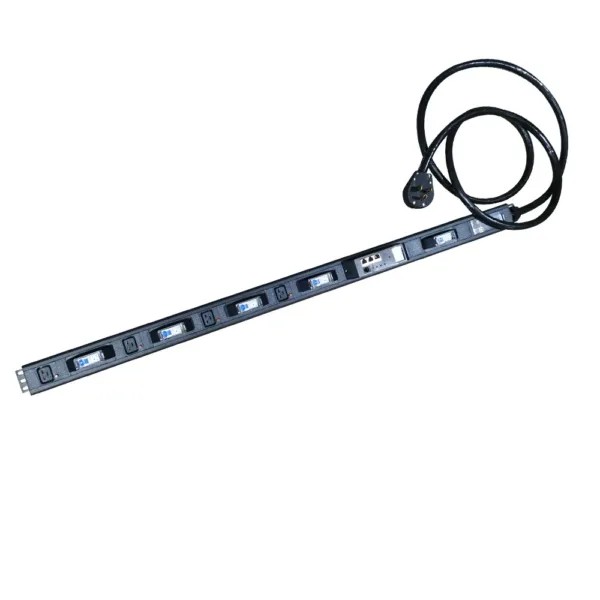
Vertical 0U smart PDUs mount to the rear or side of the cabinet and use zero rack units. Horizontal smart PDUs typically take 1U to 4U of standard 19-inch rack space, with fewer outlets per unit.
A smart PDU is not a mandatory upgrade for every data center, but it delivers measurable ROI for most modern server environments. For small, low-density rooms with full-time on-site staff, basic or metered PDUs may be adequate. For any facility with high-density loads, remote locations, strict uptime requirements, or energy compliance goals, intelligent power distribution is a cost-effective investment that pays for itself through fewer outages, lower labor costs, and reduced energy waste.