Best rack pdu switched 1u 15a 100 120v 8 5 15 models for 2025
Compare the best rack pdu switched 1u 15a 100 120v 8 5 15 models for 2025. Find top picks for remote control, safety, and reliable power in your rack.


+86 15867381241
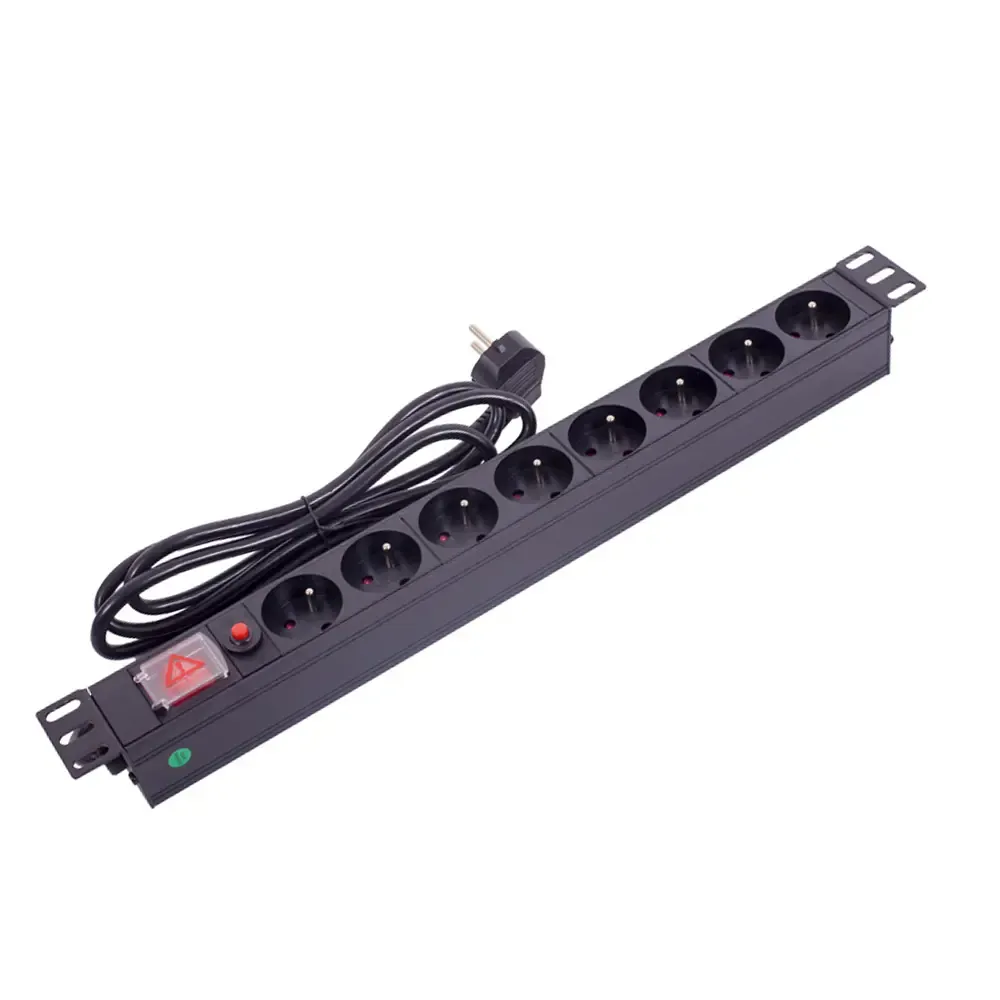
PDUs (Power Distribution Units) do not use a single universal connector. Instead, they use a set of standardized input plugs and output receptacles to connect to facility power sources and distribute electricity to end devices. The three primary connector families used for PDUs are IEC 60320 (the global data center standard), NEMA (the North American standard), and IEC 60309 (commando) (industrial heavy-duty connectors).
Choosing the correct connector type ensures electrical compatibility, prevents overloads, and maintains safe, reliable power delivery. Manufacturers like YOSUN offer fully customizable PDU connector configurations to match specific equipment, regional standards, and application requirements.
PDU connectors are defined by global or regional standards, each built for specific voltage, amperage, and environmental conditions.
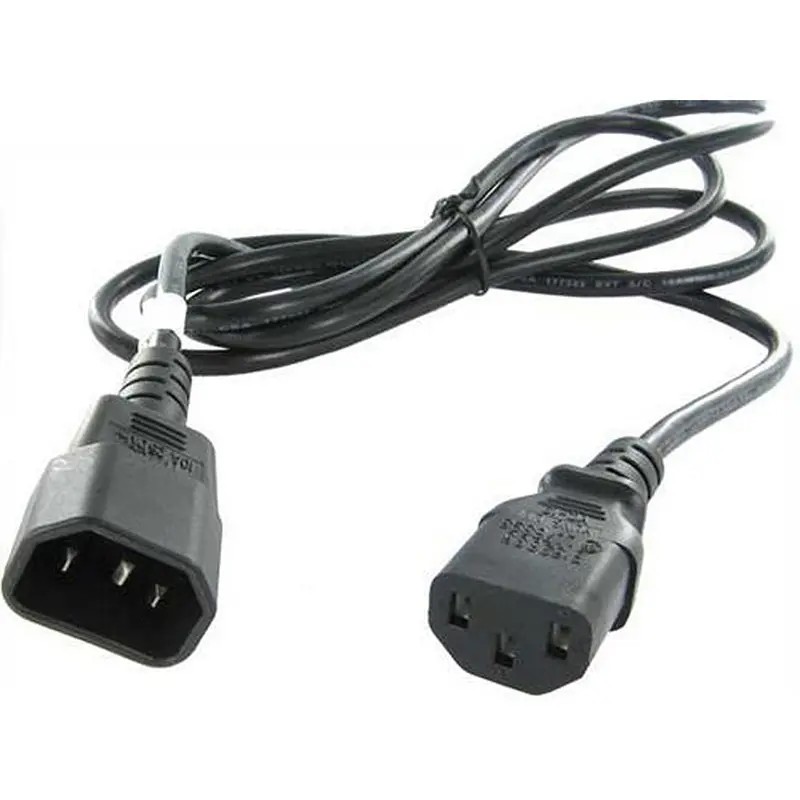
IEC 60320 connectors are the most widely used PDU outlet type in data centers and IT environments worldwide. They follow a universal international standard, making them compatible with nearly all server, networking, and computer equipment.
These connectors come in matched plug-and-receptacle pairs, with ratings sized for different power loads:
| IEC Type | Rating | Common Use Case |
|---|---|---|
| C13 (receptacle) | 10 A, 250 V AC | Servers, storage systems, desktop PCs, monitors |
| C14 (plug) | 10 A, 250 V AC | Power inlet on IT equipment; mates with C13 |
| C19 (receptacle) | 16 A, 250 V AC | High-power servers, storage arrays, high-load PDUs |
| C20 (plug) | 16 A, 250 V AC | High-power equipment inlet; mates with C19 |
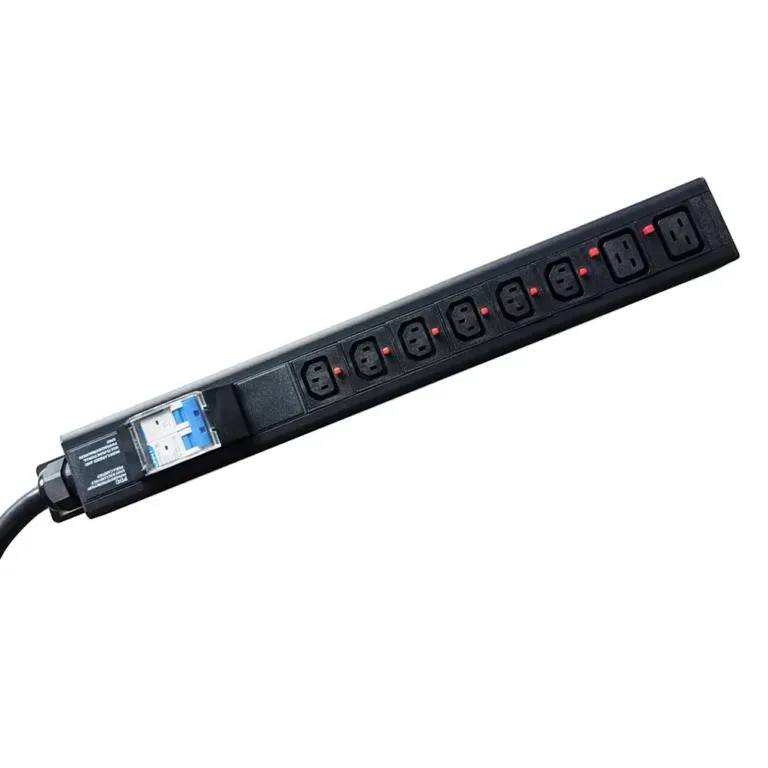
C13/C14 connectors handle standard low-to-medium power IT devices, while C19/C20 connectors support higher-load equipment. YOSUN PDUs are available with mixed C13 and C19 outlet configurations, customizable to match specific rack deployments.
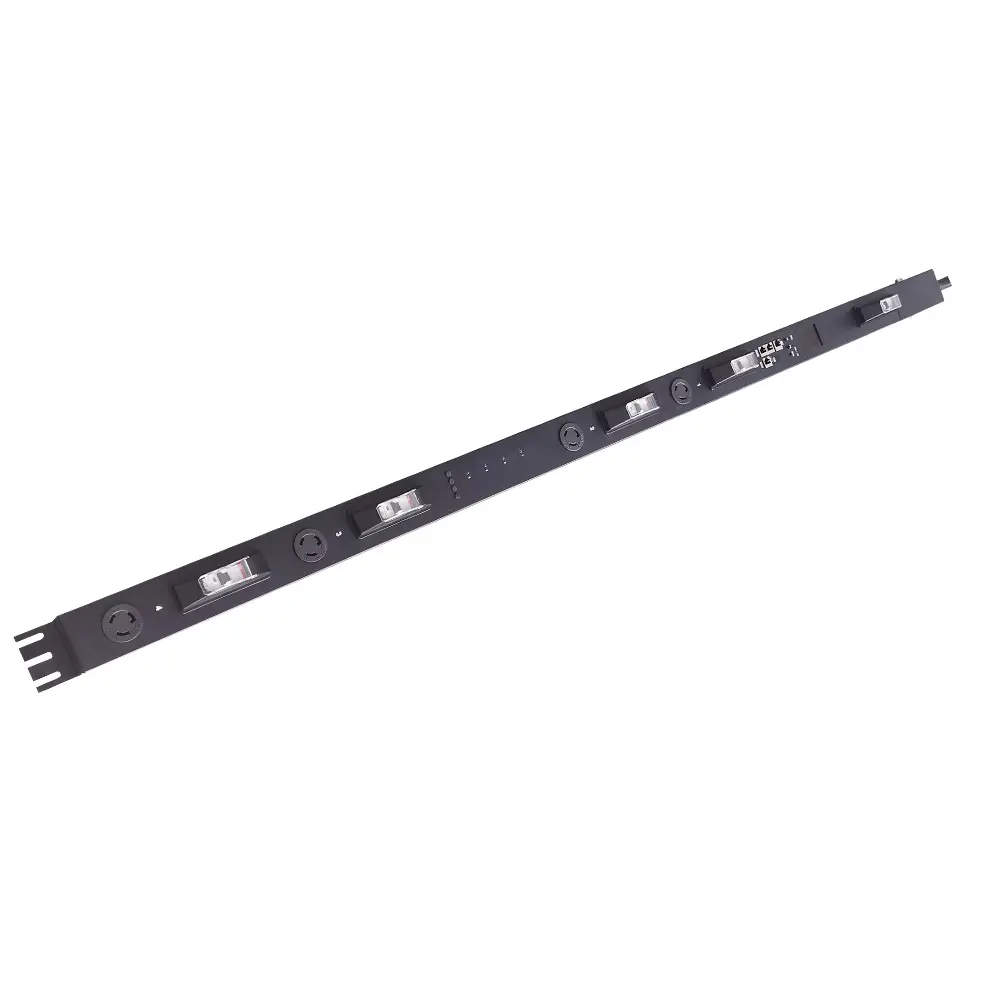
NEMA connectors are the standard in North America, defined by the National Electrical Manufacturers Association. They are available in both non-locking (for general office use) and locking (L-series) designs. Locking NEMA connectors twist to secure the connection, preventing accidental disconnection in IT and industrial environments.
The most common NEMA PDU connectors include:
| NEMA Connector | Voltage Rating | Typical Application |
|---|---|---|
| L6-20 | 250 V | Standard rack PDUs in IT data centers |
| L6-30 | 250 V | Heavy-duty IT equipment and industrial machinery |
| 5-15P / 5-20P | 125 V | Input plugs for small office and entry-level PDUs |
Additional NEMA variants exist for commercial lighting, three-phase power, and high-voltage industrial circuits. YOSUN offers NEMA-compatible PDUs for North American deployments, all certified to UL and CE safety standards.
Commonly called commando connectors, IEC 60309 connectors are built for harsh, high-power industrial environments. They feature rugged construction, environmental sealing, and twist-lock designs to deliver reliable power in demanding conditions.
Key features of commando PDU connectors:
They are the preferred choice for factories, outdoor events, construction sites, and industrial facilities where dust, moisture, and vibration are concerns.
| Feature | IEC 60309 (Commando) | Standard NEMA |
|---|---|---|
| Max Voltage | Up to 1000 V AC/DC | Lower capacity |
| Max Current | Up to 800 A | Lower capacity |
| Primary Use | Industrial, heavy machinery | Residential, light commercial |
| Durability | High impact and environmental resistance | Less robust |
| Environmental Protection | IP-rated for water/dust | Basic safety only |
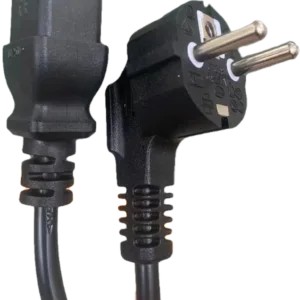
Every PDU has two sides of connectivity, and it is important to distinguish between them when selecting a unit:
The input plug connects the PDU to the facility power source, UPS, or generator. Common PDU input plug types include:
Tip: Always verify the input plug type before installing a new PDU to ensure compatibility with your existing power outlets.
Output receptacles are the sockets on the PDU that power your end devices (servers, switches, monitors, etc.). These are the IEC, NEMA, or commando connectors covered in the previous section. Most rack PDUs use IEC C13/C19 outlets for data center deployments.
PDU connector configurations also depend on whether the unit runs on single-phase or three-phase power. The right choice depends on your total load size.
| Feature | Single-Phase PDU | Three-Phase PDU |
|---|---|---|
| Upfront Cost | Lower | Higher |
| Cabling | Thinner, lighter cords | Thicker, heavier cords |
| Scalability | Requires more units for high loads | Fewer units to power full racks |
| Voltage Options | Typically 120V or 240V | Supports 120V, 208V, and higher |
| Installation | More cables to manage | Fewer cables, cleaner rack setup |
Single-phase PDUs are standard for small offices and home labs. Three-phase PDUs are used in medium and large data centers to deliver higher power capacity more efficiently. YOSUN supports both single- and three-phase configurations with matching connector options.
Follow these guidelines to select the correct connector for your deployment:
YOSUN offers fully configurable PDUs with a full range of connector options to fit unique power requirements. Customers can select input plug type, outlet type and quantity, and add features such as:
All YOSUN PDUs adhere to global safety standards, making them suitable for data centers, telecom rooms, industrial facilities, and commercial deployments worldwide.
IEC 60320 connectors are the global standard for PDU output receptacles, with C13 being the most widely used model for server and IT equipment. C19 connectors are also very common for higher-power devices.
Check the power input label on your device. It will list the required connector type, voltage, and amperage. Match these specifications to the PDU’s outlet ratings for safe, reliable operation.
Yes, as long as the connector’s voltage and amperage ratings match or exceed the load. Reputable PDU manufacturers like YOSUN build connectors to UL, CE, and IEC safety standards for high-power use.
Yes. Manufacturers like YOSUN offer fully custom PDU configurations, including custom input plugs, mixed outlet types, and additional power management features to meet specialized requirements.
There is no single “PDU connector” — instead, PDUs use standardized connector families designed for different regions, power levels, and environments. For most data center and office IT setups, IEC 60320 connectors are the default choice. North American deployments often use NEMA input plugs, and industrial applications rely on rugged IEC 60309 commando connectors.
Understanding connector types and matching them correctly to your equipment and environment is critical for electrical safety, uptime, and long-term reliability.