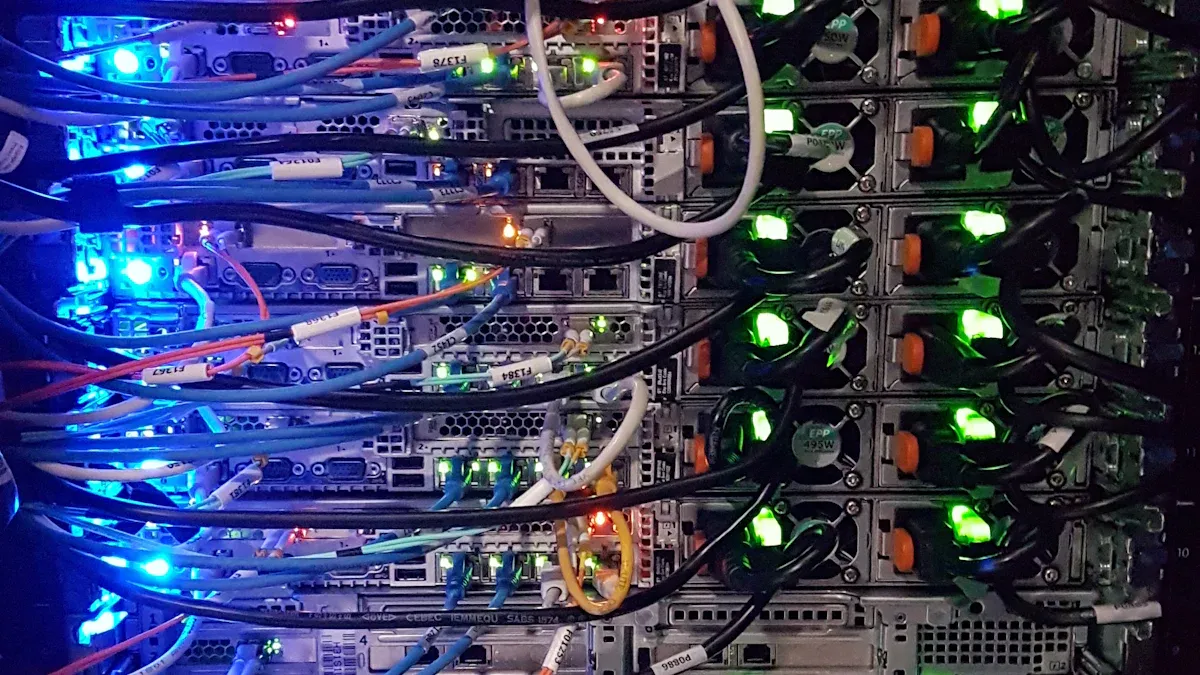
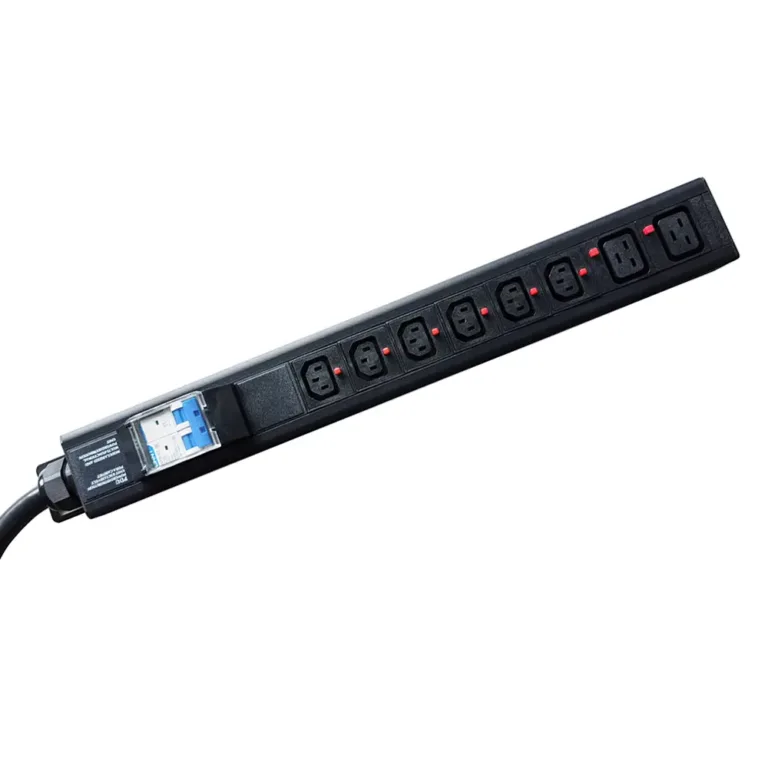
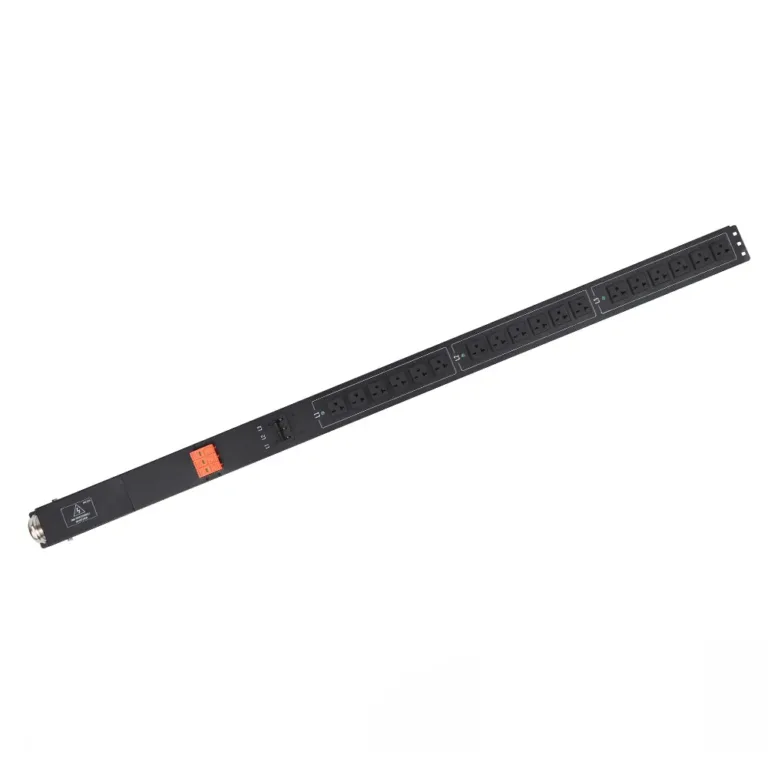
The most common PDU problems in server rooms are circuit overloads, power imbalances, faulty connections and monitoring failures. These issues account for over 40% of unplanned data center downtime and can cause costly equipment damage and data loss.
PDUs are the backbone of data center power infrastructure, but they are often overlooked until a failure occurs. This guide explains the most common PDU problems, their causes and impacts, and proven solutions to prevent them.
Key Takeaways
Circuit overloads are the leading cause of PDU-related server room failures
Real-time power monitoring reduces unplanned downtime by more than 25%
Proper load balancing prevents overheating and extends equipment lifespan
Faulty connections cause 30% of all electrical failures in data centers
Regular preventive maintenance is the most effective way to avoid PDU problems
Most Common PDU Problems and Solutions
1. Circuit Overloads
Overloading is the single most common PDU problem. It occurs when the total power draw of connected devices exceeds the PDU’s rated capacity.
Causes
Adding new equipment without calculating total load
Lack of integration with data center management systems
Disabled or misconfigured alerts
Impacts
Delayed response to developing problems
Small issues escalating into major outages
Inability to identify energy waste
Increased risk of security breaches
Prevention and Solutions
Deploy smart PDUs with real-time monitoring and alerting
Ensure reliable network connectivity for all managed PDUs
Update firmware regularly to patch security vulnerabilities
Integrate PDUs with your DCIM (Data Center Infrastructure Management) system
Test alerts periodically to ensure they are working correctly
5. Firmware Vulnerabilities
As PDUs become more intelligent, they have become targets for cyberattacks. Outdated firmware can contain security flaws that allow attackers to gain access to your data center network.
Causes
Failure to update firmware regularly
Default passwords that are never changed
Unsecured network access to PDU management interfaces
Lack of security patches from manufacturers
Impacts
Unauthorized access to critical infrastructure
Remote shutdown of servers and equipment
Data theft and ransomware attacks
Complete loss of power management capabilities
Prevention and Solutions
Change default passwords immediately after installation
Update firmware regularly with security patches
Restrict network access to PDU management interfaces
Implement multi-factor authentication for remote access
Choose PDUs from manufacturers with a strong security track record
PDU Maintenance Best Practices
Proper preventive maintenance is the most effective way to avoid PDU problems. Follow this schedule to ensure reliable operation:
Frequency
Maintenance Task
Monthly
Check load levels on all PDUs
Monthly
Inspect cables and connections for signs of overheating
Quarterly
Clean PDUs to remove dust and debris
Quarterly
Test all alerts and notifications
Semi-annually
Update firmware on smart PDUs
Annually
Test circuit breakers and fuses
Annually
Conduct a complete power quality audit
⚡ Critical Safety Note: Always disconnect power before performing any maintenance on PDUs. Never work on live electrical equipment unless you are a certified electrician.
Conclusion
PDU failures can lead to downtime, equipment damage, and operational disruptions, but most issues can be avoided through proper load planning, preventive maintenance, and reliable power infrastructure. Choosing the right PDU with monitoring and protection features helps improve power stability, equipment safety, and long-term operational efficiency.
As a professional PDU manufacturer and supplier, YOSUN provides customized rack PDU solutions for data centers, telecom facilities, industrial systems, and OEM projects. Our product range includes basic, metered, monitored, and smart PDUs designed for stable and reliable power distribution in critical environments.
FAQ
What is the most common PDU problem?
Circuit overloads are the most common PDU problem, accounting for approximately 35% of all PDU-related failures. They occur when the total power draw exceeds the PDU’s rated capacity.
How can I prevent PDU overloads?
Use metered or smart PDUs to monitor real-time power usage, always leave 20-30% headroom for peak loads, and distribute devices evenly across all outlets.
What causes PDU connection failures?
Connection failures are most often caused by improper installation, loose connections, incompatible cables, and corrosion. Regular inspection and maintenance can prevent most connection problems.
How often should I check my PDUs?
You should check load levels and connections monthly, perform quarterly cleaning and testing, and conduct a full annual maintenance audit.
Can smart PDUs help prevent downtime?
Yes. Smart PDUs provide real-time monitoring and automated alerts that allow you to identify and fix problems before they cause downtime. Studies show that real-time monitoring reduces unplanned downtime by more than 25%.
Find the best network PDU for your needs with clear tips on features, compatibility, and reliability to ensure safe, efficient power distribution in any setup.
What is a PDU in networking? A Protocol Data Unit (PDU) is a unit of information transmitted across a network, changing names at each OSI layer: segment, packet, and frame.
Select the best PDU for your data center by matching power needs, compatibility, and smart features. Ensure your pdu data center is efficient and future-ready.
Compare budget, mid-range, and premium dual PDU models to find the best fit for your needs. Explore features, prices, and tips for making the right choice.