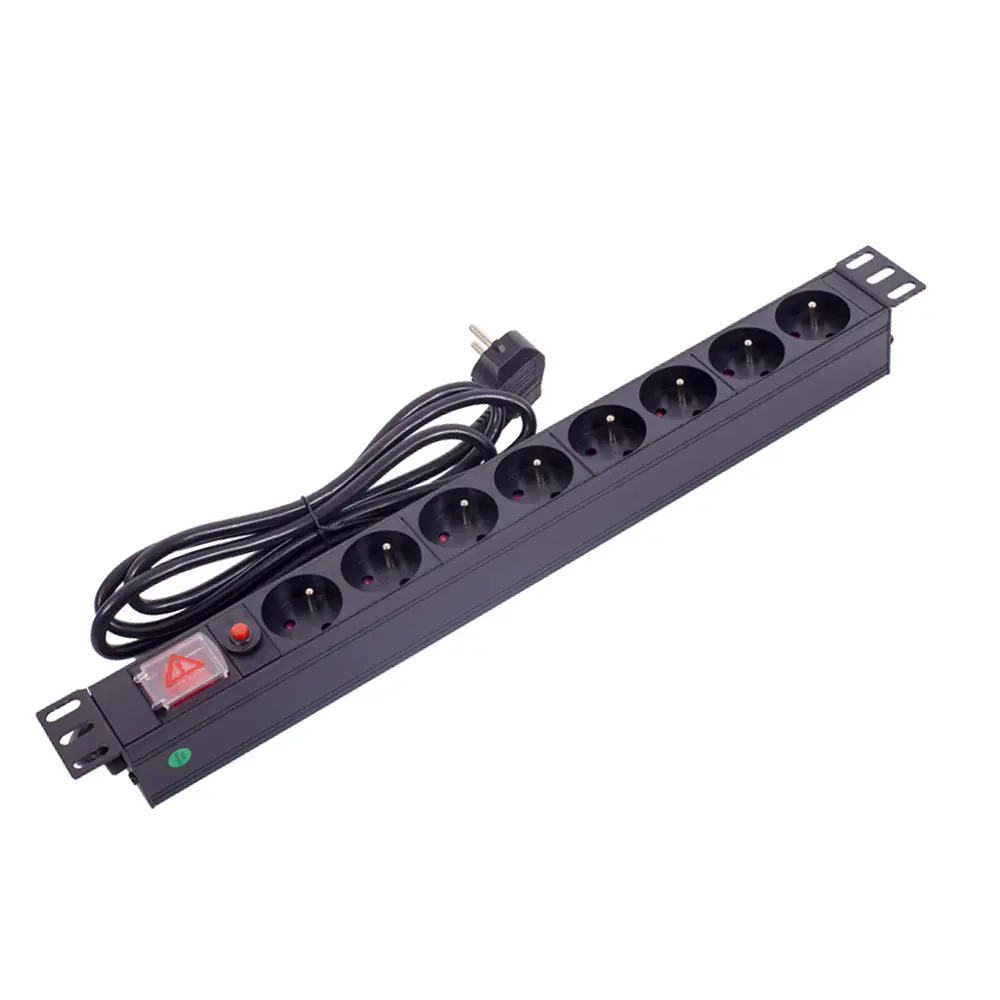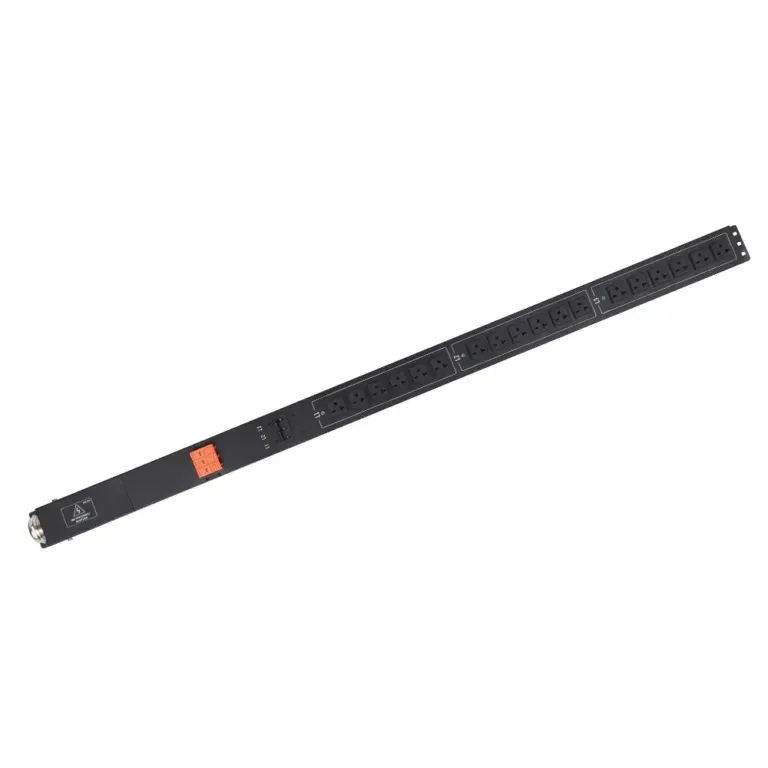
Key Differences Between Cabinet Power Distribution Units Explained
Compare cabinet power distribution unit types—basic, metered, monitored, and switched—to choose the best fit for your data center’s power needs.


+86 15867381241
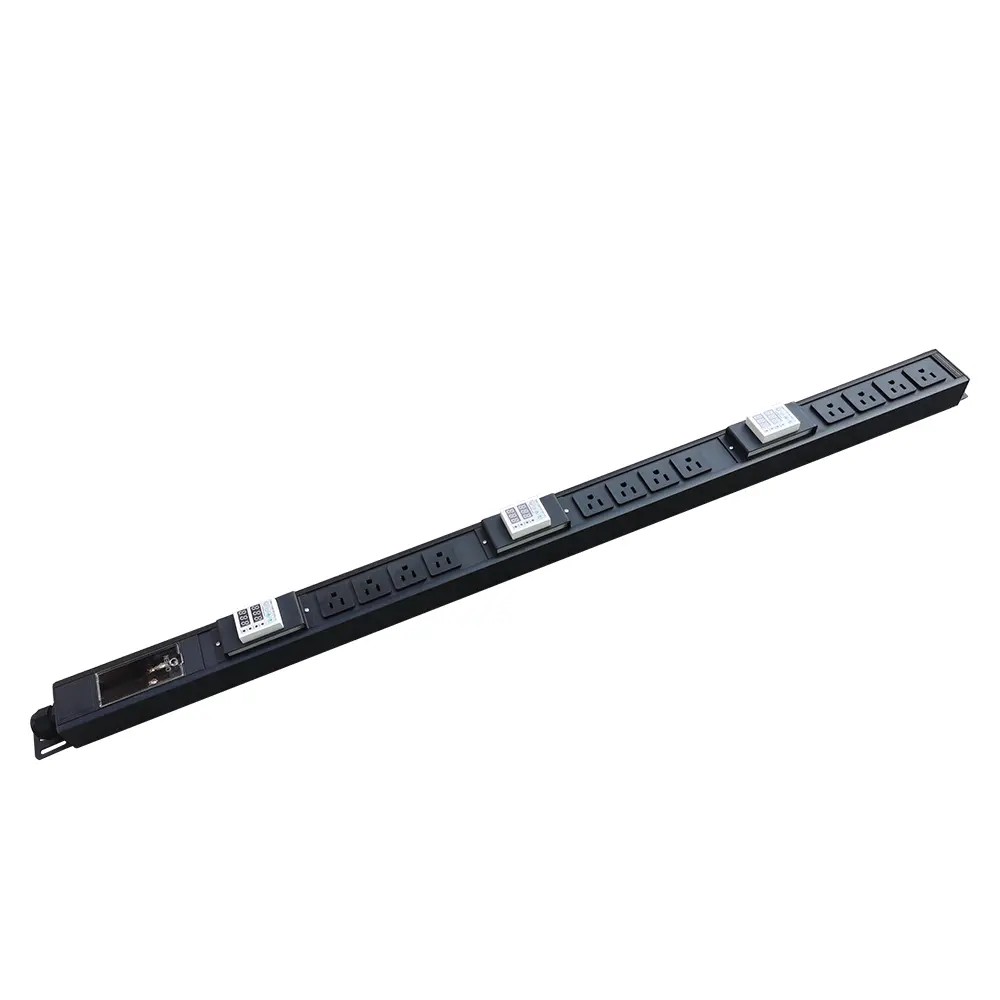
A PDU (Power Distribution Unit) and a PSU (Power Supply Unit) perform different but complementary functions in an IT power system. A PDU distributes incoming AC power from a single source to multiple devices, while a PSU converts AC power into regulated DC power for an individual server, computer, or network device. Because they serve different purposes, they are not interchangeable. Understanding the difference between a PDU and a PSU helps IT professionals design safer, more reliable, and more efficient power distribution systems.
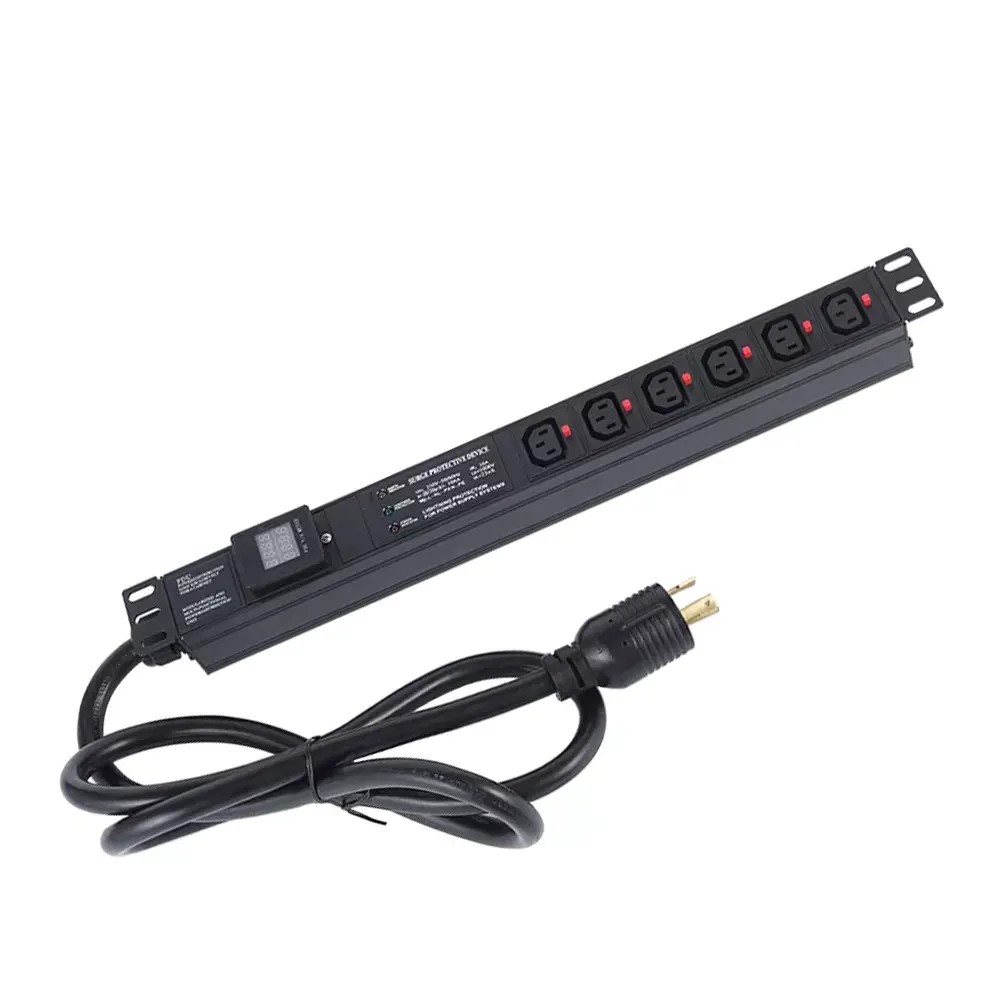
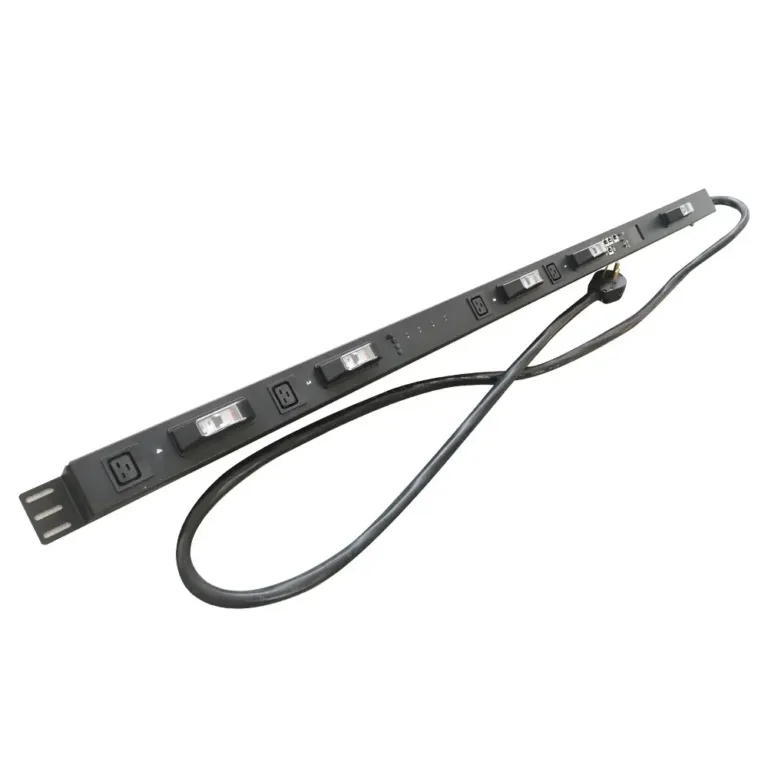
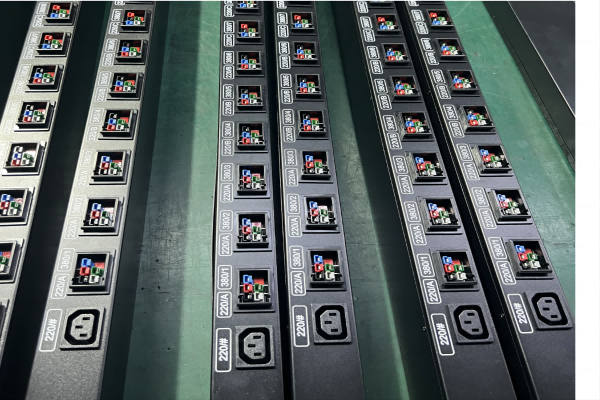
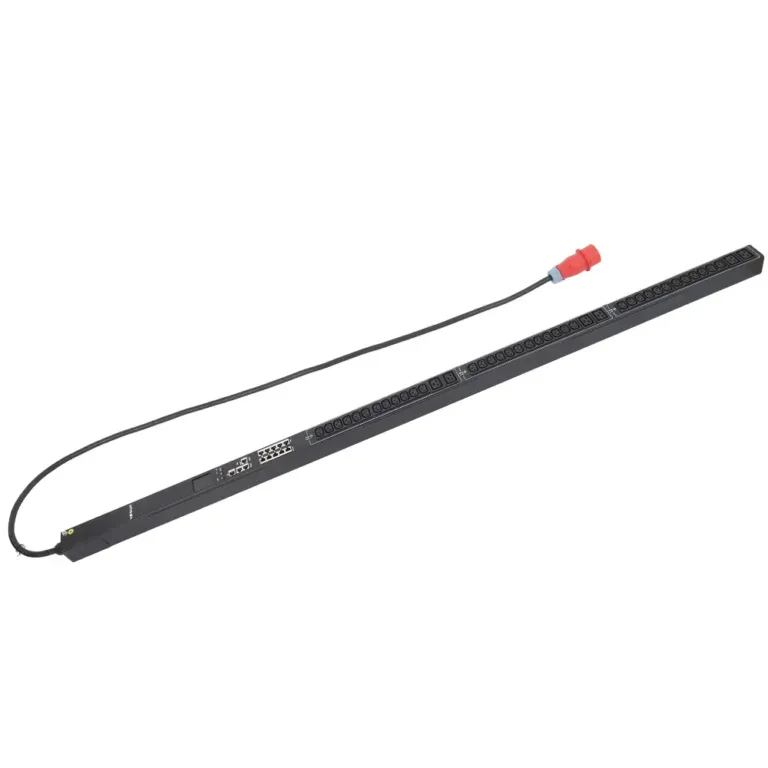
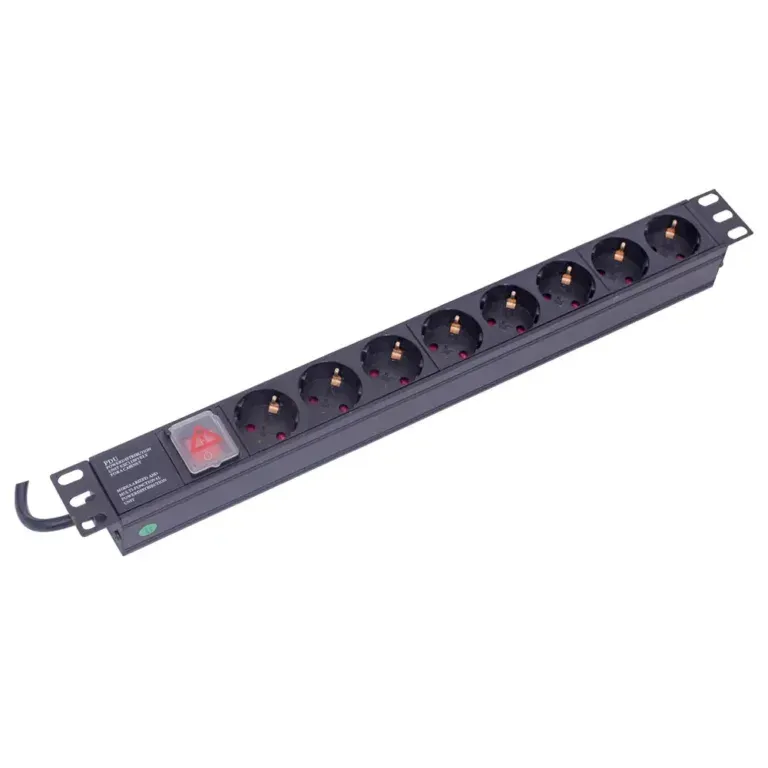
A power distribution unit is a rack-mountable electrical device that delivers organized, reliable power to multiple IT devices. It acts as the central power distribution point for server racks and network cabinets. Basic PDUs provide only power splitting, while advanced models add monitoring, surge protection and remote control capabilities.
NBYOSUN is a leading PDU manufacturer offering a full lineup of rack PDUs, including switched IP models with remote management, surge protection, and durable metal construction, along with custom outlet configurations for global deployments.
A power supply unit is an internal component that converts high-voltage AC wall power into low-voltage, regulated DC power for a computer or electronic device. It is the primary power source for all internal hardware including motherboards, processors and storage drives.
PSU efficiency is standardized under the 80 PLUS certification program. Higher ratings mean less wasted energy, lower heat and lower operating costs.
| Certification | 20% Load Efficiency | 50% Load Efficiency | 100% Load Efficiency | Typical Use Case |
|---|---|---|---|---|
| 80 PLUS Standard | 80% | 80% | 80% | Entry-level consumer desktops |
| 80 PLUS Bronze | 82% | 85% | 82% | Mid-range desktops and small servers |
| 80 PLUS Silver | 85% | 88% | 85% | Business workstations and mid-tier servers |
| 80 PLUS Gold | 87% | 90% | 87% | High-efficiency servers and workstations |
| 80 PLUS Platinum | 90% | 92% | 89% | Enterprise servers and high-density racks |
| 80 PLUS Titanium | 92% | 94% | 90% | Hyperscale data centers and premium enterprise hardware |
PSUs are built into virtually all electronic computing devices including desktop computers, servers, network switches, routers and gaming consoles. They are always device-internal and never used as standalone rack-level power distribution.

| Feature | PDU (Power Distribution Unit) | PSU (Power Supply Unit) |
|---|---|---|
| Primary Function | Distributes incoming AC power to multiple connected devices | Converts AC power into regulated DC power for a single device |
| Installation Location | Rack-mounted, wall-mounted, or floor-standing in server rooms and data centers | Installed inside servers, computers, storage systems, and network equipment |
| Power Management Scope | Supplies power to an entire rack or multiple devices | Powers one individual device |
| Core Capability | Power distribution, load balancing, monitoring, and remote management (on intelligent models) | AC-to-DC conversion, voltage regulation, and circuit protection |
| Typical Applications | Data centers, server racks, network cabinets, and colocation facilities | Servers, desktop PCs, workstations, network switches, and consumer electronics |
| Monitoring Features | Available on metered and intelligent PDUs with real-time monitoring and remote control | Typically unavailable, except for limited status indicators on some enterprise PSUs |
A PDU serves as a centralized power distribution hub. It receives a single AC power input and safely distributes that power to multiple servers, storage systems, switches, and other rack-mounted equipment without changing the voltage or current type.
A PSU, by contrast, is installed inside an individual electronic device. Its job is to convert incoming AC power into stable, regulated DC voltages required by components such as the motherboard, CPU, memory, storage drives, and cooling fans.
Rather than competing products, PDUs and PSUs work together within the same power chain. In a typical server rack, the PDU receives power from the facility supply or UPS and distributes it to every connected device. Each server, storage system, or network switch then uses its own PSU to convert that AC power into the DC power required for operation.
The typical power flow is:
Utility Power → UPS (Optional) → PDU → Server/Network Device → PSU → Internal Components
In short, a PDU powers the rack, while a PSU powers each individual device.
Yes. In nearly every server room or data center, both are essential. A PDU organizes and distributes power to multiple devices, while every server and network device relies on its own PSU for AC-to-DC conversion. Since they perform different functions, one cannot replace the other.
PDUs and PSUs operate at entirely different layers of IT power infrastructure: PDUs handle rack-level distribution to many devices, while PSUs handle device-level power conversion for individual machines. They are complementary components, not competing alternatives.
For reliable rack-level power distribution, NBYOSUN provides certified, configurable PDUs ranging from basic models to full-featured smart switched units. It also offers custom PDU solutions designed to meet specific outlet configurations, power requirements, and deployment needs, suitable for everything from small network closets to large enterprise data centers.
A power distribution unit distributes a single incoming power feed to multiple outlets, supplying organized power to servers, network gear and other rack equipment. Advanced models add monitoring and remote control for better power management.
Power supply units are installed inside the casing of computers, servers, network switches and other electronic devices. Each PSU provides converted, regulated DC power to one individual device.
Power monitoring lets teams track real-time energy use, identify overloaded circuits, plan capacity expansion and reduce wasted energy. It also enables faster fault detection to prevent unplanned downtime.
Yes. Standard PDU outlet cables work with all standard server and network device power inputs. Different plug types and cable lengths are available to match specific equipment requirements.
Start by calculating total required power and counting the number of devices. Choose a PDU with sufficient outlet count and load capacity, then select a feature tier (basic, metered, switched) that matches your management needs. Verify rack dimensions and certification requirements for your facility.