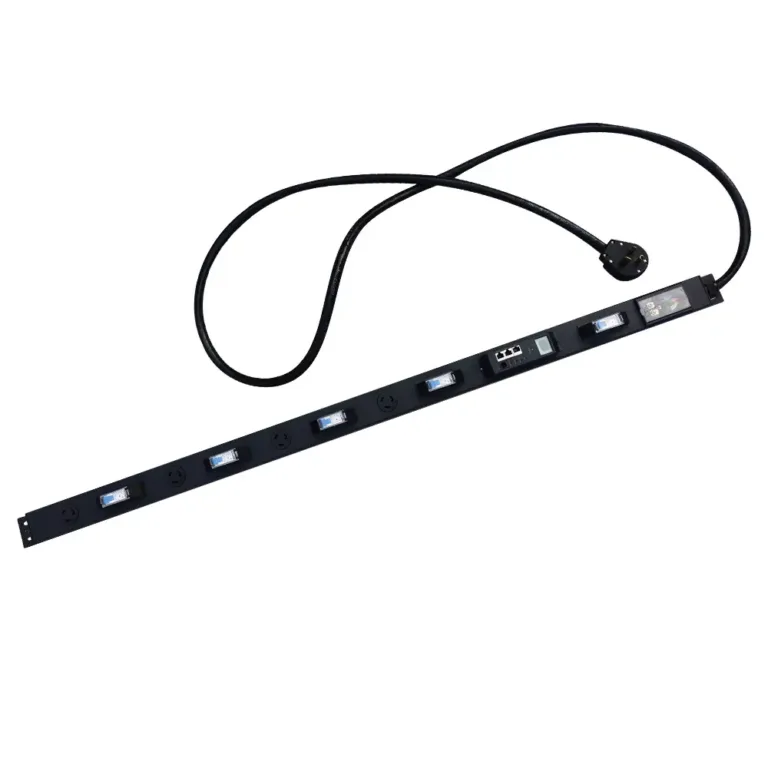
How to Choose the Best Switched PDU for Your Needs
Choose the best switched PDU by assessing power needs, scalability, and remote management features for efficient data center operations.


+86 15867381241
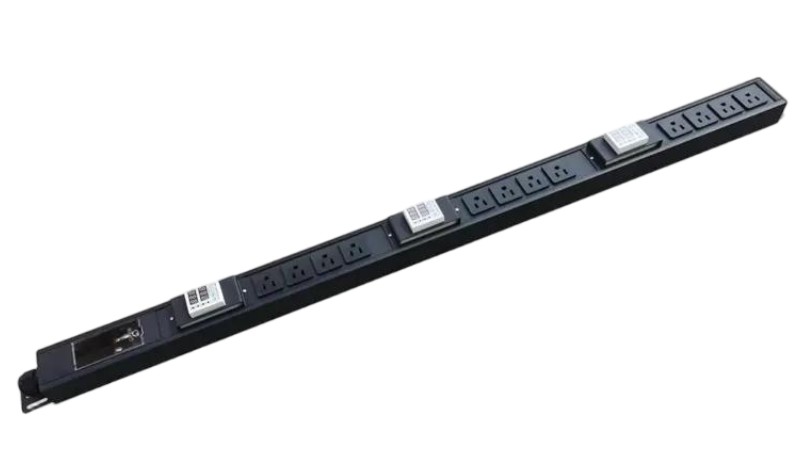
A power distribution unit (PDU) typically lasts between 8 to 15 years, depending on its design, operating conditions, and maintenance practices. Understanding its life expectancy helps data center, server room, and industrial facility managers plan maintenance schedules, reduce downtime, and optimize replacement costs.
Most standard PDUs are designed to operate reliably for 8 to 15 years. Premium-grade units built with high-quality components and rigorous quality control can remain in service for up to 40 years. In operational terms, many PDUs are rated for approximately 100,000 hours of continuous use before major components require replacement.
Manufacturers typically express product reliability through Mean Time Between Failures (MTBF). A higher MTBF rating indicates fewer breakdowns over the unit’s lifetime. Warranty length is another useful indicator — longer warranties generally reflect greater manufacturer confidence in long-term performance.
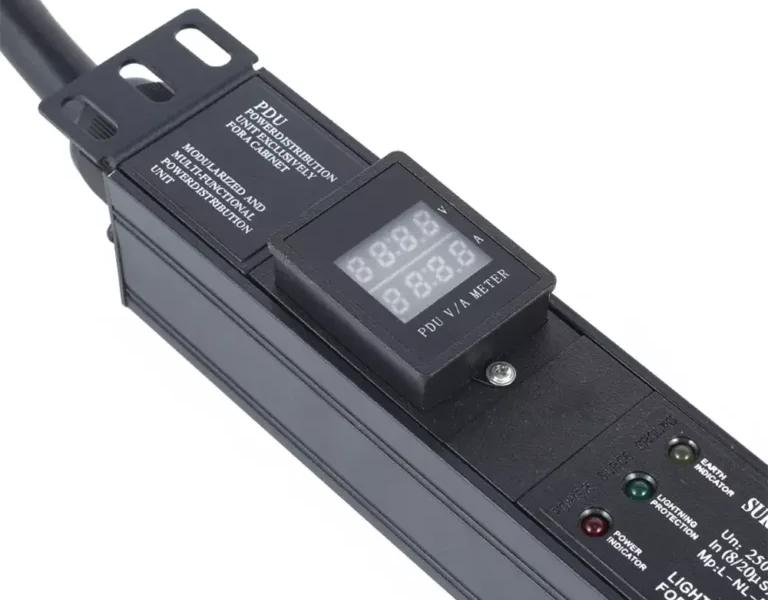
Not all PDUs offer the same longevity. The type of PDU and its built-in features play a significant role in how long it remains functional and effective.
| PDU Type | Key Features | Lifespan Advantage |
|---|---|---|
| Basic PDU | Simple power distribution, no monitoring | Durable with minimal maintenance |
| Metered PDU | Real-time power usage monitoring | Early problem detection extends life |
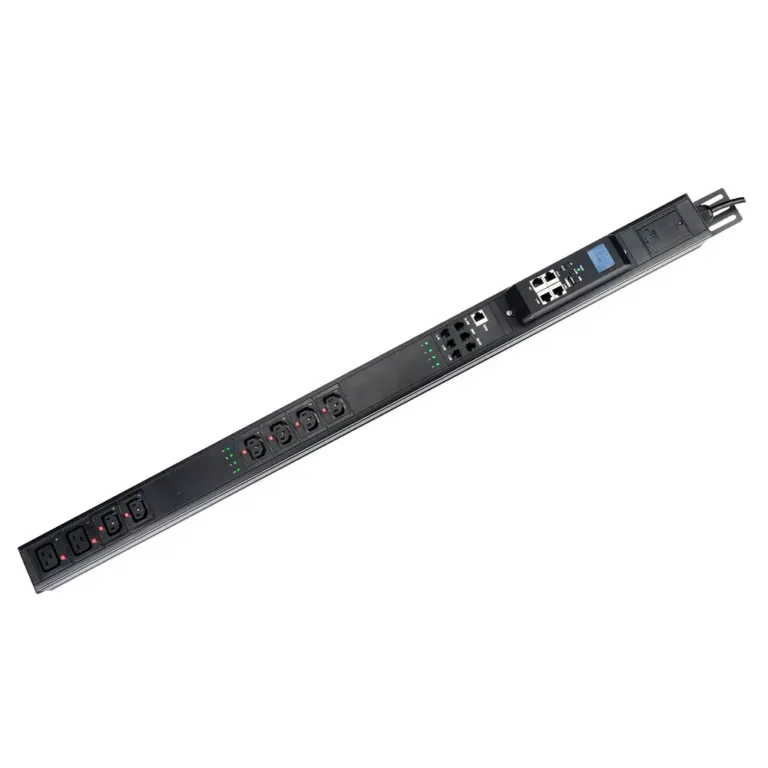
| Smart PDU | Remote management, automated alerts | Proactive protection reduces wear |
Smart and metered PDUs allow operators to identify overloads, thermal stress, and unusual power consumption before they cause hardware damage — directly contributing to a longer service life.
Certifications are a reliable indicator of a PDU’s build quality, safety compliance, and expected durability.
| Certification | Region | What It Ensures |
|---|---|---|
| ISO9001 | International | Consistent manufacturing quality |
| UL Listed | North America | Protection against fire and electric shock |
| CE Mark | European Union | Compliance with EU safety and low-voltage directives |
| RoHS | EU and global | Restriction of hazardous materials |
| VDE | Germany / Europe | Verified electrical safety and performance |
| IEC CB Scheme | International | Multi-country safety standard compliance |
| FCC | United States | Electromagnetic interference compliance |
| UKCA Mark | Great Britain | Post-Brexit UK regulatory compliance |
Tip: When selecting a PDU, prioritize units that hold multiple certifications. This confirms the product has been independently tested for safety, performance, and environmental compliance.
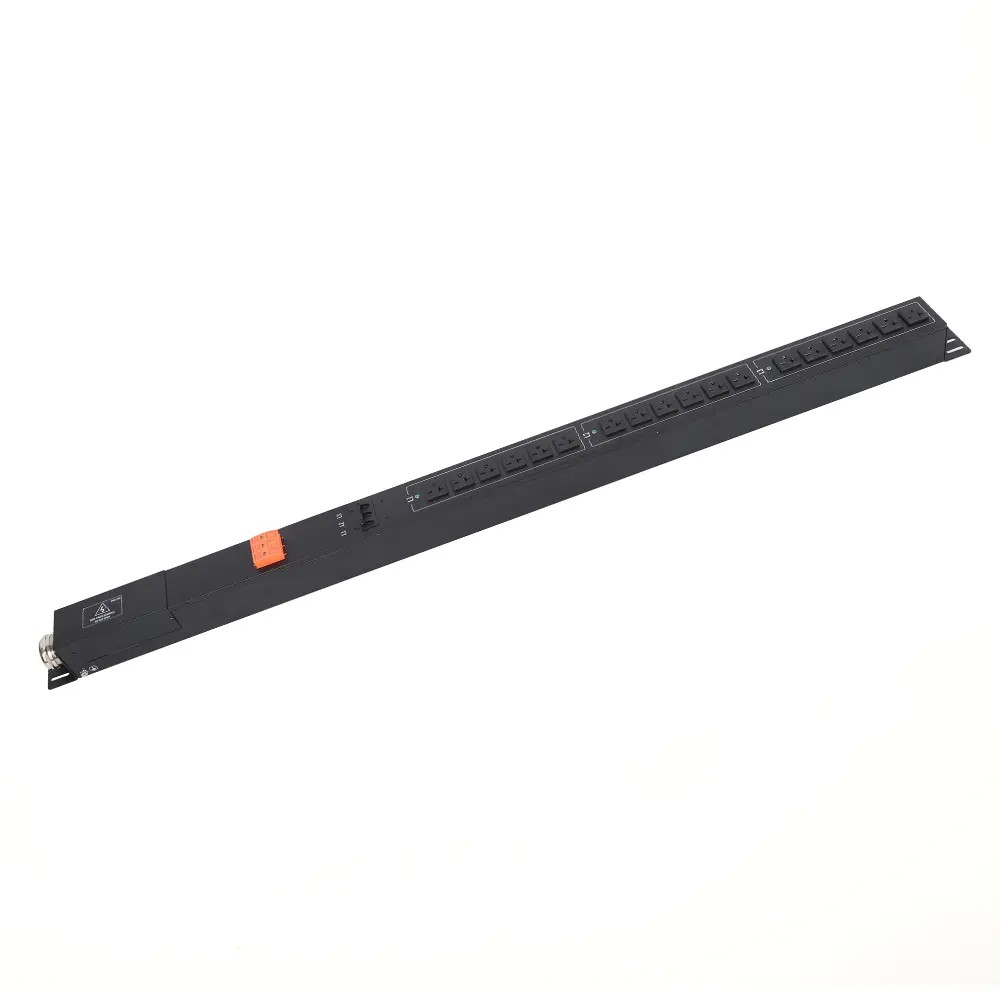
The operating environment has a direct impact on PDU longevity. Key environmental risks include:
Best practice: Install PDUs in climate-controlled environments. Monitor temperature and humidity levels continuously, and ensure adequate airflow around the unit.
Operating a PDU consistently near its maximum rated capacity accelerates wear on internal components. Key considerations include:
Improper installation is a common but preventable cause of reduced PDU lifespan. Issues such as loose connections, unprotected cabling, and inadequate grounding can cause thermal hotspots and safety hazards that may not become apparent for months or years. Poor installation has been shown to reduce energy efficiency by up to 15%, which also accelerates component degradation.
Installation best practices include:
Regular maintenance is one of the most effective ways to extend PDU life. Equipment that is not routinely inspected is statistically three times more likely to experience unexpected failures.
Recommended maintenance schedule:
| Task | Frequency | Purpose |
|---|---|---|
| Cleaning (dust removal) | Monthly | Prevents thermal buildup |
| Wiring inspection | Quarterly | Identifies loose or degraded connections |
| Alarm and safety system testing | Semi-annually | Confirms protection systems are functional |
| Full condition assessment | Annually | Evaluates overall unit health |
Tip: Annual infrared thermography scans can detect hot spots in connections and components before they cause failures — a cost-effective preventive measure.
Proper Installation: Follow PDU manufacturer guidelines during installation. Ensure correct grounding, cable protection, and surge suppression from the outset. A correctly installed PDU avoids many of the most common failure modes.
Load Management: Implement load shedding protocols to reduce demand during peak periods. In multi-phase installations, balance loads evenly across all phases to minimize thermal stress.
Remote Monitoring: Smart PDUs allow real-time visibility into power consumption, temperature, and load levels from a remote management interface. This enables early intervention when anomalies are detected, reducing the risk of unplanned downtime.
Scheduled Preventive Maintenance: Establish a formal maintenance schedule and document all inspection findings. Consistent records make it easier to identify trends, plan replacements, and justify maintenance expenditure.
Even with excellent maintenance, PDUs have a finite operational life. Consider replacement when the following signs appear:
Most PDUs last between 8 and 15 years under normal conditions. Well-maintained, high-quality units can operate for 40 years or more.
Environmental conditions — particularly temperature and humidity — combined with load management and maintenance frequency are the most influential factors.
Yes. Metered and smart PDUs enable continuous monitoring, which helps detect problems early and reduces the risk of damage from overloads or environmental stress.
Common indicators include recurring alarms, overheating, visible corrosion, reduced performance, or a unit age beyond its rated service life.
Certified PDUs have been independently tested to meet safety and performance standards. This reduces the risk of premature failure and ensures the unit is suitable for demanding environments.
Some PDUs are specifically designed for elevated-temperature environments, using materials and thermal management systems suited to data centers or industrial settings. Always verify the operating temperature range in the product specifications.