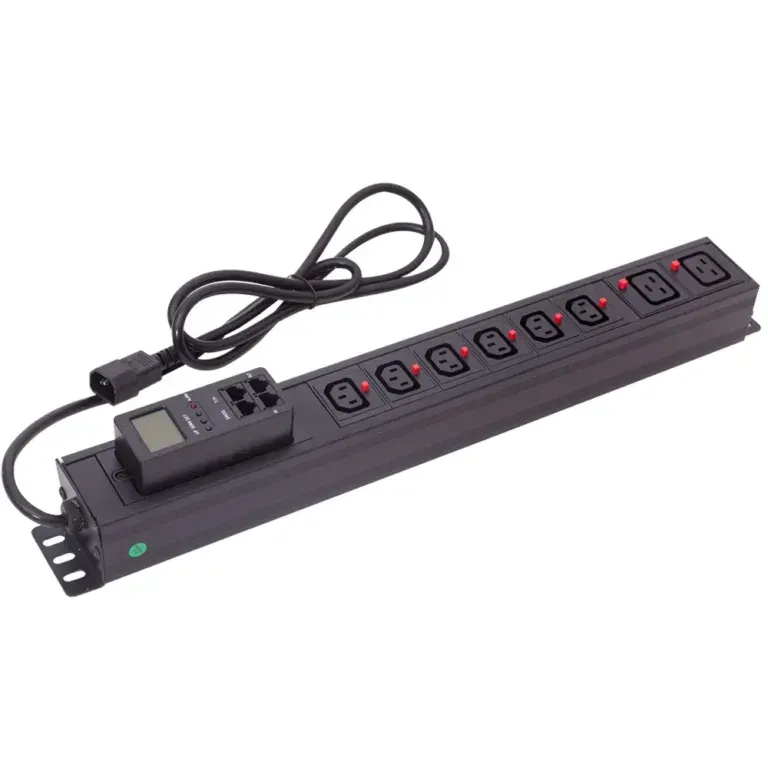
How to Install a Vertical Rack Mount PDU Step by Step
Install a vertical rack mount PDU with this step-by-step guide. Ensure proper placement, secure mounting, and efficient cable management for optimal performance.


+86 15867381241
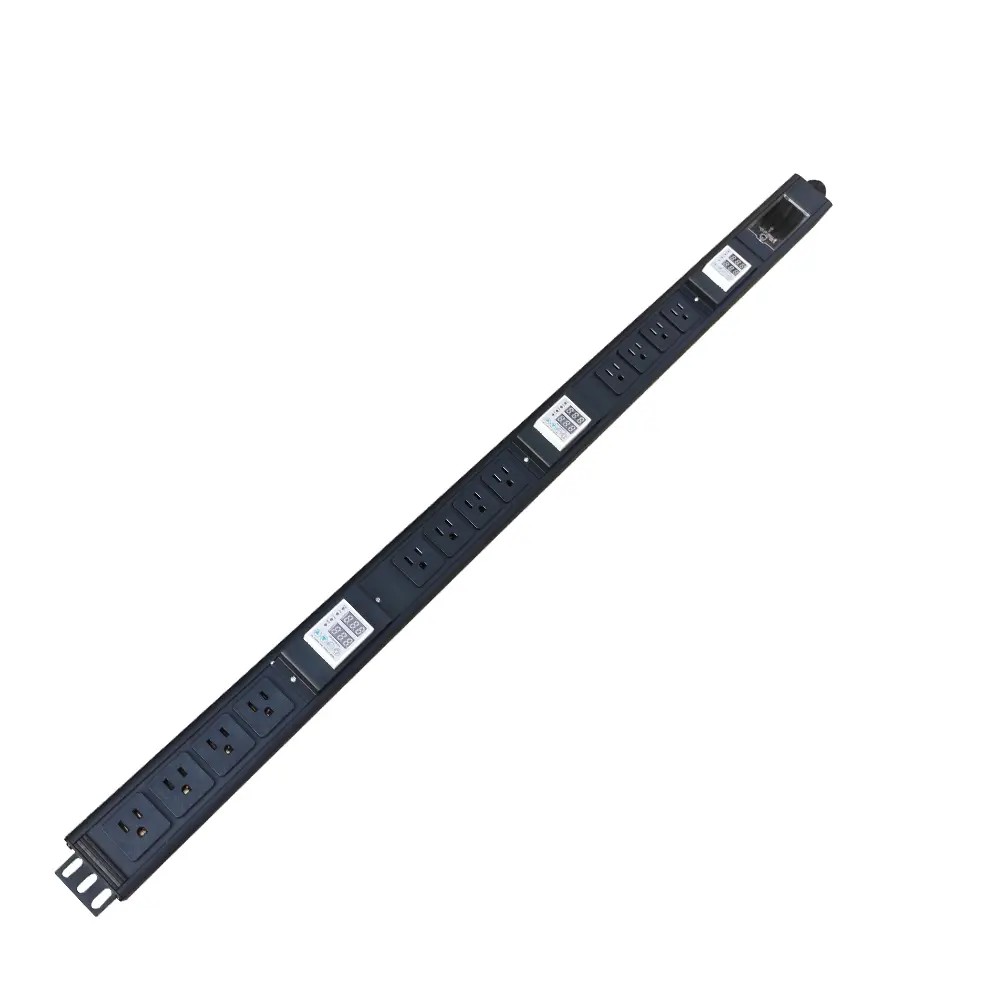
IT environments vary widely in power requirements: small server rooms only need basic power distribution, while high-density data centers demand stable, secure and scalable power infrastructure to support mission-critical equipment. Off-the-shelf Power Distribution Units (PDUs) often fail to fit unique load, layout and compliance needs, making custom PDU solutions a practical choice for modern IT setups.
Accurate load planning is the foundation of any custom PDU configuration. Different IT environments—from standard enterprise racks to high-density AI and HPC deployments—can have dramatically different power requirements. Selecting a PDU with insufficient capacity increases the risk of overloads, while oversizing can lead to unnecessary costs.
When designing a custom PDU, engineers typically evaluate:
A common best practice is to include sufficient headroom for future growth rather than sizing the PDU only for current demand. Intelligent custom PDUs with real-time monitoring further help operators track utilization, identify load imbalances, and maintain reliable power distribution as workloads change.
Rack design directly affects power delivery efficiency and maintenance convenience. Custom PDUs can be adapted to specific rack dimensions, installation positions and cable routing plans, balancing cost, maintainability and future upgrade space.
A well-planned layout paired with a tailored PDU delivers three core benefits:
Professional manufacturers typically use CAD prototyping and pre-production testing to ensure the custom PDU fits perfectly into the target rack setup.
IT infrastructure evolves rapidly, driven by trends like edge computing, AI high-performance computing and modular data centers. A high-quality custom PDU should support current needs while leaving room for future growth.
Modern custom PDU systems often integrate IoT connectivity for remote monitoring and predictive maintenance. Modular, scalable designs allow teams to add outlets or upgrade functions incrementally, avoiding costly full-system replacements as workloads grow.
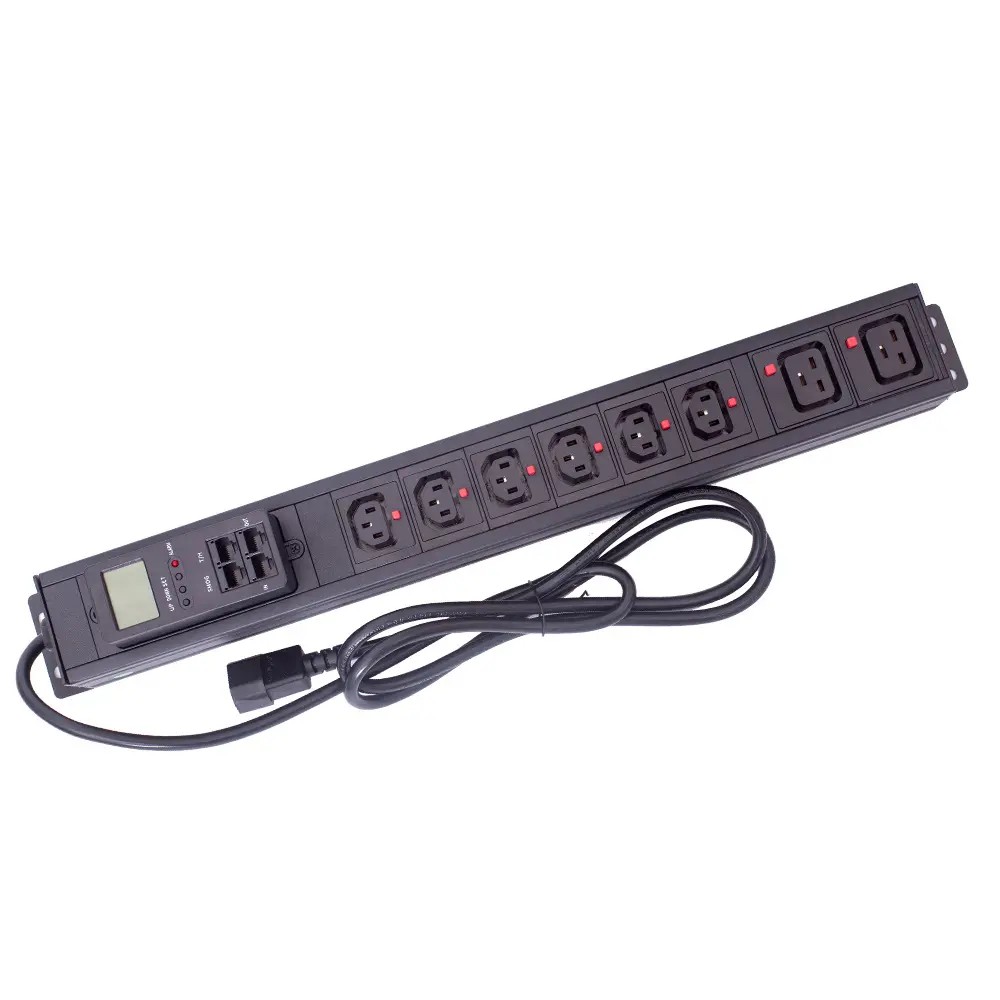
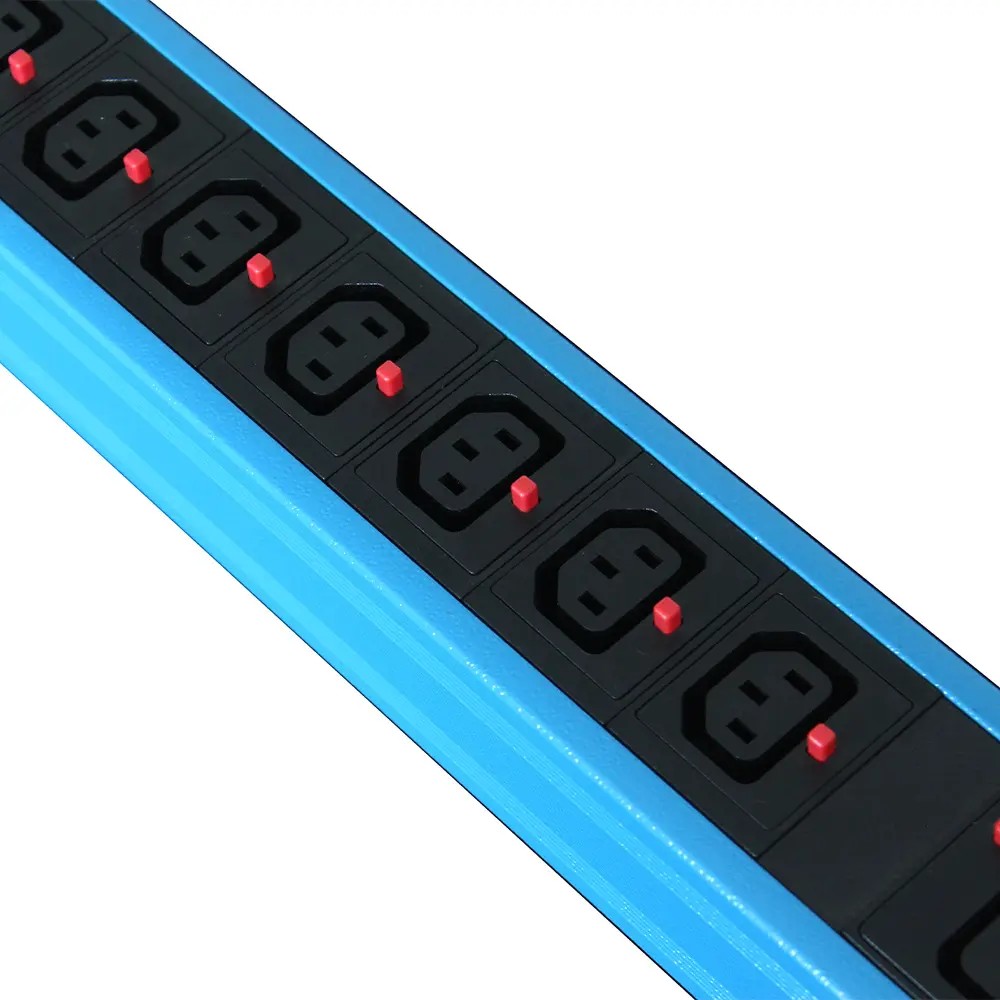
Connection interfaces are the most basic customization item, designed to match local voltage standards and equipment plug types.
| Connection Type | Common Options |
|---|---|
| Input Connections | C-Form sockets, industrial plugs, direct panel inputs |
| Output Connections | IEC C13, IEC C19, Neutrik powerCon, regional standard sockets |
Different regions use distinct plug and voltage standards: North America uses Type A/B, Europe uses Type C/E/F, and the UK uses Type G. Customized interfaces avoid adapter compatibility issues and reduce electrical safety risks.
Custom PDUs can be configured with different functional levels to match usage scenarios and budgets:
For intelligent IT environments, custom PDUs can be equipped with network connectivity and environmental sensors. Common network protocols include Modbus, Ethernet and RS232, with management access via WebUI, SNMP or RESTful API.
Built-in sensors for temperature, humidity and airflow can trigger instant alerts when thresholds are exceeded, helping teams resolve issues before they cause equipment damage or downtime.
Data centers require 24/7 uptime and support for continuously rising power densities. Custom PDUs address core pain points like high load, multi-brand equipment compatibility and power quality management.
The table below shows how custom pdu features help:
| Custom Feature | Core Benefit |
|---|---|
| Flexible voltage options | Adapts to high-performance server power requirements |
| Isolated circuit configurations | Reduces electromagnetic interference and improves reliability |
| Advanced harmonic filtering | Prevents power quality issues and downtime |
| High-accuracy energy metering | Supports precise power planning and cost allocation |
| Power quality monitoring | Detects anomalies early to maintain stable operation |
| Circuit breaker trip forensics | Helps manage power events and prevent repeat failures |
Edge computing sites typically have limited space, harsher operating environments and higher power density than standard IT racks (often 10–15kW per rack, compared to 3–5kW for regular IT gear).
Custom PDUs for edge sites prioritize remote management capability, wide temperature tolerance and self-recovery features, allowing stable operation with minimal on-site maintenance.
Industrial IT environments have strict safety and compliance requirements. Custom PDUs for industrial use must meet rigorous global standards to ensure reliability in demanding conditions.
The table below lists these standards:
| Compliance Standard | Purpose |
|---|---|
| ISO 9001 | Quality management system certification |
| UL | International electrical safety standard |
| CE | European Union safety compliance |
| GS / VDE | German electrical safety marks |
| RoHS | Hazardous substance restriction standard |
Regular maintenance and built-in safety interlocks further ensure long-term safe operation in industrial settings.
The quality of the PDU manufacturer directly determines the performance and reliability of the final custom PDU. When evaluating partners, focus on four key dimensions:
Custom PDUs are a high-value solution for IT environments with unique power needs, especially high-density data centers, edge computing sites and industrial facilities where standard PDUs cannot meet requirements.
When planning a custom PDU, prioritize matching current load demands, reserve modular expansion space, and never compromise on safety certifications and build quality. Partnering with an experienced, compliance-focused manufacturer will ensure the custom solution delivers reliable performance and supports long-term IT infrastructure growth.
A custom PDU is a power distribution unit built to match specific load, interface and functional requirements, designed for unique IT environments like high-density server racks or edge computing sites.
Custom PDUs cover a wide range: from 7–10kW for standard IT racks to over 130kW for high-density AI/GPU computing racks, configured based on actual site needs.
Common smart features include real-time power metering, per-outlet monitoring, remote outlet control, and environmental sensors for temperature and humidity tracking.
Yes. Most custom PDUs use modular designs, allowing you to add outlets or upgrade functions as IT needs grow, avoiding costly full device replacement.
Prioritize globally recognized certifications including ISO 9001, CE, UL and RoHS to verify electrical safety, material compliance and quality management standards.