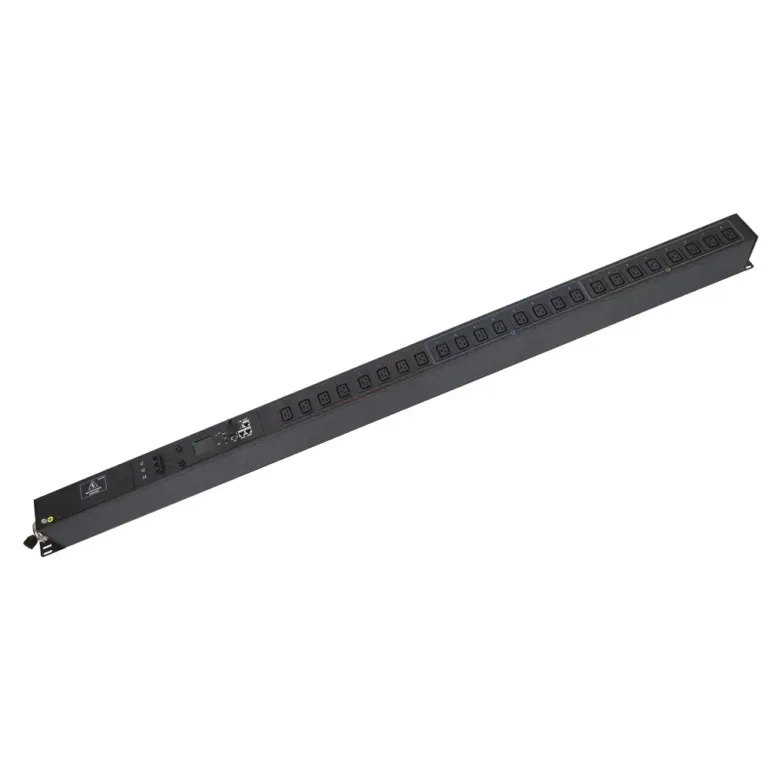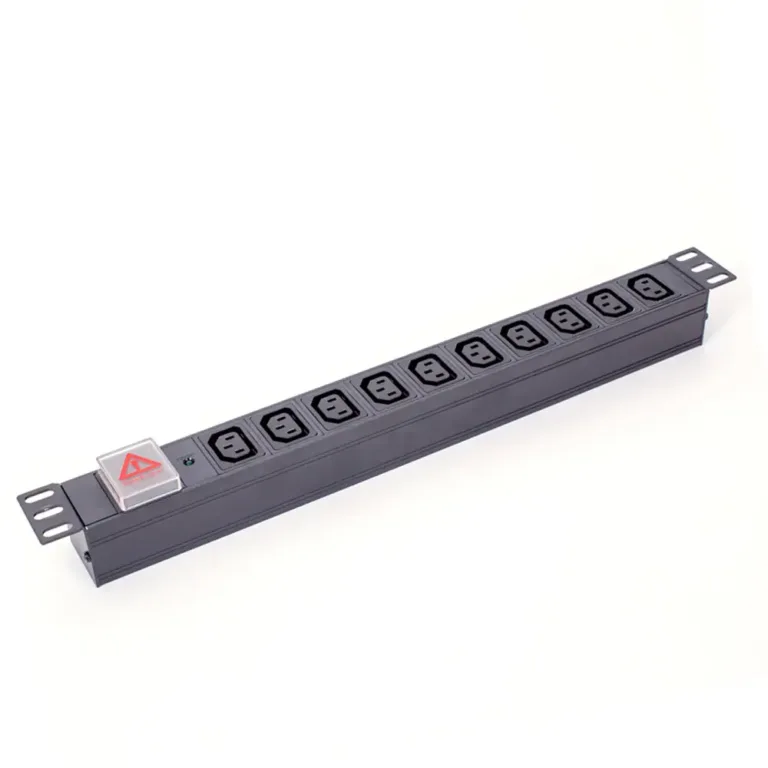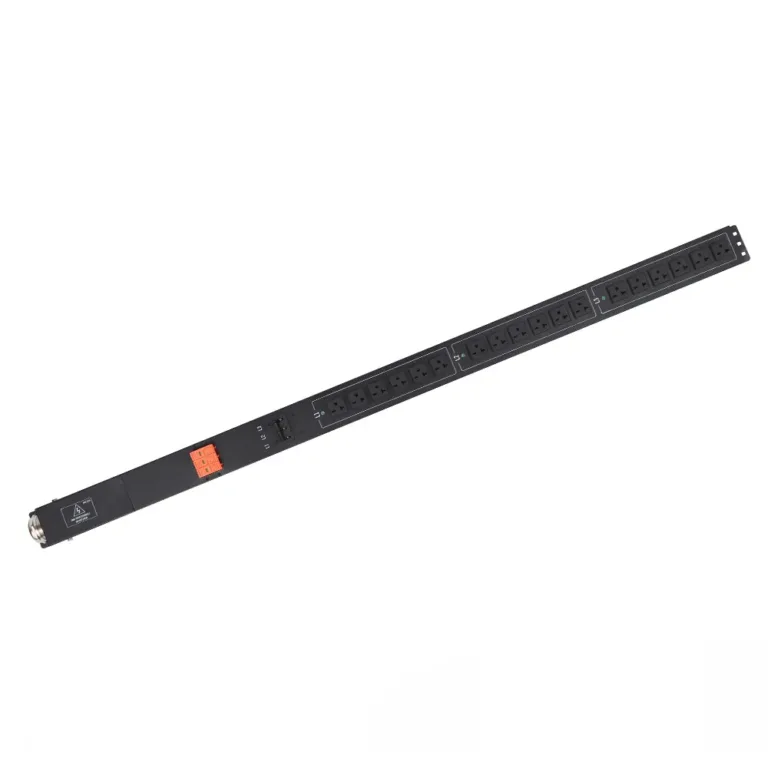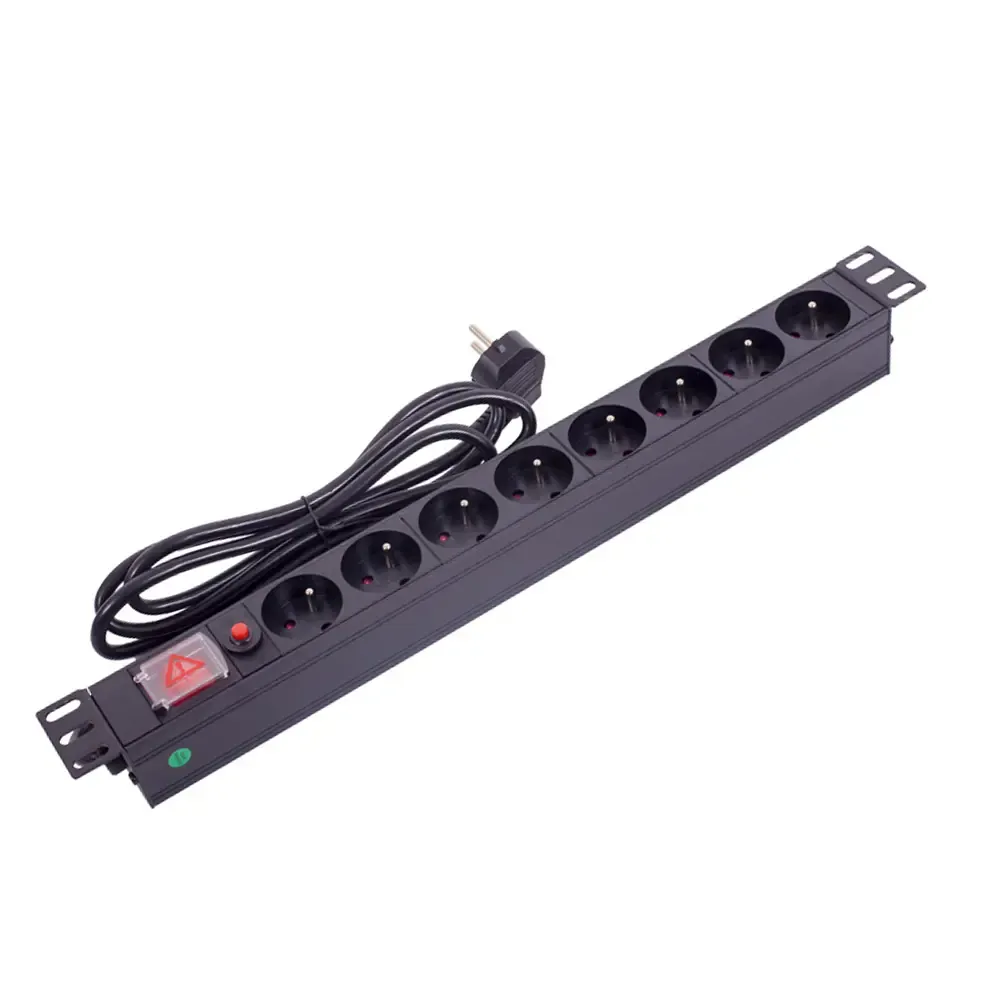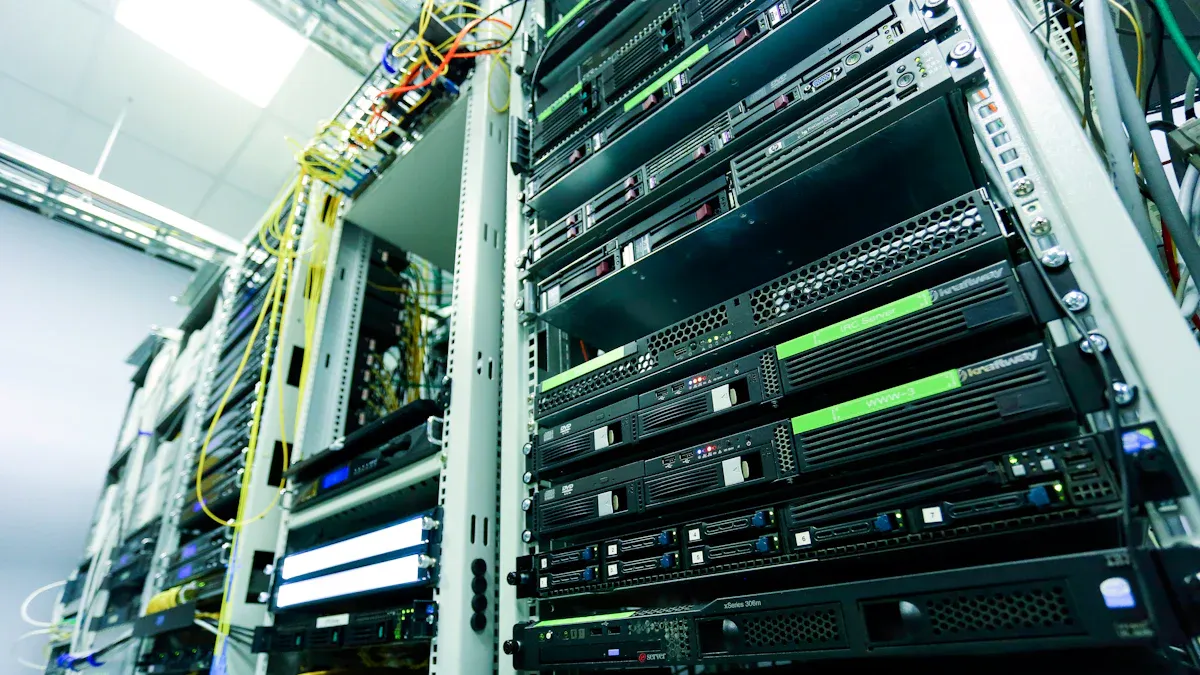
Unlocking Efficiency with Rack Mounted PDUs for Server Rooms
Rack mounted PDUs deliver efficient power, reduce downtime, save energy, and streamline cable management for modern server rooms.


+86 15867381241
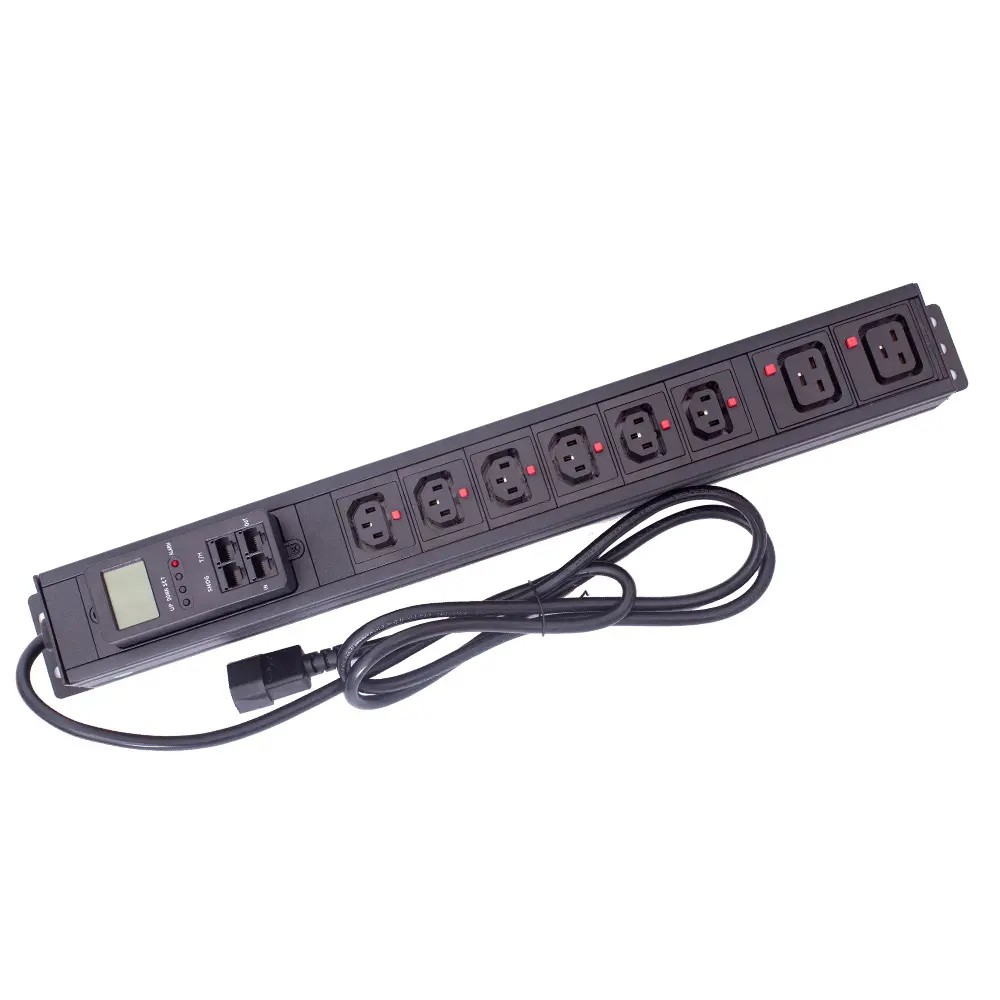
Smart PDUs are the category of PDUs designed with built-in remote management and monitoring capabilities for data center environments. Unlike basic PDUs that only distribute power, smart PDUs connect to the network to deliver real-time power data, remote outlet control, and environmental sensing, allowing teams to manage rack power from any location without on-site access.
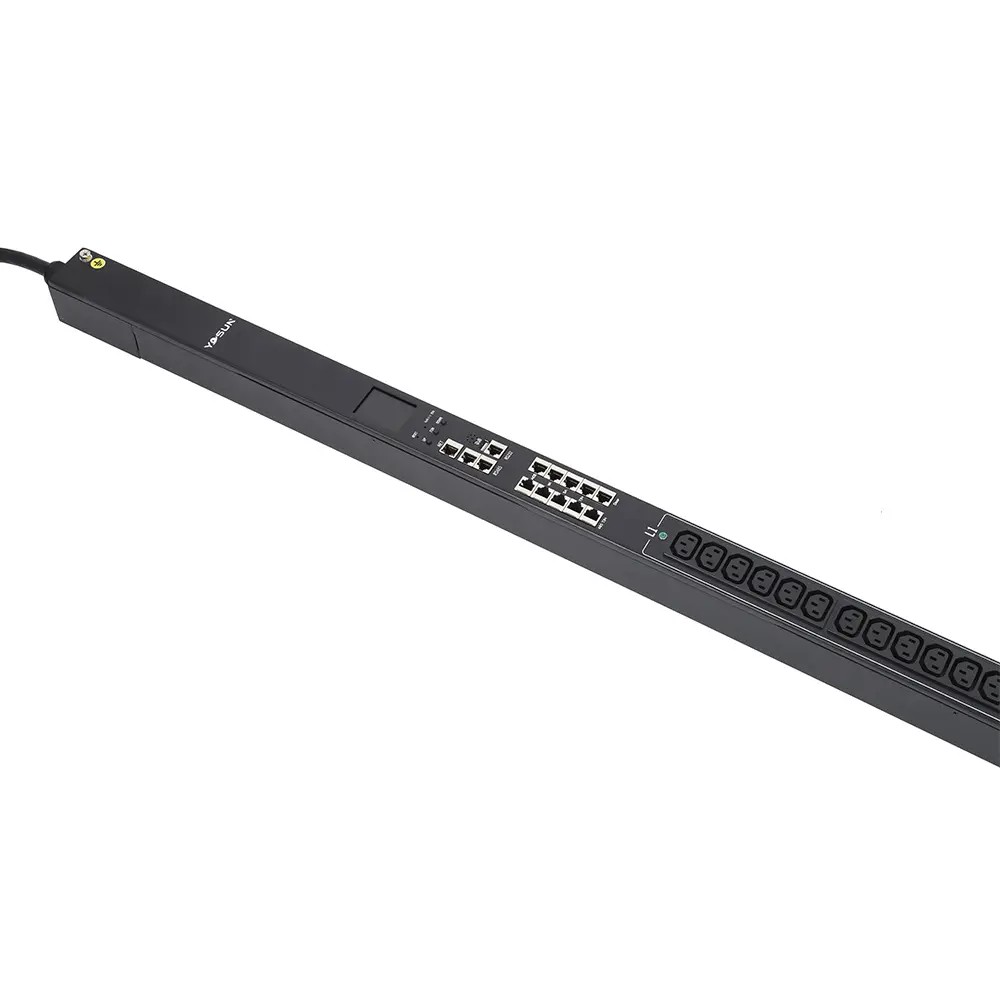
A power distribution unit (PDU) is the core rack-level device that distributes electrical power to servers and IT equipment in data centers. Basic PDUs only deliver power with no visibility or control features. Remote management PDUs (also called intelligent PDUs) add network connectivity and embedded sensors to enable off-site monitoring and control.
These devices connect to the data center network to transmit real-time power metrics, send automated alerts for anomalies, and allow authorized staff to adjust power settings remotely. They are a foundational component of modern data center infrastructure, supporting efficiency, reliability, and streamlined operations.
A remote management PDU connects to the data center network through Ethernet or another supported interface, allowing IT teams to monitor rack power remotely. It can collect data such as power consumption, voltage, current, circuit status, and environmental conditions, then display this information through a web interface or management software.
Depending on the model, users can also review alarms and event logs, manage outlet power, and integrate the PDU with DCIM platforms for centralized monitoring.
Common remote management protocols include:
| Protocol | Primary Use |
|---|---|
| HTTP/HTTPS | Web-based monitoring and configuration |
| SNMP | Power monitoring, alerts, and DCIM integration |
| SSH | Secure command-line administration |
| REST API | Automated monitoring and outlet control |
There are three primary types of intelligent PDUs that offer remote management functionality, each designed for different use cases and operational needs.
Monitored PDUs focus on remote power visibility. They track incoming power metrics and provide real-time data on current, voltage, energy use, and load balance at the inlet level.
Key features of monitored PDUs:
Switched PDUs add remote outlet-level power control on top of monitoring capabilities. Authorized staff can turn individual outlets on or off remotely, reboot unresponsive devices, and manage power sequencing.
Switched PDUs allow teams to restart unresponsive servers without traveling to the site, drastically reducing mean time to recover from minor outages. They also support load shedding for non-critical equipment during power events.
Outlet-metered PDUs deliver the highest level of granular visibility, with per-outlet power metering alongside remote monitoring and control features.
With per-outlet visibility, teams can identify underutilized or idle servers, allocate energy costs to specific departments or clients, and optimize rack power distribution.
| PDU Type | Remote Monitoring | Outlet Control | Granularity | Primary Use Case |
|---|---|---|---|---|
| Monitored PDU | ✅ Inlet-level | ❌ No | Total rack power | Capacity planning, overload prevention |
| Switched PDU | ✅ Inlet-level | ✅ Per-outlet | Total rack power | Remote reboots, load management |
| Outlet-Metered PDU | ✅ Per-outlet | ✅ Per-outlet | Individual device | Chargeback, efficiency optimization |
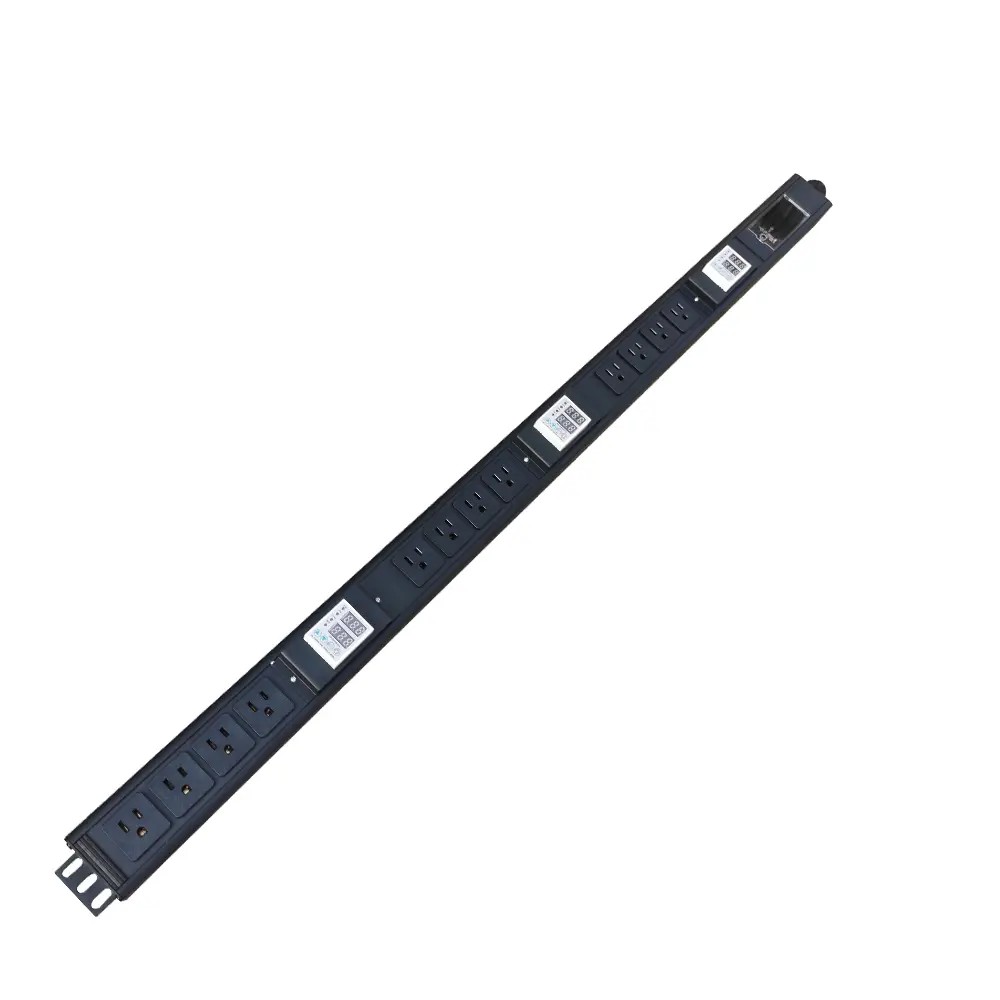
Remote management PDUs provide live power data at the inlet, circuit, or outlet level. Teams can track energy consumption per device, identify energy-wasting idle equipment, and optimize rack power distribution.
Switched and outlet-metered models allow remote power cycling of individual outlets. This is the most impactful feature for operational efficiency:
Most intelligent PDUs include integrated or optional environmental sensors for temperature, humidity, and contact closure.
Smart PDUs integrate natively with DCIM (Data Center Infrastructure Management) and BMS platforms, consolidating power, environmental, and asset data into a single dashboard.
Smart PDUs are the standard solution for data centers needing remote power management capabilities, with monitored, switched, and outlet-metered models to match different operational needs and budgets.
For basic visibility and capacity planning, a monitored PDU delivers strong value. For facilities needing remote troubleshooting and load control, a switched PDU is the most practical choice. For colocation or enterprise environments requiring chargeback and granular optimization, outlet-metered PDUs provide the highest level of insight.
When selected correctly, a remote management PDU is a high-ROI investment that improves energy efficiency, reduces downtime, and streamlines data center operations.
A remote management PDU (smart PDU) is a network-connected power distribution unit that allows data center teams to monitor power usage and control outlets from off-site locations, without physical access to the rack.
The three main types are monitored PDUs (remote visibility only), switched PDUs (visibility + remote outlet control), and outlet-metered PDUs (per-outlet visibility + control).
A monitored PDU only provides remote power visibility and alerts. A switched PDU adds the ability to remotely turn individual outlets on or off and reboot connected devices.
Yes. By providing granular visibility into power usage, smart PDUs help identify idle equipment and energy waste. Combined with load balancing and cooling optimization, they support significant reductions in energy operating costs.
Yes. Switched smart PDUs are ideal for edge facilities with limited or no on-site staff, as they allow remote troubleshooting, reboots, and power management without site visits.