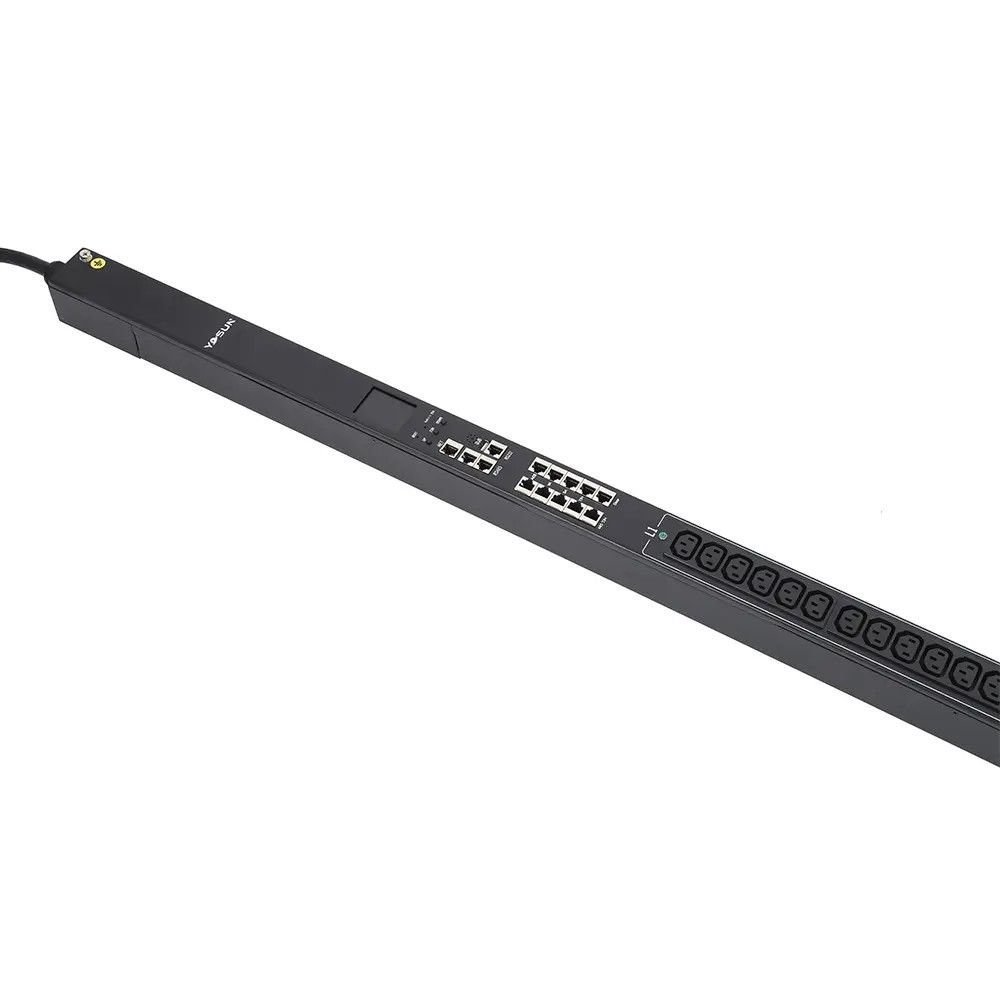
What is the cost of iPDU?
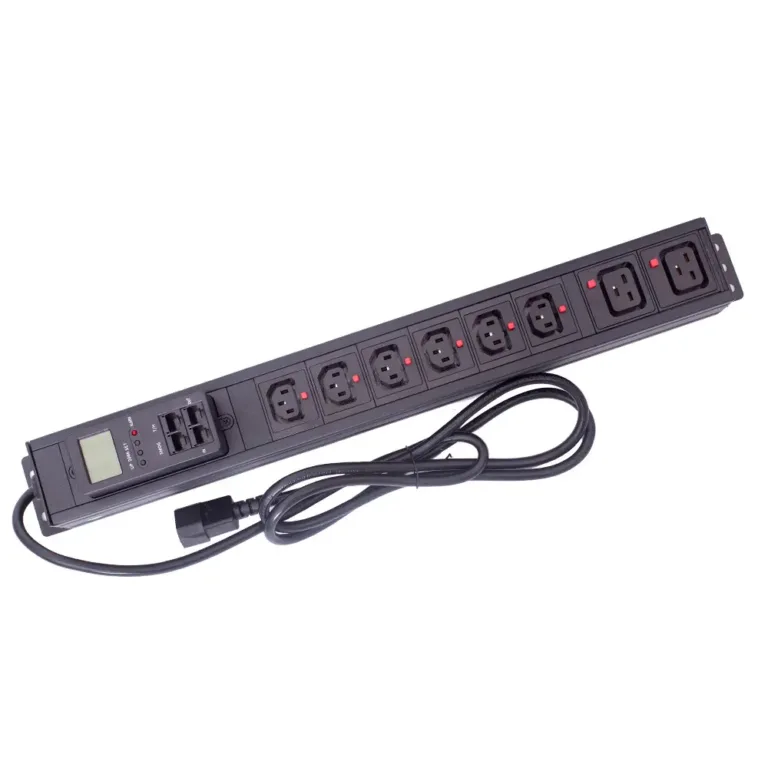
Intelligent power distribution units (iPDUs) typically cost from around $300 for entry-level monitored models to over $5,000 for advanced switched and outlet-metered units. The final...


+86 15867381241
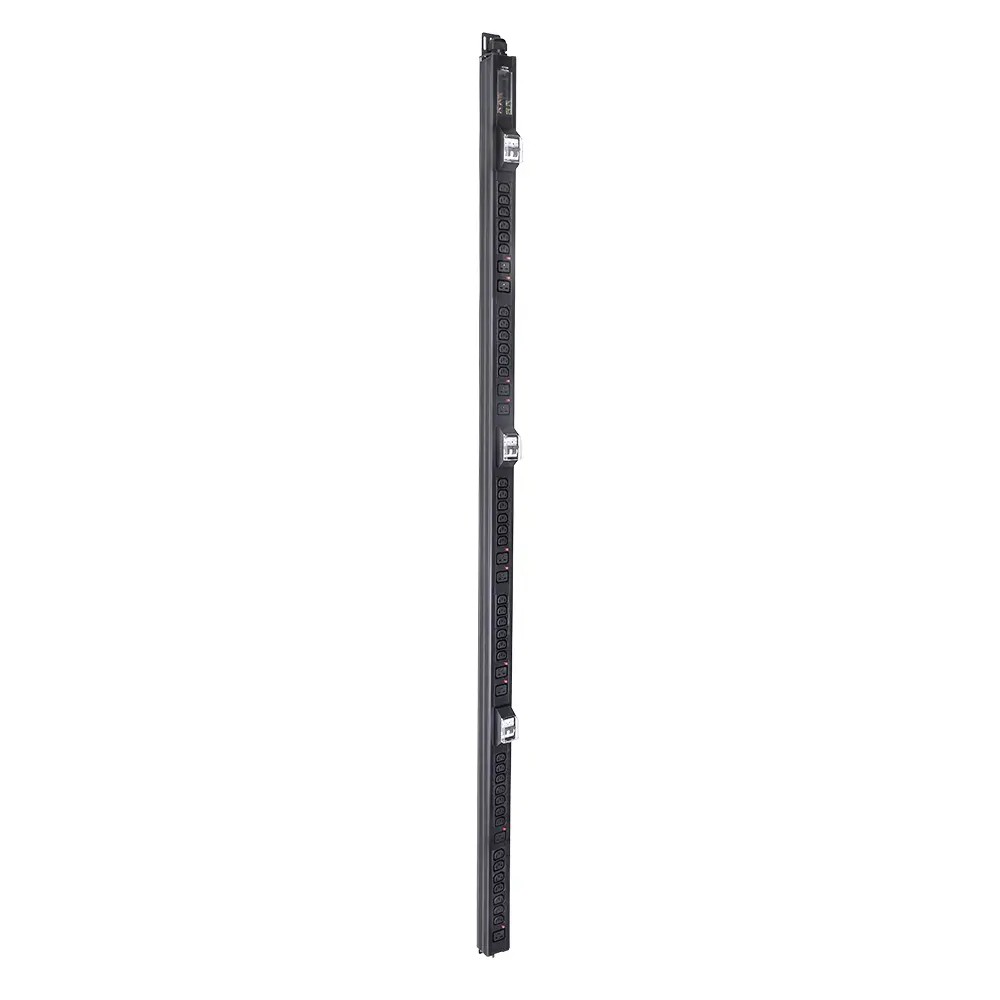
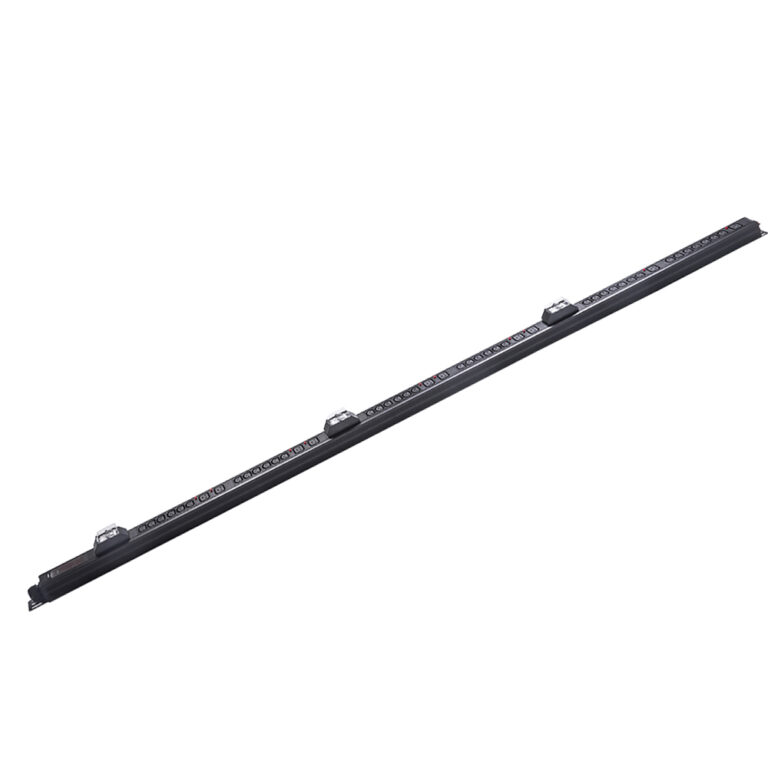
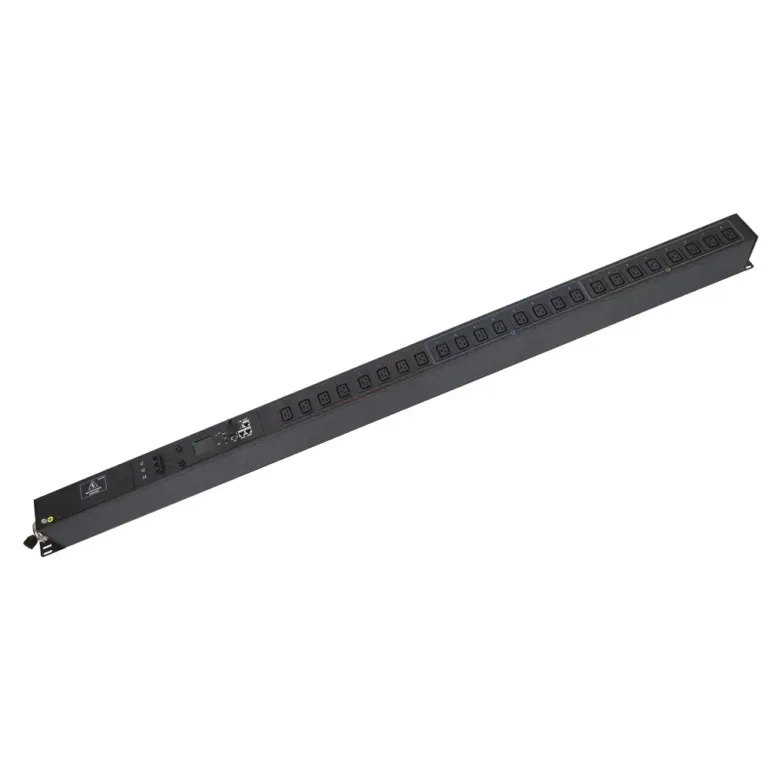
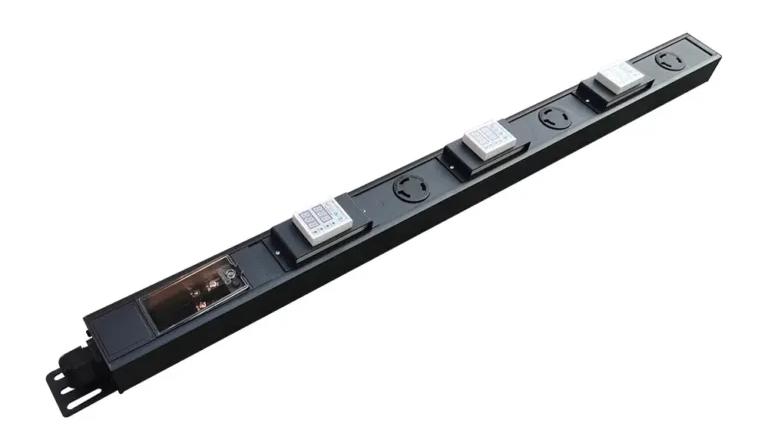
A 0U PDU (zero-unit power distribution unit) is a vertical power strip that mounts in the unused side channels of a server rack, rather than occupying standard horizontal 1U/2U rack space.
By shifting power distribution to the empty vertical space inside the cabinet, 0U PDUs free up all horizontal rail slots for servers, switches and other active hardware. They also improve airflow and cable organization by moving power cords out of the front-to-back cooling path. This makes them the standard choice for high-density data centers and colocation cabinets.
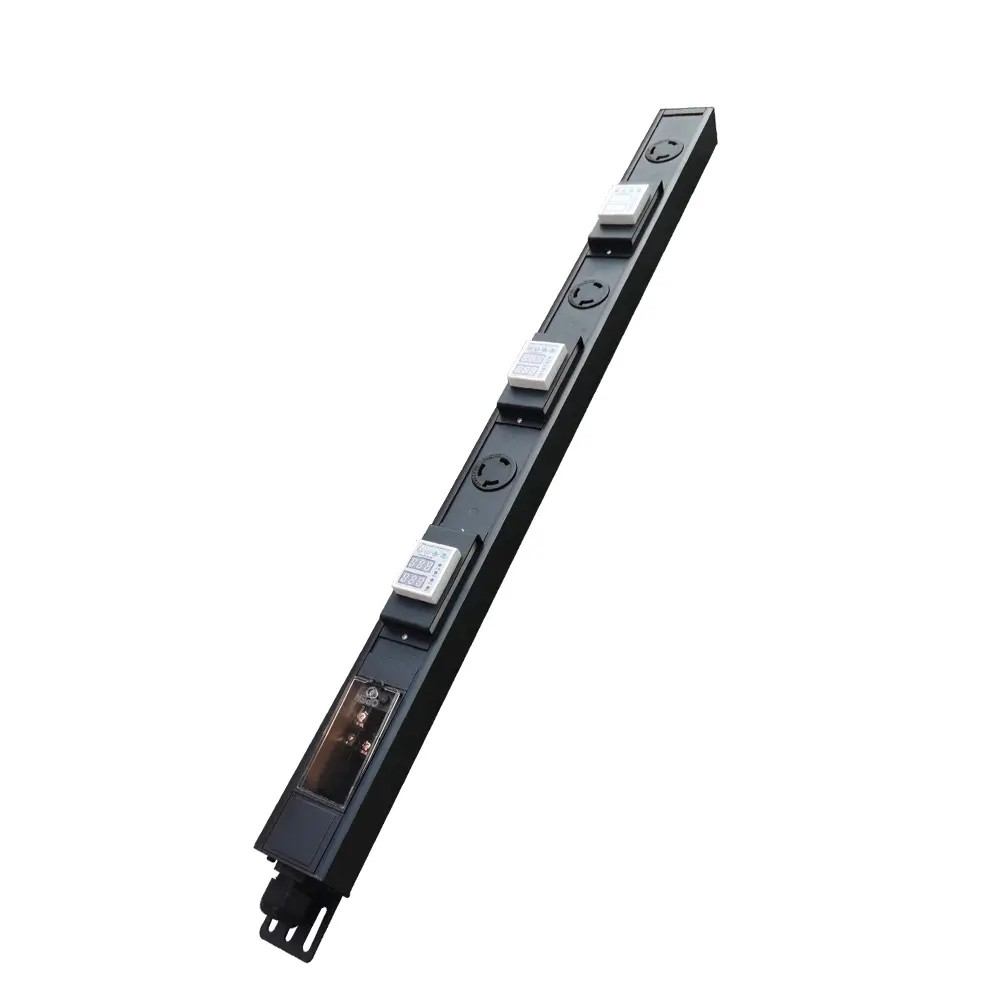
A 0U PDU receives electrical power from a facility circuit and distributes it to multiple outlets for rack-mounted IT equipment. Its long, narrow design mounts vertically along the side or rear of compatible server racks without occupying horizontal rack units.
Vertical mounting allows 0U PDUs to provide a high number of outlets while preserving rack space. Common configurations include:
Actual outlet counts vary by PDU length, input rating, outlet type, and manufacturer.
| Phase Type | Common Input Connections | Typical Applications |
|---|---|---|
| Single-Phase | NEMA 5-15P, NEMA L5-20P, IEC C20 | Standard server and network racks |
| Three-Phase | NEMA L15-30P, IEC 60309 and other regional connectors | High-density server and data center racks |
The appropriate input voltage, phase configuration, and current rating should be matched to the facility power system and connected load.
High-quality 0U PDUs typically use rigid metal housings, reliable internal conductors, and insulated electrical components to support safe and stable power distribution. For high-density installations, buyers should also consider thermal performance, cable retention, grounding, and certification requirements.
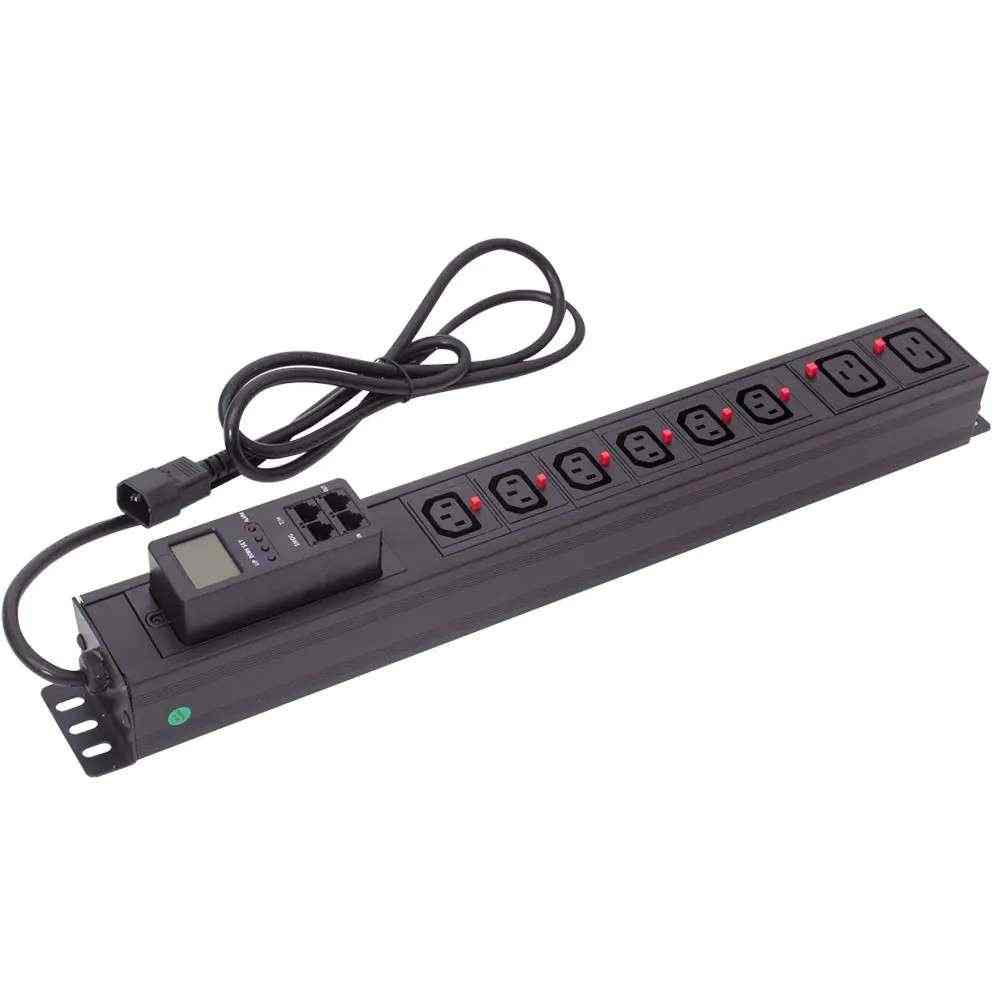
Traditional horizontal PDUs consume 1U or 2U of valuable front-facing rack space that could otherwise be used for servers or networking gear. A 0U PDU mounts entirely in the unused side channel, reclaiming that horizontal slot for active equipment. For high-density colocation and cloud racks, this extra space directly increases revenue per cabinet.
Horizontal PDUs sit directly in the rear exhaust path of servers, blocking airflow and trapping heat inside the cabinet. By moving the PDU and its associated cable bundles to the side channels, the exhaust path stays completely clear. This eliminates airflow restrictions, reduces hot spots, and lowers overall PUE (power usage effectiveness). Server fans also run at lower speeds, reducing noise and extending hardware life.
Vertical mounting routes all power cords along the side rails of the rack, rather than across the rear of equipment. This creates a neater, more organized setup with:
For redundant A/B power setups, mounting one PDU on the left rail and one on the right keeps the two power paths fully separated and easy to trace.
| Factor | 0U Vertical PDU | 1U Horizontal PDU |
|---|---|---|
| Rack space used | Zero U-slots (mounts in side channel) | 1 full U of front-facing rack space |
| Outlet count | 24 – 60+ outlets | 8 – 16 outlets typical |
| Airflow impact | Minimal — sits outside cooling path | Blocks part of rear exhaust airflow |
| Cable management | Cleaner, side-routed cables | Messier rear cable bundles |
| Best for | High-density server racks, colocation | Small office racks, low-density deployments |
Rule of thumb: Use 0U vertical PDUs for any full-height server rack with more than 10 devices. Use compact horizontal PDUs only for small wall-mount or half-height cabinets where vertical space is limited.
Most 0U PDUs use one of two common mounting methods, depending on the rack and PDU design:
For racks with compatible mounting slots:
For racks without compatible keyhole slots, use the mounting brackets and hardware specified by the PDU manufacturer.
Proper protective grounding is essential before energizing the PDU:
0U PDUs are the default choice for modern full-height server racks because they deliver more outlets, better airflow and cleaner cable management — all without wasting valuable rack space.
“0U” (zero unit) means the PDU does not occupy any standard horizontal rack units (U-spaces). It mounts vertically in the unused side channel of the cabinet, leaving all 1U/2U rail slots available for servers and networking gear.
By mounting in the side channel, 0U PDUs move power cords and the PDU body out of the server’s front-to-back exhaust airflow path. This eliminates blockages, reduces trapped hot air, and makes cooling more efficient.
Yes, most models use tool-less keyhole mounting for standard square-hole server racks. You simply align the mounting pegs, push the unit in and slide it down to lock it in place — no screws or tools required. Racks without keyholes will need optional mounting brackets.
Outlet counts range from 24 up to 60+, depending on length and rating. A typical 42U rack 0U PDU will have 30–42 outlets, enough to power dual-corded servers across the full cabinet height.
For mission-critical servers with dual power supplies, use two 0U PDUs — one on each side rail — for A/B redundant power. This ensures power remains available even if one feed goes down for maintenance or fails. For basic non-critical racks, a single 0U PDU is sufficient.