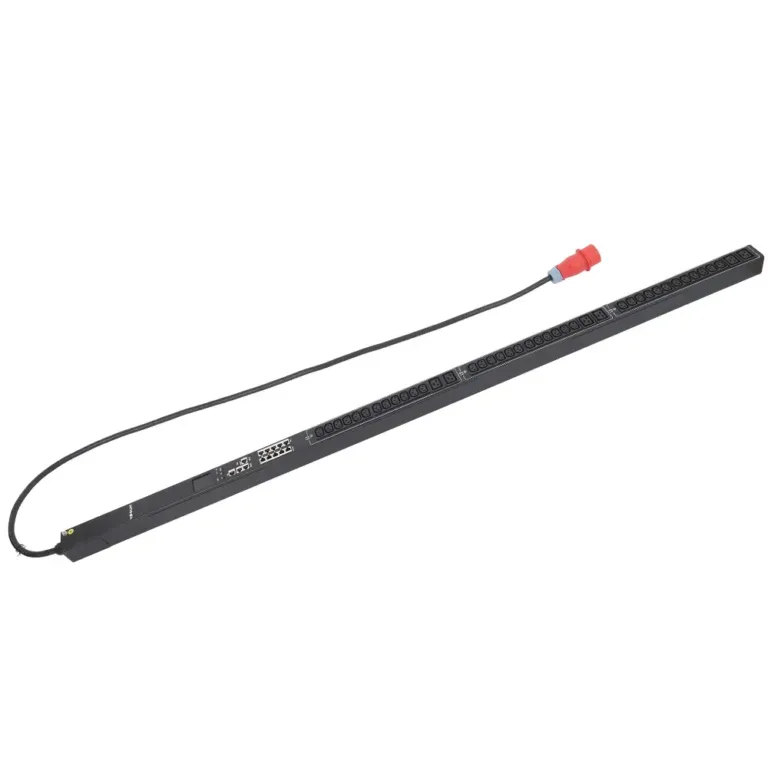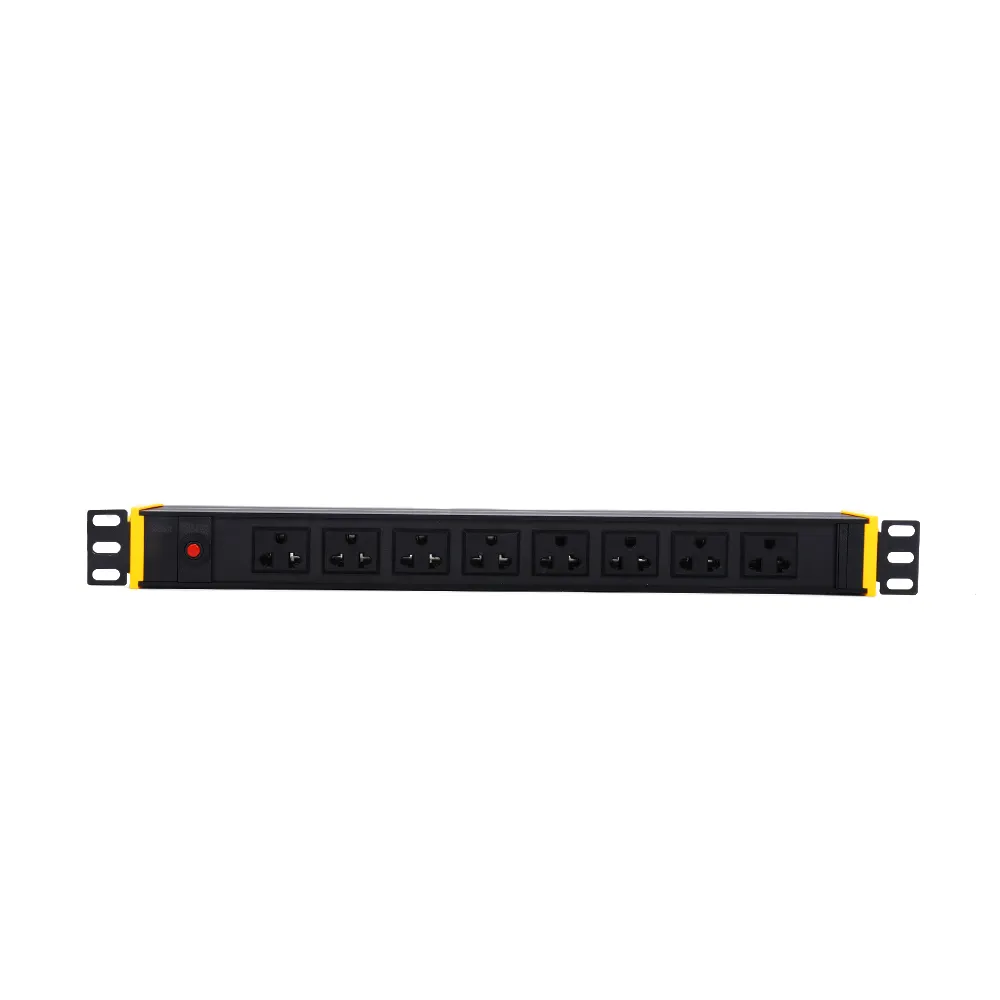
What is the difference between PDU and rack PDU?
A PDU gives power to many devices. Rack PDUs go inside racks. Regular PDUs can stand on the floor or go in a rack. Many...


+86 15867381241
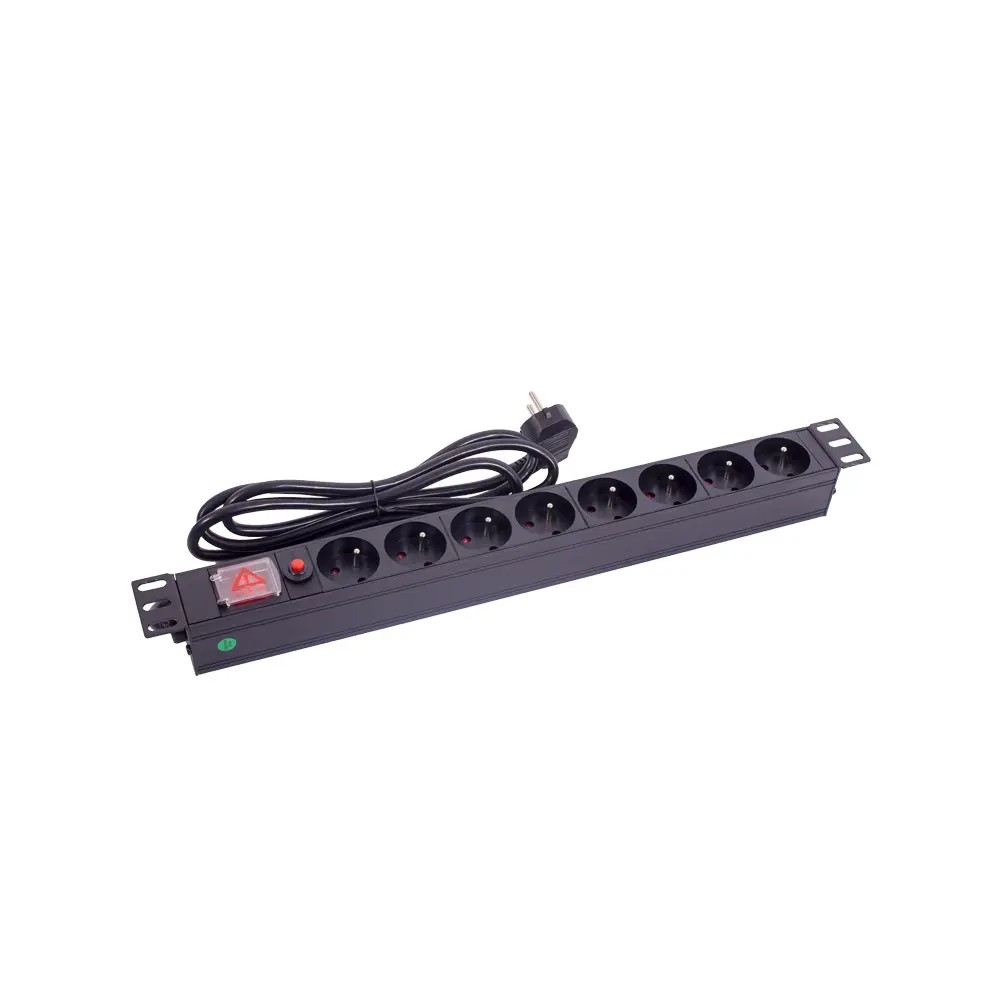
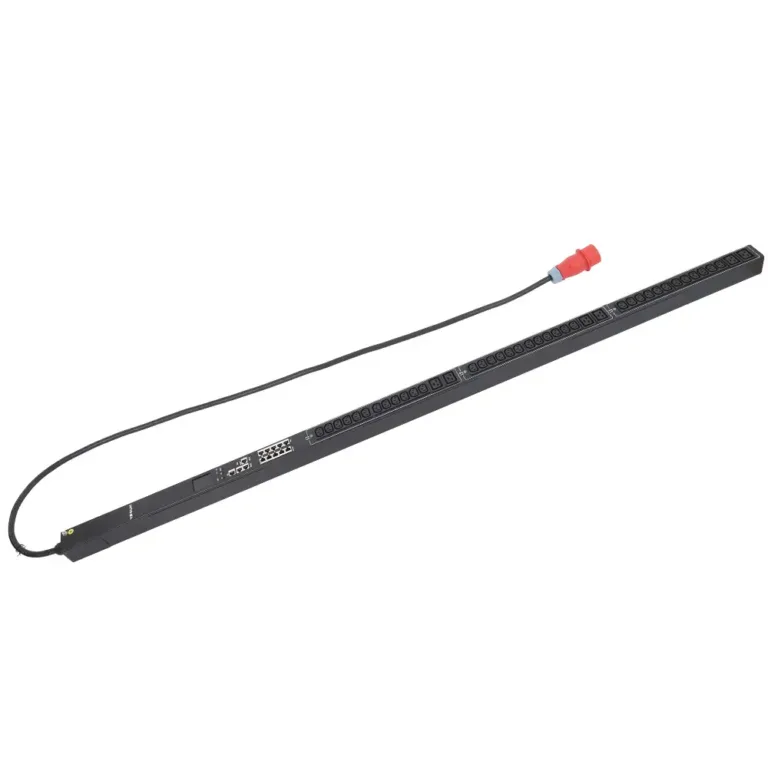
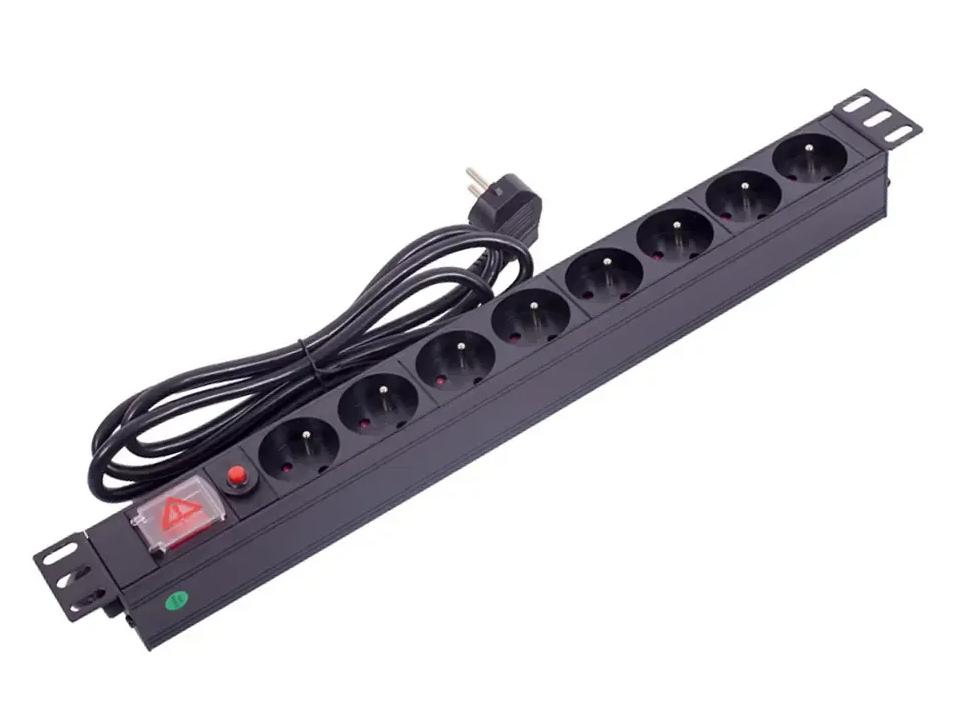
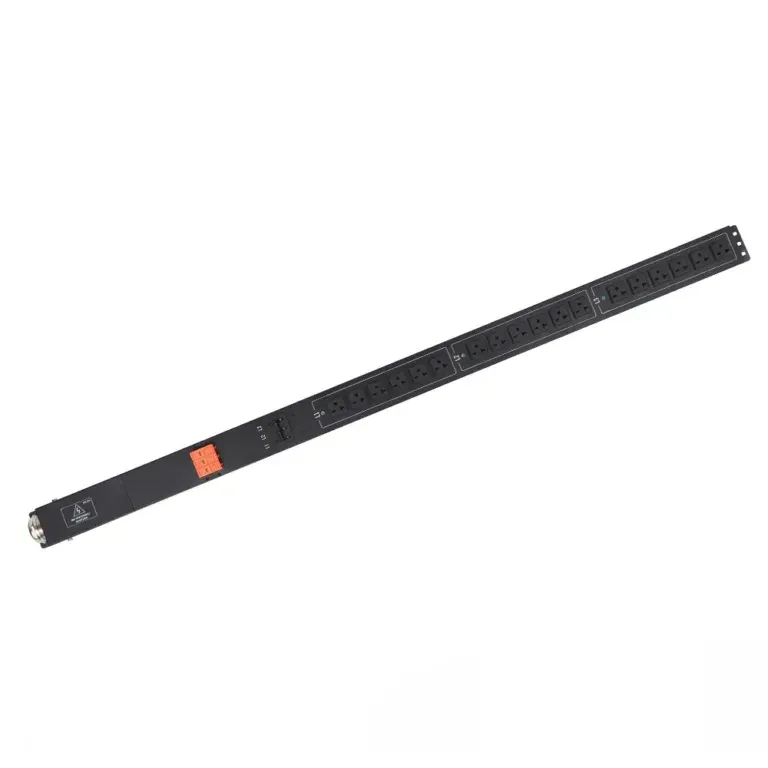
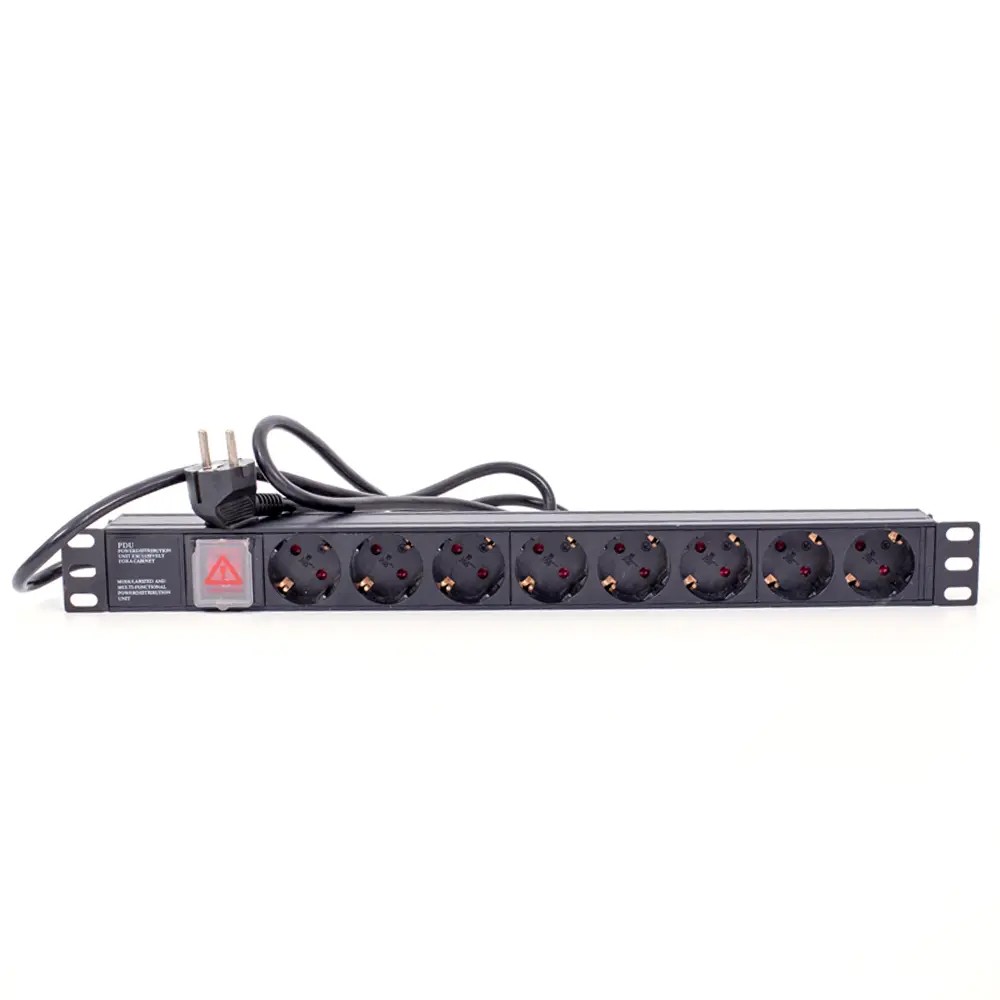
A Power Distribution Unit (PDU) is a core power infrastructure device designed to reliably distribute electrical power to IT equipment such as servers, routers and switches within data centers and server racks. Beyond basic power splitting, modern PDUs also deliver power monitoring, equipment protection and remote management capabilities, forming the foundation of stable, safe and efficient rack-level power systems. YOSUN offers a full range of rack-mount PDUs, from basic distribution models to intelligent managed units, to match the needs of different data center scales and application scenarios.
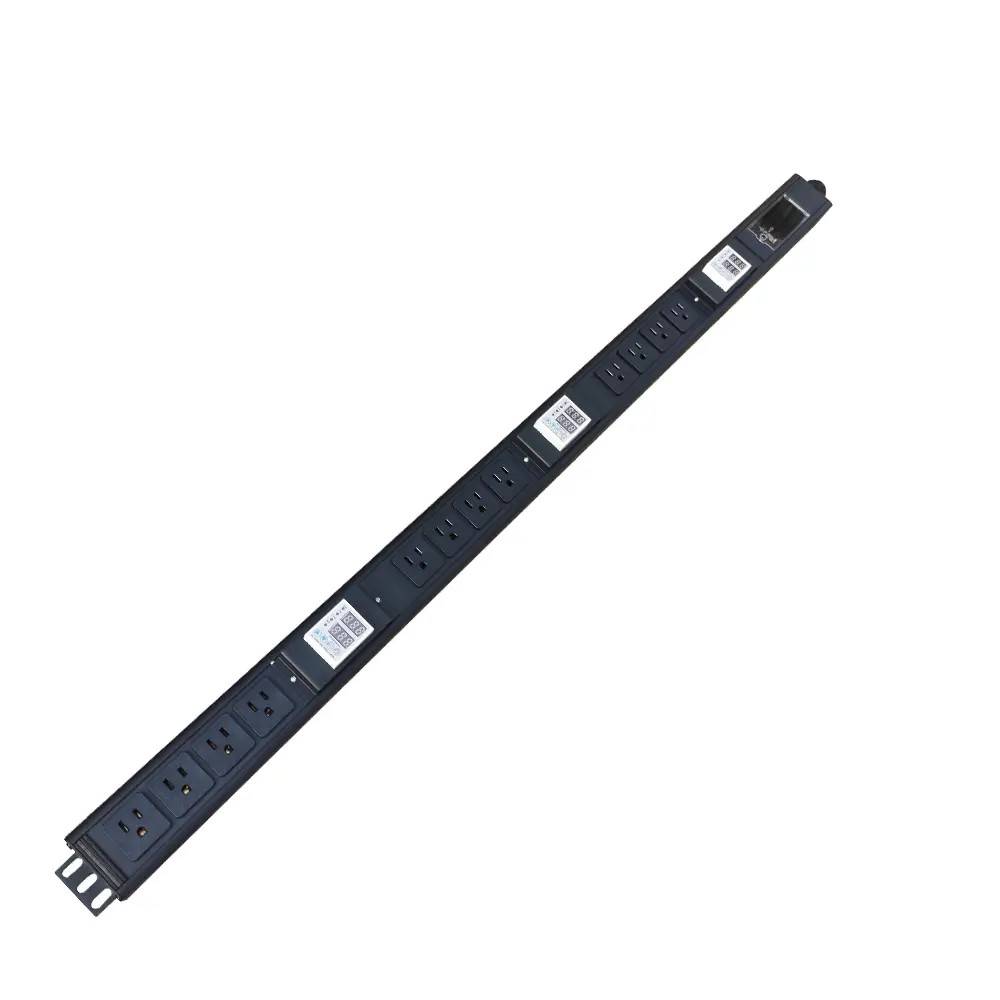
The most fundamental function of a PDU is to take incoming main power and deliver it safely to multiple devices. Mounted inside standard server racks, a single PDU typically provides 8 to 48 outlets depending on the model, powering servers, network switches, storage devices and rack accessories from one unified input.
For high-availability setups, dual PDUs are often installed per rack to provide redundant power paths. This ensures critical equipment remains online if one power feed fails. The rack-mount form factor keeps cabling organized, saves valuable rack space and reduces safety hazards from loose power connections.
Advanced PDUs go far beyond simple power distribution to deliver granular energy visibility.
This level of visibility lets IT teams identify underutilized devices, balance electrical loads across phases and optimize energy use. Remote management capabilities also allow technicians to reboot unresponsive devices without on-site access, greatly reducing downtime response time.
All quality PDUs include built-in safety features to protect connected hardware from electrical faults:
These protection layers are the first line of defense for rack-level power safety, reducing the risk of costly unplanned outages and hardware failure.
Unplanned power outages cause severe downtime costs for data centers. PDUs stabilize rack-level power distribution, and smart models provide instant alerts for overloads, voltage anomalies and environmental issues. This allows teams to resolve problems before they cause equipment failure, significantly improving overall system uptime.
With accurate per-outlet power metering, facility managers can map exact energy consumption across racks and devices. This data makes it easier to eliminate idle power waste, balance three-phase loads and calculate Power Usage Effectiveness (PUE). Over time, this leads to measurable reductions in energy waste and lower operating costs.
Modular smart PDUs are built to grow with data center needs. High-density heavy-duty models can support the higher power demands of AI and high-performance computing workloads without full rack rewiring. This flexibility reduces future upgrade costs and allows facilities to scale capacity incrementally.
PDUs are categorized by their monitoring and control capabilities, each suited to different use cases:
| PDU Type | Monitoring Capability | Control Capability | Ideal Use Case |
|---|---|---|---|
| Basic PDU | None | None | Simple, low-cost power distribution for non-critical racks |
| Metered PDU | Input-level metering | None | Load tracking and basic energy monitoring |
| Smart PDU | Per-outlet real-time metering | Remote outlet switching & alerts | Automated management, remote ops and high-availability racks |
| Heavy Duty PDU | Varies by model | Varies by model | High-power density, industrial and harsh-environment applications |
When choosing a PDU, prioritize these specifications to match your application:
YOSUN rack-mount PDUs cover all four categories above, with customizable outlet counts, plug types and functional modules including surge protection and metering. All products meet global safety and compliance standards, and YOSUN’s manufacturing operations operate under ISO 9001 quality management systems to ensure consistent build quality and reliability.
The core role of a PDU is to serve as the safe, organized and reliable power distribution hub for every server rack. From basic power splitting to intelligent monitoring and equipment protection, it is an indispensable component that underpins data center reliability, energy efficiency and long-term scalability.
For facilities of any size, selecting the right type of PDU directly impacts uptime, operating costs and future growth flexibility. YOSUN’s full range of configurable, safety-certified rack-mount PDUs provides dependable power distribution solutions for basic and advanced data center environments alike.
A PDU distributes main power to all servers, switches and other IT equipment inside a server rack. Advanced models also provide power monitoring, surge protection and remote management to improve reliability and efficiency.
A smart PDU delivers real-time per-outlet power usage data and remote outlet control. This lets teams detect overloads early, reduce energy waste, and reboot devices remotely to minimize downtime.
Yes. YOSUN offers customizable outlet configurations, plug standards, metering features and additional modules such as surge protection and environmental sensors, to fit unique data center requirements.
YOSUN PDUs comply with major global product safety and compliance standards including UL, CE, RoHS and CCC. Manufacturing processes follow ISO 9001 quality management requirements for consistent, reliable build quality.