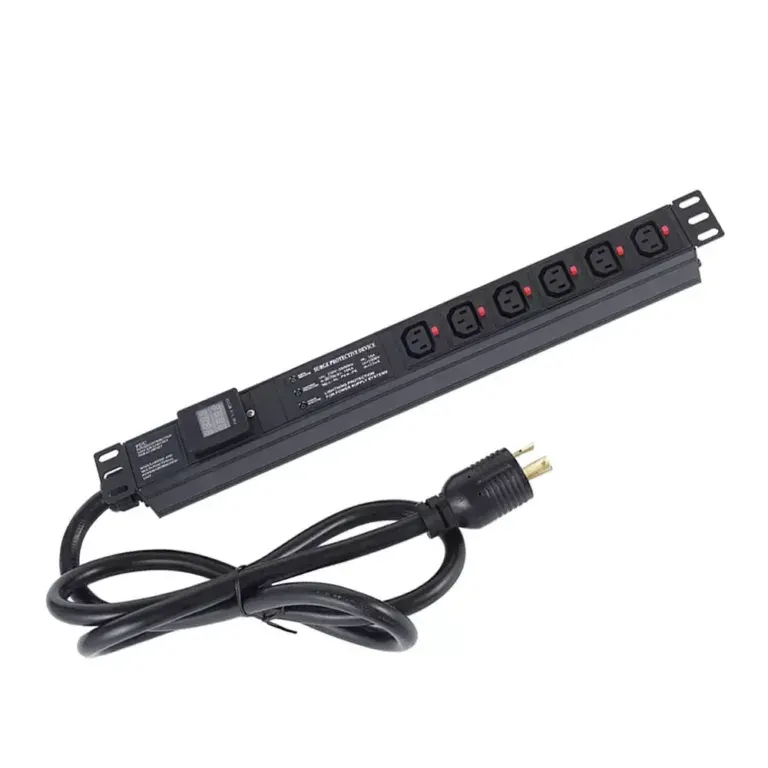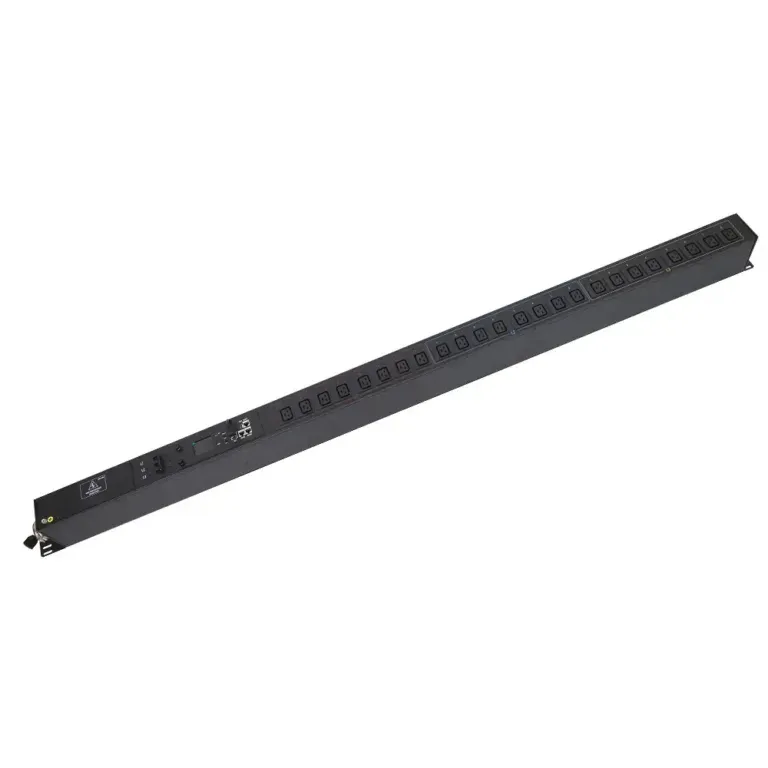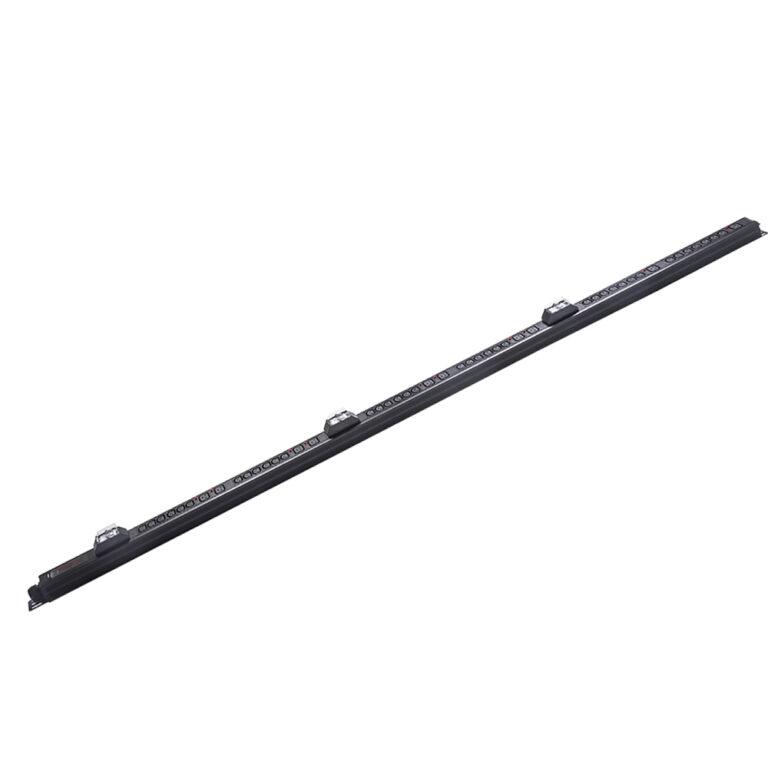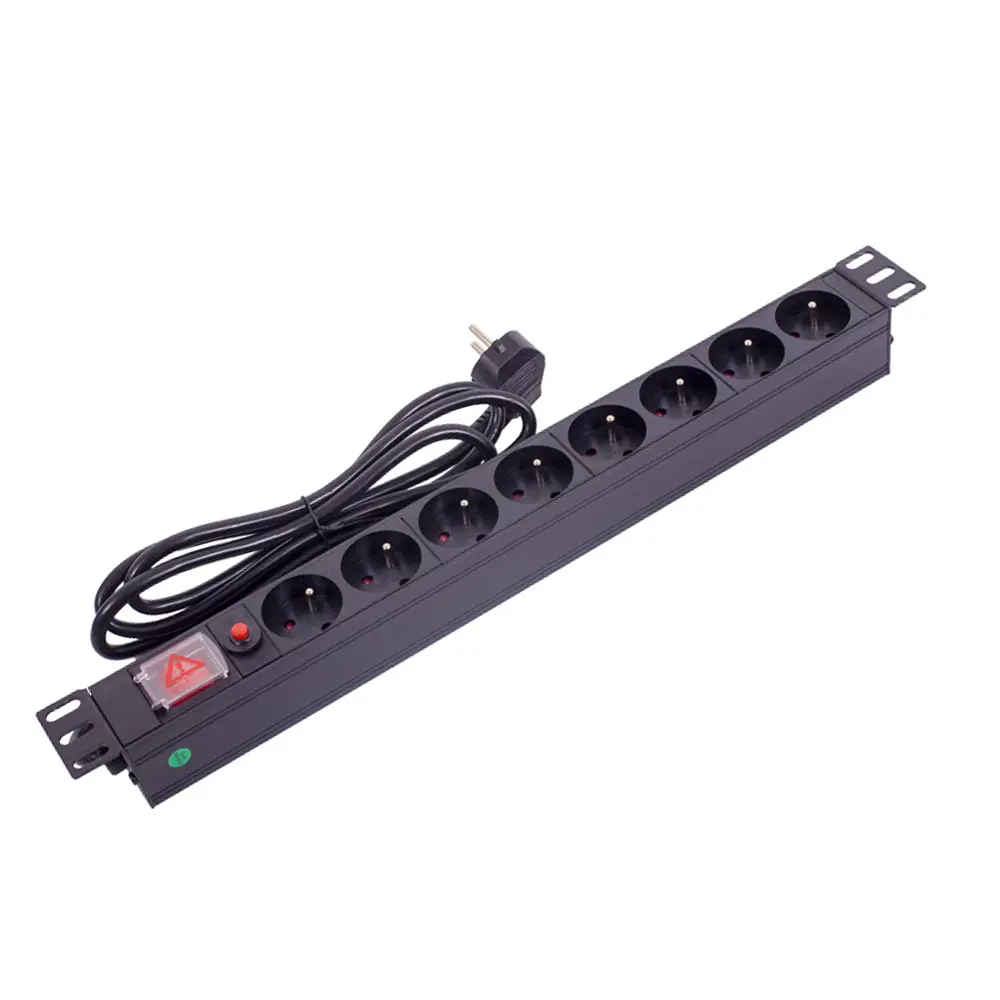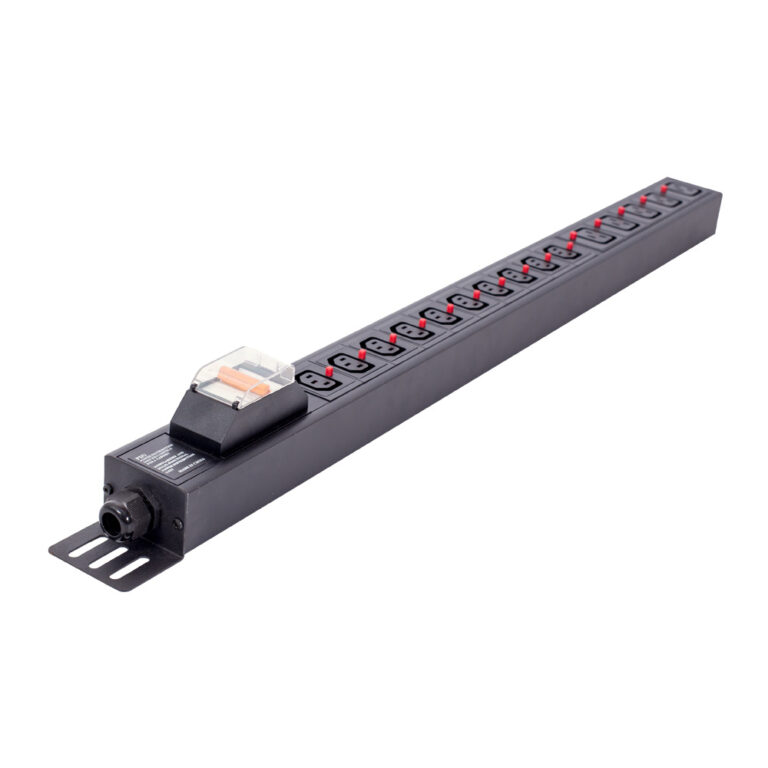
What Is a 2U PDU and Why It Matters
A 2U PDU is a compact power distribution unit for IT setups, offering efficient power management, space optimization, and advanced safety features.


+86 15867381241
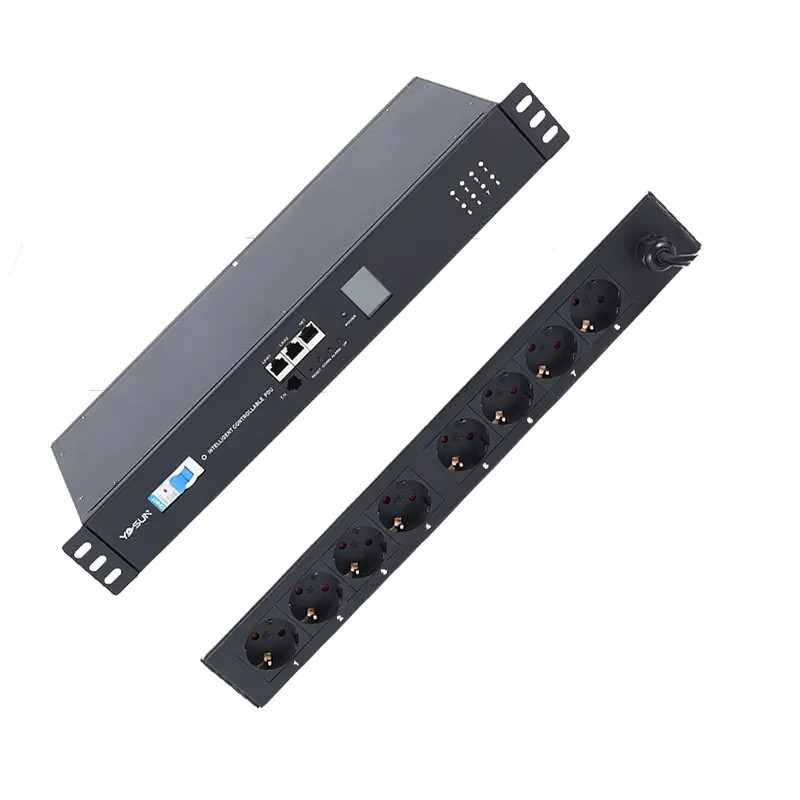
Power distribution units (PDUs) are the backbone of every data center, server room, and IT facility. While basic PDUs only distribute electricity, smart PDUs add monitoring and control capabilities that improve reliability and save energy. However, many people confuse the different types of smart PDUs—especially managed and switched models. Understanding these differences helps IT managers choose the right tool for their needs.
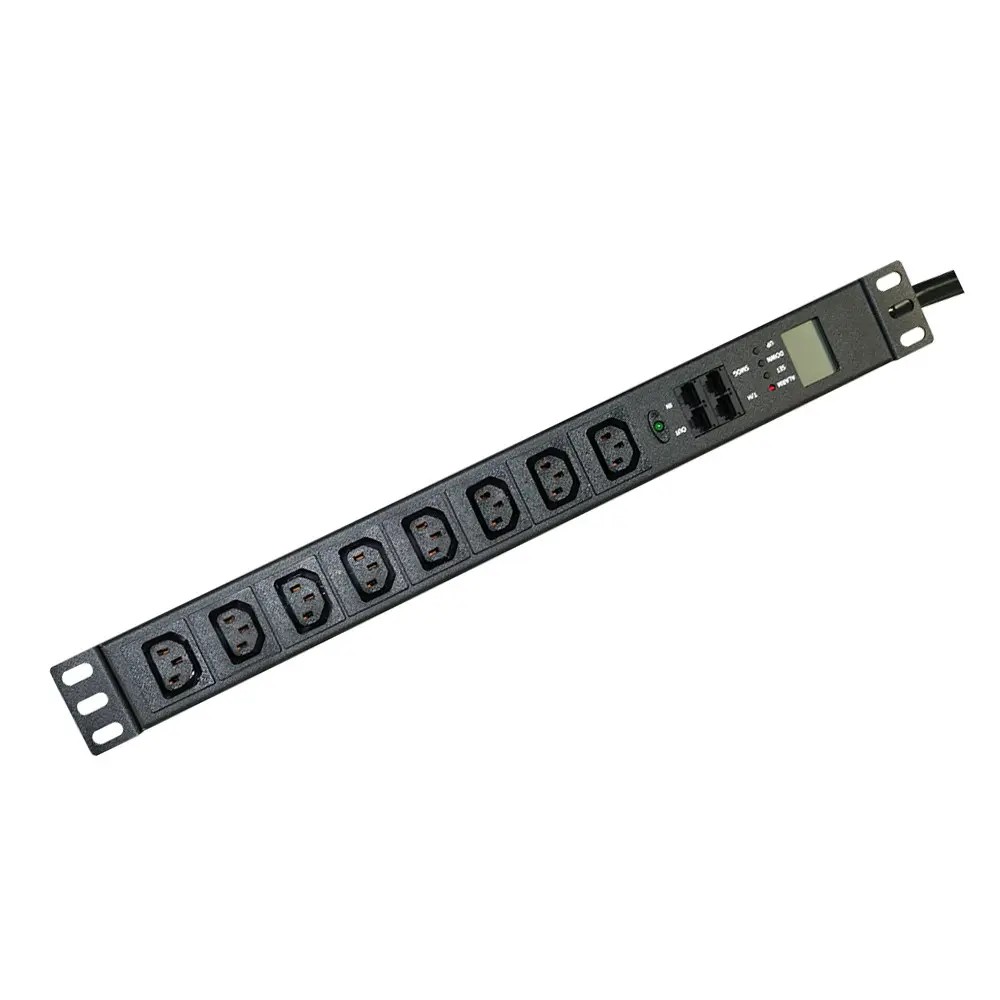
A managed PDU is any network-connected power distribution unit that provides remote monitoring capabilities. It is the broad category that includes all smart PDU subtypes. Managed PDUs track power usage and environmental conditions, sending alerts if problems arise.
There are three main types of managed PDUs, ordered from basic to advanced:
All managed PDUs help teams identify power issues early, balance loads, and track energy usage for billing or compliance purposes.
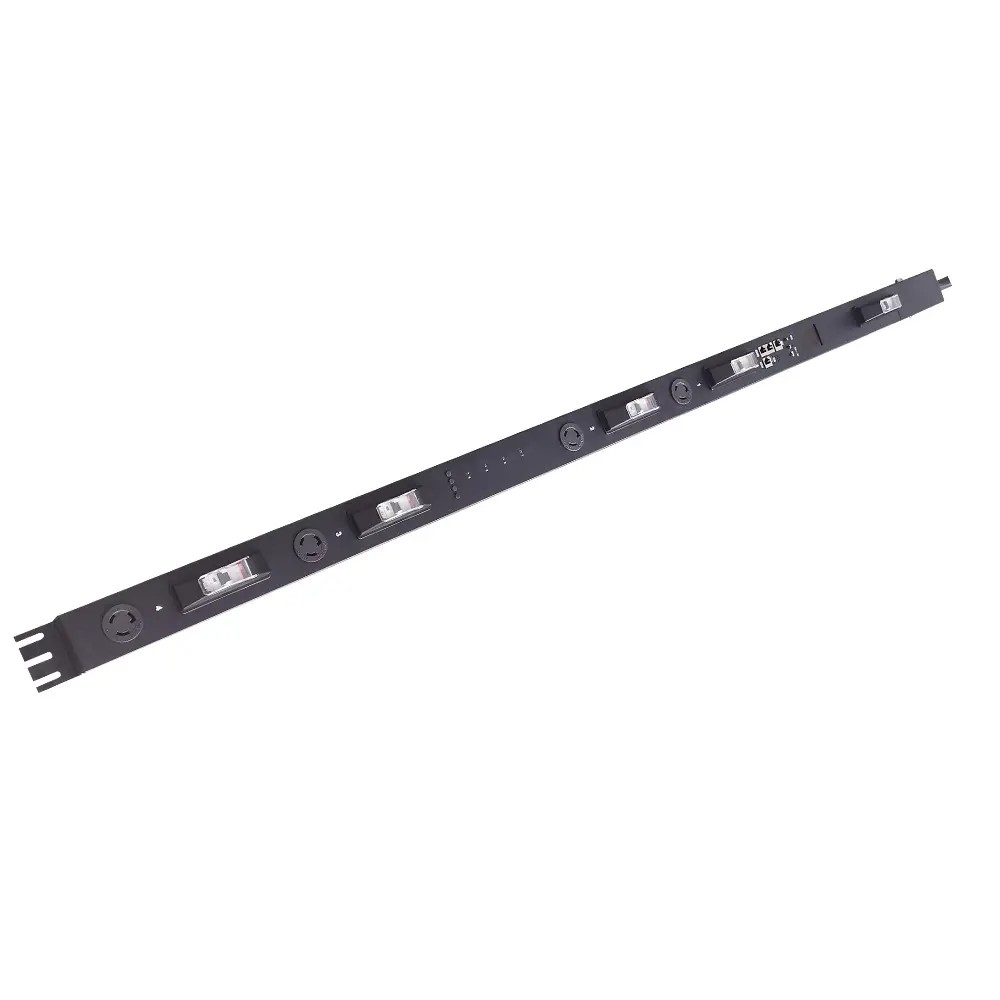
A switched PDU is the most advanced type of managed PDU. It includes all the monitoring features of basic managed PDUs, plus the ability to turn individual outlets on or off remotely.
This means IT teams can restart servers, shut down idle equipment, and sequence power for entire racks without being physically present. Switched PDUs also let managers lock unused outlets for security and group devices to prevent power surges during startup.
| Feature | Metered PDU (Basic Managed) | Monitored PDU | Switched PDU |
|---|---|---|---|
| Power Monitoring | Total unit only | Per-outlet real-time | Per-outlet + historical logging |
| Remote Control | None | View-only monitoring | Full on/off + power cycling |
| Environmental Sensors | Optional | Standard | Standard |
| Energy Savings | Up to 10% (load balancing) | Up to 15% | Up to 20% (idle shutdown) |
| Downtime Reduction | Faster problem detection | 30% faster resolution | 70% faster resolution |
| Price Point | Low | Medium | High |
| Ideal Use Case | Basic energy billing | Load balancing and troubleshooting | Remote server management |
Managed PDUs are designed to provide detailed visibility into power usage, often including outlet-level monitoring, environmental sensors, and reporting tools.
Switched PDUs also offer power monitoring, but they add remote outlet control. This allows administrators not only to monitor connected devices but also to remotely reboot or shut down equipment when necessary.
This is the defining feature that sets switched PDUs apart from basic managed models.
With a switched PDU, IT teams can:
YOSUN Switched PDUs include automatic power cycling, which can reboot devices without human intervention if they stop responding. This eliminates the need for costly on-site technician visits and reduces downtime from hours to seconds.
All managed PDUs include basic security features, but switched PDUs offer more granular control.
YOSUN Smart PDUs use industry-standard security protocols to protect your power infrastructure:
| Security Protocol | Description |
|---|---|
| Role-Based Access | Assign different permissions to different users |
| Encryption | HTTPS, SSH, and SNMP v3 for secure data transmission |
| IP Filtering | Restrict access to trusted IP addresses only |
| Audit Logging | Track all PDU actions for compliance purposes |
This is especially important for switched PDUs, as unauthorized access could result in accidental power outages.
Integration and scalability are key differences between basic managed and switched PDUs: basic models only support one-way data export to management tools and need individual setup, becoming inefficient above 10 racks, while switched PDUs enable full two-way integration for automated tasks and centralized management of hundreds of units. YOSUN Smart PDUs cover both needs, with switched models seamlessly working with all major platforms and supporting modular, incremental expansion.
Remote control is the biggest factor in the decision. Choose a switched PDU if:
For small server rooms with on-site staff, a basic managed PDU may be sufficient. For large data centers or remote facilities, a switched PDU is almost always worth the investment.
Switched PDUs typically cost 30-50% more than basic metered PDUs. However, the cost is quickly offset by savings:
Choose a PDU with 20-30% more outlets than you currently need. This will accommodate future equipment additions without requiring a full replacement. All YOSUN Smart PDUs are designed to last 10+ years, making them a long-term investment.
The difference between managed and switched PDUs comes down to control. All managed PDUs provide valuable power monitoring, but switched PDUs add the ability to control individual outlets remotely. This single feature delivers dramatic improvements in efficiency, reliability, and cost savings.
For small businesses with on-site staff, a basic metered or monitored PDU may be sufficient. For medium to large data centers, remote facilities, or anyone looking to maximize energy efficiency, a switched PDU from a trusted PDU manufacturer like YOSUN is the best choice.
The main benefit is individual remote outlet control. This lets you restart servers, shut down idle equipment, and manage power from anywhere, reducing downtime and saving energy.
Yes. Most monitored and switched PDUs, including all YOSUN Smart PDUs, have built-in or optional environmental sensors for temperature, humidity, and airflow.
Remote outlet control uses a secure web portal or mobile app. Managers log in to the system and can turn individual outlets on or off with a single click.
Switched PDUs cost about 30-50% more than metered PDUs. However, they typically pay for themselves within 1-2 years through reduced downtime and energy savings.
Choose a switched PDU if you have remote servers, need to reboot devices without on-site staff, or want to shut down idle equipment to save energy. A metered PDU is sufficient for basic energy tracking.